Mount Mary Basilica in Bandra is not just a place of worship; it's a serene sanctuary that blends spiritual devotion with rich history. My recent visit to this iconic basilica was a memorable experience, offering both a peaceful retreat and a deep dive into the cultural heritage of Mumbai.
Historical Significance
Mount Mary Basilica, also known as the Basilica of Our Lady of the Mount, has a storied history that dates back to the 16th century. The original chapel was built around 1570 by Portuguese Jesuits, who brought the statue of Our Lady of the Mount from Portugal. This statue, believed to have miraculous powers, quickly became a focal point of devotion for the local Catholic community.
The basilica has faced its share of challenges over the centuries. In the late 17th century, the original chapel was destroyed during the Maratha invasion, and the statue was thrown into the sea. According to legend, a Koli fisherman found the statue floating in the Arabian Sea and brought it back to the church. This event is commemorated annually during the Bandra Fair, a week-long festival held in September to celebrate the Feast of Our Lady of the Mount. The current structure, completed in 1904, stands as a testament to the resilience and enduring faith of the local Catholic community.
Architectural Beauty
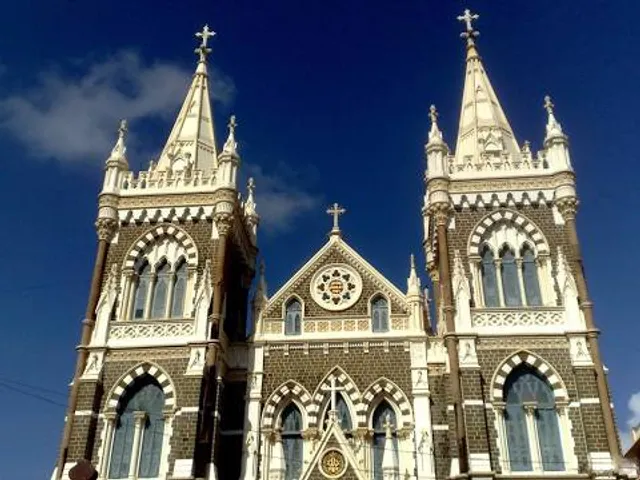
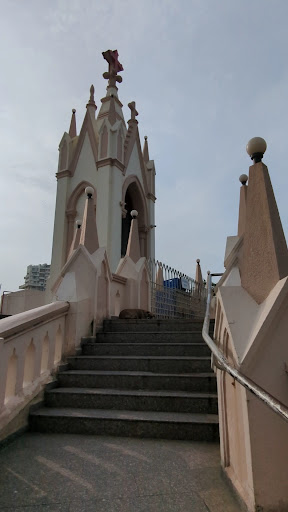
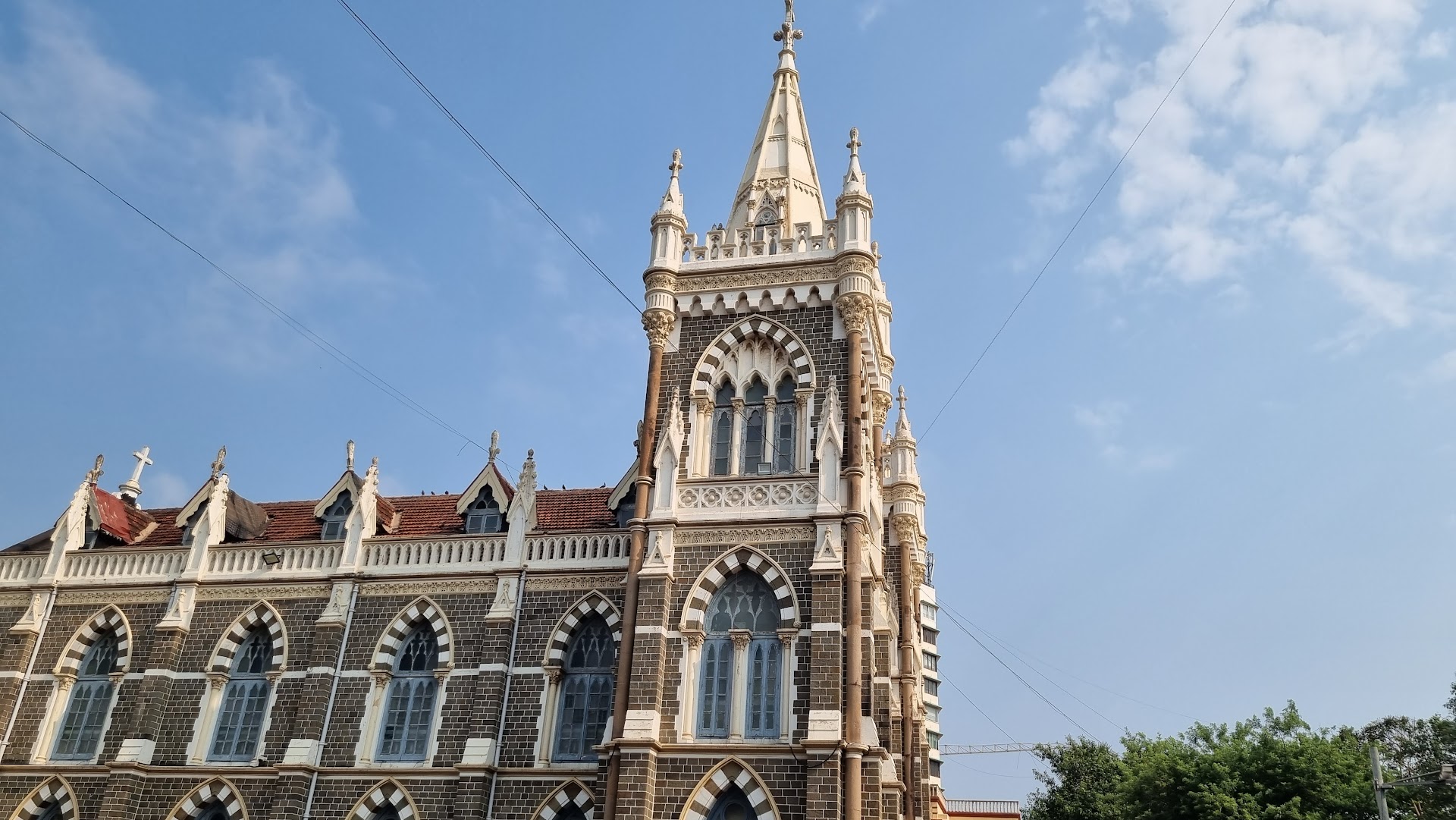
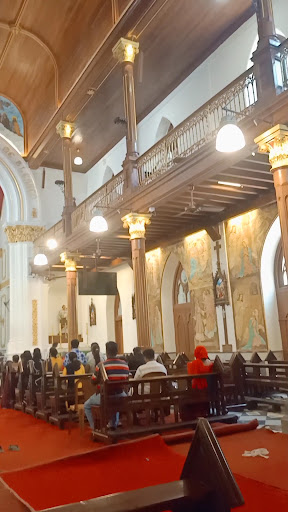
The basilica's architecture is a blend of Gothic and Romanesque styles, characterized by its elegant facade, pointed arches, and intricate stained glass windows. The twin spires and the grand entrance give the building an imposing yet welcoming presence. As you step inside, you're greeted by a serene atmosphere, with the soft lighting from the stained glass windows casting a colorful glow on the interior. The high vaulted ceilings and ornate altar create a sense of grandeur, while the rows of pews invite quiet reflection.
One of the most striking features is the statue of Our Lady of the Mount, elegantly adorned and placed prominently on the altar. The statue's gentle expression and outstretched arms exude a sense of peace and compassion. The altar is further embellished with floral arrangements, candles, and offerings, reflecting the deep devotion of the pilgrims who visit.
The Spiritual Experience
During my visit, I had the opportunity to attend a Mass, which was a moving experience. The choir's harmonious hymns, accompanied by the organ, filled the basilica with a soothing melody that resonated with the congregation. The priest's sermon was heartfelt and uplifting, offering words of hope and encouragement. The sense of community was palpable, as worshippers from various backgrounds gathered to participate in the service.
Outside the basilica, the church grounds offer a picturesque view of the Arabian Sea. The cool breeze and the scenic landscape make it a perfect spot for contemplation and relaxation. The basilica's location, perched atop a hill, provides a vantage point that offers panoramic views of the surrounding area. It's easy to see why this place has been a site of pilgrimage for centuries.
Cultural Impact and Community
Mount Mary Basilica is more than just a place of worship; it's a cultural landmark that plays a significant role in the local community. The annual Bandra Fair is a major event that attracts thousands of visitors from all over the world. The fair features stalls selling religious articles, local delicacies, and souvenirs, creating a festive atmosphere. It's a time of celebration and reflection, as people come together to honor Our Lady of the Mount and seek her blessings.
The basilica also engages in various charitable activities, providing support to the underprivileged and promoting social welfare initiatives. This commitment to service underscores the basilica's role not just as a religious institution, but as a cornerstone of the community.
Conclusion
In...
Read moreOfficially the Basilica of Our Lady of the Mount Bandra, colloquially known as Mount Bandra and Mount St Mary Church, is a basilica (shrine) of the Latin Church in India, located in the Bandra neighbourhood of Bombay (Mumbai).
The festival of the nativity of St Mary, also known as Marymas or the Bandra Fest, is celebrated here on the 8th day of September, which is the occasion of the birth of the virgin-mother of Jesus Christ. The annual feast is followed by a week-long fair or fete known in the Konkan region as the "Bandra fair", which is visited by thousands of tourists, pilgrims& devotees every year.
Pope Pius XII granted a decree of canonical coronation to its reverenced Marian icon on 21 October 1954, both signed and notarised by Cardinal Giovanni Battista Montini of the Sacred Congregation of Rites. The statue of the Madonna and the Prince of peace was crowned in a ceremony on 5 December 1954, by the late Cardinal Valerian Gracias.
The basilica stands on a hillock, about 80 metres above sea level overlooking the Arabian Sea. It draws lakhs of devotees and pilgrims annually. Many of the faithful attest to the miraculous powers of the Blessed Virgin Mary. The shrine attracts people from all faiths who pray to the Virgin Mary for expressing their gratitude or requesting favours. The church was raided and destroyed in 1738 during the Mahratta Invasion of Bassein, led by the Peshva Brahmin Chimaji Appa. It was rebuilt in British Bombay.
During the Bandra Fair, the entire area is decorated with festoons and buntings. Many pitch up stalls to sell religious articles, roasted grams, snacks and sweets. Wax figures of the Virgin Mary along with an assortment of candles shaped like hands, feet and various other parts of the body are sold at kiosks. The sick and the suffering choose a candle or wax figure that corresponds to their ailment and light it in Church, with the pious hope that Mother Mary will consider their appeals for help.
Although the current structure and edifice of the shrine is just 100 years old and was rebuilt in British Bombay; the history behind the current statue of the Blessed Mary, goes back to the 16th century when Jesuit priests brought the statue and constructed a chapel in what was then, the Portuguese East Indies. In 1700, Sunni Arab pirates raiding the area were interested in the gilt-lined object held in the hand, they desecrated the statue by cutting off the right hand.
In 1760, the church was rebuilt after Mahratta invasion of Goa and Bombay, and the statue was substituted with a statue of Our Lady of Navigators in the St Andrew's Church nearby. Legend has it that a Koli Christian fisherman dreamt of the statue floating in the sea, and as prophesied in the dream the statue was indeed found the next day, floating in the sea. A Jesuit Annual Letter dated to 1669 and published in the book St Andrew's Church, Bandra (1616–1966) supports this claim. The Koli Fishermen call the statue as Mot Mauli, literally meaning the Pearl Mother or the Mother of the Mount, Mot could be a corruption of the Indo-Portuguese word monte for "mount"; Maoli is a Marathi-Konkani word for "mother". However, the previous statue is now restored, is enshrined in a place of honour in the basilica. Both Hindu and Koli Christians (Bombay East Indians) visit this shrine often making the place a prominent feature of intercommunal harmony and interfaith...
Read moreBasilica of Our Lady of the Mount: A Sanctuary of Faith and Devotion
A Symbol of Faith and Devotion
The Basilica of Our Lady of the Mount, commonly known as Mount Mary Church, is a prominent Roman Catholic Church located in Bandra, Mumbai. This sacred site is a testament to the power of faith and devotion, attracting thousands of pilgrims and devotees every year.
Historical Significance
The church has a rich history dating back to the 16th century, when Jesuit priests brought a wooden statue of Our Lady from Portugal. This statue was initially placed in a small oratory on a hill at Lands End, Bandra. Over the centuries, the devotion to this statue grew, and the church was rebuilt several times, each time becoming more grand and elaborate.
Architectural Beauty
The Basilica of Our Lady of the Mount is a magnificent semi-gothic structure, featuring a charming main entrance with huge doors and windows. The arch above the main portal is adorned with the initials "A.M.," etched in a crown structure surrounded by two small lilies. The interior of the church is equally impressive, with a marble altar and a relic containing a drop of blood from St. Pope John Paul II.
Festivals and Celebrations
The Basilica is most famous for its annual Bandra Fair, which takes place on the 8th of September, the nativity of St. Mary. This event is celebrated with a week-long fair, attracting lakhs of visitors who come to make their wishes and seek blessings from Mother Mary. The fair is a vibrant celebration of faith, culture, and community, with stalls selling religious articles, flowers, snacks, and sweets.
Miracles and Testimonials
The Basilica is renowned for the miracles attributed to the supernatural power of St. Mary. Many visitors attest to the blessings they have received, and the church is a sanctuary for troubled souls seeking solace and hope. The church also maintains a form for visitors to share their experiences and testimonies, which are published to inspire others.
Accessibility and Visiting Information
The Basilica is easily accessible by air, road, and rail. The closest airport is Chhatrapati Shivaji International Airport, and the church can be reached via local public transport or by walking up a fairly steep but short uphill climb from the Bandra Station. The church is open for prayers and veneration from 5:30 am to 8:00 pm, and visitors can plan their trip accordingly.
Community and Interfaith Harmony
The Basilica of Our Lady of the Mount is a symbol of intercommunal harmony and interfaith dialogue in Mumbai. It is visited by people of all faiths, reflecting the city's rich cultural diversity. The church's commitment to community service and holistic development makes it a beloved institution in the region.
Conclusion
The Basilica of Our Lady of the Mount is a sacred site that embodies the spirit of faith, devotion, and community. Its rich history, architectural beauty, and annual festivals make it a must-visit destination for anyone seeking spiritual solace or a glimpse into the vibrant cultural...
Read more