HTML SitemapExplore
logo
Find Things to DoFind The Best Restaurants

Shri Walkeshwar Temple, Mumbai — Attraction in Mumbai

Name
Shri Walkeshwar Temple, Mumbai
Description
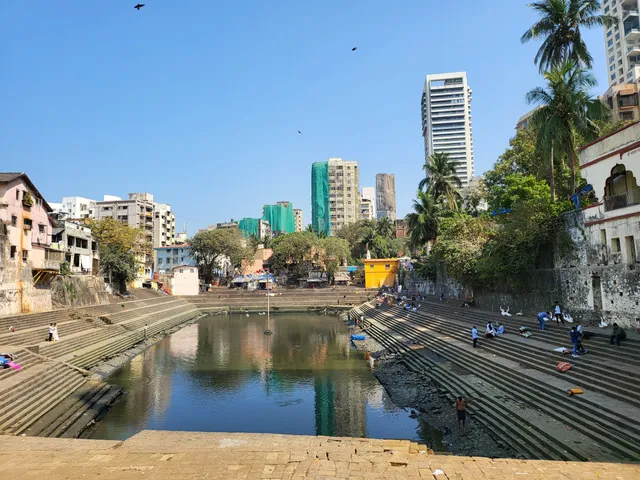
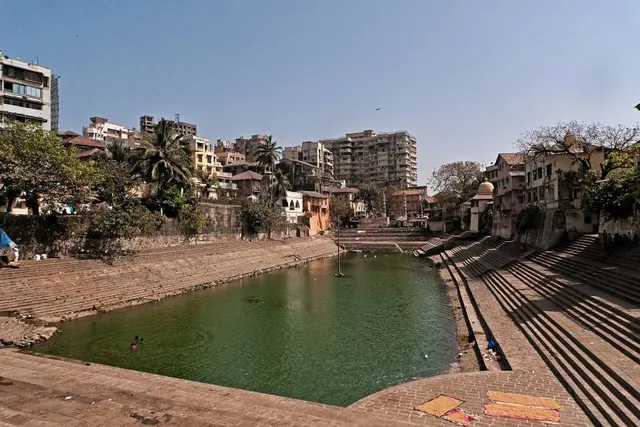
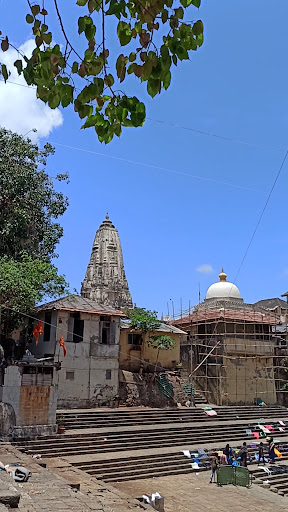
Walkeshwar Temple, also known as the Baan Ganga Temple, is a temple dedicated to Lord Shiva located in Walkeshwar, near Malabar Hill neighbourhood, in South Mumbai precinct of the city of Mumbai, India. It is situated at the highest point of the city, and close to the temple lies the Banganga Tank.
Nearby attractions
Banganga Tank
Banganga, Walkeshwar, Mumbai, Maharashtra 400006, India
Babu Amichand Panalal Adishwarji Jain Temple
97, Ridge Rd, Walkeshwar, Malabar Hill, Mumbai, Maharashtra 400006, India
Nearby restaurants
Vinod bhelpuri house
near, Atmaram niwas banganga road walkeshwar, Raj Bhavan, Mumbai, Maharashtra 400006, India
Dakshinayan
183a, Walkeshwar Rd, Raj Bhavan, Malabar Hill, Mumbai, Maharashtra 400006, India
Krishna Chinese Fast Food Corner
Prakash newas, 91, Bhagwanlal Indrajit Rd, Teen Batti, Malabar Hill, Mumbai, Maharashtra 400006, India
Om Prakash Bhelpuri Center
Banganga Cross Ln, Teen Batti, Malabar Hill, Mumbai, Maharashtra 400006, India
Saraswati Hindu Hotel
2-A, Dungarsi Rd, Walkeshwar, Malabar Hill, Mumbai, Maharashtra 400006, India
Samosa Adda
Flat no 2, Baba Bhagwandas Compound, Dr. B.I road, Walkeshwar, Mumbai, Maharashtra 400006, India
Snack's Time
Teen Batti, Malabar Hill, Mumbai, Maharashtra 400006, India
Sidhnath parotha house
shivam complex, Teen Batti, Malabar Hill, Mumbai, Maharashtra 400006, India
Ramakant Hindu Hotel
Shop 4h,, Dungarsi Rd, Teen Batti, Walkeshwar, Malabar Hill, Mumbai, Maharashtra 400006, India
Krishna Fast Food
Shop No, 1, Walkeshwar Rd, Teen Batti, Malabar Hill, Mumbai, Maharashtra 400006, India
Nearby hotels
Related posts
Keywords
Shri Walkeshwar Temple, Mumbai tourism.Shri Walkeshwar Temple, Mumbai hotels.Shri Walkeshwar Temple, Mumbai bed and breakfast. flights to Shri Walkeshwar Temple, Mumbai.Shri Walkeshwar Temple, Mumbai attractions.Shri Walkeshwar Temple, Mumbai restaurants.Shri Walkeshwar Temple, Mumbai travel.Shri Walkeshwar Temple, Mumbai travel guide.Shri Walkeshwar Temple, Mumbai travel blog.Shri Walkeshwar Temple, Mumbai pictures.Shri Walkeshwar Temple, Mumbai photos.Shri Walkeshwar Temple, Mumbai travel tips.Shri Walkeshwar Temple, Mumbai maps.Shri Walkeshwar Temple, Mumbai things to do.
Shri Walkeshwar Temple, Mumbai things to do, attractions, restaurants, events info and trip planning
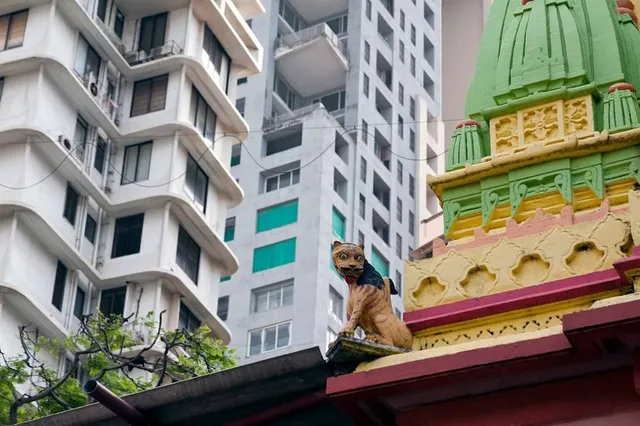
Shri Walkeshwar Temple, Mumbai
IndiaMaharashtraMumbaiShri Walkeshwar Temple, Mumbai

Basic Info

Shri Walkeshwar Temple, Mumbai

40, Banganga Cross Ln, Teen Batti, Malabar Hill, Mumbai, Maharashtra 400006, India
4.5(601)
Open 24 hours
Save
spot

Ratings & Description

Info

Walkeshwar Temple, also known as the Baan Ganga Temple, is a temple dedicated to Lord Shiva located in Walkeshwar, near Malabar Hill neighbourhood, in South Mumbai precinct of the city of Mumbai, India. It is situated at the highest point of the city, and close to the temple lies the Banganga Tank.

Cultural
Family friendly
Accessibility
attractions: Banganga Tank, Babu Amichand Panalal Adishwarji Jain Temple, restaurants: Vinod bhelpuri house, Dakshinayan, Krishna Chinese Fast Food Corner, Om Prakash Bhelpuri Center, Saraswati Hindu Hotel, Samosa Adda, Snack's Time, Sidhnath parotha house, Ramakant Hindu Hotel, Krishna Fast Food
logoLearn more insights from Wanderboat AI.

Plan your stay

hotel
Pet-friendly Hotels in Mumbai
Find a cozy hotel nearby and make it a full experience.

hotel
Affordable Hotels in Mumbai
Find a cozy hotel nearby and make it a full experience.

hotel
The Coolest Hotels You Haven't Heard Of (Yet)
Find a cozy hotel nearby and make it a full experience.

hotel
Trending Stays Worth the Hype in Mumbai
Find a cozy hotel nearby and make it a full experience.

Reviews

Nearby attractions of Shri Walkeshwar Temple, Mumbai

Banganga Tank

Babu Amichand Panalal Adishwarji Jain Temple

Banganga Tank

Banganga Tank

4.2

(2.3K)

Open 24 hours
Click for details
Babu Amichand Panalal Adishwarji Jain Temple

Babu Amichand Panalal Adishwarji Jain Temple

4.8

(905)

Open until 9:00 PM
Click for details

Things to do nearby

Paradox Museum - Mumbai
Mon, Dec 8 • 1:30 PM
Shreeniwas House, 27, H Somani Marg, Fort, Mumbai, 400001
View details
Dharavi Slum Tour
Dharavi Slum Tour
Mon, Dec 8 • 4:00 PM
Mumbai, Maharashtra, 400016, India
View details
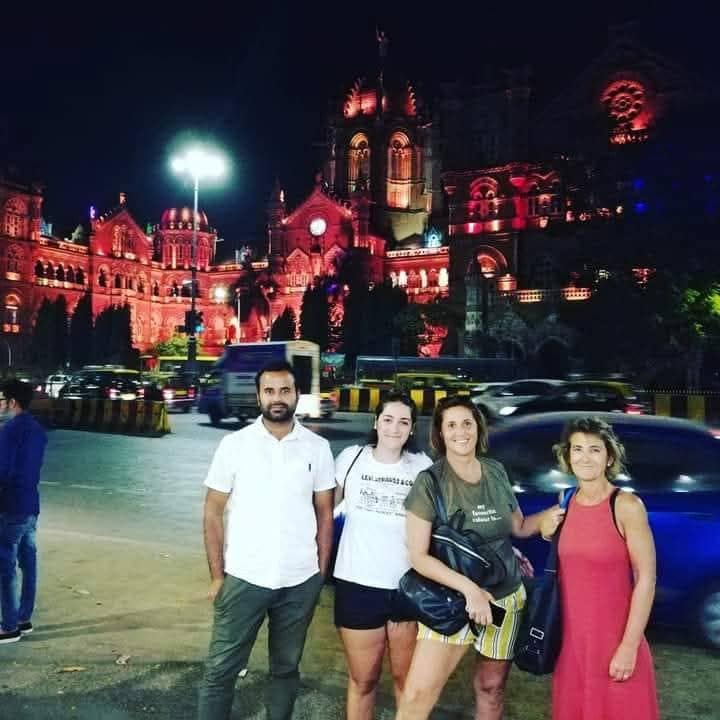
Mumbai as a Local City Tour by Aircon Car
Tue, Dec 9 • 8:00 AM
Mumbai, Maharashtra, 400001, India
View details
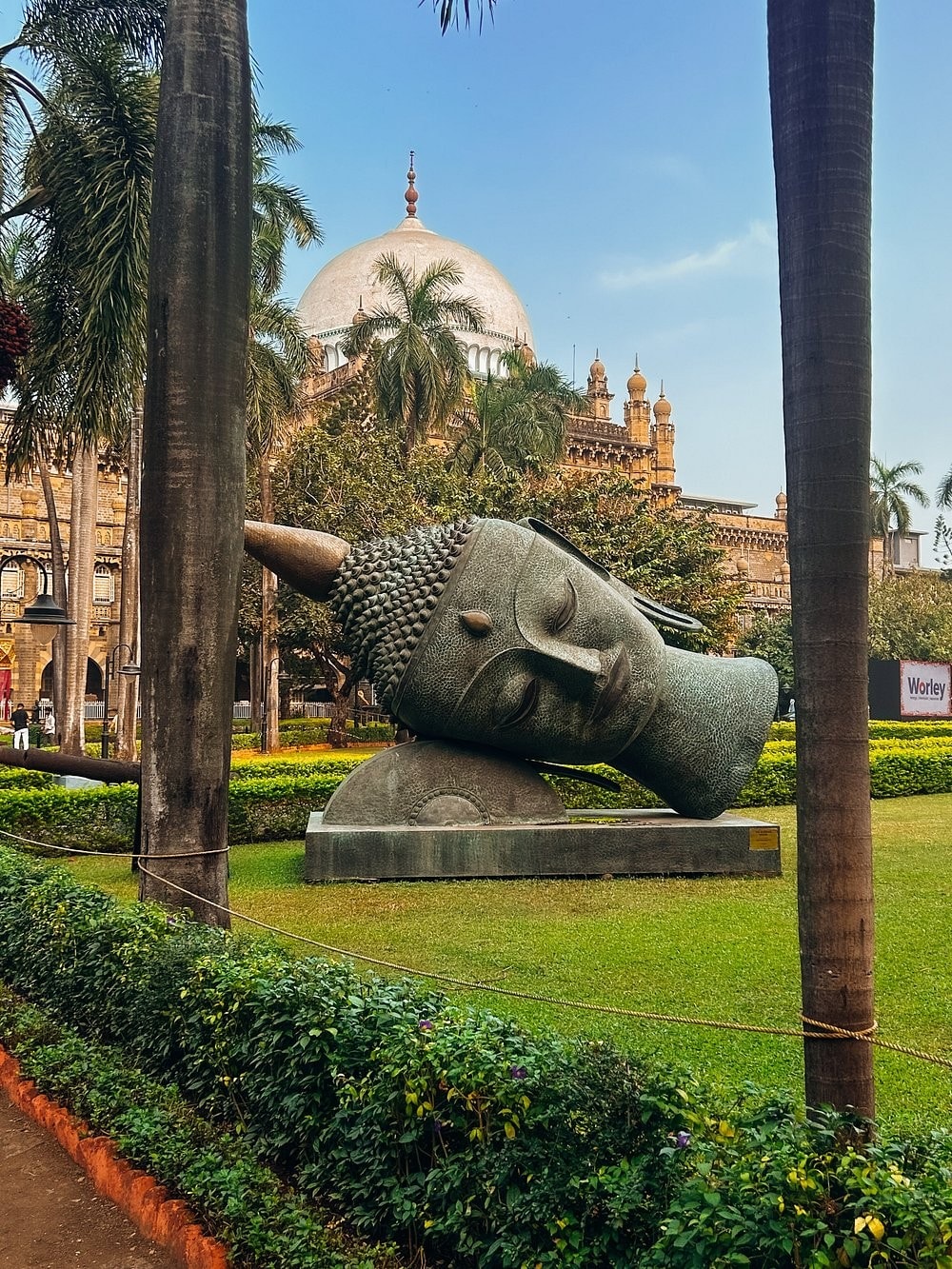
Nearby restaurants of Shri Walkeshwar Temple, Mumbai

Vinod bhelpuri house

Dakshinayan

Krishna Chinese Fast Food Corner

Om Prakash Bhelpuri Center

Saraswati Hindu Hotel

Samosa Adda

Snack's Time

Sidhnath parotha house

Ramakant Hindu Hotel

Krishna Fast Food

Vinod bhelpuri house

Vinod bhelpuri house

4.1

(52)

Click for details
Dakshinayan

Dakshinayan

4.3

(939)

Click for details
Krishna Chinese Fast Food Corner

Krishna Chinese Fast Food Corner

4.3

(5)

Click for details
Om Prakash Bhelpuri Center

Om Prakash Bhelpuri Center

4.0

(2)

Click for details
Get the Appoverlay
Get the AppOne tap to find yournext favorite spots!
Wanderboat LogoWanderboat

Your everyday Al companion for getaway ideas

CompanyAbout Us
InformationAI Trip PlannerSitemap
SocialXInstagramTiktokLinkedin
LegalTerms of ServicePrivacy Policy

Get the app

© 2025 Wanderboat. All rights reserved.
logo

Posts

Shanaaya DigwalShanaaya Digwal
Walkeshwar Temple, also known as the Baan Ganga Temple, is a temple dedicated to Lord Shiva located in Walkeshwar, near Malabar Hill neighbourhood, in South Mumbai precinct of the city of Mumbai, India. It is situated at the highest point of the city and close to the temple lies the Banganga Tank. Story: Legend has it that Hindu god,  Rama paused at that spot on his way from Ayodhya to Lanka in pursuit of the demon king, Ravana who had kidnapped his wife, Sita. Then Lord Rama was advised to worship Shiva lingam and he is said to have constructed the original linga of sand, after getting tired of waiting for his brother, Lakshman to bring an idol. The name is etymologically derived from the Sanskrit word for an idol made of sand -- Valuka Iswar, an Avatar of Shiva. As the story progresses, when Rama was thirsty, as there was no fresh water readily available (only sea water), he shot an arrow and brought Ganges over here. Hence Bana (arrow in Sanskrit) Ganges. The water that feeds the tank stems from an underground spring at that spot, despite its proximity to the sea. My review: One can easily reach there via local taxi. There is a lift to reach main temple too in case someone don't like to go by steps. Good place to sit in silence and peace, away from the world. The temple's architecture is a beautiful blend of traditional and modern styles, with a stunning white marble facade and a spacious prayer hall. The prayer hall houses the idol of Lord Shiva, which is beautifully adorned with flowers and jewelry. The temple also has a natural freshwater spring, which is believed to have healing powers. The water from the spring is used for the temple's various religious rituals and is considered to be sacred by the devotees. It is a testament to the city's rich cultural heritage and the devotion of its people to Lord Shiva. The temple's serene and peaceful atmosphere, along with its rich history and cultural offerings, make it a must-visit place for those interested in spirituality and Indian mythology.
Harshad JadhavHarshad Jadhav
The temple is dedicated to Lord Shiva, one of the most revered Hindu deities, and is considered to be one of the oldest temples in the city. The temple's architecture is a beautiful blend of traditional and modern styles, with a stunning white marble facade and a spacious prayer hall. The prayer hall houses the idol of Lord Shiva, which is beautifully adorned with flowers and jewelry. According to historical records, the temple was built in the 12th century by the Silhara kings, who ruled the region at the time. The temple was later renovated and restored by various rulers and philanthropists over the centuries, including the Maratha ruler, Baji Rao I. The temple's name is believed to have originated from the Sanskrit words "Valuka Ishwar," which means "Lord of Sand." According to legend, Lord Rama, the hero of the Hindu epic Ramayana, is said to have constructed a lingam (a symbol of Lord Shiva) out of sand at the site where the temple now stands. Lord Rama is believed to have worshipped this lingam during his exile in the forest. The temple also has a natural freshwater spring, which is believed to have healing powers. The water from the spring is used for the temple's various religious rituals and is considered to be sacred by the devotees. Walkeshwar Temple is not only a beautiful temple but also a significant historical and cultural landmark in Mumbai. It is a testament to the city's rich cultural heritage and the devotion of its people to Lord Shiva. The temple's serene and peaceful atmosphere, along with its rich history and cultural offerings, make it a must-visit place for those interested in spirituality and Indian mythology.
Pratham ShahPratham Shah
The Walkeshwar Temple is an ancient shrine located in Walkeshwar in the city of Mumbai. Situated on Walkeshwar Road, near Malabar Hill, the temple, also known as the Baan Ganga Temple, is dedicated to Lord Shiva. The original temple was destroyed by the Portuguese during their rule of Mumbai in the 16th century. It was rebuilt in 1715 by Rama Kamath, a Saraswat Brahmin and a prominent Mumbai businessman and philanthropist. Since then, the temple has undergone several reconstructions and is currently maintained by the Mumbai Municipal Corporation and prominent Saraswat families. The temple is particularly busy during full moon and no moon days. Historically, it was a favorite spot for Malabar pirates in the 16th and 17th centuries. Today, it is also known for hosting an annual Hindustani classical music festival, featuring renowned classical singers and musicians. According to legend, Lord Ram and his brother Lakshman stopped at this spot while searching for Sita. It is said that Lord Ram, waiting for his brother to bring a lingam for worship, created a lingam out of sand. The name "Walkeshwar" is derived from the Sanskrit term for an idol made of sand, "Valuka Iswar." Additionally, it is believed that Lord Ram brought the Ganga river to the area by shooting an arrow when he was thirsty. Another legend suggests that Parashuram, fired an arrow from the mainland, which led to the creation of the Banganga Tank. The freshwater tank was built in 1127 AD by Lakshman Prabhu, a minister in the court of the Silhara Dynasty Kings who ruled Thane and the islands of Mumbai during 810 to 1240 AD.
See more posts
See more posts
hotel
Find your stay

Pet-friendly Hotels in Mumbai

Find a cozy hotel nearby and make it a full experience.

Walkeshwar Temple, also known as the Baan Ganga Temple, is a temple dedicated to Lord Shiva located in Walkeshwar, near Malabar Hill neighbourhood, in South Mumbai precinct of the city of Mumbai, India. It is situated at the highest point of the city and close to the temple lies the Banganga Tank. Story: Legend has it that Hindu god,  Rama paused at that spot on his way from Ayodhya to Lanka in pursuit of the demon king, Ravana who had kidnapped his wife, Sita. Then Lord Rama was advised to worship Shiva lingam and he is said to have constructed the original linga of sand, after getting tired of waiting for his brother, Lakshman to bring an idol. The name is etymologically derived from the Sanskrit word for an idol made of sand -- Valuka Iswar, an Avatar of Shiva. As the story progresses, when Rama was thirsty, as there was no fresh water readily available (only sea water), he shot an arrow and brought Ganges over here. Hence Bana (arrow in Sanskrit) Ganges. The water that feeds the tank stems from an underground spring at that spot, despite its proximity to the sea. My review: One can easily reach there via local taxi. There is a lift to reach main temple too in case someone don't like to go by steps. Good place to sit in silence and peace, away from the world. The temple's architecture is a beautiful blend of traditional and modern styles, with a stunning white marble facade and a spacious prayer hall. The prayer hall houses the idol of Lord Shiva, which is beautifully adorned with flowers and jewelry. The temple also has a natural freshwater spring, which is believed to have healing powers. The water from the spring is used for the temple's various religious rituals and is considered to be sacred by the devotees. It is a testament to the city's rich cultural heritage and the devotion of its people to Lord Shiva. The temple's serene and peaceful atmosphere, along with its rich history and cultural offerings, make it a must-visit place for those interested in spirituality and Indian mythology.
Shanaaya Digwal

Shanaaya Digwal

hotel
Find your stay

Affordable Hotels in Mumbai

Find a cozy hotel nearby and make it a full experience.

Get the Appoverlay
Get the AppOne tap to find yournext favorite spots!
The temple is dedicated to Lord Shiva, one of the most revered Hindu deities, and is considered to be one of the oldest temples in the city. The temple's architecture is a beautiful blend of traditional and modern styles, with a stunning white marble facade and a spacious prayer hall. The prayer hall houses the idol of Lord Shiva, which is beautifully adorned with flowers and jewelry. According to historical records, the temple was built in the 12th century by the Silhara kings, who ruled the region at the time. The temple was later renovated and restored by various rulers and philanthropists over the centuries, including the Maratha ruler, Baji Rao I. The temple's name is believed to have originated from the Sanskrit words "Valuka Ishwar," which means "Lord of Sand." According to legend, Lord Rama, the hero of the Hindu epic Ramayana, is said to have constructed a lingam (a symbol of Lord Shiva) out of sand at the site where the temple now stands. Lord Rama is believed to have worshipped this lingam during his exile in the forest. The temple also has a natural freshwater spring, which is believed to have healing powers. The water from the spring is used for the temple's various religious rituals and is considered to be sacred by the devotees. Walkeshwar Temple is not only a beautiful temple but also a significant historical and cultural landmark in Mumbai. It is a testament to the city's rich cultural heritage and the devotion of its people to Lord Shiva. The temple's serene and peaceful atmosphere, along with its rich history and cultural offerings, make it a must-visit place for those interested in spirituality and Indian mythology.
Harshad Jadhav

Harshad Jadhav

hotel
Find your stay

The Coolest Hotels You Haven't Heard Of (Yet)

Find a cozy hotel nearby and make it a full experience.

hotel
Find your stay

Trending Stays Worth the Hype in Mumbai

Find a cozy hotel nearby and make it a full experience.

The Walkeshwar Temple is an ancient shrine located in Walkeshwar in the city of Mumbai. Situated on Walkeshwar Road, near Malabar Hill, the temple, also known as the Baan Ganga Temple, is dedicated to Lord Shiva. The original temple was destroyed by the Portuguese during their rule of Mumbai in the 16th century. It was rebuilt in 1715 by Rama Kamath, a Saraswat Brahmin and a prominent Mumbai businessman and philanthropist. Since then, the temple has undergone several reconstructions and is currently maintained by the Mumbai Municipal Corporation and prominent Saraswat families. The temple is particularly busy during full moon and no moon days. Historically, it was a favorite spot for Malabar pirates in the 16th and 17th centuries. Today, it is also known for hosting an annual Hindustani classical music festival, featuring renowned classical singers and musicians. According to legend, Lord Ram and his brother Lakshman stopped at this spot while searching for Sita. It is said that Lord Ram, waiting for his brother to bring a lingam for worship, created a lingam out of sand. The name "Walkeshwar" is derived from the Sanskrit term for an idol made of sand, "Valuka Iswar." Additionally, it is believed that Lord Ram brought the Ganga river to the area by shooting an arrow when he was thirsty. Another legend suggests that Parashuram, fired an arrow from the mainland, which led to the creation of the Banganga Tank. The freshwater tank was built in 1127 AD by Lakshman Prabhu, a minister in the court of the Silhara Dynasty Kings who ruled Thane and the islands of Mumbai during 810 to 1240 AD.
Pratham Shah

Pratham Shah

See more posts
See more posts

Reviews of Shri Walkeshwar Temple, Mumbai

4.5
(601)
avatar
5.0
7y

Walkeshwar Temple, also known as the Baan Ganga Temple, is a temple dedicated to the Hindu god, Shiva located in Walkeshwar, near Malabar Hill neighbourhood, in South Mumbai precinct of the city of Mumbai, India. It is situated at the highest point of the city,[1] and close to the temple lies the Banganga Tank.

Legend Legend has it that Hindu god, Rama paused at that spot on his way from Ayodhya to Lanka in pursuit of the demon king, Ravana who had kidnapped his wife, Sita. Then Lord Rama was advised to worship Shiva lingam and he is said to have constructed the original linga of sand, after getting tired of waiting for his brother, Lakshman to bring an idol. The name is etymologically derived from the Sanskrit word for an idol made of sand -- Valuka Iswar, an Avatar of Shiva.

As the story progresses, lwhen Rama was thirsty, as there was no fresh water readily available (only sea water), he shot an arrow and brought Ganges over here. Hence Bana (arrow in Sanskrit) Ganges. The water that feeds the tank stems from an underground spring at that spot, despite its proximity to the sea.

History The temple and the attached fresh water Banganga Tank were built in 1127 AD by Lakshman Prabhu, a Gaud Saraswat Brahmin minister in the court of Silhara dynasty Kings who ruled Thane, and the islands of Mumbai during 810 to 1240 AD. The temple was destroyed by the Portuguese during their reign over Mumbai (Portuguese Bom Bahia) in the 16th century. It was rebuilt due to the generosity of Mumbai businessman and philanthropist, Rama Kamath, another Gaud Saraswat Brahmin (known in British records as 'Kamati') in 1715. The main temple has been substantially reconstructed and many smaller temples have come up around the Banganga Tank. By 1860, the temple started attracting greater crowds and 10 to 20 other temples had come up around it and 50 dharamshalas.[2]

Even today the temple itself and much of the property in the complex belongs to the Gaud Saraswat Brahmin Temple Trust.

Worship The temple is generally busy every month only during the full moon, and at Amavasya (new moon). In the past, it was a favorite of the Malabar pirates who used to frequent the islands during the 16th and 17th centuries.

It is currently the site of an annual Hindustani classical music festival, which in 2005 featured musicians like classical singers Rajan and Sajan Mishra, and Santoor maestro Shivkumar Sharma. Branches of Shri Kavle Math and Shri Kashi Math, famous religious seats of Gaud Saraswat Brahmins, are located on the northern and western banks of the tank,...

   Read more
avatar
5.0
2y

Walkeshwar Temple, also known as the Baan Ganga Temple, is a temple dedicated to Lord Shiva located in Walkeshwar, near Malabar Hill neighbourhood, in South Mumbai precinct of the city of Mumbai, India. It is situated at the highest point of the city and close to the temple lies the Banganga Tank.

Story:

Legend has it that Hindu god,  Rama paused at that spot on his way from Ayodhya to Lanka in pursuit of the demon king, Ravana who had kidnapped his wife, Sita. Then Lord Rama was advised to worship Shiva lingam and he is said to have constructed the original linga of sand, after getting tired of waiting for his brother, Lakshman to bring an idol. The name is etymologically derived from the Sanskrit word for an idol made of sand -- Valuka Iswar, an Avatar of Shiva.

As the story progresses, when Rama was thirsty, as there was no fresh water readily available (only sea water), he shot an arrow and brought Ganges over here. Hence Bana (arrow in Sanskrit) Ganges. The water that feeds the tank stems from an underground spring at that spot, despite its proximity to the sea.

My review:

One can easily reach there via local taxi. There is a lift to reach main temple too in case someone don't like to go by steps. Good place to sit in silence and peace, away from the world.

The temple's architecture is a beautiful blend of traditional and modern styles, with a stunning white marble facade and a spacious prayer hall. The prayer hall houses the idol of Lord Shiva, which is beautifully adorned with flowers and jewelry. The temple also has a natural freshwater spring, which is believed to have healing powers. The water from the spring is used for the temple's various religious rituals and is considered to be sacred by the devotees.

It is a testament to the city's rich cultural heritage and the devotion of its people to Lord Shiva. The temple's serene and peaceful atmosphere, along with its rich history and cultural offerings, make it a must-visit place for those interested in spirituality and...

   Read more
avatar
5.0
35w

Shri Walkeshwar Temple in Mumbai is a sacred gem that beautifully blends history, devotion, and tranquility. Nestled atop the serene Walkeshwar Hill in the bustling city, this revered temple offers a spiritual retreat that transports visitors to an era of profound faith and architectural excellence.

Dedicated to Lord Shiva, Shri Walkeshwar Temple is believed to be one of the oldest temples in Mumbai, with its origins linked to the legend of Lord Rama. According to mythology, Lord Rama stopped at this very location during his journey to Lanka and created a Shivling out of sand—hence the name ‘Walkeshwar,’ which means ‘Lord of Sand.’ This fascinating legend adds to the temple’s mystical aura, attracting devotees and history enthusiasts alike.

The temple complex is a haven of peace amidst the fast-paced energy of Mumbai. The moment you step inside, the soothing chants, the scent of incense, and the divine ambiance envelop you in a comforting embrace. The temple’s architectural beauty is complemented by intricate carvings, a sacred pond nearby known as Banganga Tank, and the overall serenity that makes it a perfect place for prayer, meditation, and reflection.

Shri Walkeshwar Temple holds immense significance, especially during Maha Shivratri, when devotees gather to offer prayers and immerse themselves in divine celebrations. The energy, devotion, and spiritual atmosphere during this time are truly mesmerizing. Even outside of festival days, the temple remains a cherished place where one can connect with spirituality and seek blessings from Lord Shiva.

Despite being located in a metropolis, the temple maintains an old-world charm that invites visitors to step away from their routine and experience something deeply divine. Whether you are a pilgrim, a lover of history, or simply someone looking for a peaceful escape, Shri Walkeshwar Temple is a destination that leaves a lasting impression on the soul. A must-visit for those seeking spiritual solace and a touch of Mumbai’s...

   Read more
Page 1 of 7
Previous
Next