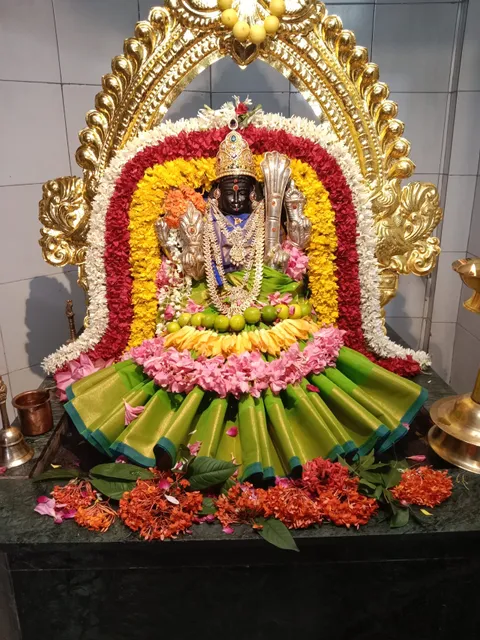
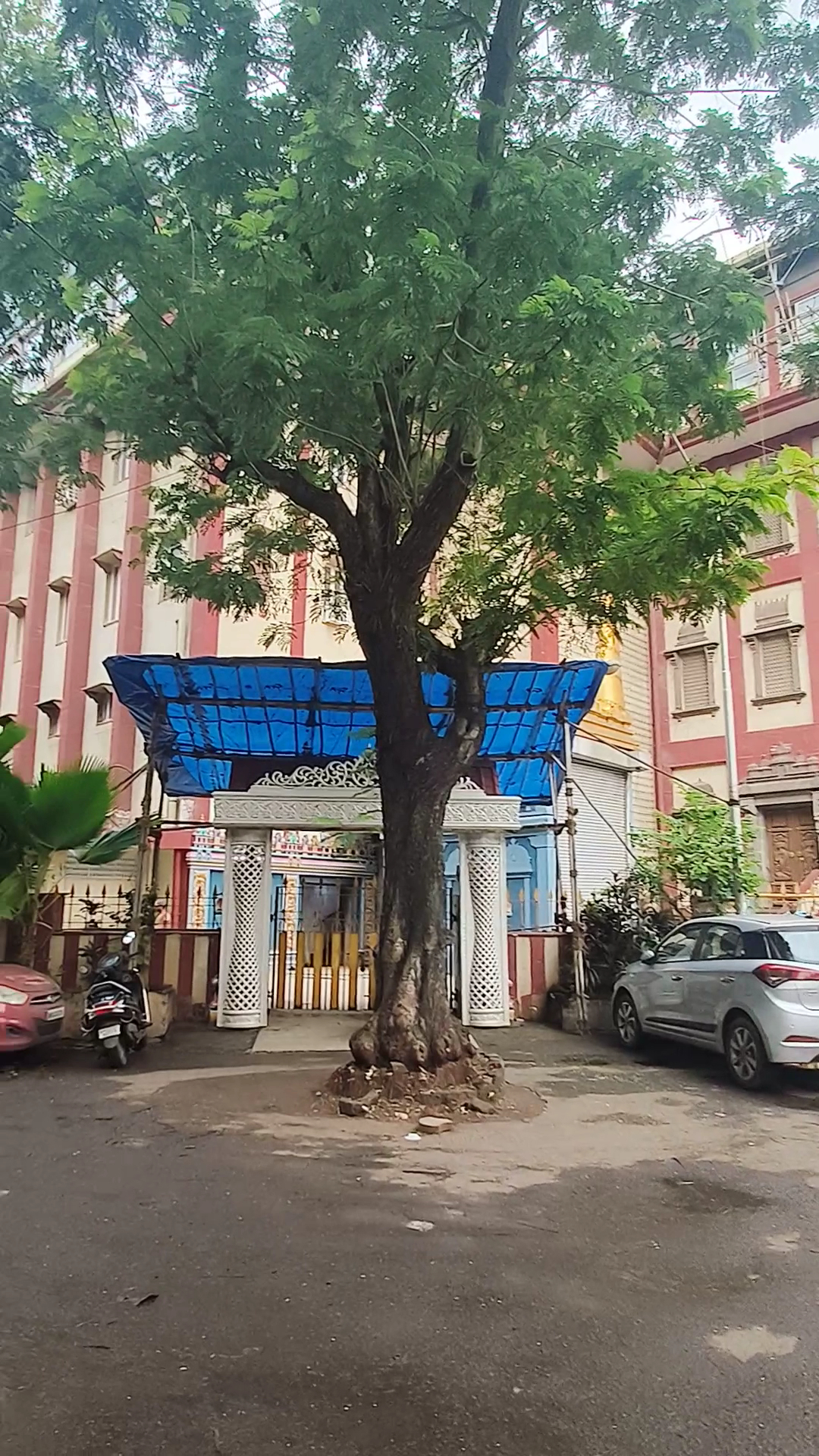
The Murugan Temple, is a significant religious site dedicated to Lord Murugan, also known as Kartikeya or Subramanya, who is widely revered in South India. The temple is a focal point for devotees and a hub of religious and cultural activities.
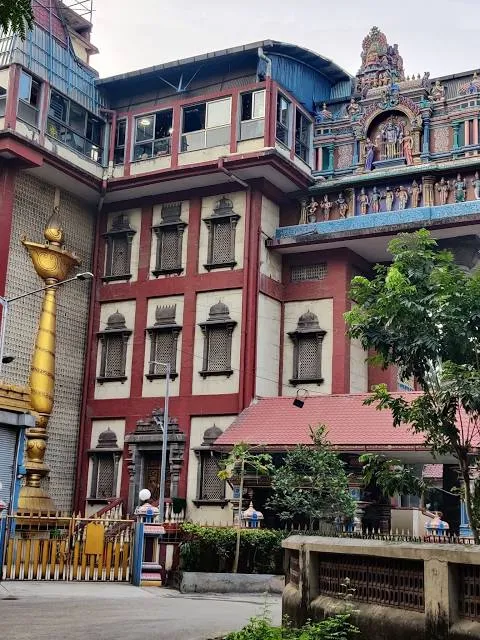
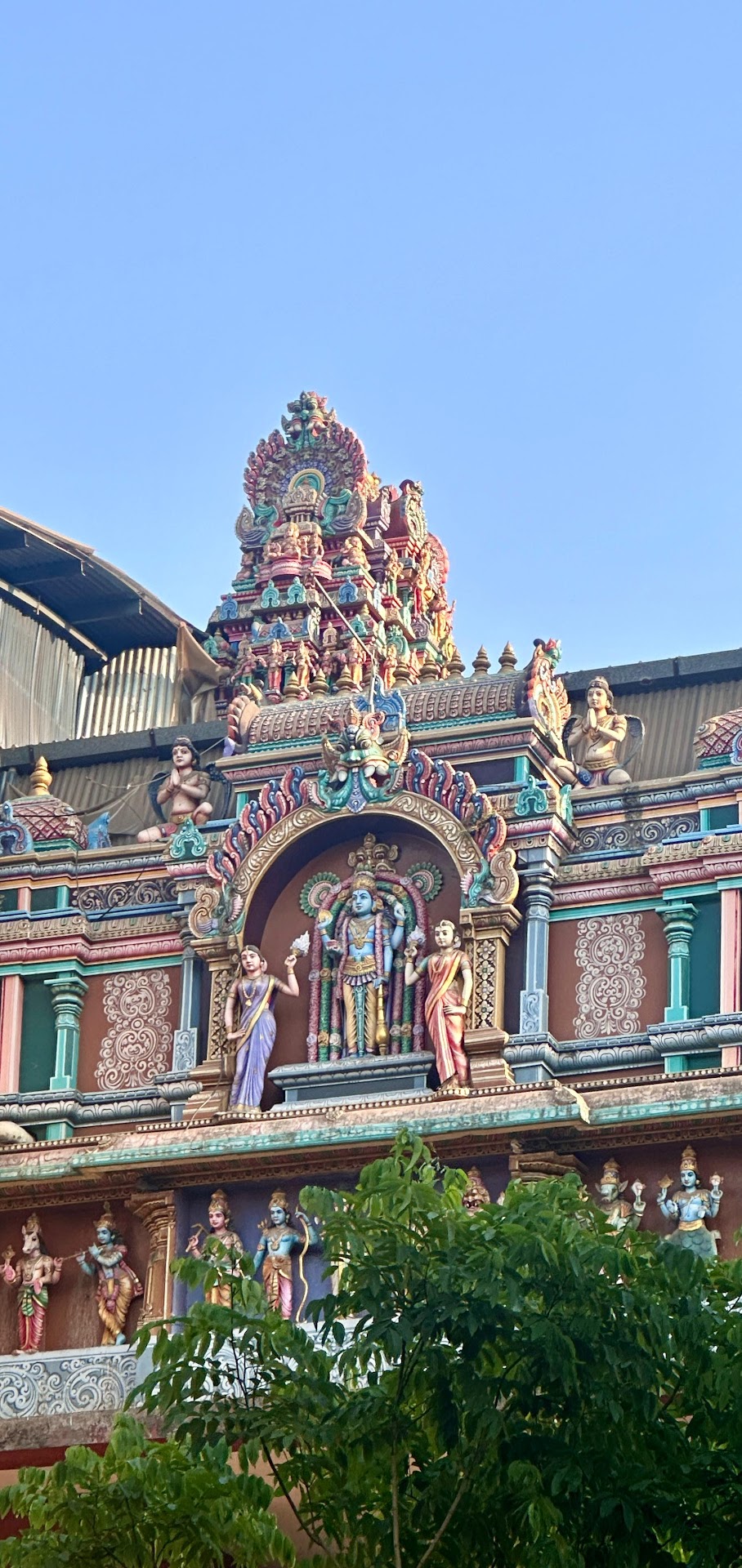
Architecture and Atmosphere: The temple's architecture is characterized by traditional South Indian temple design, featuring a gopuram (tower) adorned with intricate carvings and vibrant depictions of deities and mythological scenes. The sanctum sanctorum houses the main deity, Lord Murugan, depicted with his spear (vel) and peacock, symbolizing his valor and wisdom. The temple grounds are well-maintained, offering a peaceful and serene environment for worship.
Religious Activities: The Thiruchembur Murugan Temple conducts daily rituals, including morning and evening aratis (ceremonial prayers), abhishekams (ritual bathing of the deity), and special pujas on auspicious days. The temple is particularly vibrant during festivals such as Thaipusam, Skanda Shashti, Panguni Uthiram, and Thai Poosam, drawing large crowds of devotees who participate in the elaborate ceremonies and processions.
Festivals and Celebrations: During major festivals, the temple comes alive with elaborate decorations, special prayers, music, and dance performances. The Skanda Shashti festival, celebrating Lord Murugan's victory over the demon Surapadman, is a highlight, featuring dramatic reenactments and devotional activities over six days. Thaipusam is another significant event, marked by penance and offerings from devotees.
Community Involvement: The temple plays a vital role in the local community by hosting cultural programs, religious discourses, and educational activities. These events foster a sense of community and provide a platform for preserving and promoting South Indian cultural and spiritual traditions. The temple also engages in charitable activities, including annadanam (free meal distribution) to the needy.
Facilities: The Thiruchembur Murugan Temple offers various facilities for devotees, including a clean and well-organized prayer hall, a library with religious texts, and spaces for meditation and reflection. There is ample parking space for visitors, and the temple staff are known for their hospitality and helpfulness.
Accessibility: Situated in the bustling area of Chembur, the temple is easily accessible by public transportation, including buses and trains. Its central location makes it convenient for both local residents and visitors from other parts of Mumbai to visit and seek blessings.
Overall, the Thiruchembur Murugan Temple is a cherished spiritual center that embodies the rich cultural and religious heritage of South India. It offers a place of worship, community, and tranquility for...
Read moreThiruchembur Murugan Temple's location is a paradox: it is in a quiet neighbourhood (Chheda Nagar) in Chembur and yet right off the Eastern Express Highway. That makes it easily accessible while establishing a tranquil air almost immediately on arrival. As a result, parking is easily found in informal spaces.
The temple is meant echo one aspect of some of the hallowed Murugan Temples in Tamil Nadu. It is a tall structure that involves climbing close to 100 steps to reach what is effectively the third floor to get to the sanctum sanctorum. In fact, the overall area of the compound in which the temple is ensconced is low in comparison to what you'd expect from a temple. Together, these two dimensions make Thiruchembur Murugan a distinctly Mumbai structure: tall and compact.
The temple is 30 years old at the time of writing this review. The path to the top is marked by many wall sculptures that depict scenes from the story of Murugan or Subramanian. This makes it an engaging climb. The sculptures could have done with a more aesthetic approach though. The flights of stairs until the last one are laid out in a manner that make it eminently doable for the elderly as my aged father in law remarked. The last set of stairs to the sanctum sanctorum at the top are steeper than the rest but still perfectly doable. There is also the option of an elevator.
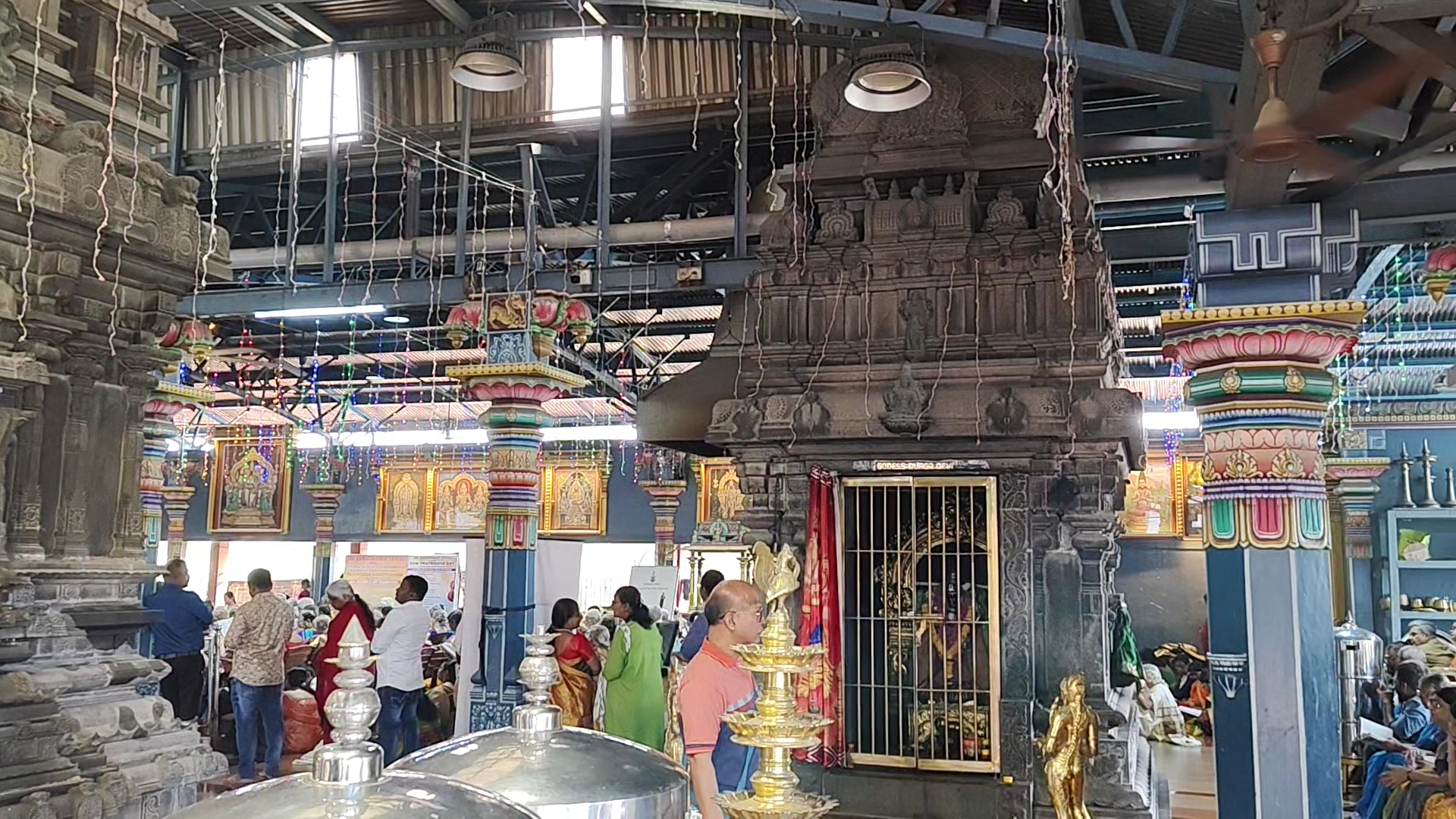
At the top, what awaits the visitor is a mix of subcultures from South India, lifted and planted in Mumbai. There are various shrines including the one dedicated to the chief deity Murugan accompanied by his two consorts Valli and Devayani. There is a larger space for music and dance performances, and group recitals. In the air, a melange of smells including burning camphor, vibhudhi, and lit lamps lend the atmosphere a sense of earthy, rooted quietude and calm which is another paradox. I suppose it is an acquired taste because I can imagine the uninitiated coming here and experiencing anything but serenity here. For those who know the feeling, it is a whiff of something that has become a part of one's experience palette. For others, I suspect it still offers value by way of novelty.
To this atmosphere, add the resident Chembur personae: Tamil and Malayali devotees of all kinds but united in their full-throated recitals of shlokas, some morning hues and I think the picture is complete. A typically vigorous Rudram Chamakam by a group of men was the highlight for me.
We lingered for a good hour and a half to savour this atmosphere and came away, energized yet calm, perhaps the final paradox...
Read moreThe Thiruchembur Murugan Temple in Chembur, Mumbai, is a vibrant and spiritually enriching place of worship dedicated to Lord Murugan. Established in the mid-1940s, the temple has become a cultural and spiritual hub for devotees, especially from the South Indian community in Mumbai. The temple's serene ambiance, coupled with its rich heritage, makes it a must-visit for those seeking peace and devotion.
The temple is beautifully designed in traditional South Indian architectural style, featuring intricate carvings and vibrant colors. The main deity, Lord Murugan, is accompanied by Goddess Valli and Goddess Devasena, and the sanctum radiates a powerful spiritual energy. The priests perform regular pujas with great dedication, and the temple is particularly lively during festivals like Thaipusam, Panguni Uthiram, and Skanda Sashti.
What sets this temple apart is its role as a cultural center. The temple hosts various South Indian cultural activities, including classical music and dance performances, bhajans, and traditional rituals that draw large crowds. These events not only enhance the temple's spiritual significance but also keep South Indian traditions alive in Mumbai. The temple also organizes community gatherings and special events, making it a happening place for devotees to connect and celebrate their heritage.
The temple is well-maintained, and the atmosphere is peaceful despite being located in the bustling area of Chembur. The surrounding area is clean, and the management ensures a smooth flow of visitors, even during peak times. The operating hours from 6:00 AM to 11:00 AM and 5:00 PM to 8:30 PM accommodate a steady stream of devotees throughout the day.
Overall, the Thiruchembur Murugan Temple is not just a place of worship but a hub of cultural and spiritual activities that resonate deeply with the South Indian community and others alike. It’s a haven of peace, devotion, and tradition amidst the busy city...
Read more