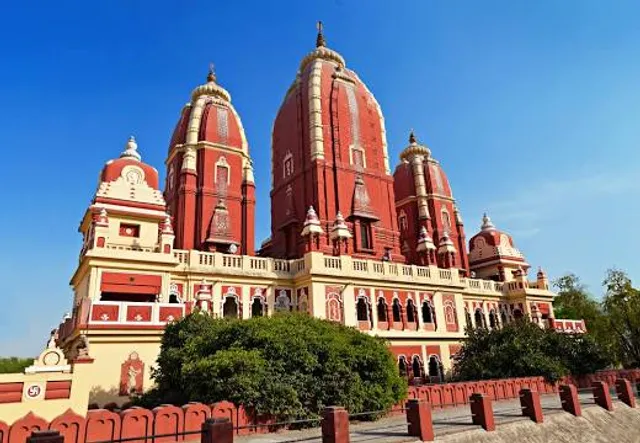
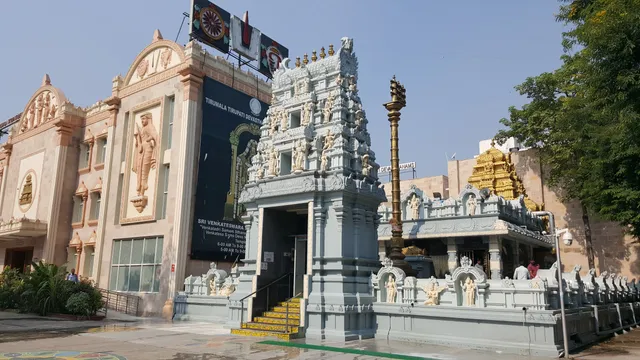
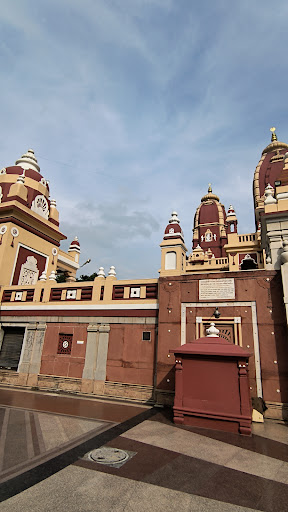
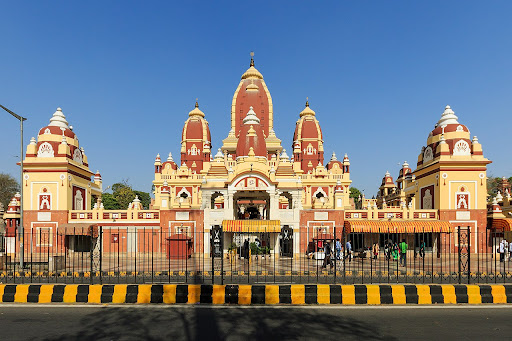
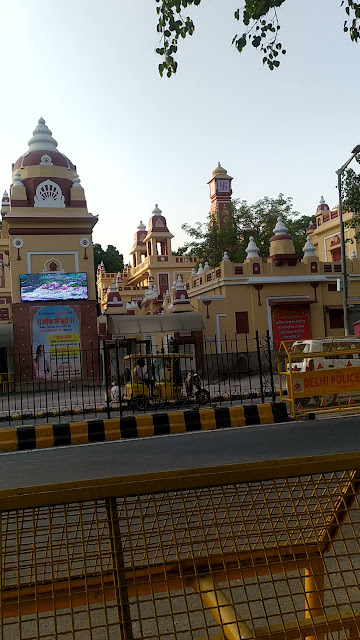
Overview Laxmi Narayan Mandir, popularly known as Birla Mandir, is a prominent Hindu temple located in New Delhi. It is dedicated to Laxminarayan (Lord Vishnu and his consort, Goddess Lakshmi). As the name "Birla Mandir" suggests, it was built by the industrialist and philanthropist Birla family. It's a significant landmark in Delhi, known for its grand scale, beautiful architecture, and peaceful environment. Historical Significance The temple's history is particularly notable. Its construction began in 1933 and it was inaugurated in 1939 by Mahatma Gandhi. Gandhi's involvement came with a specific condition: the temple would be open to people of all castes and creeds, a revolutionary concept at the time. This act of spiritual unity and equality is a core part of the temple's legacy and a testament to Gandhi's principles. It was the first large-scale Hindu temple built in Delhi and set the precedent for a series of similar temples constructed by the Birlas across India. Architecture and Layout The architecture of Laxmi Narayan Mandir is a beautiful fusion of traditional and modern Indian styles. It's built in the Nagara style of Hindu temple architecture, with a towering shikhara (spire) that reaches a height of about 160 feet. The entire complex spans over 7.5 acres and is a visual delight. Key architectural and design elements include: Materials: The temple is constructed primarily from white marble and red sandstone, giving it a majestic appearance. The main deities' icons are carved from high-quality Jaipur marble. Carvings and Murals: The walls and pillars are adorned with intricate carvings and fresco paintings that depict scenes from Hindu mythology, the Upanishads, and the Bhagavad Gita. Shrines: While the main temple is dedicated to Laxminarayan, the complex also houses smaller shrines for other deities, including Shiva, Ganesha, Hanuman, and even a shrine dedicated to Lord Buddha. This inclusion of a Buddha shrine is a unique feature that underscores the temple's inclusive philosophy. Gardens and Water Features: The temple is surrounded by lush, well-manicured gardens with fountains, waterfalls, and sculptures that create a serene and tranquil atmosphere. A large Geeta Bhavan is also located on the premises, used for discourses and religious events. Visitor Experience and Review Laxmi Narayan Mandir is a popular destination for both devotees and tourists. Visitors often praise the temple for its serene atmosphere and architectural beauty. Peace and Tranquility: Despite its location in the bustling capital, the temple complex offers a sense of calm and spiritual solace. Many visitors appreciate the quiet, reflective environment. Cleanliness and Maintenance: The premises are impeccably clean and well-maintained. Artistic Merit: The intricate carvings, sculptures, and murals are a major draw for art and architecture enthusiasts. Overall Experience: The temple is a must-visit for anyone interested in Hindu culture, history, or architecture. It is especially crowded during major Hindu festivals like Janmashtami and Diwali, which are celebrated with great fervor. While photography is often restricted inside the main temple, visitors are free to explore and admire the beauty of the surrounding gardens and smaller shrines. The ease of access and free entry make it a great place to visit for a peaceful retreat...
Read moreThe Birla Mandir, also known as Laxminarayan Temple, is one of the most beautiful and spiritually uplifting places to visit in Delhi. Located near Connaught Place, it is not just a religious site but also a cultural landmark that attracts devotees, tourists, and history enthusiasts alike. My visit here was a serene and memorable experience, and I would highly recommend it to anyone looking to explore the spiritual side of Delhi.
The location is central and very easy to reach. Whether you’re traveling by metro, car, or cab, access is convenient. Parking is available near the temple complex, and the surroundings are usually well managed by security personnel. The entrance itself feels welcoming, with intricately carved arches and a sense of calm that immediately sets in as you step inside.
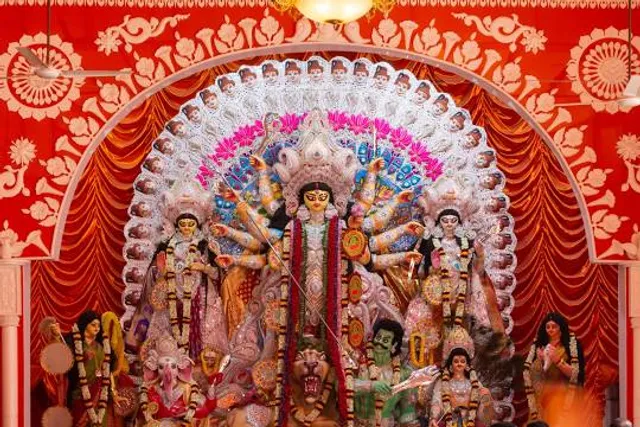
The architecture and design of the temple are truly breathtaking. Built in the 1930s by the Birla family and inaugurated by Mahatma Gandhi, it is a perfect blend of traditional Hindu temple style with a touch of modernity. The red sandstone and marble structure stands tall and graceful, with detailed carvings, statues, and artistic motifs adorning the walls. The temple is dedicated primarily to Lord Vishnu (Laxminarayan) but also has shrines dedicated to other deities like Lord Shiva, Lord Ganesha, and Goddess Durga. Each shrine is beautifully crafted and offers a peaceful space for prayer and reflection.
One of the highlights of my visit was the spiritual atmosphere. Despite being located in the heart of the city, the temple grounds are calm and serene. Devotional chants, the fragrance of incense, and the soft ringing of temple bells create an environment of deep peace. Whether you are a devotee offering prayers or a tourist simply soaking in the ambience, the experience is enriching.
The gardens and surroundings of the temple add to its charm. The complex is spread over a large area, with neatly maintained lawns, fountains, and flowerbeds. It is a delight to walk around, especially in the evenings when the temple is beautifully lit. Families often sit in the gardens, children play around, and the overall atmosphere is both devotional and welcoming.
Another aspect I appreciated is the discipline and cleanliness maintained here. The temple authorities ensure that footwear is deposited properly, the interiors remain clean, and visitors respect the sanctity of the place. Security checks are thorough but well managed, so safety never feels like a concern.
Photography inside the temple is restricted, which I feel is a good rule as it helps maintain the sacredness of the place. However, visitors can capture the beauty of the outer structure and gardens, which are equally photogenic.
The temple is also known for its festive celebrations. During Janmashtami, Diwali, and other major festivals, the atmosphere becomes even more vibrant, with decorations, lights, and a surge of devotees. It is a sight worth witnessing if you happen to be in Delhi during festival time.
In summary, the Birla Mandir (Laxminarayan Temple) is more than just a temple – it is a peaceful retreat, a masterpiece of architecture, and a symbol of Delhi’s cultural and spiritual richness. Whether you are religious or not, visiting this temple gives you a sense of...
Read moreAs our lovely India is highly full of Spiritual Love of all people and of so many diversified religion cultures etc. in our country so me as well. Every year i visit this beautiful crafted and architectured temple to help maintain mind calmness, feeding happiness to inner mental strength and i feel positive vibes in whole body after visit of temple. So this temple is named LaxmiNarayan temple and also known as Birla Mandir.
Location: a) This temple is Located in New Delhi capital of India. Its Geographic coordinates are 28°37′58″N 77°11′56″E. b) The temple is located on the Mandir Marg, situated west of the Connaught Place in New Delhi. The temple is easily accessible from the city by local buses, taxis and auto-rickshaws. The nearest Delhi Metro station is R. K. Ashram Marg metro station, located about 2 km away. Also on the same road lies the New Delhi Kalibari.
Laxminarayan usually refers to Vishnu, Preserver in the Trimurti, also known as Narayan, when he is with his consort Lakshmi. The temple, inaugurated by Mahatma Gandhi, was built by Jugal Kishore Birla[1] from 1933 and 1939. Other worshipped hindu idols/statues as people may pronounce in their different terms are present here of so many Hindu worshipped and cultured deities/gods like a. Lord Bholenathji i.e. Shivji/Neelkanth/ Mahadevji, b. Lord Ganesh ji / Gajanan/ Mushk devta. c. Maata Shero wali/Shero wali Maa d. Lord Shri Ram Chandra Ji / Adipurusha: Primordial being. And Ram Darbar including Lord Ram's family. e. Lord Krishna bhagwaan Ji/ Kanha ji/ Sudarshan Charkra dhari. f. Lord Hanuman Ji/ Pawan putra ji/ Ramdoot ji. And so many different hindu gods with sculptures and writings of renowned rishiz/ muniz./ Hindu saints. The side temples are dedicated to Shiva, Krishna and Buddha.
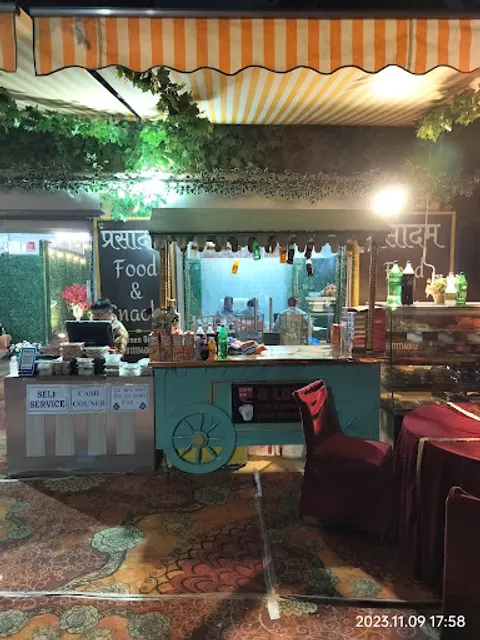
Architecture Type of temple: Nagara style of Hindu temple architecture Creator :Baldeo Das Birla Completed in : 1939 It was the first large Hindu temple built in Delhi. The temple is spread over 3 hectares (7.5 acres), adorned with many shrines, fountains, and a large garden with Hindu and Nationalistic sculptures, and also houses Geeta Bhawan for discourses. The temple is one of the major attractions of Delhi and attracts thousands of devotees on the festivals of Janmashtami and Diwali. Mobiles i.em cell phones, metals, camera equipped instruments, shoes etc are some sort of items not allowed within temple premises. All kind of these items are needed to be deposited at token counters which is free service. Well spaced Parking facility is available here costing/charged @ ₹20 i.e. 20rupees Per vehicle. 9.Also canteen facilities available here for tea, snacks cold drinks etc. A snatan dharmshala i.em trusty stay house is available here within temple premises where needy people resides here. Although i came here since very long from my childhood stage. An interesting point i got to know in recent year that different hindu communities people came here to find groom and brides with the help available trust facilities through their...
Read more