Superb jain temple with dharmashala & bhojanshala SHRI KATRAJ TIRTH
Jainism is an ancient religion of India that teaches that the way to liberation and bliss is to live a life of harmlessness and renunciation. The aim of Jain life is to achieve liberation of the soul. Like Hinduism, Jainism is an old religion , taking its roots from the former. There are archaeological evidences that suggest that Jainism existed across ancient India, including the southern most states Tamil Nadu and Kerala centuries ago.
The city of Pune has people following different faiths. There used to be a large Jewish community here in the colonial days and after the formation of Israel, most of them migrated to that country. There are a few Jewish synagogues in Pune and other places. As for Jains, basically a business community, there are superb Jain temples across India and a visit to such places of veneration will help you wake up from the slumber and improve your spiritual well being which is essential for modern living. Katraj Jain Mandir, also known by Aagam Mandir (temple), is on a small hill near Poona on the Satara-Pune high way and is visited by lots of tourists.
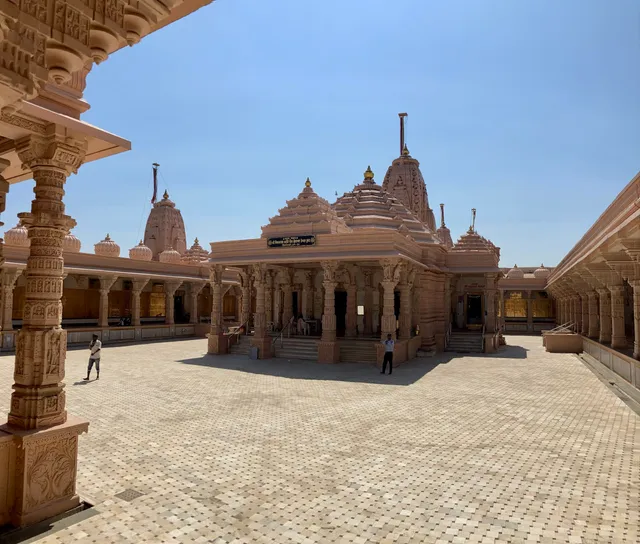
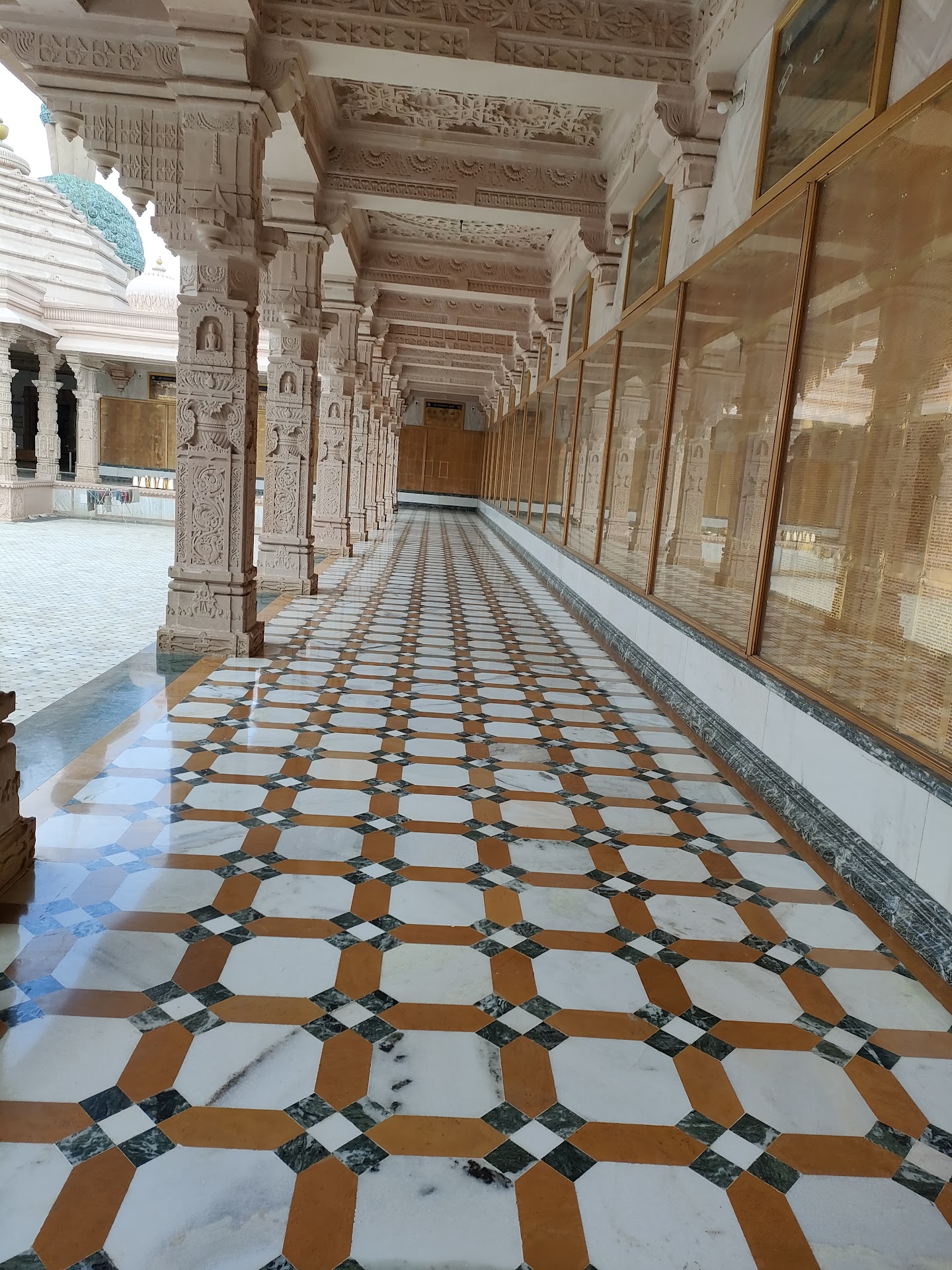
Katraj Jain Temple: Appearance is deceptive and this temple may look simple from out side, but it is a big and beautifully built place of worship with artistically decorated floors, walls and ceilings. There are many small shrines dedicated to various Jain Gods. This temple is highly artistic like other Jain temples and the carvings and workmanship outside and inside the temple bring out the extraordinary skills of artisans. There are huge metal idols (normally an alloy of five metals) of Bhagwan Mahaveer, Bhagwan Parshwnath
Katraj Jain Mandir, Pune and goddess Padmavati. There is a shrine for Bhagwan Mahaveer - a golden shaded idol in sitting position (Padmasan posture) made of panch-dhatu weighing 5000 kg and 12 ft tall, The Idol of Parshwnath (also made of five metals), that weighs 3000 kgs and 8 feet tall, is enshrined in a background carved in gold and silver, depicting various life cycles. On the shining walls of this well-kept temple are ancient scriptures written in Pali and Prakrit languages, commonly one will see in Hindu temples as well. Many of them are mantras or shostras normally used while praying.
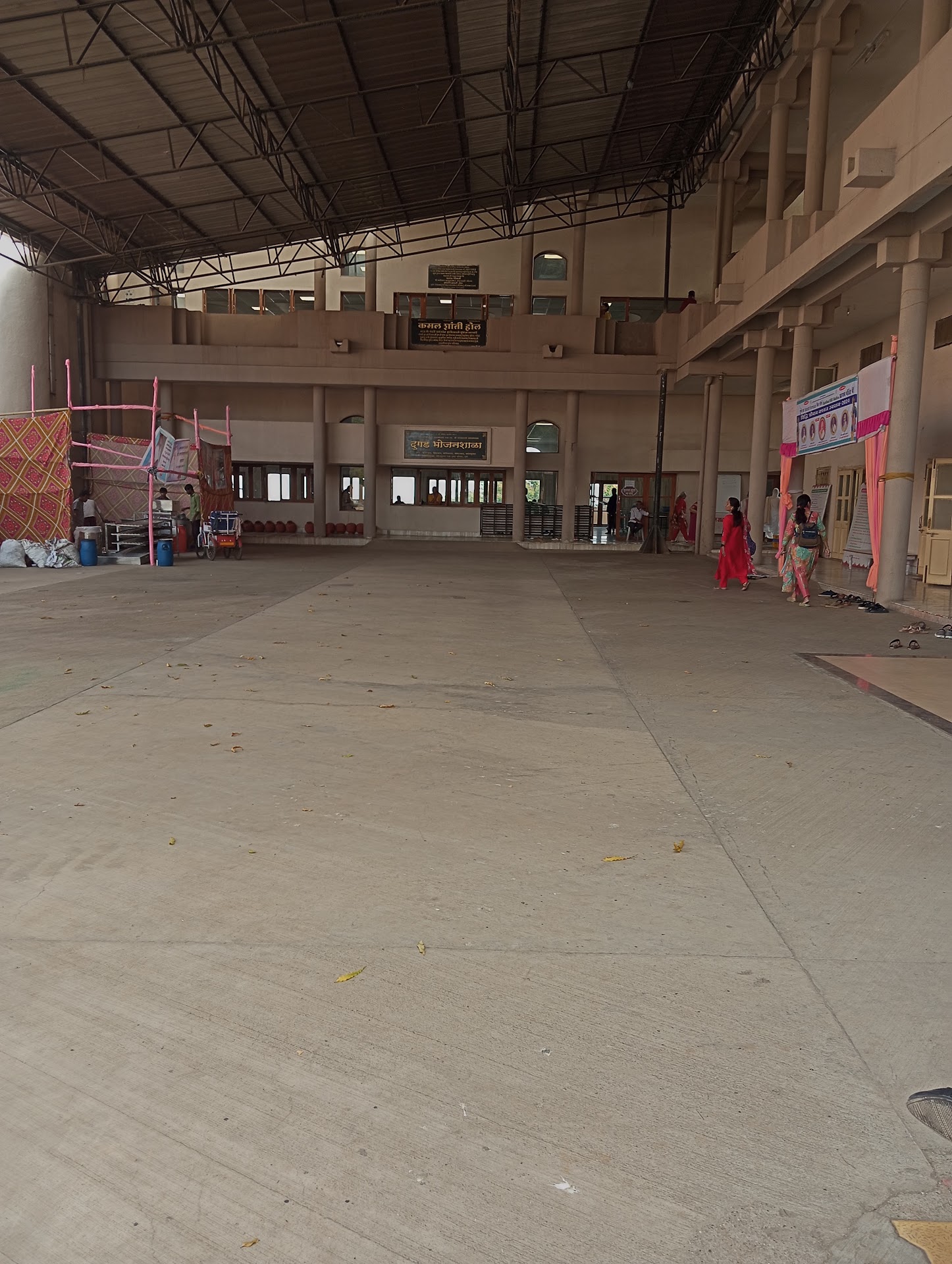
Devotees entering the temple ought to follow certain strict regulations. Normally people are requested to avoid wearing any thing made of leather, including waist belt, no indecent dress, no black color dress and no gossiping inside the temple. There is a Bhojanasala where food is available. Sometime a nominal fee is charged for the food. Jains, being orthodox, are strict vegetarians, hence only vegetarian food is available.
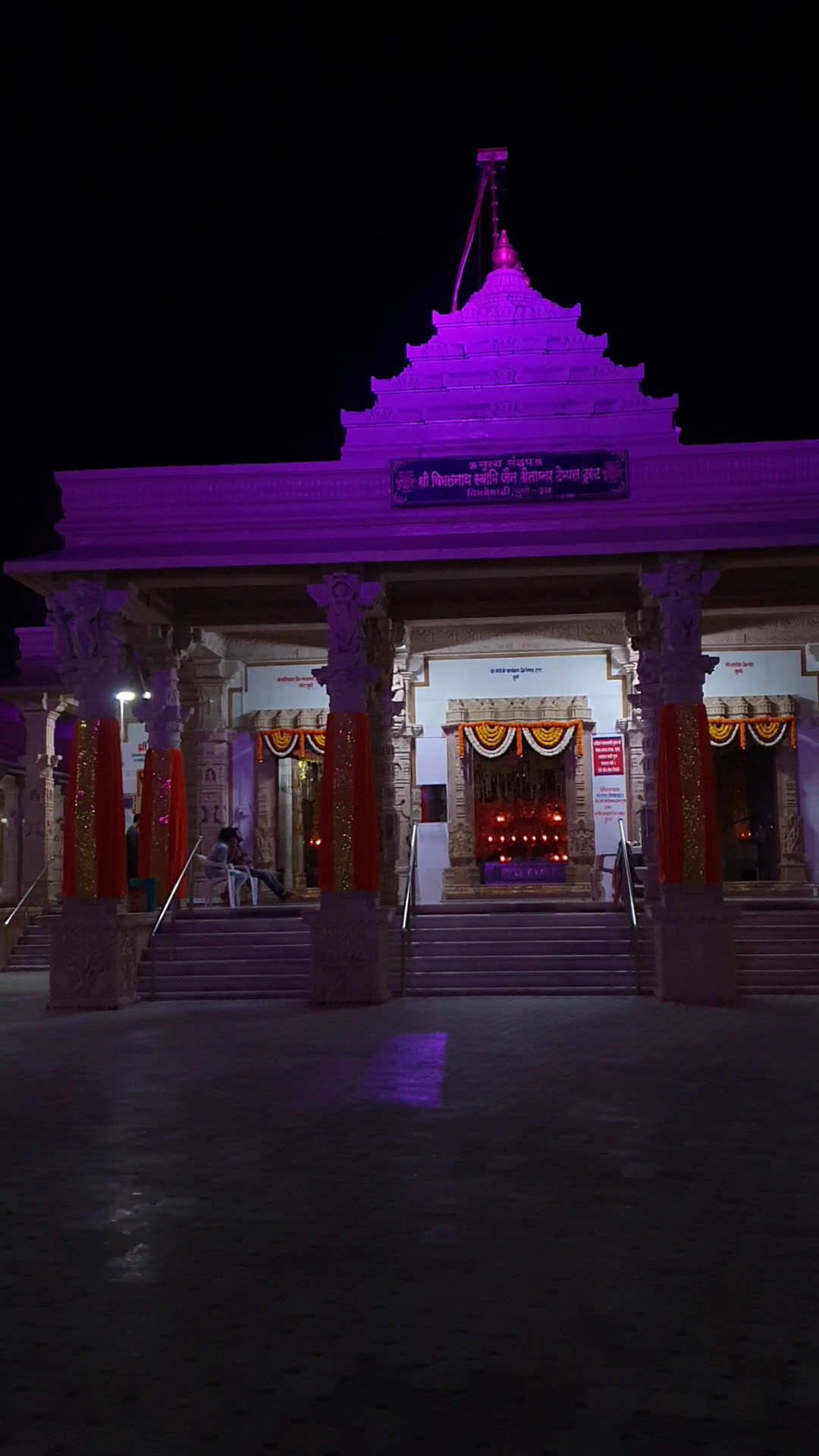
At the center of the shrine is enshrined the idol of Mahaveer with foot prints. An interesting aspect is all people are allowed inside the temple and there are no caste distinctions. The only requirement is once you are inside the temple, your mind must be focused on god. There are idols of Saraswathi and Lakshmi out side the main temple on either side. At night the electric light is turned off and candles and lamps are lit. The idols and the gold and silver plated backdrop look resplendent. Devotees engage in Bhajans singing devotional songs with dedication, Standing on the small hill one can enjoy the panoramic view of the sprawlingcity and the serene surroundings.
Address: Shree Vardhman Jain Agaam Tirth,Near Jakat Naka,122,Agaam Hill. Katraj,...
Read moreKatraj Jain Temple: A Spiritual Haven The Katraj Jain Temple, also widely known as the "Aagam Mandir," stands as a prominent Jain pilgrimage site in Pune, Maharashtra, India. Nestled on a hillock along the Pune-Satara highway, it offers a serene and spiritually enriching experience for devotees and visitors alike. Key Features and Significance: Dedication: The temple is primarily dedicated to Lord Mahavira, the 24th Tirthankara of Jainism. It houses idols of all 24 Tirthankaras, along with Goddess Padmavati, holding immense religious significance for the Jain community. Architectural Grandeur: Built in the late 20th century, the temple showcases a blend of traditional Jain architectural styles with modern elements. Its immaculate white marble structure, intricate carvings, and detailed depictions of Jain deities contribute to its aesthetic appeal and sacred ambiance. The temple contains copper-plate prints of the Śvetāmbara canon on its walls. This is a very important part of what makes this an Aagam Mandir. Main Shrine: The central shrine features a 12-foot tall golden idol of Lord Mahavira, crafted from Panchadhatu (a five-metal alloy), weighing approximately 5 tonnes. Surrounding the main temple are smaller shrines dedicated to other Jain deities. Aagam Mandir: The temple is known as an "Aagam Mandir" because it houses inscriptions of the 48 Aagams, the sacred scriptures of Jainism. This allows devotees to read and learn from these important texts. Jal Mandir: A separate structure, the Jal Mandir (Water Temple), is located behind the main temple, featuring an 8-foot tall idol of Lord Parshwanath. Facilities: The temple complex includes a Dharamshala (guest house) with modern amenities, providing accommodation for pilgrims. A Bhojanalaya (dining hall) offers vegetarian meals, adhering to Jain dietary principles. Spiritual Practices: The temple observes daily rituals, including the Ashta Prakari pooja, a set of eight distinct rituals with profound symbolic meanings. The temple is a place where jain philosophy is shown, and practiced. Cultural Importance: The Katraj Jain Temple serves as a vital center for Jain religious and cultural activities in the region. It attracts devotees from far and wide, fostering a sense of community and spiritual connection. Peaceful Atmosphere: The location of the temple, on a hill top, provides a very peaceful atmosphere, and a great view of the city of Pune. In essence, the Katraj Jain Temple is more than just a place of worship; it's a sanctuary of peace, a repository of Jain wisdom, and a testament to the enduring...
Read moreSerene Oasis of Tranquility
Nestled atop the picturesque hill, the Jain Mandir is a hidden gem that promises an enchanting experience for those who seek serenity and spirituality. As you ascend the winding path leading to this sacred site, you're greeted by breathtaking vistas of lush greenery and the distant horizon. It's an ascent that not only elevates you physically but also spiritually.
The architecture of the Jain Mandir is nothing short of awe-inspiring. Intricate carvings, delicate stone work, and meticulous attention to detail are evident in every corner. The temple stands as a testament to the rich Jain heritage, a beautiful blend of history and devotion.
During my visit, I was struck by the overwhelming sense of peace that pervades this place. The atmosphere is charged with spiritual energy, making it an ideal spot for meditation and introspection. As you step inside the temple, the soft chants and the fragrance of incense take you on a journey within yourself.
The temple is well-maintained, and the staff is courteous and eager to share the history and significance of the Mandir. It's clear that their dedication matches the devotion of the pilgrims who visit.
The view from the hilltop is nothing short of magical. The panoramic view of the surrounding landscape is a visual treat, especially during sunrise or sunset. It's a place that offers a unique blend of natural beauty and architectural marvel.
In conclusion, the Jain Mandir on top of the hill is a place of profound spirituality, where one can connect with their inner self and soak in the beauty of nature. Whether you're a devotee seeking solace or a traveler looking for a unique cultural experience, this serene oasis of tranquility should be on your must-visit list. It's a destination that leaves a lasting imprint on your...
Read more