HTML SitemapExplore
logo
Find Things to DoFind The Best Restaurants

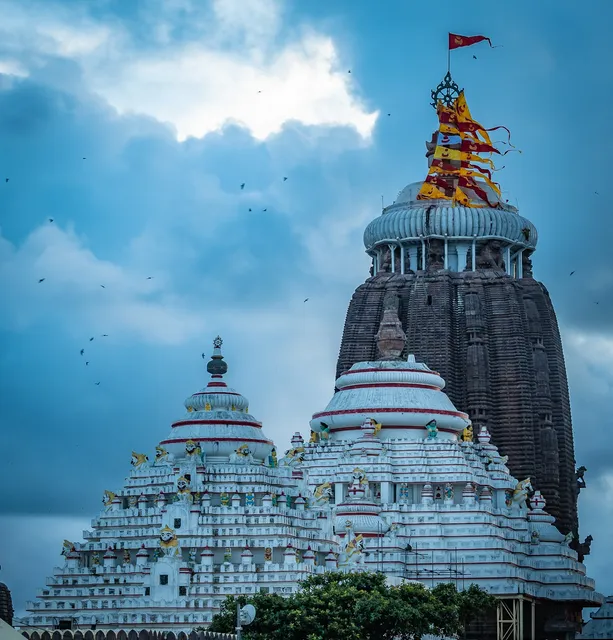
Shree Jagannatha Temple Puri — Attraction in Puri

Name
Shree Jagannatha Temple Puri
Description
Nearby attractions
Shri Vimala Shakti Peetha Temple, Puri
RR38+RXM, Puri, Odisha 752001, India
Baisi Pahacha
RR39+VGH, Jagannath Temple Campus Footway, Bhanumati Rd, Puri, Odisha 752001, India
Nearby restaurants
The Grand
shop no 29, Grand center, Grand Rd, Puri, Odisha 752001, India
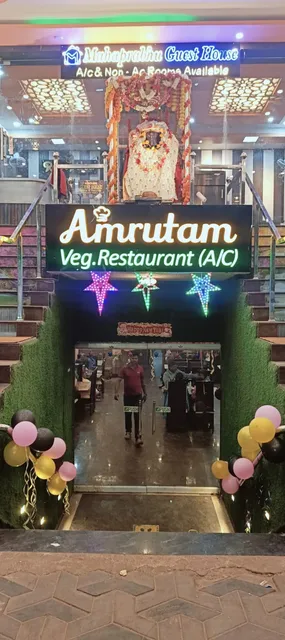
Amrutam veg restruant
Infront of Kali mandir, Dolamandap Sahi, Puri, Odisha 752001, India
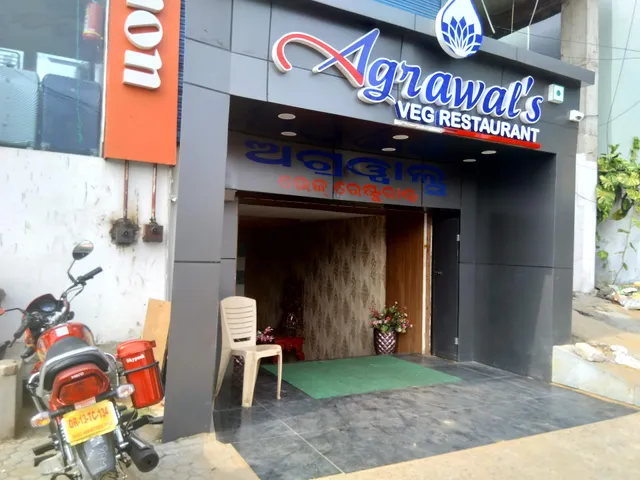
Agarwal's Pure Veg Restaurant
Grand Rd, beside Hotel Agrawal Pride, Puri, Odisha 752001, India
Krishna Hotel (Pure Veg)
RR49+H8C, Khuntia Sahi Ln, near NORTH GATE, near Infront of North Gate of Jagannath Temple, BANUA, Puri, Odisha 752001, India
Veg wala restaurant
hindi school, Jagannath temple, Grand Rd, Puri, Odisha 752001, India
Shree Balaji Bhojnalaya ଶ୍ରୀ ବାଲାଜୀ ଭୋଜନାଳୟ
RR5C+7W6, Puri, Odisha 752001, India
Puri Pet Pooja
Bhanumati Rd, Dolamandap Sahi, Puri, Odisha 752001, India
Altaf biryani darbar
College Rd, Bali Sahi, Puri, Odisha 752001, India
Shri Ram Lalla , A Pure Veg Resturant
Grand Rd, beside Big Bazar, Puri, Odisha 752001, India
Big bazar Food court
RR5F+M9G, Puri, Odisha 752001, India
Nearby hotels
Bishnu Bhavan
West gate of Jagannath temple, Puri, Odisha 752001, India
PANDA LODGE
Nuapatna Lane, Manikarnika Sahi Rd, near Ramjee Dolabdedi, Kona, Puri, Odisha 752001, India
Hare Krushna Lodge
Gadanti chhak, near uttar dwar, Puri-1, Puri, Odisha 752001, India
Jaga Balia Lodge
RR3C+R2M, Bhanumati Rd, Dolamandap Sahi, Puri, Odisha 752001, India
Assam Jatri Niwas
Loknath Temple Rd, Sandhajaga, Puri, Odisha 752001, India
Shree Mandir Guest House
RR38+G9Q, Loknath Temple Rd, Sandhajaga, Puri, Odisha 752001, India
MAHAPRABHU GUEST HOUSE
INFRONT OF KALI TEMPLE, DOLAMANDAP SAHI , Puri1 JAGANNATH TEMPLE, LIONS GATE ROAD, near APOLLO PHARMACY, Puri, Odisha 752001, India
Swarna Bhavan - Home Stay - Puri
Swarna Bhavan, Markandeswar Sahi Rd, Puri, Odisha 752001, India
Hotel Agrawal Pride (300mtrs from Jagannath Temple,Puri)
Marchikote Square, Puri, Odisha 752001, India
Puri Trip Homestay
Matimandap Sahi, Hanuman Lane Jagannath Temple, Sunia Gosani Temple, Puri, Odisha 752001, India
Related posts
Keywords
Shree Jagannatha Temple Puri tourism.Shree Jagannatha Temple Puri hotels.Shree Jagannatha Temple Puri bed and breakfast. flights to Shree Jagannatha Temple Puri.Shree Jagannatha Temple Puri attractions.Shree Jagannatha Temple Puri restaurants.Shree Jagannatha Temple Puri travel.Shree Jagannatha Temple Puri travel guide.Shree Jagannatha Temple Puri travel blog.Shree Jagannatha Temple Puri pictures.Shree Jagannatha Temple Puri photos.Shree Jagannatha Temple Puri travel tips.Shree Jagannatha Temple Puri maps.Shree Jagannatha Temple Puri things to do.
Shree Jagannatha Temple Puri things to do, attractions, restaurants, events info and trip planning
Shree Jagannatha Temple Puri
IndiaOdishaPuriShree Jagannatha Temple Puri

Basic Info

Shree Jagannatha Temple Puri

Puri, Odisha 752001, India
4.7(42.8K)
Open 24 hours
Save
spot

Ratings & Description

Info

Cultural
Family friendly
Accessibility
attractions: Shri Vimala Shakti Peetha Temple, Puri, Baisi Pahacha, restaurants: The Grand, Amrutam veg restruant, Agarwal's Pure Veg Restaurant, Krishna Hotel (Pure Veg), Veg wala restaurant, Shree Balaji Bhojnalaya ଶ୍ରୀ ବାଲାଜୀ ଭୋଜନାଳୟ, Puri Pet Pooja, Altaf biryani darbar, Shri Ram Lalla , A Pure Veg Resturant, Big bazar Food court
logoLearn more insights from Wanderboat AI.
Phone
+91 6752 222 002
Website
shreejagannatha.in

Plan your stay

hotel
Pet-friendly Hotels in Puri
Find a cozy hotel nearby and make it a full experience.

hotel
Affordable Hotels in Puri
Find a cozy hotel nearby and make it a full experience.

hotel
The Coolest Hotels You Haven't Heard Of (Yet)
Find a cozy hotel nearby and make it a full experience.

hotel
Trending Stays Worth the Hype in Puri
Find a cozy hotel nearby and make it a full experience.

Reviews

Nearby attractions of Shree Jagannatha Temple Puri

Shri Vimala Shakti Peetha Temple, Puri

Baisi Pahacha

Shri Vimala Shakti Peetha Temple, Puri

Shri Vimala Shakti Peetha Temple, Puri

4.6

(250)

Open 24 hours
Click for details
Baisi Pahacha

Baisi Pahacha

4.4

(83)

Open 24 hours
Click for details

Nearby restaurants of Shree Jagannatha Temple Puri

The Grand

Amrutam veg restruant

Agarwal's Pure Veg Restaurant

Krishna Hotel (Pure Veg)

Veg wala restaurant

Shree Balaji Bhojnalaya ଶ୍ରୀ ବାଲାଜୀ ଭୋଜନାଳୟ

Puri Pet Pooja

Altaf biryani darbar

Shri Ram Lalla , A Pure Veg Resturant

Big bazar Food court
The Grand

The Grand

3.7

(567)

Click for details
Amrutam veg restruant

Amrutam veg restruant

3.9

(197)

Click for details
Agarwal's Pure Veg Restaurant

Agarwal's Pure Veg Restaurant

3.7

(933)

Click for details
Krishna Hotel (Pure Veg)

Krishna Hotel (Pure Veg)

4.0

(5)

Closed
Click for details
Get the Appoverlay
Get the AppOne tap to find yournext favorite spots!
Wanderboat LogoWanderboat

Your everyday Al companion for getaway ideas

CompanyAbout Us
InformationAI Trip PlannerSitemap
SocialXInstagramTiktokLinkedin
LegalTerms of ServicePrivacy Policy

Get the app

© 2025 Wanderboat. All rights reserved.
logo

Posts

Sivanesan SadasivamSivanesan Sadasivam
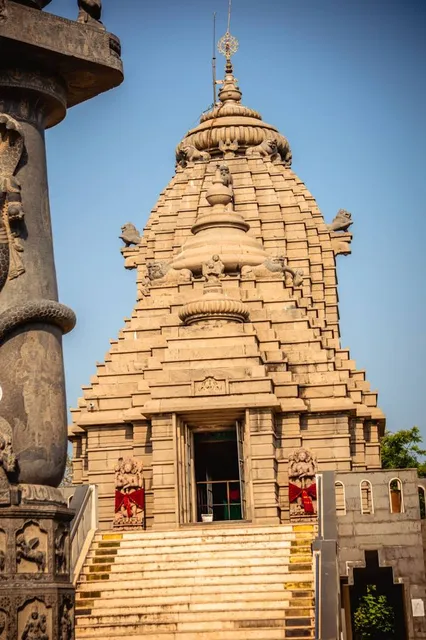
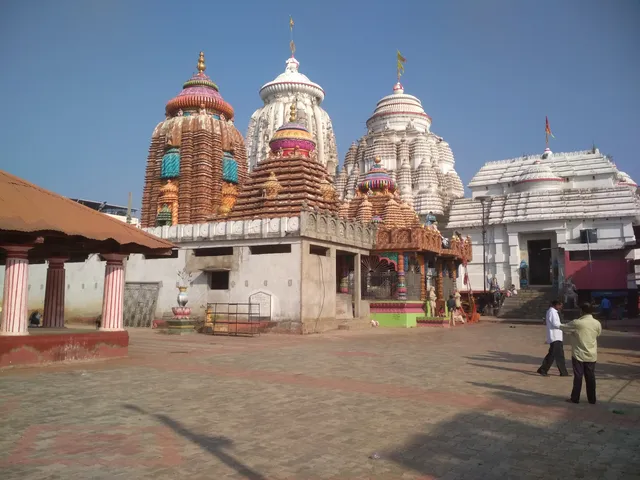
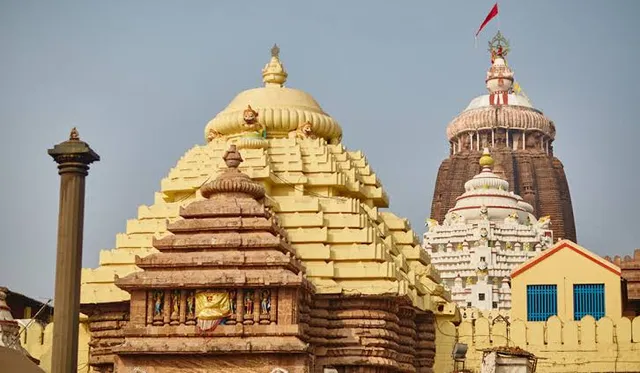
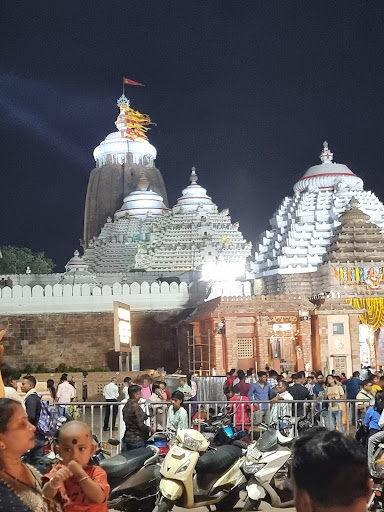
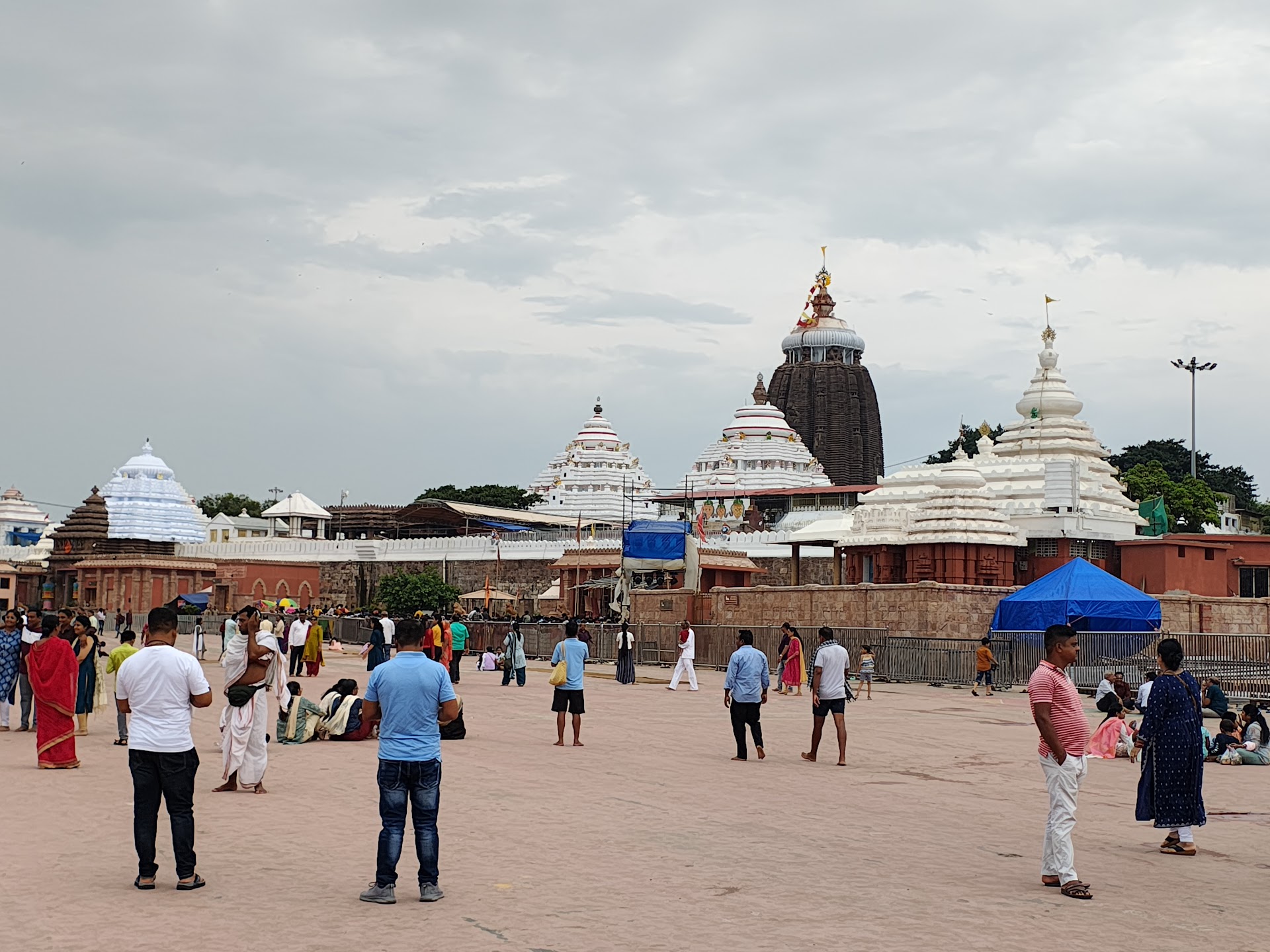
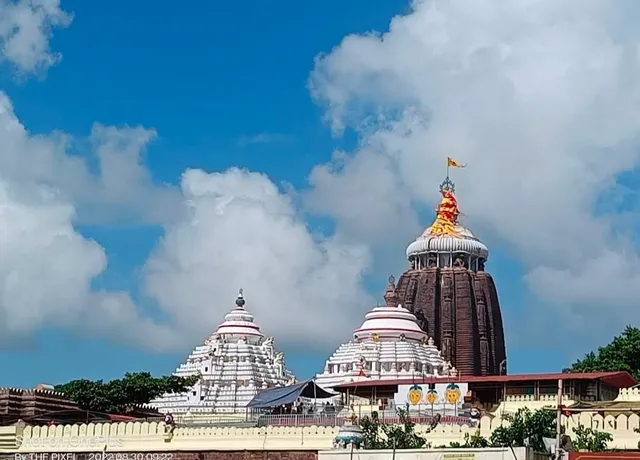
The Shree Jagannath Temple in Puri is not just a religious monument—it is a living, breathing epic of India's spiritual and cultural identity. A visit to this sacred shrine is a journey into the soul of Sanatana Dharma and Odisha’s timeless heritage. Located on the eastern coast of India, the temple stands as a monumental testament to faith, architecture, rituals, devotion, and divine mysticism that transcends generations and borders. The moment you set foot near the temple, there's an unmistakable shift in energy. The 85-meter high spire, topped with the Neelachakra (blue wheel) made of a single alloy and fluttering with the sacred Patitapabana flag, dominates the skyline and instantly draws your gaze upward. As you approach the entrance through the Singhadwara (Lion Gate), amidst the chanting of mantras, blowing of conch shells, and the aroma of incense, you feel the spiritual vibration in every breath you take. Built in the 12th century by King Anantavarman Chodaganga Deva, the temple is a masterpiece of Kalinga architecture, with finely sculpted exteriors, vast courtyards, and towering structures. Inside, the presiding deities—Lord Jagannath, his brother Balabhadra, and sister Subhadra—are unlike any other in India. Crafted from neem wood and replaced in a secret, complex ritual called Nabakalebara every few years, they are not merely idols, but living embodiments of divinity, deeply revered by devotees from all walks of life. The daily rituals, conducted with absolute devotion and precision, are mesmerizing. From the early morning Mangala Aarti to the elaborate Sandhya Dhupa, every moment inside the temple radiates with spiritual significance. The sevayats (priests) are custodians of ancient traditions that have been passed down through generations with unmatched dedication. One of the most extraordinary aspects of this temple is its massive kitchen, which is said to be the largest in the world. Using traditional clay pots and firewood, thousands of meals are prepared every day as Mahaprasad, considered to be food blessed directly by the deity. The spiritual aura of the Ananda Bazaar, where devotees can partake in this sacred offering, is both humbling and fulfilling. The Rath Yatra, or chariot festival, is one of the grandest spectacles of devotion in the world. Witnessing the massive, hand-pulled wooden chariots of the deities rolling through the streets of Puri, amidst a sea of devotees chanting and singing in divine ecstasy, is an experience that stays etched in the heart forever. It is not just a ritual—it’s a celebration of divine presence, equality, and joy. Despite the large number of pilgrims, the temple premises are generally well-managed. Security is tight and respectful. It is important to note that non-Hindus are not allowed inside the main sanctum, but they can still admire the architectural brilliance from the viewing platform near the Raghunandan Library and feel the spiritual essence from the surroundings. Beyond religion, the Jagannath Temple is a symbol of inclusiveness, compassion, and eternal love for the divine. It stands as a unifying force that welcomes the humble and the mighty alike—reminding us that in the eyes of the Lord, all are equal. Visiting Jagannath Puri is not just a pilgrimage; it’s an awakening. Every element here—from the ancient rituals, sacred chants, majestic structures, and divine Mahaprasad to the devotion in the eyes of fellow pilgrims—adds up to an experience that is deeply soul-stirring and transformative. If there is one place in India that captures the essence of spirituality, tradition, and devotion in its purest form, it is Shree Jagannath Temple in Puri. I feel truly blessed to have experienced its divine presence, and I carry that feeling with me even long after leaving its holy grounds. A place like this is not visited, it is felt, absorbedand remembered for a lifetime.
VeludharanVeludharan
HISTORY AND INSCRIPTIONS As per the Kendupatna Copper plate inscriptions, the temple was rebuilt by the King of the Eastern Ganga dynasty, Anantavarman Chodaganga, in the 10th century CE, his descendant, Narasimhadeva-II and a relative Rajendra Chola from the mother side. An 1134–1135 CE inscription records his donation to the temple. However, the construction was completed in 1230 CE, during the reign of Anangbheema Deva-III. The main deities are also installed and consecrated, by him. As per the history Anangabhima Deva-III, established many endowments and numerous bhogas and festivals. For the same he had gifted many lands and gold to the temple. The inscriptions of Suryavamsi rulers who succeeded the Gangavansis, records the lavish gift and the strict follow up of the rituals and festivals. In 1568 CE, the power of Gajapati Prataprudra Deva, declined due to the death of Mukunda Deva, the last independent Hindu King of Odisha. Afghan rulers under General Kalapahad captured Odisha, and looted temple properties and destroyed most of the images and the temple. In 1575 CE, the King Rama Chandra Deva-I of Bhoi dynasty, established a new Kingdom after throwing out the Afghan rulers, keeping Khurda as Capital, installed back the deities in the Sanctum Sanctorum. From 1682 to 1707 Lord Jagannath was hidden and Rath Yatra was stopped for 25 years till the end of rule by Aurangzeb. Somehow the temple survived various assaults on it. The local Kings and the temple priests had their role in preserving the temple intact. Possibly the local Muslim rulers might have spared the temple after looting the treasure. Raja Mansingh, a Mughal general, under the Moghul Emperor Akbar, announced Rama Chandra Deva, the Gajapati ruler of khurda, since Shri Rama Chandra Deva converted himself to Islam to protect his kingdom and the temple and renamed him as Hafiz Kader. After the fall of Moghuls, Odisha was passed into the hands of the Marathas. In 1751 a treaty was reached between Nawab Alivardi Khan of Bengal and Raghuji Bhonsla of Nagpur, the province of Cuttack i.e., Odisha as far as the river Subarnarekha was ceded to the Marathas over which they become the de facto rules. The Marathas, under Subhadar Sheo Bhatta kept the management of Shree Jagannatha Temple, whereas the authority of the Rajas of khurda was very limited. In 1803 CE the management was taken over by the Governor-General, Lord Wellesley, East India Company of British rulers, once again they entrust the power of management of the temple by the Rajas of Khurda. A huge property was allotted for the services of the deities and granted annually an amount of 53, 000/- rupees on an average, towards temple expenses. Queen Suryamani, took over the management of the temple efficiently for long 33 years from 1860 to 1897 CE played a major role in the history of this Shree Jagannath Temple. (Excluding the period during which Dibyasingh Dev was the superintendent i.e. from 1875-1878). From 1889 to August, 1926, under pressure of the government, the king of Puri was forced to bring a Deputy Magistrate on deputation as Manager of the temple. The Government of Odisha, passed an act in 1951, to protect the huge endowed properties, to regulate the worship, Sevas, the rituals, celebrations, duties and responsibilities of officials, Sevaks, Pujaris, as many as 119 categories. Further an exclusive Shree Jagannatha Temple Act, 1954 (Orissa Act 11 of 1955) was passed. The Act became Law in November, 1955 Shree Jagannatha Temple Act, 1954 forms the basis of the existing administrative pattern of the temple and its endowments. The Act came into force with effect from 27.12.1960. After the introduction of Shri Jagannatha Temple amending Act, 2004 the Managing Committee as well as administrative structure have been upgraded with effect from February, 2005. Ref: The Temple’s website.
Rajeev Ravi AcharyRajeev Ravi Achary
Do visit the Jagannatha Temple in Puri, Odisha, once in life time...Hare Krishna!!! When u ll see it youll be blown away by its grandeur and spiritual significance. Temple Details - *Location*: Jagannath Temple Road, Grand Road (Bada Danda), Puri, Odisha - 752001, India - *Timings*: 5:00 AM to 9:00 PM (Temple opens for darshan from 5:30 AM to 12:00 PM and 2:00 PM to 6:00 PM) - *Nearest Railway Station*: Puri Railway Station (2 km) - *Nearest Airport*: Biju Patnaik International Airport, Bhubaneswar (60 km) Experience The temple's architecture is stunning, with intricate carvings and sculptures that showcase the Kalinga style. The atmosphere is electric, with thousands of devotees chanting and praying. The deities, Lord Jagannath, Balabhadra, and Subhadra, are revered and worshiped by millions. Highlights - Rath Yatra: The annual chariot festival is a spectacle, with millions attending to witness the deities' procession. - Daily Rituals: The temple follows strict daily rituals, including Mangala Aarti, Sakala Dhupa, Madhyana Dhupa, Sandhya Dhupa, and Badasinghara Besha. - Prasad: The temple's kitchen is one of the largest in the world, serving thousands of devotees daily. Tips - Plan your visit early: Avoid visiting during midday bhog hours (12:00 PM – 2:00 PM) for a more peaceful experience. - Dress modestly: Wear traditional clothing and remove shoes, mobile phones, cameras, and leather items before entering the temple. - Be prepared for crowds: Expect large crowds during peak seasons and festivals. Accessibility - Wheelchair accessibility: Limited - Language: Odia, Hindi, and English are widely spoken Overall, the Jagannath Temple Puri is a must-visit destination for spiritual seekers and those interested in history, architecture, and culture. Here are some rarest facts about Jagannath Temple: Unique Architecture: The temple's architecture is a blend of Kalinga style, characterized by towering spires and intricate carvings, making it an iconic example of Odisha's rich cultural heritage. Mysterious Sudarshan Chakra: The Sudarshan Chakra at the temple's summit is made of eight metals, including gold and silver, and weighs several tons. Its design ensures it looks the same from every direction. No Shadow on the Temple: The temple is designed in such a way that its shadow is never visible at any time of day. Wind Direction: The flag atop the temple flies in the opposite direction to the wind, defying scientific explanation. Bird-Free Zone: No birds fly over the temple, and surprisingly, no airplanes or helicopters are allowed to fly above it. Special Cooking Method: The temple's kitchen, known as Anand Bazaar, is the largest in the world and prepares Mahaprasad using a unique cooking method where the topmost pot cooks first. No Waste: The Mahaprasad served in the temple never goes to waste, regardless of the number of devotees. Unique Wind Pattern: The breeze in Puri flows from land to sea during the day and reverses direction in the evening, contrary to the usual pattern. Silent Ocean Waves: Once inside the temple, the sound of ocean waves disappears, only to return when you exit. Special Deity Replacement: Every 12-19 years, the deities are replaced with new ones, and the old ones are buried in the temple complex with a secret ritual involving a mysterious "Brahm Padartha" transfer.(Legends say its heart of Bhagwan Shree Krishna ) Rath Yatra Significance: The annual Rath Yatra festival attracts millions, where the deities are taken out in grand procession on elaborately decorated chariots. Jai Jagannatha ! Hare Shree Krishna !!!
See more posts
See more posts
hotel
Find your stay

Pet-friendly Hotels in Puri

Find a cozy hotel nearby and make it a full experience.

The Shree Jagannath Temple in Puri is not just a religious monument—it is a living, breathing epic of India's spiritual and cultural identity. A visit to this sacred shrine is a journey into the soul of Sanatana Dharma and Odisha’s timeless heritage. Located on the eastern coast of India, the temple stands as a monumental testament to faith, architecture, rituals, devotion, and divine mysticism that transcends generations and borders. The moment you set foot near the temple, there's an unmistakable shift in energy. The 85-meter high spire, topped with the Neelachakra (blue wheel) made of a single alloy and fluttering with the sacred Patitapabana flag, dominates the skyline and instantly draws your gaze upward. As you approach the entrance through the Singhadwara (Lion Gate), amidst the chanting of mantras, blowing of conch shells, and the aroma of incense, you feel the spiritual vibration in every breath you take. Built in the 12th century by King Anantavarman Chodaganga Deva, the temple is a masterpiece of Kalinga architecture, with finely sculpted exteriors, vast courtyards, and towering structures. Inside, the presiding deities—Lord Jagannath, his brother Balabhadra, and sister Subhadra—are unlike any other in India. Crafted from neem wood and replaced in a secret, complex ritual called Nabakalebara every few years, they are not merely idols, but living embodiments of divinity, deeply revered by devotees from all walks of life. The daily rituals, conducted with absolute devotion and precision, are mesmerizing. From the early morning Mangala Aarti to the elaborate Sandhya Dhupa, every moment inside the temple radiates with spiritual significance. The sevayats (priests) are custodians of ancient traditions that have been passed down through generations with unmatched dedication. One of the most extraordinary aspects of this temple is its massive kitchen, which is said to be the largest in the world. Using traditional clay pots and firewood, thousands of meals are prepared every day as Mahaprasad, considered to be food blessed directly by the deity. The spiritual aura of the Ananda Bazaar, where devotees can partake in this sacred offering, is both humbling and fulfilling. The Rath Yatra, or chariot festival, is one of the grandest spectacles of devotion in the world. Witnessing the massive, hand-pulled wooden chariots of the deities rolling through the streets of Puri, amidst a sea of devotees chanting and singing in divine ecstasy, is an experience that stays etched in the heart forever. It is not just a ritual—it’s a celebration of divine presence, equality, and joy. Despite the large number of pilgrims, the temple premises are generally well-managed. Security is tight and respectful. It is important to note that non-Hindus are not allowed inside the main sanctum, but they can still admire the architectural brilliance from the viewing platform near the Raghunandan Library and feel the spiritual essence from the surroundings. Beyond religion, the Jagannath Temple is a symbol of inclusiveness, compassion, and eternal love for the divine. It stands as a unifying force that welcomes the humble and the mighty alike—reminding us that in the eyes of the Lord, all are equal. Visiting Jagannath Puri is not just a pilgrimage; it’s an awakening. Every element here—from the ancient rituals, sacred chants, majestic structures, and divine Mahaprasad to the devotion in the eyes of fellow pilgrims—adds up to an experience that is deeply soul-stirring and transformative. If there is one place in India that captures the essence of spirituality, tradition, and devotion in its purest form, it is Shree Jagannath Temple in Puri. I feel truly blessed to have experienced its divine presence, and I carry that feeling with me even long after leaving its holy grounds. A place like this is not visited, it is felt, absorbedand remembered for a lifetime.
Sivanesan Sadasivam

Sivanesan Sadasivam

hotel
Find your stay

Affordable Hotels in Puri

Find a cozy hotel nearby and make it a full experience.

Get the Appoverlay
Get the AppOne tap to find yournext favorite spots!
HISTORY AND INSCRIPTIONS As per the Kendupatna Copper plate inscriptions, the temple was rebuilt by the King of the Eastern Ganga dynasty, Anantavarman Chodaganga, in the 10th century CE, his descendant, Narasimhadeva-II and a relative Rajendra Chola from the mother side. An 1134–1135 CE inscription records his donation to the temple. However, the construction was completed in 1230 CE, during the reign of Anangbheema Deva-III. The main deities are also installed and consecrated, by him. As per the history Anangabhima Deva-III, established many endowments and numerous bhogas and festivals. For the same he had gifted many lands and gold to the temple. The inscriptions of Suryavamsi rulers who succeeded the Gangavansis, records the lavish gift and the strict follow up of the rituals and festivals. In 1568 CE, the power of Gajapati Prataprudra Deva, declined due to the death of Mukunda Deva, the last independent Hindu King of Odisha. Afghan rulers under General Kalapahad captured Odisha, and looted temple properties and destroyed most of the images and the temple. In 1575 CE, the King Rama Chandra Deva-I of Bhoi dynasty, established a new Kingdom after throwing out the Afghan rulers, keeping Khurda as Capital, installed back the deities in the Sanctum Sanctorum. From 1682 to 1707 Lord Jagannath was hidden and Rath Yatra was stopped for 25 years till the end of rule by Aurangzeb. Somehow the temple survived various assaults on it. The local Kings and the temple priests had their role in preserving the temple intact. Possibly the local Muslim rulers might have spared the temple after looting the treasure. Raja Mansingh, a Mughal general, under the Moghul Emperor Akbar, announced Rama Chandra Deva, the Gajapati ruler of khurda, since Shri Rama Chandra Deva converted himself to Islam to protect his kingdom and the temple and renamed him as Hafiz Kader. After the fall of Moghuls, Odisha was passed into the hands of the Marathas. In 1751 a treaty was reached between Nawab Alivardi Khan of Bengal and Raghuji Bhonsla of Nagpur, the province of Cuttack i.e., Odisha as far as the river Subarnarekha was ceded to the Marathas over which they become the de facto rules. The Marathas, under Subhadar Sheo Bhatta kept the management of Shree Jagannatha Temple, whereas the authority of the Rajas of khurda was very limited. In 1803 CE the management was taken over by the Governor-General, Lord Wellesley, East India Company of British rulers, once again they entrust the power of management of the temple by the Rajas of Khurda. A huge property was allotted for the services of the deities and granted annually an amount of 53, 000/- rupees on an average, towards temple expenses. Queen Suryamani, took over the management of the temple efficiently for long 33 years from 1860 to 1897 CE played a major role in the history of this Shree Jagannath Temple. (Excluding the period during which Dibyasingh Dev was the superintendent i.e. from 1875-1878). From 1889 to August, 1926, under pressure of the government, the king of Puri was forced to bring a Deputy Magistrate on deputation as Manager of the temple. The Government of Odisha, passed an act in 1951, to protect the huge endowed properties, to regulate the worship, Sevas, the rituals, celebrations, duties and responsibilities of officials, Sevaks, Pujaris, as many as 119 categories. Further an exclusive Shree Jagannatha Temple Act, 1954 (Orissa Act 11 of 1955) was passed. The Act became Law in November, 1955 Shree Jagannatha Temple Act, 1954 forms the basis of the existing administrative pattern of the temple and its endowments. The Act came into force with effect from 27.12.1960. After the introduction of Shri Jagannatha Temple amending Act, 2004 the Managing Committee as well as administrative structure have been upgraded with effect from February, 2005. Ref: The Temple’s website.
Veludharan

Veludharan

hotel
Find your stay

The Coolest Hotels You Haven't Heard Of (Yet)

Find a cozy hotel nearby and make it a full experience.

hotel
Find your stay

Trending Stays Worth the Hype in Puri

Find a cozy hotel nearby and make it a full experience.

Do visit the Jagannatha Temple in Puri, Odisha, once in life time...Hare Krishna!!! When u ll see it youll be blown away by its grandeur and spiritual significance. Temple Details - *Location*: Jagannath Temple Road, Grand Road (Bada Danda), Puri, Odisha - 752001, India - *Timings*: 5:00 AM to 9:00 PM (Temple opens for darshan from 5:30 AM to 12:00 PM and 2:00 PM to 6:00 PM) - *Nearest Railway Station*: Puri Railway Station (2 km) - *Nearest Airport*: Biju Patnaik International Airport, Bhubaneswar (60 km) Experience The temple's architecture is stunning, with intricate carvings and sculptures that showcase the Kalinga style. The atmosphere is electric, with thousands of devotees chanting and praying. The deities, Lord Jagannath, Balabhadra, and Subhadra, are revered and worshiped by millions. Highlights - Rath Yatra: The annual chariot festival is a spectacle, with millions attending to witness the deities' procession. - Daily Rituals: The temple follows strict daily rituals, including Mangala Aarti, Sakala Dhupa, Madhyana Dhupa, Sandhya Dhupa, and Badasinghara Besha. - Prasad: The temple's kitchen is one of the largest in the world, serving thousands of devotees daily. Tips - Plan your visit early: Avoid visiting during midday bhog hours (12:00 PM – 2:00 PM) for a more peaceful experience. - Dress modestly: Wear traditional clothing and remove shoes, mobile phones, cameras, and leather items before entering the temple. - Be prepared for crowds: Expect large crowds during peak seasons and festivals. Accessibility - Wheelchair accessibility: Limited - Language: Odia, Hindi, and English are widely spoken Overall, the Jagannath Temple Puri is a must-visit destination for spiritual seekers and those interested in history, architecture, and culture. Here are some rarest facts about Jagannath Temple: Unique Architecture: The temple's architecture is a blend of Kalinga style, characterized by towering spires and intricate carvings, making it an iconic example of Odisha's rich cultural heritage. Mysterious Sudarshan Chakra: The Sudarshan Chakra at the temple's summit is made of eight metals, including gold and silver, and weighs several tons. Its design ensures it looks the same from every direction. No Shadow on the Temple: The temple is designed in such a way that its shadow is never visible at any time of day. Wind Direction: The flag atop the temple flies in the opposite direction to the wind, defying scientific explanation. Bird-Free Zone: No birds fly over the temple, and surprisingly, no airplanes or helicopters are allowed to fly above it. Special Cooking Method: The temple's kitchen, known as Anand Bazaar, is the largest in the world and prepares Mahaprasad using a unique cooking method where the topmost pot cooks first. No Waste: The Mahaprasad served in the temple never goes to waste, regardless of the number of devotees. Unique Wind Pattern: The breeze in Puri flows from land to sea during the day and reverses direction in the evening, contrary to the usual pattern. Silent Ocean Waves: Once inside the temple, the sound of ocean waves disappears, only to return when you exit. Special Deity Replacement: Every 12-19 years, the deities are replaced with new ones, and the old ones are buried in the temple complex with a secret ritual involving a mysterious "Brahm Padartha" transfer.(Legends say its heart of Bhagwan Shree Krishna ) Rath Yatra Significance: The annual Rath Yatra festival attracts millions, where the deities are taken out in grand procession on elaborately decorated chariots. Jai Jagannatha ! Hare Shree Krishna !!!
Rajeev Ravi Achary

Rajeev Ravi Achary

See more posts
See more posts

Reviews of Shree Jagannatha Temple Puri

4.7
(42,780)
avatar
5.0
19w

The Shree Jagannath Temple in Puri is not just a religious monument—it is a living, breathing epic of India's spiritual and cultural identity. A visit to this sacred shrine is a journey into the soul of Sanatana Dharma and Odisha’s timeless heritage. Located on the eastern coast of India, the temple stands as a monumental testament to faith, architecture, rituals, devotion, and divine mysticism that transcends generations and borders. The moment you set foot near the temple, there's an unmistakable shift in energy. The 85-meter high spire, topped with the Neelachakra (blue wheel) made of a single alloy and fluttering with the sacred Patitapabana flag, dominates the skyline and instantly draws your gaze upward. As you approach the entrance through the Singhadwara (Lion Gate), amidst the chanting of mantras, blowing of conch shells, and the aroma of incense, you feel the spiritual vibration in every breath you take. Built in the 12th century by King Anantavarman Chodaganga Deva, the temple is a masterpiece of Kalinga architecture, with finely sculpted exteriors, vast courtyards, and towering structures. Inside, the presiding deities—Lord Jagannath, his brother Balabhadra, and sister Subhadra—are unlike any other in India. Crafted from neem wood and replaced in a secret, complex ritual called Nabakalebara every few years, they are not merely idols, but living embodiments of divinity, deeply revered by devotees from all walks of life. The daily rituals, conducted with absolute devotion and precision, are mesmerizing. From the early morning Mangala Aarti to the elaborate Sandhya Dhupa, every moment inside the temple radiates with spiritual significance. The sevayats (priests) are custodians of ancient traditions that have been passed down through generations with unmatched dedication. One of the most extraordinary aspects of this temple is its massive kitchen, which is said to be the largest in the world. Using traditional clay pots and firewood, thousands of meals are prepared every day as Mahaprasad, considered to be food blessed directly by the deity. The spiritual aura of the Ananda Bazaar, where devotees can partake in this sacred offering, is both humbling and fulfilling. The Rath Yatra, or chariot festival, is one of the grandest spectacles of devotion in the world. Witnessing the massive, hand-pulled wooden chariots of the deities rolling through the streets of Puri, amidst a sea of devotees chanting and singing in divine ecstasy, is an experience that stays etched in the heart forever. It is not just a ritual—it’s a celebration of divine presence, equality, and joy. Despite the large number of pilgrims, the temple premises are generally well-managed. Security is tight and respectful. It is important to note that non-Hindus are not allowed inside the main sanctum, but they can still admire the architectural brilliance from the viewing platform near the Raghunandan Library and feel the spiritual essence from the surroundings. Beyond religion, the Jagannath Temple is a symbol of inclusiveness, compassion, and eternal love for the divine. It stands as a unifying force that welcomes the humble and the mighty alike—reminding us that in the eyes of the Lord, all are equal. Visiting Jagannath Puri is not just a pilgrimage; it’s an awakening. Every element here—from the ancient rituals, sacred chants, majestic structures, and divine Mahaprasad to the devotion in the eyes of fellow pilgrims—adds up to an experience that is deeply soul-stirring and transformative. If there is one place in India that captures the essence of spirituality, tradition, and devotion in its purest form, it is Shree Jagannath Temple in Puri. I feel truly blessed to have experienced its divine presence, and I carry that feeling with me even long after leaving its holy grounds. A place like this is not visited, it is felt, absorbedand remembered...

   Read more
avatar
5.0
1y

HISTORY AND INSCRIPTIONS As per the Kendupatna Copper plate inscriptions, the temple was rebuilt by the King of the Eastern Ganga dynasty, Anantavarman Chodaganga, in the 10th century CE, his descendant, Narasimhadeva-II and a relative Rajendra Chola from the mother side. An 1134–1135 CE inscription records his donation to the temple. However, the construction was completed in 1230 CE, during the reign of Anangbheema Deva-III. The main deities are also installed and consecrated, by him. As per the history Anangabhima Deva-III, established many endowments and numerous bhogas and festivals. For the same he had gifted many lands and gold to the temple. The inscriptions of Suryavamsi rulers who succeeded the Gangavansis, records the lavish gift and the strict follow up of the rituals and festivals. In 1568 CE, the power of Gajapati Prataprudra Deva, declined due to the death of Mukunda Deva, the last independent Hindu King of Odisha. Afghan rulers under General Kalapahad captured Odisha, and looted temple properties and destroyed most of the images and the temple. In 1575 CE, the King Rama Chandra Deva-I of Bhoi dynasty, established a new Kingdom after throwing out the Afghan rulers, keeping Khurda as Capital, installed back the deities in the Sanctum Sanctorum. From 1682 to 1707 Lord Jagannath was hidden and Rath Yatra was stopped for 25 years till the end of rule by Aurangzeb. Somehow the temple survived various assaults on it. The local Kings and the temple priests had their role in preserving the temple intact. Possibly the local Muslim rulers might have spared the temple after looting the treasure. Raja Mansingh, a Mughal general, under the Moghul Emperor Akbar, announced Rama Chandra Deva, the Gajapati ruler of khurda, since Shri Rama Chandra Deva converted himself to Islam to protect his kingdom and the temple and renamed him as Hafiz Kader. After the fall of Moghuls, Odisha was passed into the hands of the Marathas. In 1751 a treaty was reached between Nawab Alivardi Khan of Bengal and Raghuji Bhonsla of Nagpur, the province of Cuttack i.e., Odisha as far as the river Subarnarekha was ceded to the Marathas over which they become the de facto rules. The Marathas, under Subhadar Sheo Bhatta kept the management of Shree Jagannatha Temple, whereas the authority of the Rajas of khurda was very limited. In 1803 CE the management was taken over by the Governor-General, Lord Wellesley, East India Company of British rulers, once again they entrust the power of management of the temple by the Rajas of Khurda. A huge property was allotted for the services of the deities and granted annually an amount of 53, 000/- rupees on an average, towards temple expenses. Queen Suryamani, took over the management of the temple efficiently for long 33 years from 1860 to 1897 CE played a major role in the history of this Shree Jagannath Temple. (Excluding the period during which Dibyasingh Dev was the superintendent i.e. from 1875-1878). From 1889 to August, 1926, under pressure of the government, the king of Puri was forced to bring a Deputy Magistrate on deputation as Manager of the temple. The Government of Odisha, passed an act in 1951, to protect the huge endowed properties, to regulate the worship, Sevas, the rituals, celebrations, duties and responsibilities of officials, Sevaks, Pujaris, as many as 119 categories. Further an exclusive Shree Jagannatha Temple Act, 1954 (Orissa Act 11 of 1955) was passed. The Act became Law in November, 1955 Shree Jagannatha Temple Act, 1954 forms the basis of the existing administrative pattern of the temple and its endowments. The Act came into force with effect from 27.12.1960. After the introduction of Shri Jagannatha Temple amending Act, 2004 the Managing Committee as well as administrative structure have been upgraded with effect from February, 2005. Ref: The...

   Read more
avatar
5.0
18w

Here’s a comprehensive review of the Jagannath Temple in Puri, blending historical insight with visitor feedback and tips for a smooth, spiritually rich pilgrimage:

🌟 Overview & Significance

Built in the classic Kalinga style in the 12th century, the Jagannath Temple stands about 214 ft (65 m) tall—a towering symbol of Odia culture and divine worship .

It’s one of the four Char Dhams, revered by millions, and only Hindus are permitted inside the sanctum. Non-Hindus still partake in festivals like the Rath Yatra, which showcases the deities in majestic chariots on public roads .

🙏 Devotional Atmosphere & Festivals

The temple radiates spiritual energy. Visitors often describe a calming sense of release, where simply glimpsing the deities is profoundly moving .

Major annual events include the Rath Yatra, Snana Yatra, Chandan Yatra, Anavasara, and Naba Kalebara, drawing devotees in their hundreds of thousands .

💡 Visitor Logistics & Recommendations

Timing & Crowd Management

Best visiting times: Early morning (around 5 am) or late evening (past 9–10 pm), especially on weekdays, to avoid peak crowds .

For a calmer darshan experience, night-time visits can be surprisingly peaceful. Some devotees suggest midnight worship slots are less crowded and more serene .

Entry Protocols

No mobile phones, cameras, leather, or shoes allowed inside. Deposit these at cloakrooms at East, Northeast, South, or West gates—often free or minimal cost .

Keep in mind: no announcement boards inside—plan ahead to avoid inconvenience at the entrance .

🍛 Mahaprasad & Food Culture

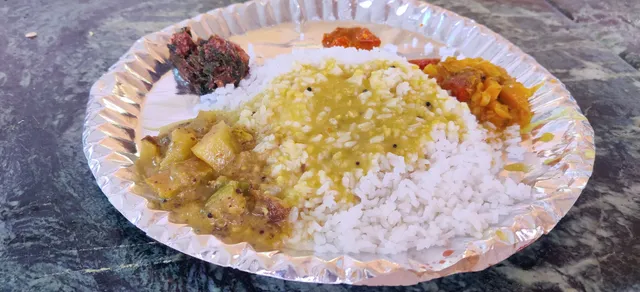
The temple boasts one of the largest open-air kitchens in the world—Rosa Ghara—preparing over 500 varieties of vegetarian food, offered five times daily and shared in equity at Ananda Bazaar .

Visitors rave about Mahaprasad—often described as "mouthwatering"—served in earthen pots. At around ₹100 per plate, it’s considered a must-try culinary and spiritual experience .

⚠️ Potential Drawbacks

Crowd management issues: Inside the sanctum, pushing, jostling, and lack of organized queues are common complaints. Many visitors report poor oversight of lines and crowd flows .

Some priests (pandas): While helpful to some, many are described as overly money‑focused, pressuring donations or tuitional offerings. Harassment is not uncommon. Politely declining without confrontations is advised .

Sanitation & surrounding cleanliness: The broader temple grounds and nearby lanes lack sufficient upkeep. Streets are often crowded with hawkers, stray animals, and litter, which detract from the sacred atmosphere .

🛠️ Tips for a Better Visit

Go early (before 7 am) or late evening—less crowd, more peaceful darshan.

Avoid hiring a panda unless necessary, and don’t overspend—₹500 is more than enough if you engage one at all.

Deposit disallowed items at official cloak rooms to avoid last-minute hassles.

Try Mahaprasad at Ananda Bazaar—eat there to fully embrace the community tradition.

Plan logistics: Wear comfortable clothes for long walking barefoot on stone floors. Consider a wheelchair during peak hours if needed.

✅ Final Verdict

The Jagannath Temple in Puri is a deeply spiritual and architecturally stunning place of worship. Its towering structure, pulsating rituals, and the communal joy of Mahaprasad make it unforgettable. Yet, visitor experiences can be marred by overcrowding, aggressive priests, and hygiene concerns.

For a lasting memory:

Go early or late to avoid crowds

Keep clear of unscrupulous pandas

Embrace the food, festival spirit, and spiritual energy

Despite its flaws, Puri Dham remains a must-visit—especially if you're seeking a profound connection with cultural devotion and sacred...

   Read more
Page 1 of 7
Previous
Next