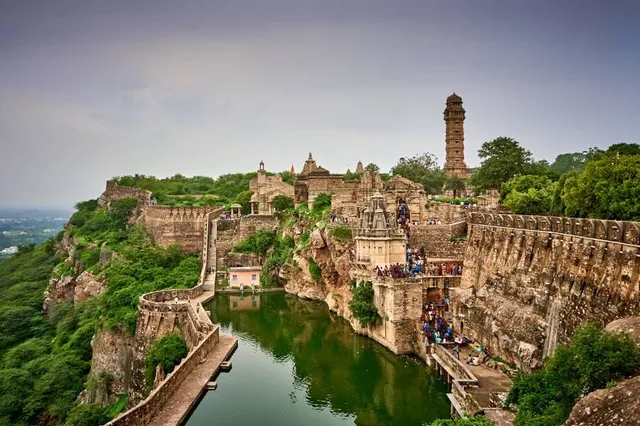
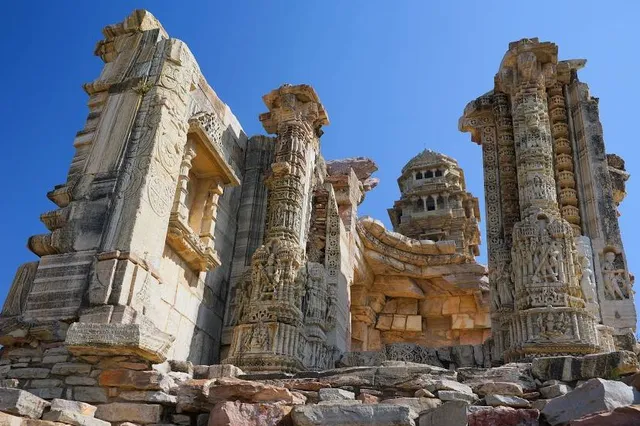
Chittorgarh Fort " A place of bravery, Pride and Sacrifice. The illustrious fort of Chittorgarh is not only the pride of Chittorgarh and India but is also declared as a UNESCO World Heritage Site in 2013. Chittorgarh fort is a rare gem. Situated in the town of Chittor, Chittorgarh fort is the capital of Mewar. Perched over a hill, the fort is spread across an area of 280 ha. This fort was the source of inspiration for the 2018 blockbuster movie ‘Padmaavat’. Rajasthan has more history than the entire country put together.
History
The intense history of Chittorgarh fort will definitely set the pulse racing for many tourists. According to legends, the fort was built by Chitrangada Maurya and is located 175 kilometers to the east of Udaipur. The fort signifies the courage and sacrifice of the Rajput. However, there are other stories revolving around the fort, one says that Bhima, one of the Pandavas, with all his accumulated strength hit the ground and from it a huge reservoir came into being. The water body created by Bhima is called Bhimlat Kund. The Chittorgarh Fort also popularly known as Water Fort and is home to 22 water bodies, palaces, towers and temples spread over 700 acres.
Infrastructure of Chittorgarh Fort
Perched atop a high hill of 180 meters and sprawling at 700 acres, it is a 13km long riveting sight to behold. A long road leads to the seven gates of the fort namely Ganesh gate, Hanuman gate, Padan gate, Jodla gate, Bhairon gate, Lakshman gate and the last and the main gate, Ram gate. The gates were built to protect it from attackers and invaders.
Tourist attractions at Chittorgarh
Vijay Stambha (Tower of Victory)
The tower was built by Maharana Kumbha as a mark of victory against Mohammed Khilji. Located at Chittorgarh Fort, this monumental structure has sculptures of Hindu deities. Tourists, who are fond of captivating sights, should head to the terrace balconies where they can get a riveting view of the full town. One can also capture images of Jain Goddess Padmavati. Also present at the site is the carved word ‘Allah’ in Arabic nine times.
Kirti Stambh (Tower of Fame)
To glorify the Jains, Kirti Stambh was built by Jain merchant Jeeja Bhagerwala. This structure is devoted to Adinathji, the first Jain Teerthankar and has figures of the Digambars.
Gaumukh Reservoir
Situated on the western side of the fort, Gaumukh Reservoir carries a holy significance. The reservoir is filled with the help of a cow’s mouth shaped structure from where water flows.
Rana Kumbha Palace
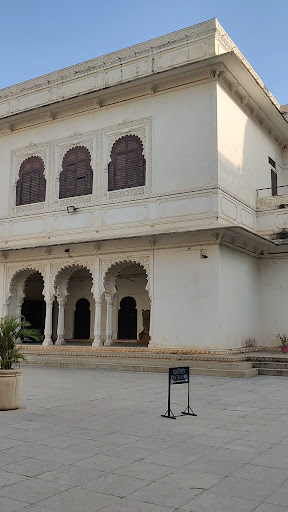
This palace is known for its brilliant architecture and history, and is named after the Sisodia Dynasty.
Padmini Palace
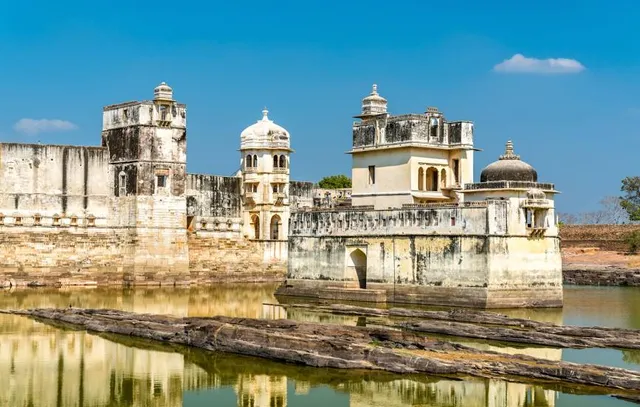
The mesmerizing palace is as beautiful as Queen Padmini was. It is the same palace in which Queen Padmini along with King Ratan Singh lived.
Meera Temple
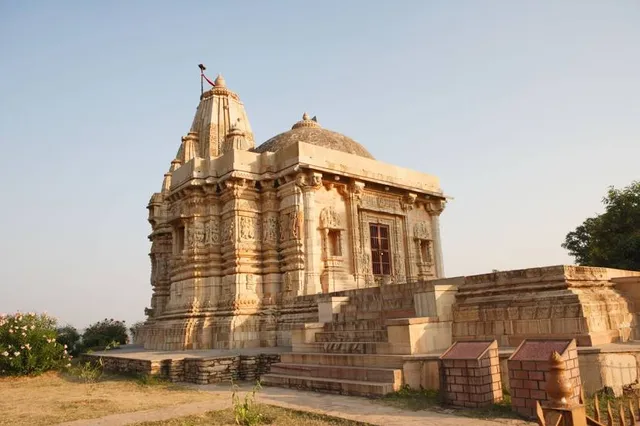
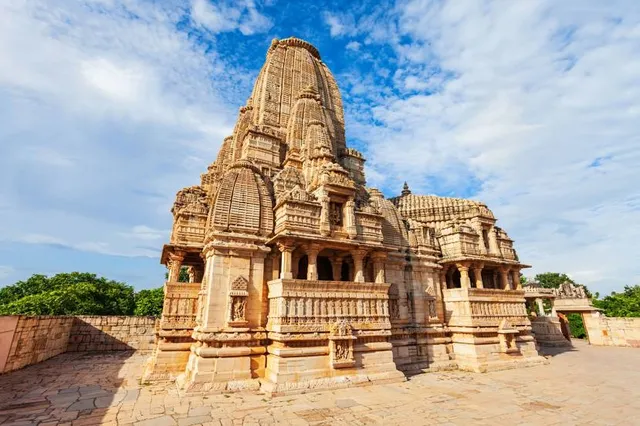
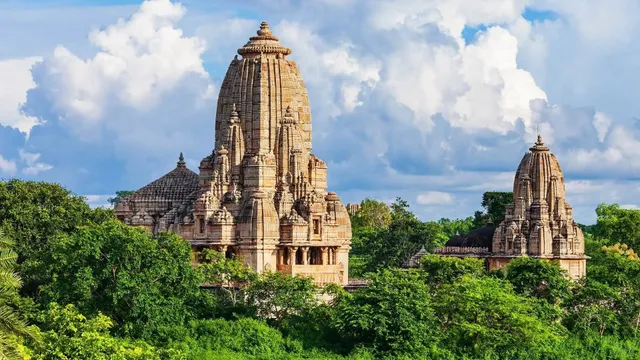
The Meera Temple is dedicated to Meera Bai, and was built by Maharana Kumbha in 1449.
Kalika Mata Temple
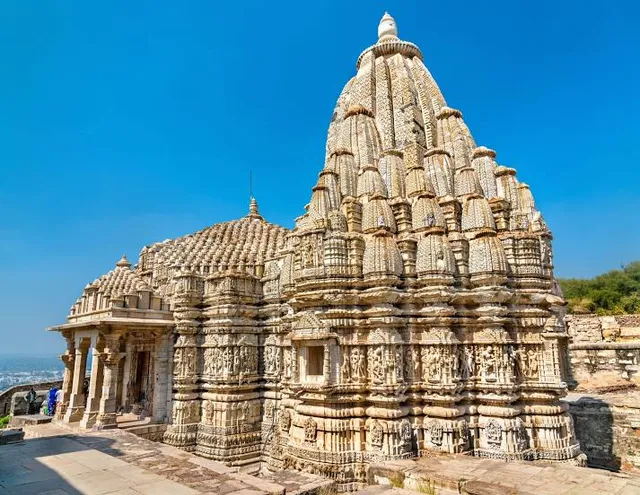
Built in the 14th century, the Kalika Mata Temple devoted to Goddess Kali has a magnificent architecture and fascinating art
Highlights of Chittorgarh Fort
The fort comprises of four palaces, nineteen temples, twenty water bodies and four memorials.
How to Reach Chittorgarh Fort
By Air
Once tourists arrive at the Dabok Airport, they will be flown to Chittorgarh, which lies at a distance of just 90 kms. Travelling by flight will save you a lot of time.
By Railways
If tourists are thinking of taking the train, then the rail network is well connected to numerous cities like Kota, Udaipur, Jaipur, Ajmer and Delhi. Another convenient and comfortable way of travelling, is boarding the Palace on Wheels, which too is connected to Chittorgarh station.
By Road
Tourists, who relish adventure and take pleasure in sweet time travel, can opt to travel to Chittorgarh through these routes: Jaipur (325 kilometers), Delhi (583 kilometers), Indoor (325 kilometers) and Ajmer (185...
Read moreChittorgarh Fort, located in Rajasthan, is an incredible UNESCO World Heritage site and one of the largest forts in India. Spanning 700 acres, this monumental fort is a testament to Rajput valor, resilience, and architectural brilliance. The fort is a must-visit for history buffs, architecture enthusiasts, and anyone keen to explore India’s medieval past.
Chittorgarh Fort sits atop a hill at an elevation of 1,000 feet, offering breathtaking views of the surrounding landscape. The fort's walls stretch over 13 kilometers and rise up to 20 meters high in certain sections. It is surrounded by a deep moat, which served as an additional defense mechanism. The fort’s strategic placement and its vast perimeter made it an ideal military stronghold.
The fort was originally built in the 7th century by the Maurya dynasty but expanded significantly under Maharana Kumbha in the 15th century, making it one of the most formidable forts in Rajasthan. Chittorgarh served as the capital of the Mewar Kingdom and witnessed several key historical events, including the famous sieges by Alauddin Khilji in 1303 and Mughal Emperor Akbar in 1567. The fort is deeply associated with the practice of Jauhar (self-immolation), particularly during the invasions when the women of the fort chose death over dishonor.
Structures: Vijay Stambh (Victory Tower): A towering 122-feet structure built by Maharana Kumbha in 1448 to commemorate his victory over Malwa and Gujarat. This nine-story tower is adorned with intricate carvings and inscriptions celebrating Rajput valor.
Rani Padmini's Palace: A stunning palace overlooking Padmini Lake, associated with the legend of Rani Padmini and Alauddin Khilji’s invasion. The views from here are absolutely stunning.
Meera Temple: Dedicated to Meera Bai, the revered poetess and devotee of Lord Krishna, this temple is serene and offers beautiful carvings that reflect her devotion.
Maharani Padmavati Palace: Though largely in ruins, this palace was once home to Rani Padmini and is a poignant reminder of royal life.
Fateh Prakash Palace: Built by Maharana Fateh Singh, this palace now houses a museum displaying historical artifacts such as paintings, sculptures, and weapons.
Gaumukh Kund: A sacred water reservoir with a spring flowing from a cow-shaped mouth. It was an essential water source during sieges.
Jain Shwetamber Temple: This beautifully carved temple dedicated to Lord Mahavir features intricate sculptures that reflect Jain philosophy.
The fort boasts an advanced water management system with 84 water bodies, including ponds, wells, and tanks. Gaumukh Kund is the most prominent, providing fresh water to the fort's inhabitants during long sieges.
Chittorgarh Fort is renowned for its historic battles. The most famous siege was by Alauddin Khilji in 1303, which led to the tragic Jauhar performed by the women of the fort. Another significant siege occurred in 1567 by Mughal Emperor Akbar, marking the fall of Mewar’s dominance. Despite these losses, the spirit of the Rajputs and their sacrifice continues to resonate within the fort's walls.
The fort is protected by seven major gates (Pols), each serving as a key entry point with strategic defenses. The main gates include:
Padmini Pol Known for its connection to Rani Padmini’s legend.
Ganesh Pol Adorned with Lord Ganesh carvings.
Suraj Pol Located on the northern side for military access.
Chittorgarh Fort is not just an architectural marvel but also a living testament to the bravery, sacrifice, and resilience of the Rajput rulers. Whether you're drawn to its rich history, majestic structures, or the legendary stories of battles and Jauhar, this fort offers a captivating journey...
Read moreA Timeless Symbol of Rajput Valor and Architectural Grandeur!
Visiting Chittorgarh Fort was a truly unforgettable experience. As the largest fort in India, this majestic site stands out for its magnificent architecture, resilient history, and spatial grandeur - it offers not just stunning views and historical monuments, but also a deep emotional connection to stories of courage, sacrifice, and pride that echo through its vast and ancient walls.
🏯 1. Majestic Scale & Preservation Chittorgarh is Asia’s largest hill fort, sprawling over a vast plateau with dual fortification walls stretching ~13 km.
Its semi-ruined yet remarkably preserved state draws admiration—often described as both “spectacularly well preserved” and “spectacularly huge.”
📜 2. Rich History and Monumental Beauty Vijay Stambh (Tower of Victory) and Kirti Stambh (Tower of Fame) are stunning with their detailed carvings and breathtaking views from the top.
Don’t miss Padmini’s Palace, Rana Kumbha’s Palace, serene reservoirs like Gaumukh Kund, and intricately carved Jain and Hindu temples sprinkled throughout the complex.
❤️ 3. Emotional & Cultural Resonance Chittorgarh is a sacred symbol of Rajput valor. The legendary Padmini’s Palace brings to life the dramatic history of jauhar—mass self-sacrifice—which occurred here three times in history.
Every structure seems to carry a soul, telling tales of resistance and resilience.
🏰 Highlights of Our Visit: 🗼 Vijay Stambh: A rewarding climb for panoramic views—absolutely worth the effort!
👑 Padmini’s Palace: Steeped in poignant legend and historical drama.
🏯 Rana Kumbha’s Palace: Rich in character, evoking the medieval Rajput era. ( Most of the things are placed in the city palace, Udaipur it seems )
🛕 Temples: The Jain and Hindu temples ( Kali, Shiva, Krishna, Meerabai, … ) are peaceful, detailed, and uniquely atmospheric.
Shopping: For those who love shopping, don’t miss Meera Art Palace, a unique shopping complex located inside the fort near Annapurna Temple. Here, you'll find beautifully crafted clothing made by local artisans, along with rare and exquisite items like bangles, perfumes, bed sheets, and more.
🚕 Getting Around: The fort is spread over 7 km, so using a tuk-tuk or vehicle is highly recommended.
We hired a local guide for ₹500, which was well worth it for the stories and context they provided.
💡 Tips for Fellow Travelers: 🗓️ Best Time to Visit: October to February—for cooler weather and easier exploration.
👟 What to Bring: Water, sunscreen, and comfortable walking shoes.
📍 Don’t Miss: The view from the top of Vijay Stambh—unforgettable!
🧑🏫 Hire a Guide: Adds deep meaning to what you see. We can also help the local people by hiring local guides.
✅ Pros: Immense historical and emotional depth Beautifully preserved structures Panoramic views from fort towers Peaceful spiritual spots like Gaumukh Kund Very reasonable entry fee & tuk-tuk/guided tour options
📸 Photography Lovers, Take Note: Every corner is postcard-worthy! From towering gateways to reflective water bodies and ornate temples, don’t forget your camera—you’ll want to capture everything!
🙏 Final Word: Going through Chittorgarh Fort felt like stepping into a living epic. It stirred something deep—awe, reverence, and inspiration. If you cherish heritage, history, or just the grandeur of ancient India, this place is...
Read more