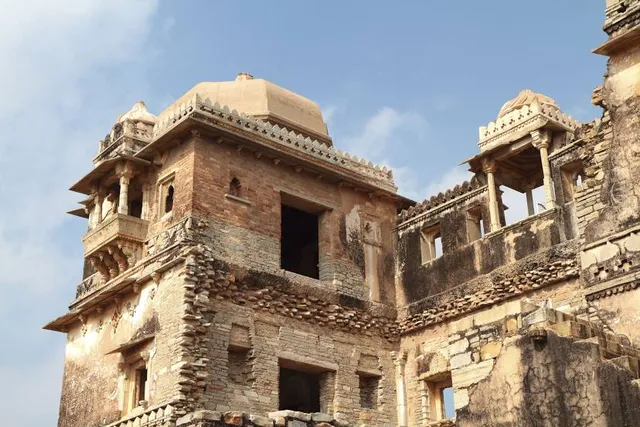
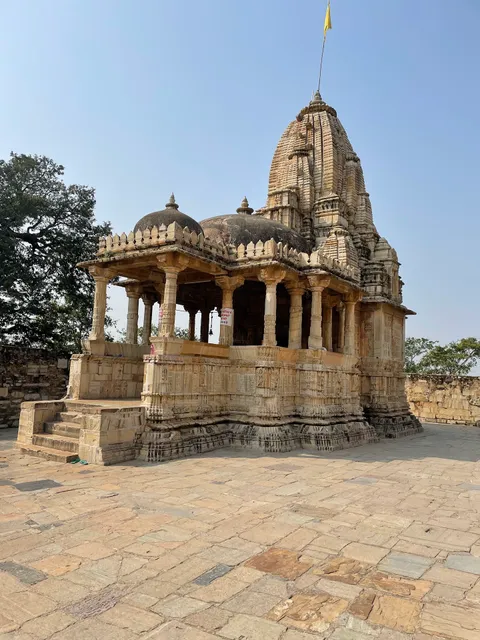
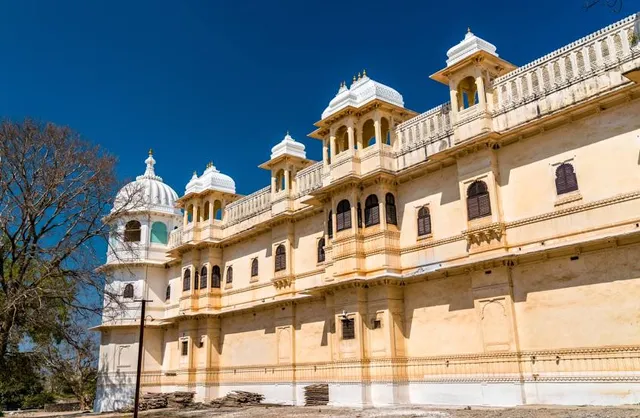
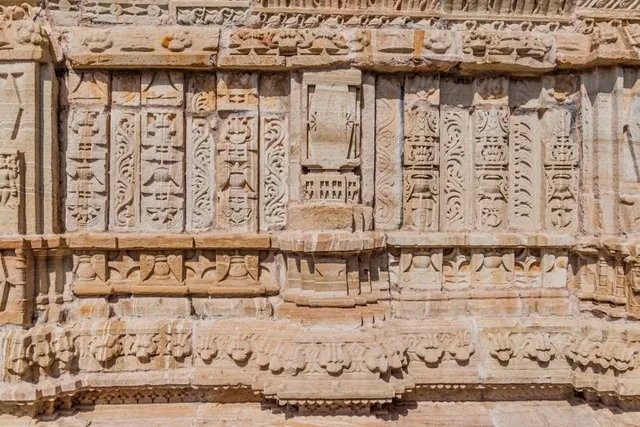
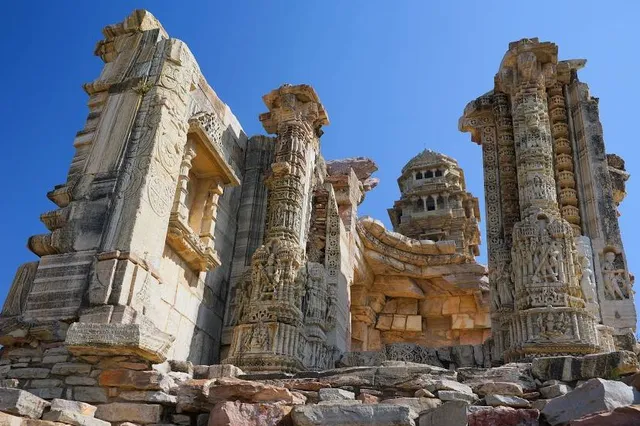
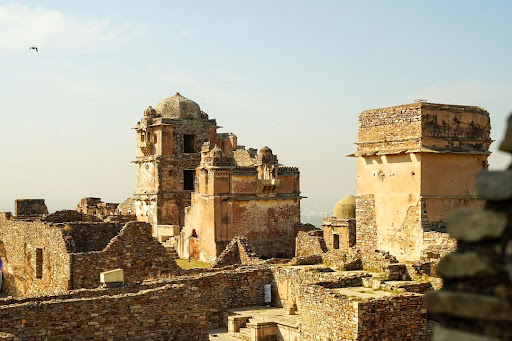
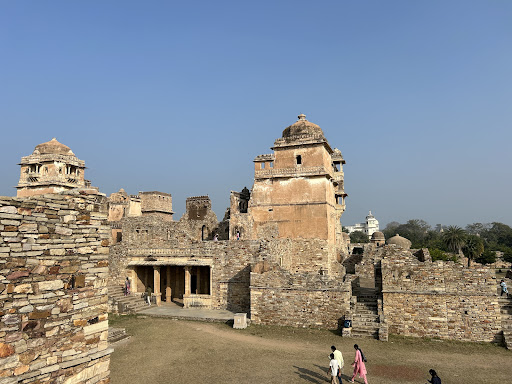
Based on your previous request, here is the English translation of the review about Rana Kumbha Palace in Chittorgarh Fort: A Review of Rana Kumbha's Palace in Chittorgarh Located within the majestic Chittorgarh Fort, Rana Kumbha's Palace is a living example of Rajasthan's glorious history and architectural prowess. Although the palace lies in ruins today, its grandeur and historical significance continue to captivate every visitor. The palace was originally reconstructed in the 15th century by Maharana Kumbha, a ruler known for his patronage of arts and culture. Upon entering the palace complex, the Surya Pol (Sun Gate) and Tripoliya Gate (Triple Gate) immediately hint at its former splendor. As you walk further in, the ruined courtyards, corridors, and structures transport you back to a magnificent era. The intricate carvings on the walls and the design of the arches showcase the remarkable skill of Rajput architecture. The most compelling aspect of Rana Kumbha's Palace is the historical tales that echo through every corner. It is believed that it was in the underground cellars of this very palace that Rani Padmini, along with thousands of other women, committed 'Jauhar' in 1303 CE to escape capture during Alauddin Khilji's invasion. This event has become a powerful symbol of Rajput pride and sacrifice. A section of the palace was also the residence of Rani Meera Bai, who was famous for her devotion to Lord Krishna. The essence of her devotional songs can still be felt within the walls of this palace. This is also where Panna Dhai sacrificed her own son to save the life of the young prince Udai Singh, who later founded the city of Udaipur. Despite its dilapidated state, the palace is filled with layers of history. From here, you can see a beautiful view of the Vijay Stambh (Tower of Victory), which Maharana Kumbha built to commemorate his victory over Sultan Mahmud Khilji of Malwa. This sight must have once symbolized the power and triumph of the kings who lived here. Walking through the palace ruins allows you to turn the pages of history. For some tourists, this might just seem like a pile of rubble, but for those with an interest in history, it is an unforgettable experience. The desolate structures and empty spaces give you a chance to feel the events of a time when this palace was a witness to royal life, battles, and sacrifices. In summary, Rana Kumbha's Palace is not just a building but a priceless relic of Chittorgarh's glorious past. This place narrates the saga of the valor, sacrifice, and artistry of the Rajputs. If you visit Chittorgarh, make sure to see this palace, because only here can you truly understand the real history and emotions of...
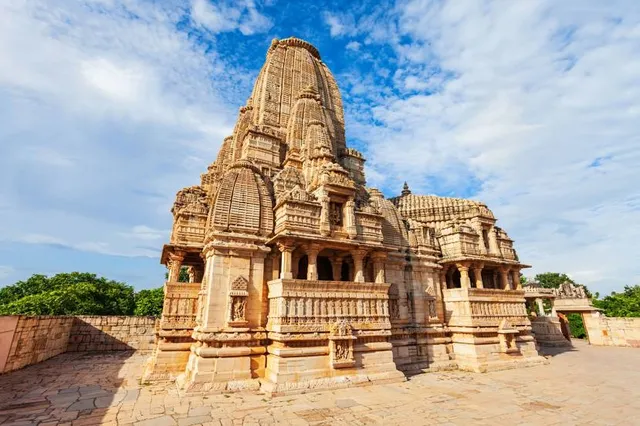
Read moreRana Kumbha Palace, situated within the historic Chittorgarh Fort in Rajasthan, stands as a testament to the architectural grandeur and rich history of the region. As a visitor, I was enthralled by the palace's captivating blend of Rajput and Mughal architectural styles, reflecting the cultural richness of its era.
Architectural Marvel: The palace, believed to be built in the 15th century by Rana Kumbha, showcases intricate craftsmanship with delicate arches, ornate carvings, and expansive courtyards. The attention to detail in every corner of the palace resonates with the aesthetic sensibilities of the Rajput rulers.
Historical Significance: Exploring Rana Kumbha Palace offers a deep dive into the historical narrative of Chittorgarh. It served as the residence of the esteemed ruler Rana Kumbha, known for his contributions to art, culture, and architecture. The palace witnessed significant events, making it a living chronicle of the valor and legacy of the Mewar dynasty.
Vijay Stambh View: One of the highlights of the palace is the panoramic view it offers of the famous Vijay Stambh (Tower of Victory). From certain vantage points within the palace, visitors can appreciate the architectural splendor of the tower, which adds to the overall allure of the site.
Courtyards and Galleries: The palace's well-designed courtyards and galleries provide a serene ambiance for visitors to immerse themselves in the historical ambiance. The open spaces allow for a leisurely exploration, offering glimpses into the lifestyle of the royalty and the artistic endeavors of the time.
Preservation and Maintenance: I was impressed by the efforts taken for the preservation and maintenance of Rana Kumbha Palace. The responsible upkeep ensures that visitors can witness the palace in a state that captures its former glory, allowing for a more immersive experience.
Cultural Connection: Rana Kumbha Palace not only serves as a historical site but also as a cultural link to Rajasthan's regal past. The architectural features and the artifacts within the palace contribute to a richer understanding of the region's cultural heritage.
In conclusion, a visit to Rana Kumbha Palace is a journey through time, offering a glimpse into the opulence and historical significance of Chittorgarh. The palace's architectural splendor, coupled with its cultural and historical importance, makes it a must-visit destination for those fascinated by the legacy of Rajasthan's...
Read moreSure, here's a guideline for visiting Chittorgarh:
Planning:
Best Time to Visit: October to March offers pleasant weather. Transport: Reach by road (buses, taxis) or train to Chittorgarh, and then local transport to the fort. Accommodation: Stay in Chittorgarh city; various options are available to suit different budgets.
Visiting the Fort:
Entry Tickets: Purchase tickets at the entrance. Timings: The fort is open from sunrise to sunset; plan your visit accordingly. Guides: Consider hiring a local guide for historical insights and hidden stories. Comfortable Clothing and Footwear: Wear comfortable clothes and shoes suitable for walking and exploring.
Exploring the Fort:
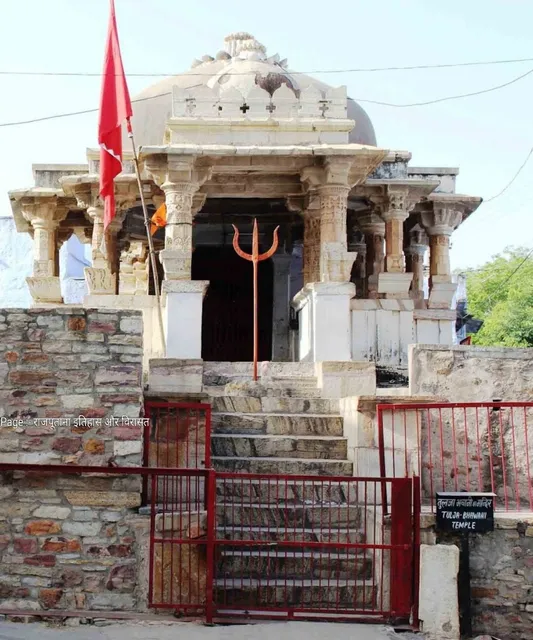
Main Attractions: Visit the Vijay Stambh (Victory Tower), Kirti Stambh (Tower of Fame), Rana Kumbha Palace, Padmini Palace, and various temples within the fort. Scenic Spots: Don't miss Gaumukh Reservoir, which offers a panoramic view of the surroundings. Photography: Capture the stunning architecture, panoramic views, and intricate carvings but note any restrictions on photography at specific locations.
Other Tips:
Hydration and Snacks: Carry water and light snacks; there might not be many food options inside the fort. Respect Local Customs: Respect the religious places and local customs while exploring. Sun Protection: Carry sunscreen, hats, and sunglasses as it can get quite sunny. Take Your Time: The fort is vast; allocate sufficient time to explore and absorb its history and beauty without rushing.
Safety Precautions:
Terrain: Some areas might have uneven paths and stairs; watch your step. Crowds: Visit early to avoid large crowds, especially during peak tourist seasons.
Following these guidelines will ensure a memorable and enriching experience while exploring the grandeur of...
Read more