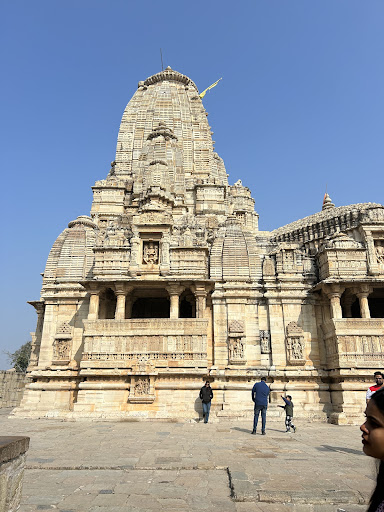
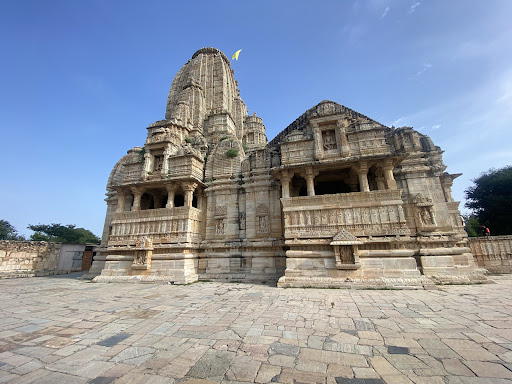
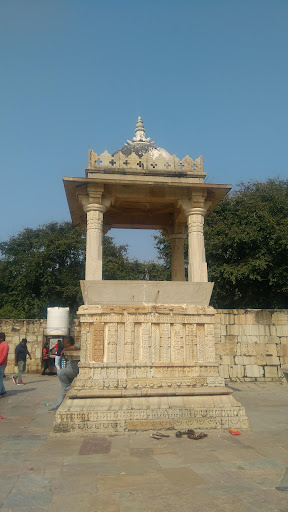
Kumbhshyam Temple things to do, attractions, restaurants, events info and trip planning
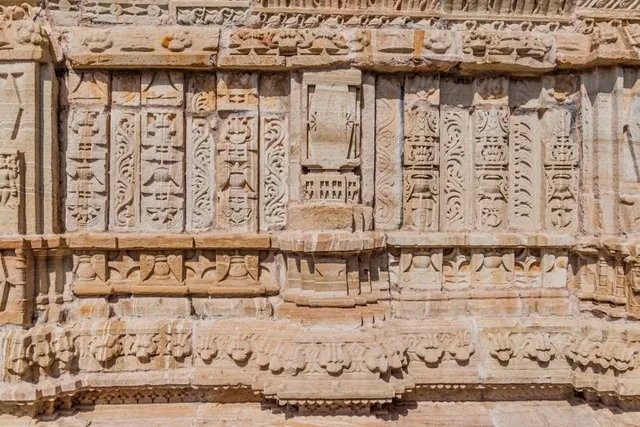
Basic Info
Kumbhshyam Temple
VJRW+627, Chittor Fort Rd, Chittorgarh Fort Village, Chittorgarh, Rajasthan 312025, India
4.6(49)
Open until 12:00 AM
Save
spot
spot
Ratings & Description
Info
Cultural
Family friendly
attractions: Meera Temple, Rana Kumbha Palace, Fateh Prakash Palace, Samadhisvara Mahadev Temple at Chittorgarh fort, Gaumukh Kund Shivling, Chittorgarh Fort, Suraj Pol, Tulja Bhawani Temple, Neelkanth Mahadev Temple, Jorla Pole, restaurants: GANGOUR RESTAURANT -RAJASTHANI | Punjabi | Gujrati Food | Maharashtrian | Food Delivery in Train, The Victory Restaurent, Jai Chittor Restaurant, MUGS4BUDS CAFE CHITTORGARH., SHRI NATH RESTAURANT |Pure Veg | Best Rajasthani |Gujrati | Punjabi| Best for Groups under Rs.200, SHRI BARBARIK RESTAURANT CHITTORGARH - Rajasthani - Gujrati - Punjabi, JMD Pizzaria, Gadh Kumbha Restaurant, local businesses: Meera Temple, Jauhar Place, Shri Baan Mata Temple
 Learn more insights from Wanderboat AI.
Open hoursSee all hours
SatOpen 24 hoursOpen
Plan your stay

Pet-friendly Hotels in Rajasthan
Find a cozy hotel nearby and make it a full experience.

Affordable Hotels in Rajasthan
Find a cozy hotel nearby and make it a full experience.

The Coolest Hotels You Haven't Heard Of (Yet)
Find a cozy hotel nearby and make it a full experience.

Trending Stays Worth the Hype in Rajasthan
Find a cozy hotel nearby and make it a full experience.
Reviews
Nearby attractions of Kumbhshyam Temple
Meera Temple
Rana Kumbha Palace
Fateh Prakash Palace
Samadhisvara Mahadev Temple at Chittorgarh fort
Gaumukh Kund Shivling
Chittorgarh Fort
Suraj Pol
Tulja Bhawani Temple
Neelkanth Mahadev Temple
Jorla Pole
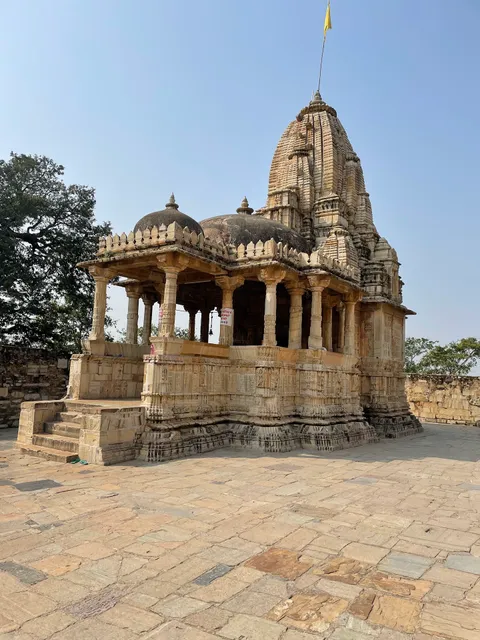
Meera Temple
4.6
(640)
Closed
Click for details
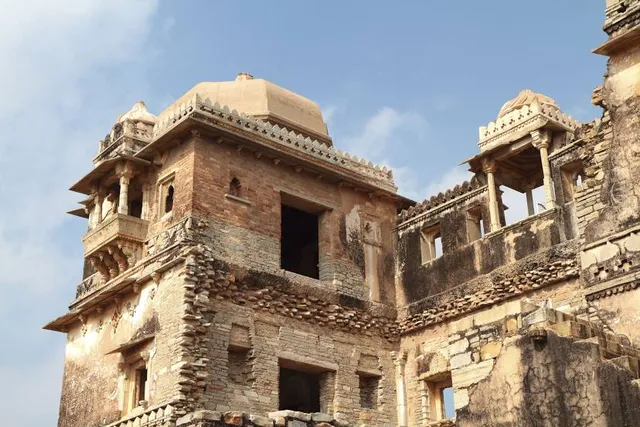
Rana Kumbha Palace
4.5
(625)
Closed
Click for details
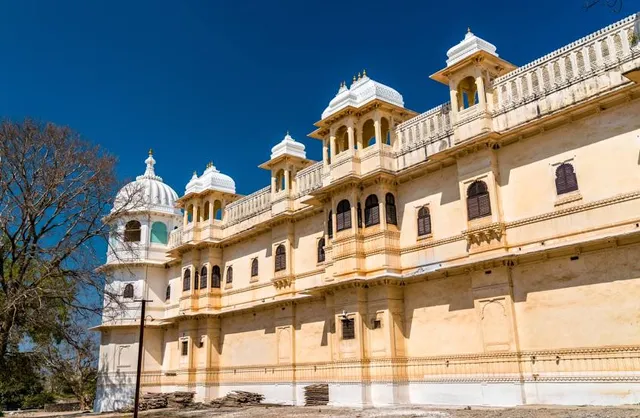
Fateh Prakash Palace
4.5
(446)
Closed
Click for details
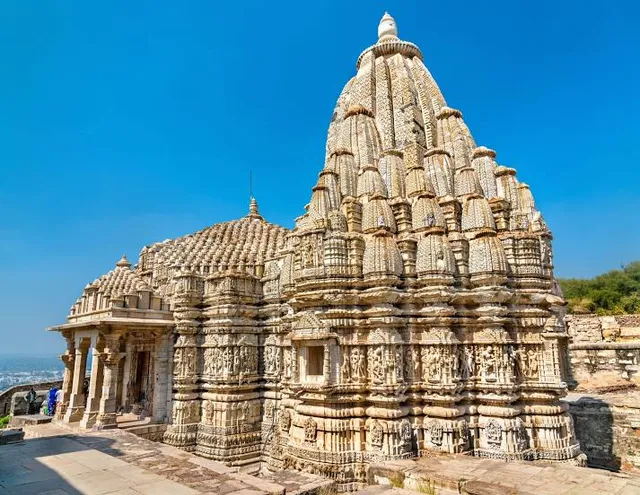
Samadhisvara Mahadev Temple at Chittorgarh fort
4.7
(121)
Closed
Click for details
Nearby restaurants of Kumbhshyam Temple
GANGOUR RESTAURANT -RAJASTHANI | Punjabi | Gujrati Food | Maharashtrian | Food Delivery in Train
The Victory Restaurent
Jai Chittor Restaurant
MUGS4BUDS CAFE CHITTORGARH.
SHRI NATH RESTAURANT |Pure Veg | Best Rajasthani |Gujrati | Punjabi| Best for Groups under Rs.200
SHRI BARBARIK RESTAURANT CHITTORGARH - Rajasthani - Gujrati - Punjabi
JMD Pizzaria
Gadh Kumbha Restaurant
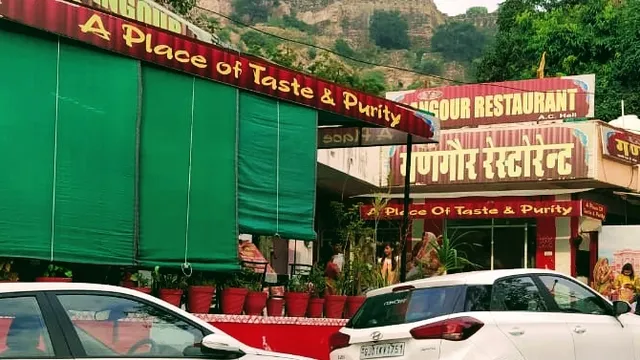
GANGOUR RESTAURANT -RAJASTHANI | Punjabi | Gujrati Food | Maharashtrian | Food Delivery in Train
4.5
(786)
Closed
Click for details
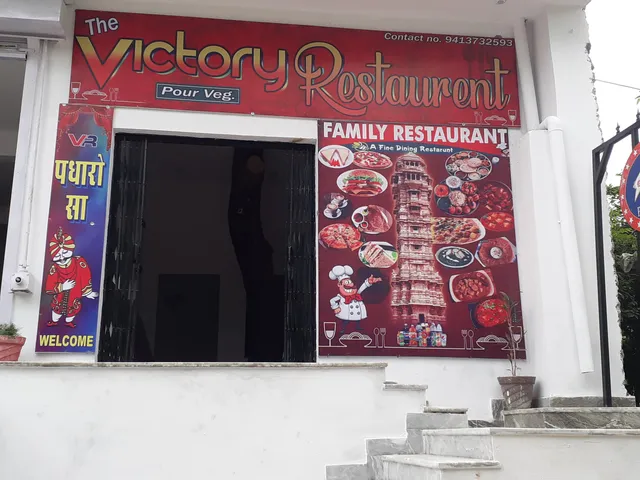
The Victory Restaurent
4.2
(9)
Closed
Click for details
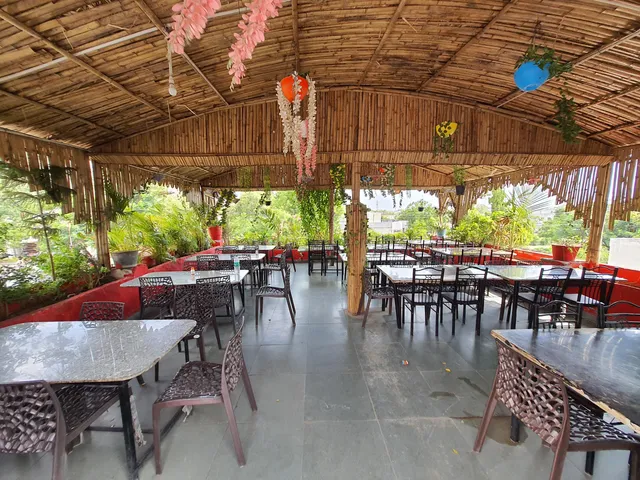
Jai Chittor Restaurant
4.0
(642)
Closed
Click for details
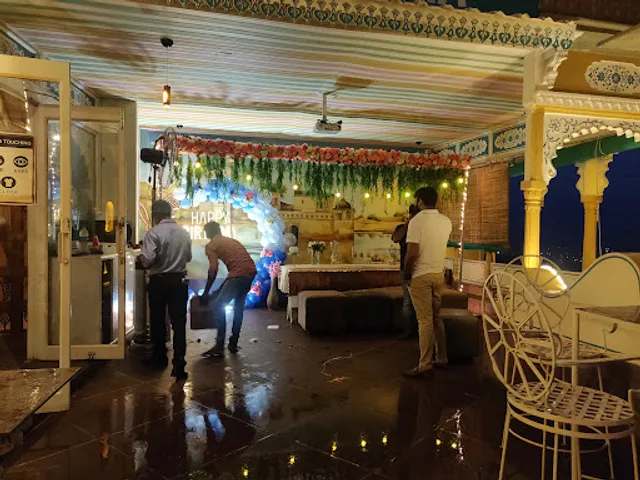
MUGS4BUDS CAFE CHITTORGARH.
4.4
(521)
Closed
Click for details
Nearby local services of Kumbhshyam Temple
Meera Temple
Jauhar Place
Shri Baan Mata Temple
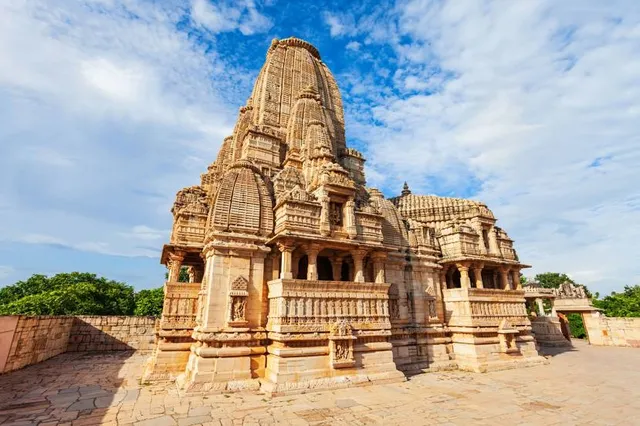
Meera Temple
4.6
(562)
Click for details
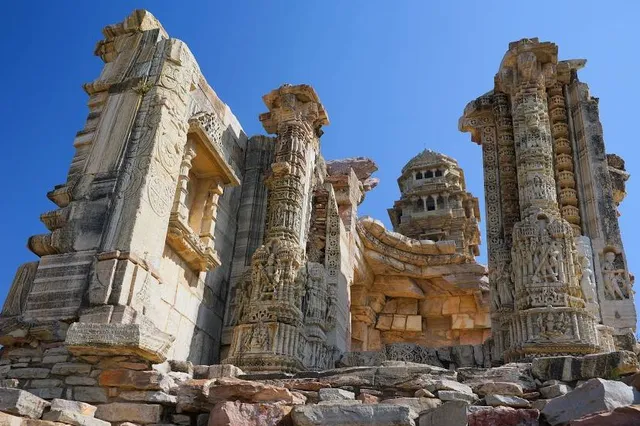
Jauhar Place
4.4
(148)
Click for details
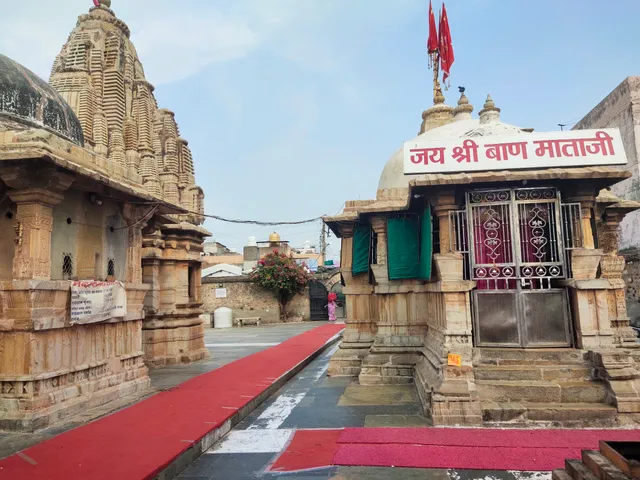
Shri Baan Mata Temple
4.7
(486)
Click for details