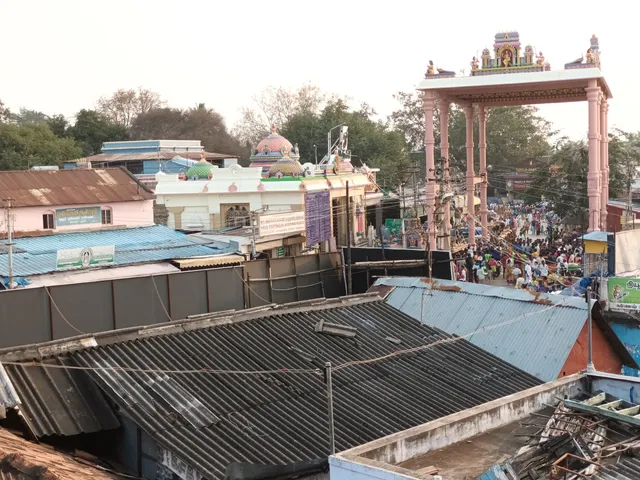
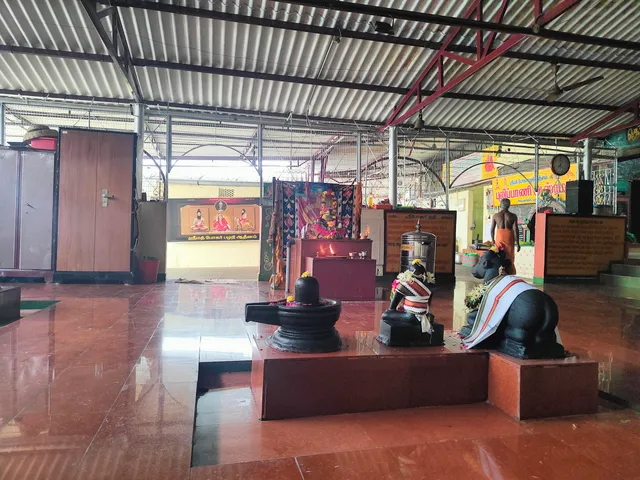
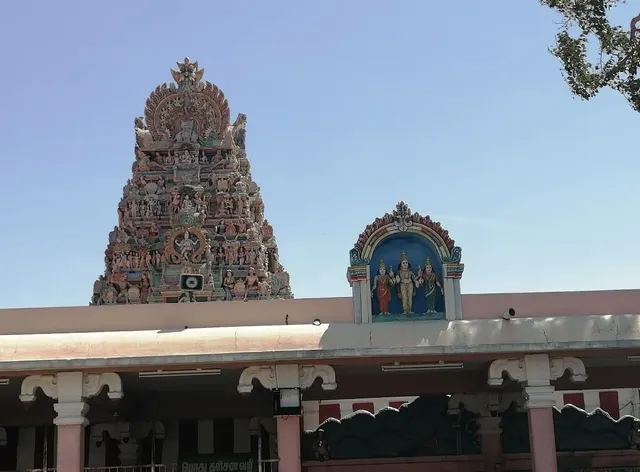
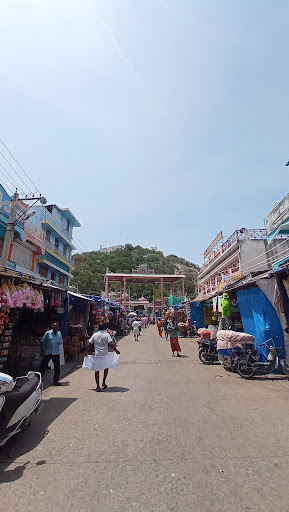
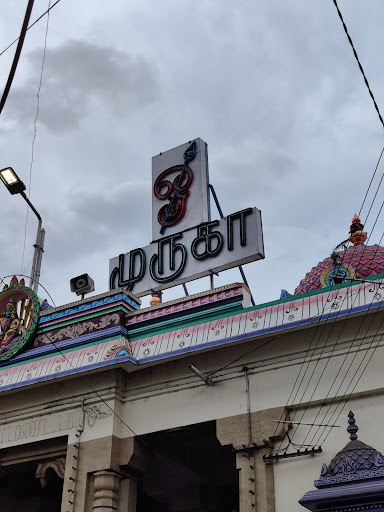
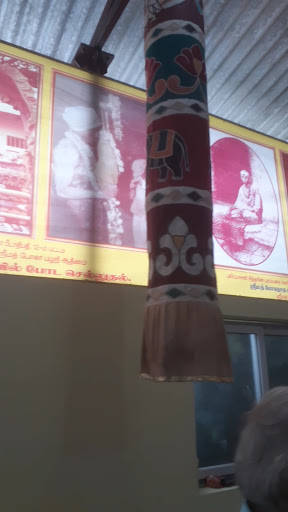
Palani Murugan Temple Palani has been mentioned in Tamil Sangam literature as "Podhini", which came to be called as Palani later. This temple is situated in Palani Town and a Taluk in Dindigul District. It is an ancient and very big temple getting a large income among all the temples in TamilNadu. This temple is one among the Six Padaiveedus (abode) of Lord Muruga.that is the third Padaiveedu namely Arulmigu Thiruvaavinankudi temple which is one of the subtemples of this temple. Many "Siddhas" are said to have lived in this region. The idol of Palani Andavar is said to have been made of "Navapashanam" by Siddhar Bogar. Thai Poosam and Panguni Uthiram are very famous festivals and a large number of devotees are coming here for those festivals. 38 sub-temples are attached with this temple. It belongs to 9th century and the king namely Cheraman Peruman constructed this temple. As per the historical records the main Deity Arulmigu Palaniandavar idol is consisted of Navapashanam, ie a combination of 9 poisonous herbals mixed in a proportion to give a high medicinal power to cure the diseases of immunity and it was designed and made up by a siddar named Bohar.
The Thiruvaavinankudi temple (Adhi) is said to be the temple in Adivaram. Lord muruga, stayed for a while and went up the hill. so both the hill temple and Thiruvaavinankudi are considered to be the places of sancity.
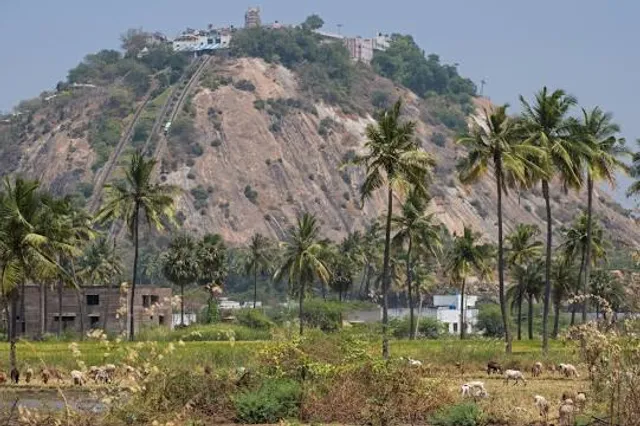
Height of the Hill Temple : 50 M
Total no. of Steps : 693
Direction the Temple : Towards WEST
Pragaram around the Hill(Giriveethi) : 2.4 KM
Mythology Sage Narada once visited the celestial court of Lord Shiva at Mount Kailash to present to Him a fruit, the gyana-pazham (literally, the fruit of knowledge), that held in it the elixir of wisdom.
Upon Lord Shiva expressing his intention of dividing the fruit between his two sons, Ganesha and Karthikeya, the Sage counselled Him against cutting it. There at, He decided to award it to which ever of his two sons first circled the world thrice. Accepting the challenge, the Lord Karthikeya started his journey around the globe on his sacred bird, the peacock.
However, Lord Ganesha, who surmised that the world was no more than his parents Shiva and Shakti, circumambulated them. Pleased with their son's discernment, Lord Shiva awarded the fruit to Lord Ganesha. When the Lord Subrahmanya returned, he was furious to learn that his efforts had been in vain. In deep dudgeon, he decided to leave Mount Kailash, and take up his abode in a place where the land and people would be unequivocally his and for him. Thus, it was that He came to what is today known as Palani, a name derived from the manner of His Parents trying to mollify him and prevail upon him to return to Kailash - Gnana Pazham Nee appa (Tamil for "You are the fruit of wisdom sire") and thus, implying that being the embodiment of wisdom, he had no need for the fruit. Thus, being the abode of wisdom, the place took on its master's name - Pazham Nee or Pazhani, anglicised as Palani.
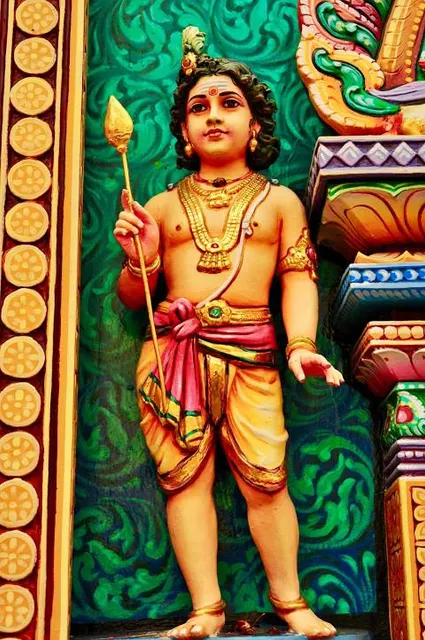
Navapashanam The icon made by siddha Bhogar by combining nine poisonous substances (Navapashanam). The deity of Palani is known as Dandayudhapani Swami, The Lord having the Staff in his Hand. The deity at the sanctum sanctorum is made out of an amalgam of nine minerals popularly called Navapashanam. Some people say it is a combination of medicinal herbs. It consits of the following items : Veeram, Pooram, Rasam, Jathilingam, Kandagam, Gauri Pasanam, Vellai Pasanam, Mridharsingh, Silasat. The deity is in a standing position with a baton in his hand. He has the look of a person who has renounced all worldly pomp. He has just a loincloth besides the baton. He is a mute messenger of the great precept 'Renounce all to reach Me'. The icon is unique in the whole world. It was made by siddha Bhogar by combining nine poisonous substances (Navapashanam). Murugan signifies beauty and Lord Murugan of Kurinji land is the god of...
Read morePalani Andavar is a prominent Hindu deity worshipped primarily in the Tamil Nadu region of India. He is also known as Lord Murugan or Kartikeya, the son of Lord Shiva and Goddess Parvati, and the brother of Lord Ganesha. The name "Palani Andavar" refers specifically to the deity in the Palani Temple, which is one of the six sacred abodes of Lord Murugan, known as the Arupadai Veedu.
Palani Temple: The Palani Temple, located on a hill in the town of Palani in Tamil Nadu, is a major pilgrimage site. The temple is situated at an elevation of 1,500 feet (450 meters) and attracts millions of devotees annually. The deity here is worshipped in the form of a young, ascetic Murugan, who is depicted holding a spear, a symbol of his warrior aspect. His image is made of Panchaloha (an alloy of five metals), and it is unique for its simplicity and grace.
Legends and History:
The legend of Palani Andavar is closely linked to the story of Lord Murugan's divine battle with the demon Soorapadman. It is believed that Murugan, after defeating the demon, established his presence in Palani.
The name "Palani" is believed to come from a combination of two Tamil words: "Pazham" (fruit) and "Nee" (you), which means "You are the fruit." This refers to a popular story in which Murugan’s mother, Parvati, gave him a fruit as a prize for a race between him and his brother, Ganesha. Murugan’s swift decision to complete the race by circumambulating his parents instead of physically racing, while Ganesha took his time, led to him receiving the fruit.
Pilgrimage and Rituals:
Devotees often undertake a physically demanding journey to the top of the hill, either by walking up the 693 steps or by riding a palki (palanquin). The path is lined with small temples and statues that illustrate the journey of Lord Murugan.
Special rituals and festivals, especially Thai Poosam and Skanda Shashti, are observed in honor of Lord Murugan at Palani and other Murugan temples.
Importance:
Palani Andavar is known as a deity of wisdom, courage, and knowledge. Devotees believe that worshiping Palani Andavar brings blessings in overcoming obstacles, gaining wisdom, and achieving success.
The Palani temple is also a popular destination for those seeking spiritual growth, as it is known for its tranquil and serene atmosphere.
The Palani Temple holds both religious and cultural significance, representing a deep connection between the worship of Lord Murugan and the...
Read morePalani, located in the southern state of Tamil Nadu, India, is a charming town known for its spiritual significance and natural beauty. The town is famous for the ancient Palani Murugan Temple, dedicated to Lord Murugan, which attracts pilgrims and tourists from all over the country.
The Palani Murugan Temple is perched atop a hill and offers breathtaking panoramic views of the surrounding landscapes. The journey to the temple involves climbing a steep flight of steps, but it's worth it for the sense of accomplishment and the stunning vistas. The temple itself is architecturally impressive, with intricate carvings and a serene atmosphere that encourages meditation and reflection.
Apart from its spiritual significance, Palani is also known for its lush greenery and proximity to the Western Ghats. The Palani Hills offer opportunities for nature enthusiasts to explore trekking trails and experience the region's rich biodiversity. The Kurinji Andavar Temple, nestled amidst these hills, is particularly famous for the rare Kurinji flowers that bloom here once every 12 years.
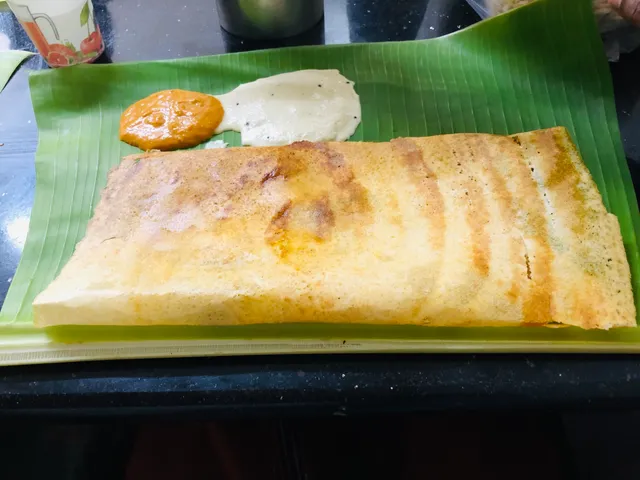
The town of Palani has a unique charm, with bustling markets that offer a variety of souvenirs, traditional handicrafts, and delectable South Indian cuisine. The local cuisine, especially the dosas and idlis, are a must-try for food lovers.
However, it's important to note that Palani can get quite crowded during peak pilgrimage seasons, so planning your visit accordingly is advisable. Overall, Palani is a captivating destination that seamlessly combines spirituality, natural beauty, and cultural experiences, making it a place that leaves a lasting impression...
Read more