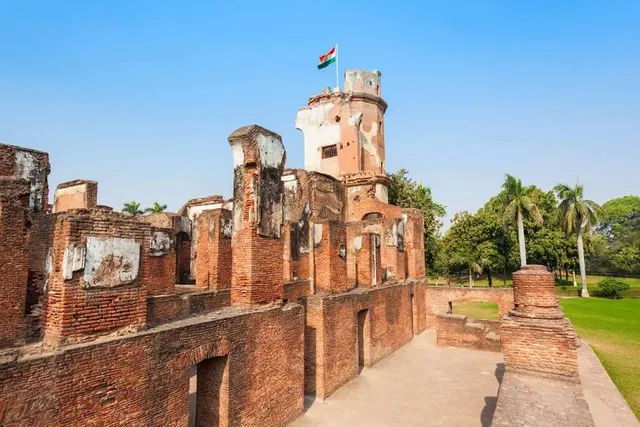
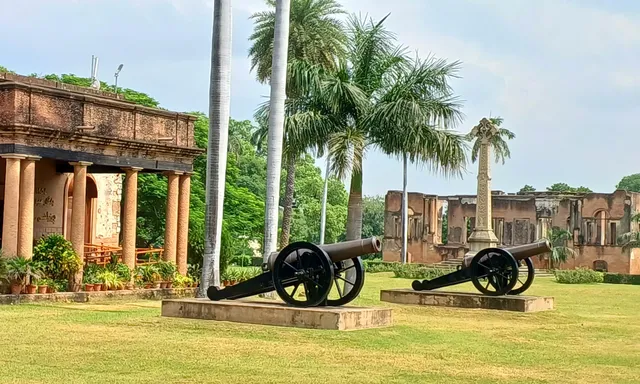
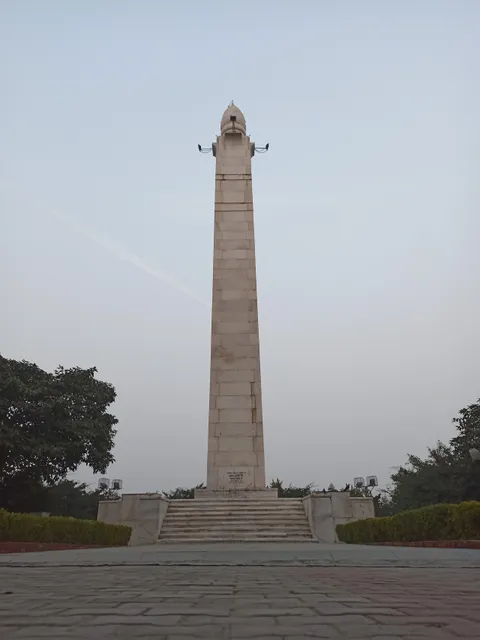
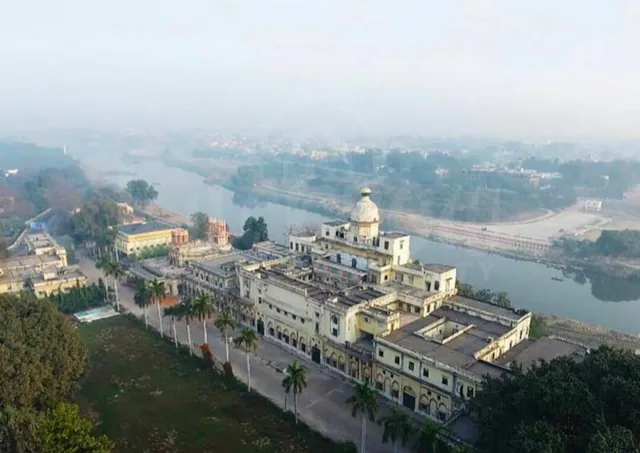
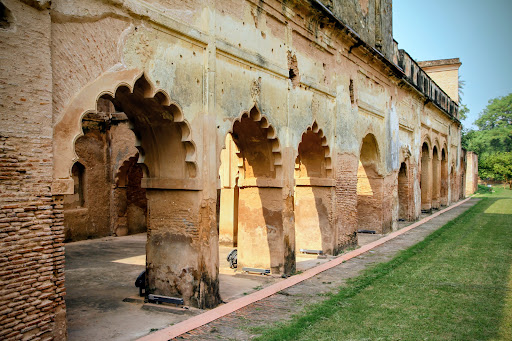
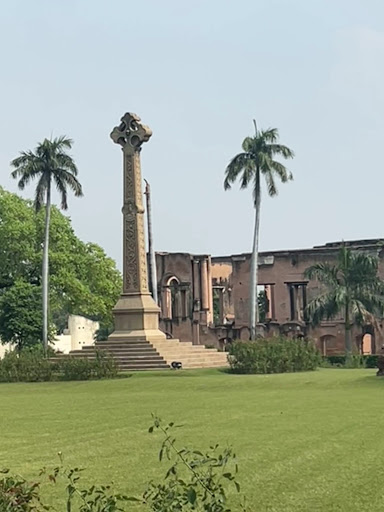
The remains of the British residency have been preserved very well. The place is symbolic of the first war of independence in 1857 and some of the stories there relive the event. The small museum to is worth the visit I feel one should allocate atleast around 1 hour at a non sunny time. and Culture & history always speaks, you can feel it by visiting The British Residency in Lucknow.It has mostly the ruins of the great Indian Rebellion of 1857. It is a very unique photogenic heritage place.It has been declared a protected monument by The Archaeological Survey of India. It is very nice to see buildings without roof because they ruined during 1857. and Excellent. Unmissable. Number 1 on a list of sights to visit in Lucknow. It’s correct name is The Residency, not the British Residency. No one who visits Lucknow should fail to visit this place. It’s the site of the 1857 First War of Independence when Indians and British clashed in bloody conflict resulting in horrific fatalities on both sides. Buildings were shattered and left as they were after the combat providing a poignant memory of the battle. Although the site is sizeable, well maintained pathways render it easily walkable. There’s so much to see, so much to absorb and think about. The green spaces are well maintained, staff are pleasant and efficient. A sad period in history lingers on long in the memory. A small museum is attached with very interesting exhibits and displays that echo the conflict. One could spend a whole day here in pensive thought. Lucknow City Corporation ( or whichever body is responsible for the site ) should be congratulated on a job well done. actually The Residency, also called as the British Residency and Residency Complex, is a group of several buildings in a common precinct in the city of Lucknow, Uttar Pradesh, India. It served as the residence for the British Resident General who was a representative in the court of the Nawab. The Residency is located in the heart of the city, in the vicinity of other monuments like Shaheed Smarak, Tehri Kothi and High Court Building. It was constructed during the rule of Nawab Saadat Ali Khan II, who was the fifth Nawab of the province of Awadh (British spelling Oudh). Construction took place between 1780 and 1800 AD. Between 1 July 1857 and 17 November 1857 the Residency was subject to the Siege of Lucknow, part of the Indian Rebellion of 1857. The Residency now exists as ruins. and at present state The Residency has been maintained as it was at the time of the final relief, and the shattered walls are still scarred by cannon shot. Ever since Indian Independence, little has changed. The ruined building is surrounded by lawns and flowerbeds and is a tourist attraction nowadays. The cemetery at the nearby ruined church has the graves of 2000 men, women and children, including that of Sir Henry Montgomery Lawrence who died during the siege,the Ruins of the British Residency There is a weathered epitaph near the grave of Sir Henry that reads "Here lies the son of Empire who tried to do his duty" while another nearby grave reads "Do not weep my children, for I am not dead, but am sleeping here." A light and sound show to display the history of the Residency is also played...
Read moreTitle: The Residency of Lucknow: A Timeless Symbol of Colonial History and Architectural Splendor
Rating: 4.7/5
Nestled amidst the serene landscape of Lucknow lies The Residency, a historical gem that beckons visitors to immerse themselves in the rich tapestry of colonial history and architectural grandeur. My recent exploration of this iconic landmark left me captivated by its timeless charm, evocative ruins, and poignant tales of the past, making it a must-visit destination for history enthusiasts and culture aficionados alike.
Constructed in the early 19th century as the official residence for the British Resident General, The Residency served as a symbol of colonial power and authority during the tumultuous period of British rule in India. Today, it stands as a poignant reminder of the resilience and fortitude of its inhabitants, who endured a 147-day siege during the Indian Rebellion of 1857, leaving behind a legacy of courage and sacrifice that echoes through the ages.
The architectural splendor of The Residency is evident in its majestic buildings, sprawling gardens, and intricate detailing, which reflect the amalgamation of British and Mughal influences prevalent during the era. As you wander through the labyrinthine corridors and crumbling facades, you're transported back in time to an era of opulence and intrigue, where history unfolds at every turn.
One of the highlights of The Residency is its meticulously preserved ruins, which bear the scars of battle yet exude a haunting beauty that is impossible to ignore. From the shattered remnants of the Banqueting Hall to the bullet-riddled walls of the Residency Church, each structure tells a compelling story of resilience and endurance, serving as a poignant tribute to those who lived and died within its walls.
Moreover, The Residency's serene surroundings provide a tranquil retreat from the hustle and bustle of modern life, inviting visitors to stroll through its verdant gardens, tranquil courtyards, and shaded pathways at their leisure. Whether you're a history buff seeking to uncover the secrets of the past or simply a traveler in search of solace and serenity, The Residency offers a sanctuary for contemplation and reflection amidst the chaos of the world.
While my experience at The Residency was overwhelmingly positive, there were a few areas where I believe there is room for improvement. Enhanced signage, informative plaques, and guided tours could further enrich the visitor experience, providing valuable insights into the historical significance of each landmark and artifact.
In conclusion, The Residency of Lucknow stands as a timeless symbol of colonial history and architectural splendor, inviting visitors to embark on a journey through time and space. With its evocative ruins, poignant tales, and serene surroundings, it continues to captivate the imagination and inspire awe in all who have the privilege of treading its hallowed grounds. Whether you're a history enthusiast, a culture aficionado, or simply a curious traveler, The Residency offers an unforgettable experience that transcends time and leaves an indelible mark...
Read moreLucknow, the capital city of Uttar Pradesh in India, is renowned for its rich cultural heritage, historical monuments, and vibrant lifestyle. As a resident, there are several facets that define the experience of living in this city.
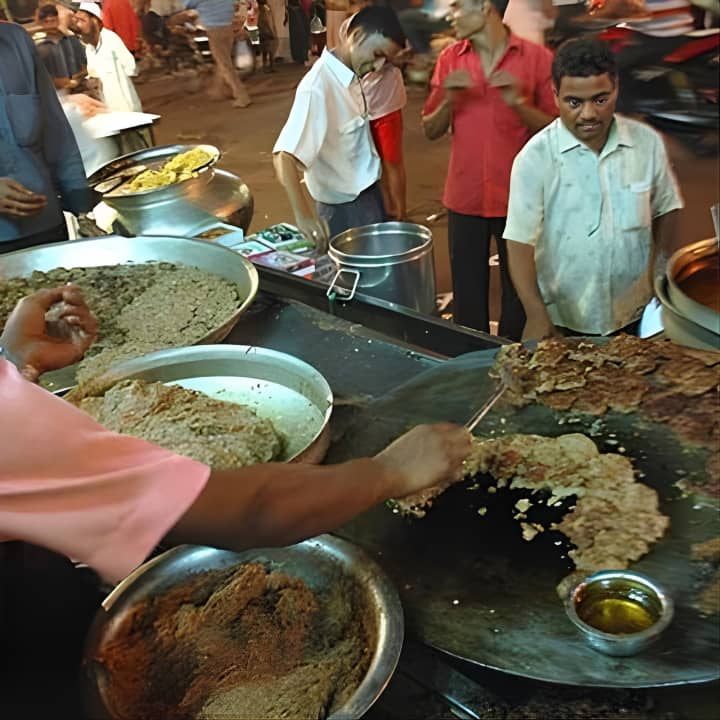
Firstly, Lucknow's cultural tapestry is woven with a blend of traditions from Awadh and Mughal influences. The city is famous for its etiquette, known as "tehzeeb," which reflects in its language, cuisine, and hospitality. Residents often take pride in their articulate Urdu and the traditional Nawabi cuisine, which includes kebabs, biryanis, and sweets like "shahi tukda."
The architectural marvels of Lucknow, such as the Bara Imambara, Chota Imambara, and Rumi Darwaza, stand as testament to its glorious past. These monuments not only attract tourists but also serve as landmarks that residents cherish, often visiting them for leisurely walks or during festivals like Eid and Muharram.
The city's educational institutions, including the prestigious La Martiniere College, Lucknow University, and the Indian Institute of Management Lucknow, contribute significantly to its intellectual vibrancy. Students from all over the country come here to pursue higher education, adding to the city's cosmopolitan character.
Lucknow's markets, such as Hazratganj and Aminabad, offer a delightful shopping experience with a mix of modern malls and traditional bazaars. Residents enjoy shopping for Chikankari garments, handicrafts, and jewelry, making these markets bustling hubs of activity.
Socially, Lucknow is known for its festivals like Diwali, Holi, and the famous Lucknow Mahotsav, which celebrate the city's cultural diversity. These events foster community spirit and provide opportunities for residents to come together and enjoy music, dance, and local cuisine.
However, like any growing city, Lucknow faces challenges such as traffic congestion and infrastructure development. Efforts are continually made to improve public transportation and expand road networks to accommodate its growing population.
In conclusion, Lucknow offers a unique blend of history, culture, and modernity that enriches the lives of its residents. Whether enjoying a kebab at a roadside eatery or strolling through its historical monuments, residents find a sense of belonging in this city that seamlessly blends tradition...
Read more