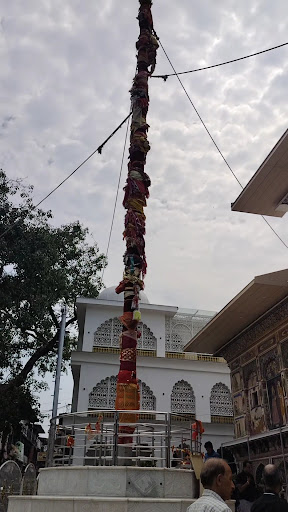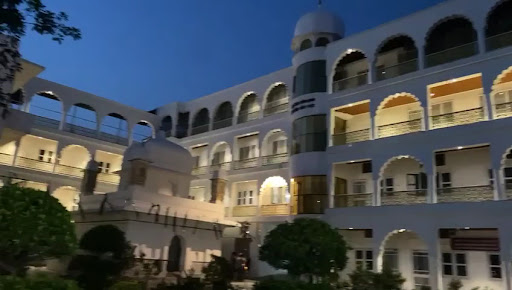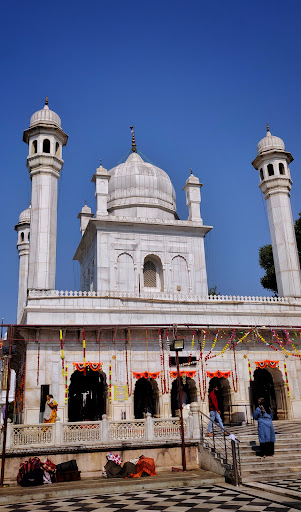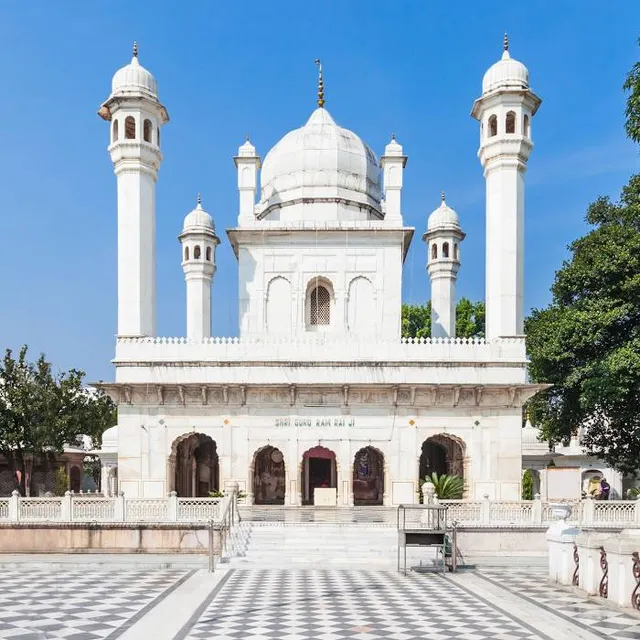
Guru Ram Rai Darbar Sahib is a Sikh place of worship in Dehradun, India, dedicated to Baba Ram Rai, eldest son of Guru Har Rai, the seventh of the ten Sikh Gurus.
 Learn more insights from Wanderboat AI.



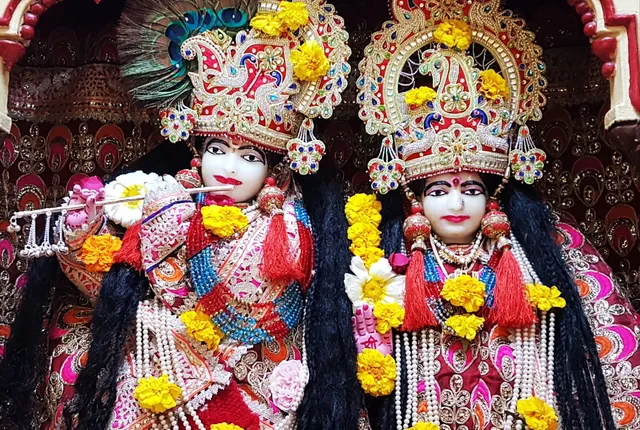
Bhawan Shri Kālikā Mata Mandir
4.6
(251)
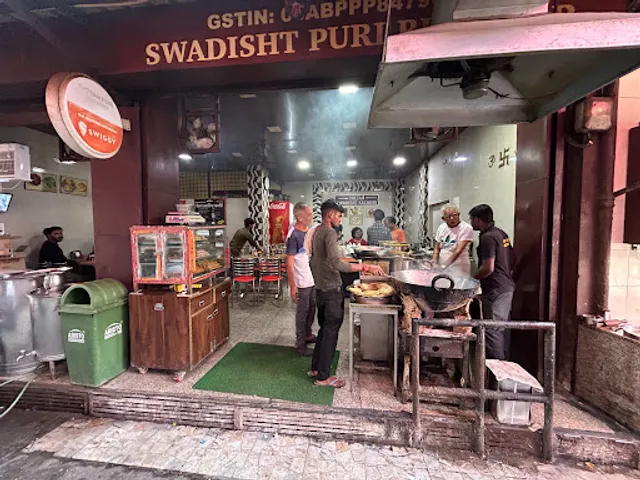
Chetan Swadisht Kachori
4.2
(1.8K)
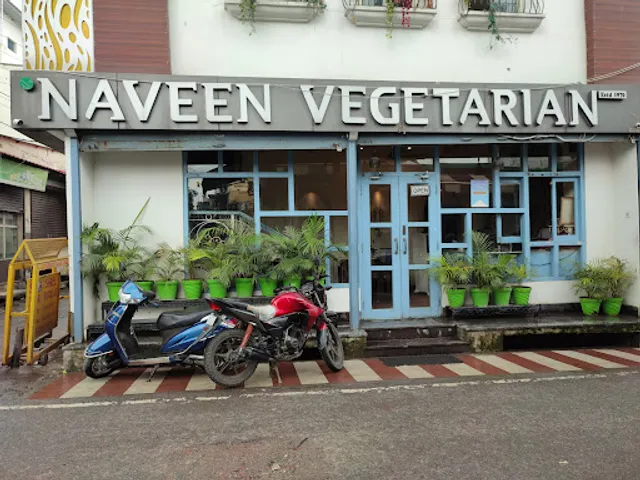
Naveen Vegetarian
3.7
(310)

Sammaan veg. Restaurant
3.8
(189)
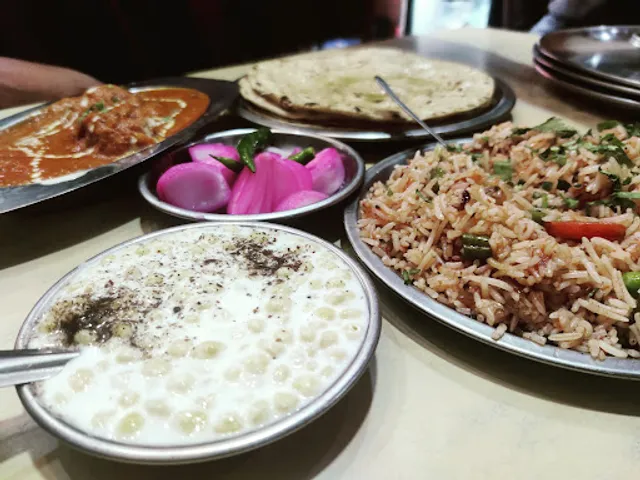
aman vegetarian
3.9
(215)

Darbar Shri Guru Ram Rai Ji Maharaj situated in the heart of Dehradun city is a magnificent monument of great historical and religious significance. In fact, the city of Dehradun itself derives its name from the historical fact that Shri Guru Ram Rai Ji, the eldest son of the Seventh Sikh Guru Har Rai Ji, set up his "dera" (camp) in "dun" (valley) in 1676. This 'Dera' 'Dun' later on became Dehradun.
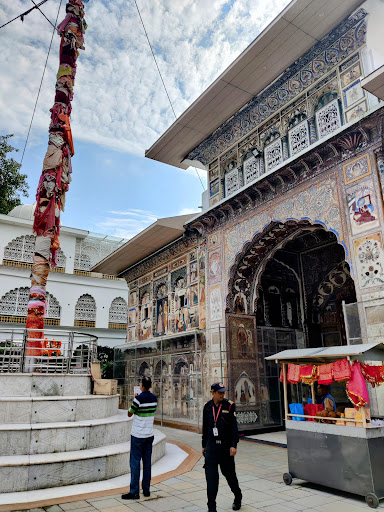
The Mughal Emperor Aurangzeb was highly impressed by the miraculous powers of charismatic Guru Ram Rai Ji. Hence he asked the contemporary Raja of Garhwal, Fateh Shah to extend all possible help to Shri Guru Ram Ji. Initially a Gurudwara(temple) was built in Dhamawala. The Construction of the present building of Darbar Sahib was completed in 1707. There are portraits of gods, goddesses, saints, sages and religious stories on the walls. There are pictures of flowers and leaves, animals and birds, trees, similar faces with pointed noses and big eyes on the arches which are the symbol of the colour scheme of Kangra-Guler and Mughal art. High minarets and round pinnacles are the models of the Muslim architecture. The huge Talab in the front measuring 230 x 80 feet which had dried up for want of water over the years and in which people had been dumping rubbish, has now been renovated and revived. Now whoever pays a visit to the Shri Darbar Sahib would definitely notice this change.
After Shri Guru Ram Rai Ji left for his heavenly abode in 1687 his only surviving wife Mata Punjab Kaur managed the affairs of the Shri Darbar Sahib. She established the tradition of Shri Mahant for looking after the property of Shri Darbar Sahib. Shri Aud Dass Ji was the first Mahant of Darbar Sahib who ascended the Holy Seat in 1687. The present ShriMahant Devendra Dass Ji is the tenth Mahant in the sacred tradition of Darbar Sahib. Under his dynamic and visionary leadership, large scale repair and restoration work has been undertaken at Darbar Sahib for preserving the rare mural paintings of Rajasthani, Mughal and Pahari style. Darbar Sahib is rendering yeoman service in the field of education, health and social welfare. In keeping with its philanthropic ethos, Shri Darbar Sahib has been running a community kitchen (Langar) where nearly 1000 persons partake of prasad daily.
Shri Darbar Sahib is a unique blend of tradition and modernity. Under its aegis, SGRR Education Mission has been providing quality education and health care to lakhs of people. It has well-equipped 1000 bed Hospital, 150 MBBS seats of Medical College, a College of Nursing, a College of Paramedical & Allied Health Sciences, a PG College, an Institute of Technology and Science, a B.Ed. and M.Ed. College, a College of Agriculture, a Sanskrit Mahavidyalaya and more than 120 Hindi & English Medium...
Read more
Darbar Shri Guru Ram Rai Ji Maharaj situated in the heart of Dehradun city is a magnificent monument of great historical and religious significance. In fact, the city of Dehradun itself derives its name from the historical fact that Shri Guru Ram Rai Ji, the eldest son of the Seventh Sikh Guru Har Rai Ji, set up his "dera" (camp) in "dun" (valley) in 1676. This 'Dera' 'Dun' later on became Dehradun.
The Mughal Emperor Aurangzeb was highly impressed by the miraculous powers of charismatic Guru Ram Rai Ji. Hence he asked the contemporary Raja of Garhwal, Fateh Shah to extend all possible help to Shri Guru Ram Ji. Initially a Gurudwara(temple) was built in Dhamawala. The Construction of the present building of Darbar Sahib was completed in 1707. There are portraits of gods, goddesses, saints, sages and religious stories on the walls. There are pictures of flowers and leaves, animals and birds, trees, similar faces with pointed noses and big eyes on the arches which are the symbol of the colour scheme of Kangra-Guler and Mughal art. High minarets and round pinnacles are the models of the Muslim architecture. The huge Talab in the front measuring 230 x 80 feet which had dried up for want of water over the years and in which people had been dumping rubbish, has now been renovated and revived. Now whoever pays a visit to the Shri Darbar Sahib would definitely notice this change.
After Shri Guru Ram Rai Ji left for his heavenly abode in 1687 his only surviving wife Mata Punjab Kaur managed the affairs of the Shri Darbar Sahib. She established the tradition of Shri Mahant for looking after the property of Shri Darbar Sahib. Shri Aud Dass Ji was the first Mahant of Darbar Sahib who ascended the Holy Seat in 1687. The present ShriMahant Devendra Dass Ji is the tenth Mahant in the sacred tradition of Darbar Sahib. Under his dynamic and visionary leadership, large scale repair and restoration work has been undertaken at Darbar Sahib for preserving the rare mural paintings of Rajasthani, Mughal and Pahari style. Darbar Sahib is rendering yeoman service in the field of education, health and social welfare. In keeping with its philanthropic ethos, Shri Darbar Sahib has been running a community kitchen (Langar) where nearly 1000 persons partake of prasad daily.
Shri Darbar Sahib is a unique blend of tradition and modernity. Under its aegis, SGRR Education Mission has been providing quality education and health care to lakhs of people. It has well-equipped 1000 bed Hospital, 150 MBBS seats of Medical College, a College of Nursing, a College of Paramedical & Allied Health Sciences, a PG College, an Institute of Technology and Science, a B.Ed. and M.Ed. College, a College of Agriculture, a Sanskrit Mahavidyalaya and more than 120 Hindi & English Medium...
Read more
Shree Guru Ram Rai Darbar Sahib is a Sikh place of worship in Dehradun, India, dedicated to Baba Ram Rai, eldest son of Guru Har Rai, the seventh of the ten Sikh Gurus. Baba Ram Rai was a religious scholar and poet who founded the Radhasoami sect of Sikhism. The Darbar Sahib was built in the 17th century and is a beautiful example of Indo-Islamic architecture. The Darbar Sahib is located in the heart of Dehradun, near the Clock Tower. It is a popular tourist destination and is visited by people of all faiths. The Darbar Sahib is a large complex of buildings that includes a gurdwara (Sikh place of worship), a library, a museum, and a number of other religious structures. The main gurdwara is a beautiful building with a white marble exterior and a gold-plated dome. The interior of the gurdwara is decorated with intricate artwork and murals. There are a number of activities that visitors can enjoy at the Darbar Sahib. These include:
Visiting the gurdwara and taking part in the religious services Exploring the museum and learning about the history of the Darbar Sahib and the Radhasoami sect Visiting the library and reading about Sikhism and other religious traditions Walking around the complex and admiring the architecture Overall, Shree Guru Ram Rai Darbar Sahib is a beautiful and peaceful place to visit. It is a great place to learn about Sikhism and to experience the rich cultural heritage of Dehradun.
Here are some pros and cons of the Darbar Sahib:
Pros:
Beautiful architecture Rich history Peaceful and tranquil atmosphere Welcoming and friendly staff Ample parking
Cons:
Can be crowded during peak tourist season Some of the exhibits in the museum are in Hindi No food or drink allowed inside the gurdwara Overall, I would highly recommend visiting Shree Guru Ram Rai Darbar Sahib if you are in Dehradun. It is a beautiful and peaceful place to learn about Sikhism and to experience the rich cultural heritage...
Read more