🛕 Temple at a Glance
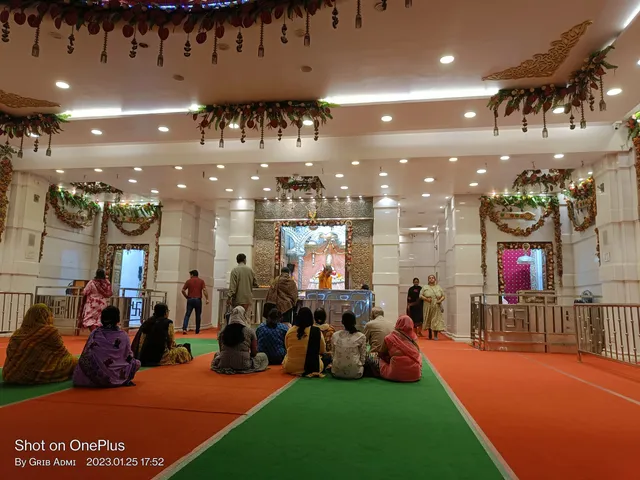
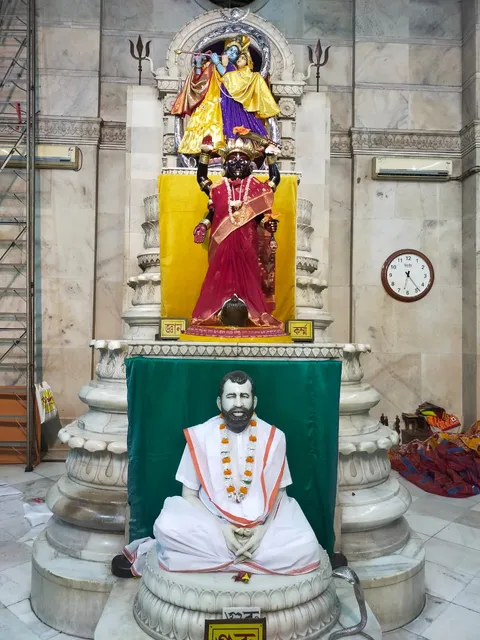
Deity: Goddess Bhavatarini (a form of Kali) standing on Lord Shiva, placed on a thousand-petaled lotus made of silver
Founded by: Rani Rashmoni in 1855, following a divine dream instructing her to build a temple on the banks of the Ganges
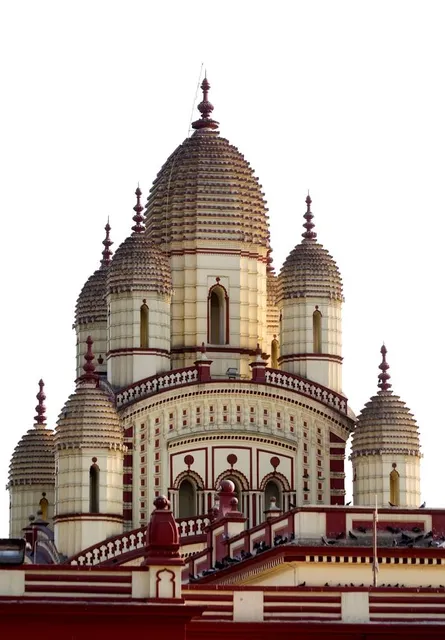
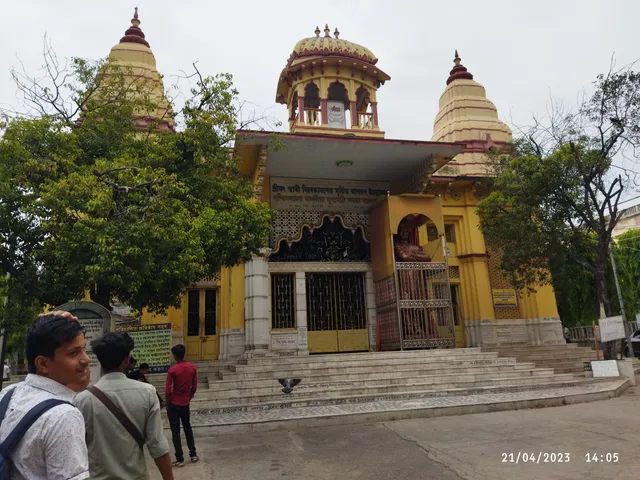
Architecture: Built in the Bengal Navaratna style (nine spires), a three-storied south-facing structure over 100 ft tall, raised on a high platform with a Natmandir (congregation hall) in front
Complex: Includes 12 smaller Shiva shrines, a Radha–Krishna temple, bathing ghat, and the ‘Nahabat’ tower where Ramakrishna and Sarada Devi lived
🕰️ Visiting Hours & Aarti Schedule
Temple Timings (Seasonal)
October–March (Winter):
Morning: 6:00 AM – 12:30 PM
Afternoon Break: 12:30 PM – 3:00 PM
Evening: 3:00 PM – 8:30 PM
April–September (Summer):
Morning: 6:00 AM – 12:30 PM
Evening: 3:30 PM – 9:00 PM
Aarti Timings
Mangala Aarti (early morning): 5:00 AM in winter; 4:00 AM in summer
Bhog Aarti: Around 12:00 PM
Sandhya Aarti (evening):
Winter: ~6:30 PM
Summer: ~7:00 PM
🚪 General Information & Tips
Entry Fee: None; entry is free for all
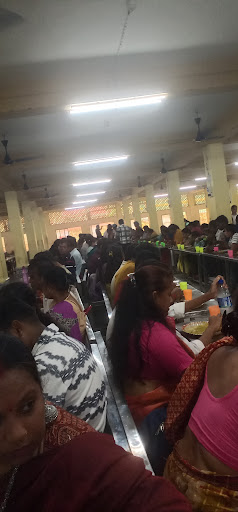
Bhog Coupons: Prasad is available at nominal cost; coupons should be collected by around 10 AM
Facilities: Shoes deposit counters; lockers for mobiles, bags, cameras (not allowed inside sanctum)
Best Time to Visit: Early morning (before crowd builds), especially on weekdays or festival-off days. October to March offers pleasant weather and fewer monsoon disruptions
🌟 Historical & Spiritual Significance
Rani Rashmoni’s dream-directed vision culminated in this grand temple on a 20-acre plot she had acquired, part of which previously belonged to a Christian and a Muslim burial ground—a testament to her inclusivity even in 19th-century Bengal
Sri Ramakrishna Paramahansa served here as priest for decades; his room and the nearby Nahabat remain pilgrimage points for devotees of Vedanta and Bhakti
📍 How to Reach
Address: Dakshineswar, North 24 Parganas, Kolkata, West Bengal 700076
By Metro: Dakshineswar Metro Station (Blue Line) opened in 2021, located adjacent to the railway station
By Train: Dakshineswar railway station (~700 m walk or short auto) connects conveniently to the temple
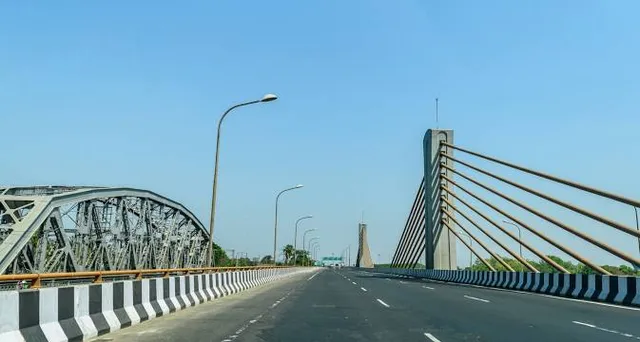
By Road: Accessible via Barrackpore Trunk Road or across Vivekananda Setu (bridge over Hooghly River)
🎉 Cultural Events & Festivals
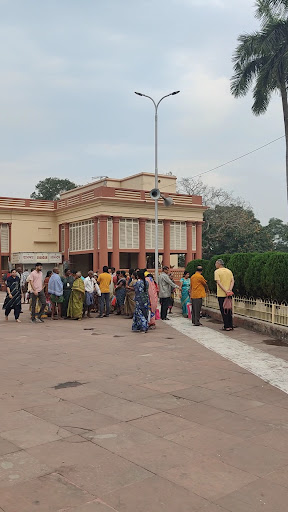
Celebrations include Kali Puja, Durga Puja, Snana Yatra, Kalpataru Day, and special observances on Amavasya nights. On these days, the temple becomes exceptionally vibrant and crowded with devotees
✅ Summary Table
Detail Info
Deity Bhavatarini Kali on silver lotus Architecture Navaratna, nine-spired, ~100 ft height Built by Rani Rashmoni (1855) Associated with Sri Ramakrishna & Sarada Devi Open hours Seasonal: 6 AM–12:30 PM / Afternoon / Evening Aarti times Early morning, midday bhog, evening aarti Festivals Kali Puja, Durga Puja, Snana Yatra, Amavasya Access Metro, train, road, near Vivekananda Setu
🔔 Visiting Tips:
Go early in the morning to avoid long queues and get easy entry.
Try attending the Sandhya Aarti (evening prayer) for a spiritually uplifting experience.
Modest traditional attire is recommended; photography is restricted inside.
Combine your visit with Adyapeath Mandir or a ride on the Hooghly ferry for a holistic spiritual outing.
Would you like help planning a visit, knowing nearby attractions like Belur Math, or discovering the best time...
Read moreRekindle Your Inner Flame: Reviving at the Dakshineshwar Kali Temple
Standing tall on the banks of the Hooghly River, the Dakshineshwar Kali Temple beckons you not just for a visit, but for a revival. Here, where the divine energy of Mother Kali pulsates, you can embark on a journey of spiritual renewal, cultural immersion, and personal transformation.
Revive Your Spirit:
Embrace the divine presence: Step into the sanctum sanctorum, feel the power of the Mother, and surrender to her blessings. Offer your prayers, witness the mesmerizing pujas, and let the rhythmic chants wash over you.
Connect with the legacy of Ramakrishna: Immerse yourself in the life and teachings of Sri Ramakrishna Paramahamsa, who spent years in deep meditation here. Explore the museum and learn about his profound spiritual journey.
Seek guidance and knowledge: Participate in discourses, attend satsangs, or seek guidance from the monks. Gain insights into Hindu philosophy and its relevance to your modern life.
Practice mindfulness: Find a quiet corner in the temple complex, meditate by the holy Ganges, or simply sit in stillness and absorb the serene atmosphere.
Revive Your Senses:
Witness the vibrant rituals: Observe the daily pujas, aarti, and offerings with their intricate details and symbolic meaning. Immerse yourself in the captivating spectacle of faith and devotion.
Explore the temple architecture: Marvel at the intricate carvings, colorful murals, and unique design influences that blend Hindu, Mughal, and European styles.
Wander through the serene gardens: Stroll along the manicured lawns, find solace under ancient banyan trees, and let the tranquility of nature soothe your soul.
Savor the local flavors: Explore the food stalls offering traditional Bengali delicacies like mishti doi, rasgullas, and samosas. Indulge in a cultural feast for your taste buds.
Revive Your Community Spirit:
Volunteer for service: Join the temple's initiatives to help the underprivileged or contribute to the upkeep of the complex. Find meaning and purpose in serving others.
Connect with fellow devotees: Share your experiences, exchange stories, and build meaningful connections with people from all walks of life.
Support the temple's mission: Donate or participate in fundraising activities to ensure the preservation of this cultural and spiritual heritage.
Remember:
Dress modestly and respectfully: This is a place of worship, so it's important to be mindful of your attire.
Plan your visit: Check the official website for visiting hours, special events, and dress code guidelines.
Maintain silence and respect: Be mindful of other devotees who are seeking peace and contemplation.
Stay hydrated and bring sun protection: The weather in Kolkata can be hot and humid, so be prepared accordingly.
Bonus:
For a unique experience, witness the daily Ganga aarti ceremony held on the ghat by the temple.
If you're looking for a deeper spiritual connection, participate in the special pujas and spiritual retreats offered...
Read moreDakshineswar Kali Temple and Sri Ramakrishna Paramahamsa: A Spiritual Bond
The Dakshineswar Kali Temple, located on the eastern bank of the Hooghly River near Kolkata, West Bengal, holds immense spiritual and historical significance, not only for its architectural grandeur but for being the sacred abode of Sri Ramakrishna Paramahamsa, one of India's greatest mystic saints of the 19th century.
🛕 The Temple: A Divine Vision Realized
Built in 1855 by Rani Rashmoni, a wealthy philanthropist and devotee of Goddess Kali. The temple is dedicated to Bhavatarini Kali, a form of the Divine Mother who "liberates her devotees from the ocean of existence." It consists of the main Kali temple, 12 shrines dedicated to Lord Shiva, and a Radha-Krishna temple within its vast compound.
🙏 Sri Ramakrishna at Dakshineswar: The Divine Connection
In 1856, Rani Rashmoni appointed Sri Ramakrishna as the priest of the Kali temple. Though initially hesitant, Ramakrishna accepted the position and soon began a deep, passionate spiritual journey.
🌟 His Spiritual Realisations at Dakshineswar:
Bhakti to Kali – He worshipped Kali as his Divine Mother with intense love and devotion. Vision of the Divine Mother – Ramakrishna experienced divine ecstasies and visions of Kali, testifying to her living presence. Universal Spirituality – At Dakshineswar, he experimented with various religious paths — including Islam, Christianity, and Vedanta — and declared that all religions lead to the same Truth.
👣 Mentorship of Disciples
It was here that Swami Vivekananda (Narendranath Dutta) met Ramakrishna and became his foremost disciple, later spreading his master's teachings across the world.
✨ Legacy of Dakshineswar in Ramakrishna’s Life
Dakshineswar was not just his workplace — it was the epicenter of his divine experiences. Ramakrishna’s simple yet profound message of divine love, service, and spiritual realization echoed from this holy site and influenced modern spiritual thought in India and abroad.
📿 Conclusion
The Dakshineswar Kali Temple is not merely a temple; it is a living monument of faith, where Sri Ramakrishna’s God-realization and universal message took root. To this day, it remains a spiritual pilgrimage center, radiating the love and teachings of a man who saw God in all beings and Mother Kali...
Read more