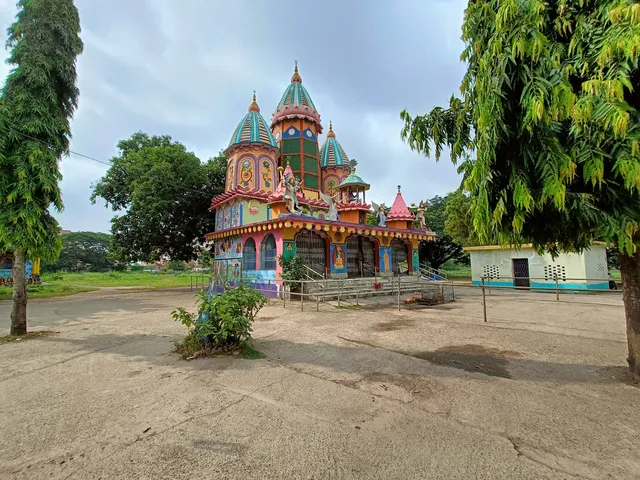
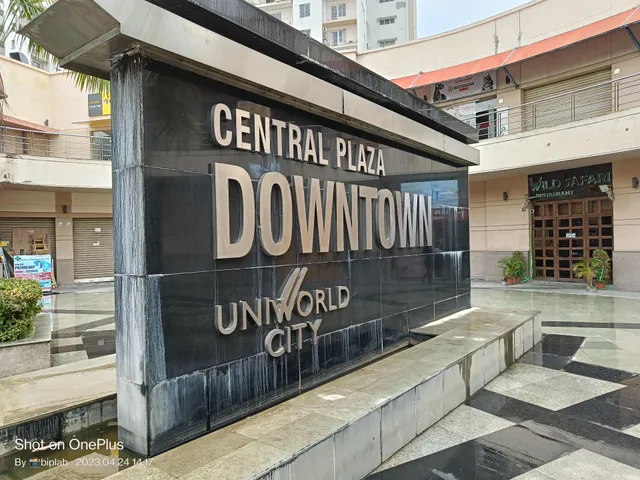
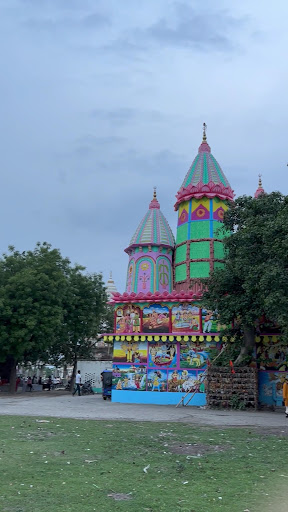
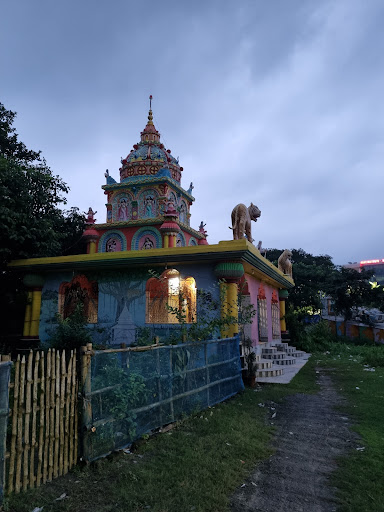
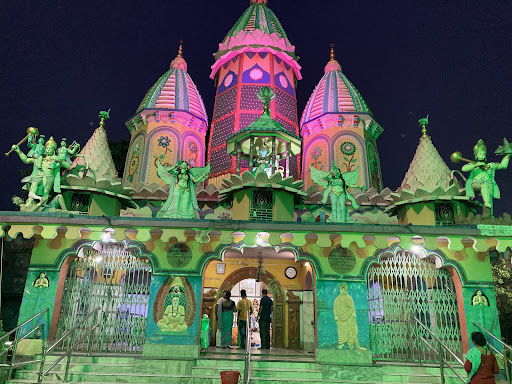
If you are in Kolkata and you are in search of an offbit, spiritual and contemplating relief from the daily hustles and cacophonies of the city life and at the same time you don't want to travel far from the city, then this place is more than ideal for you. Situated at New Town action Area III near the Karigari Bhawan, this is an age old temple complex which is a hidden gem of the religious essence of old Kolkata. This area is actually a temple complex and it is almost 450 years old. The main temple is called the Haza Kalibari which is also accompanied by different temples in the same area. The term 'Hazra' means Lord Shiva and Goddess Kali is accompanied by him in this place as the main deity. The main deity is very calm and pleasing and one glimpse is enough to sooth your tired soul. There are also few human skulls kept on the feet of this daity which carries a legend as per the folklore. The main deity is of Lord Shiva and Maa Kali is also accompanied in the same temple by a Shashan Kali and a shivling here. Though this area is situated at New Town which is the hub of modern urbanization of Kolkata actively led by the group HIDCO, this place is actually called Hazratala, Pachuria and actually forms the border between south and north 24 parganas. Long back, the river Bidyadhari ( now in Sundarban region)used to flow across the dense woody area of this locality and this place used to be a crematorium by the side of that river. Owing to this, there is still a deity of shasan kali viable. The woody area naturally used to be the habitat for all the wild animals including Tiger and to get themselves protected people started worshipping the Goddess of Forest ( Banabibi) and so still there is one Banabibi temple adjacent to this main temple. The architecture of the main temple shows the rich culture of ancient Bengal and portrays different mythological incidents beautifully with stones. There is another lord Krishna and Radha temple adjacent to this temple. Also there is one pond earlier known as 'Dudhpukur', where one temple( actually called a 'than' of Lord Dharma ( Lord Yama) is situated. There is one more elegant Jagannath temple situated in this complex only which is still under construction and adds a lot of beauty to this place. This place is said to be a mysterious place since the ancient ages and there are so many folklores existing in this place and the temple. The pond is considered to be very holy though the same needs to be properly maintained. This temple was built after the dreams from the Lord Shiva to one of his devotees and it all started from a lump of mud from the pond which is really interesting to listen to. There are so many legends and folklore regarding this place, but indeed this place is very powerful and of course has an aura very very rich. It used to be a place for practicing several Tantric practices as well in the past. There is also one tree just behind the main temple which is also considered to be the holiest and people have a lot of faith in it. This complex is quite spacious and the one can easily park any big vehicle inside the ground. During Nil sosthi, Shivaratri and Pous Mas there are festivals celebrated here and also there is a fare which is set up during the winter. This place can be fixed by car or bike ..or by public transport as well. One can avail K1, KB 22, Babughat- Ghatakpur etc. buses from Bidhannagar railstation and reach here by directly being dropped off at the Karigori Bhavan in 45 mins with a fare of ~18 Rs. Adjacent to this ground there are fisheries and Bheries which are also good places to visit during the afternoon. There is a small market by the main service road and there are few small stalls for some snacks. There is no mentionable big brand restaurant at least in or near this complex. One has to go to the nearby Downtown Mall on the opposite foot at a 10 mins walking distance or come little far from the Karigori Bhavan towards the Biswa Bangla Gate to have a food complex where one can find the outlets of KFC, SUBWAY etc. Again it's a must...
   Read moreNestled in Action Area III, amidst towering towers of New Town, lies the centuries-old Hazra Kalibari, also known as Maâ¯Kali Mandir. This serene temple complex, steeped in over 400 years of history, stands as an oasis of spirituality amidst the urban sprawl .
đī¸ Architectural Beauty
Clustered Mandirs: The complex houses multiple shrinesâHazraâ¯Kali (depicted in calm âShamshan Kaliâ form), Shamshanâ¯Kali, Lord Shiva, Bondevi, RadhaâGobindo, and a small Yamadev temple beside a pond (Dudpukur) .
Vernacular Village Charm: Built in a traditional Bengali rural style, the temple exudes quaint charm with gabled rooftops, arched niches, and terracotta-infused facades.
Spire Visibility: Its spires punctuate the skyline, offering a striking contrast to nearby high-risesâa reminder of heritage amid modernity .
Large Courtyards & Pond: The open grounds, clean pond, and paved courtyards help maintain a village-like tranquillity, rarely found in city temples .
Hazra Kalibari is a hidden gem in New Townâarchitecturally rustic yet dignified, spiritually potent yet peaceful. Its layered mandirs, open courtyards, and pond provide a retreat unlike typical urban temples. The traditional Bengali village-style structureâcomplete with terracotta motifs, tiled gables, and visible shikharasâlends it an aura of heritage and authenticity. Rituals, including goat sacrifices and Nil Puja, evoke folk traditions that still hold mass appeal. The large, clean grounds with easy parking and calm ambiance offer a quiet break within the fast-paced township. On major festival days, the spiritual fervour is palpable, though crowd surge can compromise tranquillity.
For devotees, heritage lovers, or anyone seeking a soulful pause in New Town, Hazra Kalibari is a rewarding pilgrimage. Its architectural beauty, devotional intensity, and location make it an intriguing contrast to the nearby glass-and-steel cityscapeâemphasizing that the timeless and the modern can flourish...
   Read moređđâĨī¸âĨī¸ āĻšāĻžāĻāϰāĻž āĻāĻžāϞā§āĻŦāĻžāĻĄāĻŧāĻŋ āĻ āĻāĻāύā§āύāĻžāĻĨ āĻŽāύā§āĻĻāĻŋāϰ âĨī¸âĨī¸đđ āύāĻŋāĻāĻāĻžāĻāύ⧠āĻāĻžāϰāĻŋāĻāϰāĻŋ āĻāĻŦāύā§āϰ āύāĻŋāĻāĻā§ āĻ āĻŦāϏā§āĻĨāĻŋāϤ āĻāĻāύā§āύāĻžāĻĨāĻĻā§āĻŦā§āϰ āĻŽāύā§āĻĻāĻŋāϰā§āϰ āĻ āĻĻā§āϰā§āĻ āĻāĻā§ āĻšāĻžāĻāϰāĻž āĻāĻžāϞā§āĻŦāĻžā§āĻŋāĨ¤ āĻļāĻŋāĻŦā§āϰ āύāĻžāĻŽ āĻšāϞ āĻšāĻžāĻāϰāĻžāĨ¤ āϤāĻžāĻ āϏā§āĻāĻžāύ āĻĨā§āĻā§āĻ āĻāĻ āĻŽāύā§āĻĻāĻŋāϰā§āϰ āύāĻžāĻŽ āĻšāĻžāĻāϰāĻž āĻāĻžāϞā§āĻŦāĻžā§āĻŋāĨ¤ āĻāĻ āĻŽāύā§āĻĻāĻŋāϰāĻāĻŋ āĻĒā§āϰāĻžā§ ā§Ēā§Ģā§Ļ āĻŦāĻāϰā§āϰ āĻŦā§āĻļāĻŋ āĻĒā§āϰāĻžāĻā§āύāĨ¤ āϝāĻĻāĻŋāĻ āĻŦāϰā§āϤāĻŽāĻžāύā§āϰ āĻŽāύā§āĻĻāĻŋāϰāĻāĻŋ ā§¨ā§Ž āĻŦāĻāϰā§āϰ āĻĒā§āϰāĻžāĻā§āύāĨ¤ āĻāĻ āĻŽāύā§āĻĻāĻŋāϰā§āϰ āĻ āύā§āĻāĻā§āϞāĻŋ āĻā§ā§āĻž āĻāĻā§āĨ¤ āĻŽāύā§āĻĻāĻŋāϰā§āϰ āϤāĻŋāύāĻāĻŋ āĻāϰā§āĻāĻā§āĻš āĻāĻā§āĨ¤ āĻāĻāĻāĻŋ āĻāϰā§āĻāĻā§āĻšā§ āĻļāĻŋāĻŦāϞāĻŋāĻā§āĻ āĻāĻā§, āĻāĻāĻāĻŋ āĻāϰā§āĻāĻā§āĻšā§ āĻšāϰāĻā§āϰāĻŋ āĻāĻŦāĻ āĻŽā§āϤ āĻŽāĻžāύā§āώā§āϰ āĻŽāĻžāĻĨāĻžāϰ āĻā§āϞāĻŋ āĻāĻā§, āĻāĻāĻāĻŋāϤ⧠āĻšāĻžāĻāϰāĻž āĻāĻžāϞā§āϰ āĻŽā§āϰā§āϤāĻŋ āĻāĻā§āĨ¤ āĻŽāύā§āĻĻāĻŋāϰā§āϰ āϏāĻžāĻŽāύ⧠āĻāĻāĻāĻŋ āĻšāĻžāĻā§āĻŋāĻāĻžāĻ āĻāĻā§ āϝā§āĻāĻžāύ⧠āĻĒāĻžāĻāĻ āĻžāĻŦāϞāĻŋ āĻšā§āĨ¤ āύā§āϞāĻĒā§āĻāĻž āĻ āĻļāĻŋāĻŦāĻāϤā§āϰā§āĻĻā§āĻĻāĻļā§āϰ āĻĻāĻŋāύ āĻŽāύā§āĻĻāĻŋāϰ⧠āϞāĻžāĻ āϞāĻžāĻ āĻāĻā§āϤā§āϰ āϏāĻŽāĻžāĻāĻŽ āĻšā§āĨ¤ āĻŽāύā§āĻĻāĻŋāϰā§āϰ āĻāϤāĻŋāĻšāĻžāϏ āϏāĻŽā§āĻĒāϰā§āĻā§ āϝāϤāĻĻā§āϰ āĻāĻžāύāĻž āϝāĻžā§ āϝ⧠ā§Ēā§Ģā§Ļ āĻŦāĻāϰ āĻĒā§āϰā§āĻŦā§ āĻāĻ āĻ āĻā§āĻāϞ āĻĒāĻžāĻļ āĻĻāĻŋā§ā§ āĻŦāĻŋāĻĻā§āϝāĻžāϧāϰ⧠āύāĻĻā§ āĻŦā§ā§ āϝā§āϤāĨ¤ āϤāĻāύ āĻāĻ āĻ āĻā§āĻāϞ āϏā§āύā§āĻĻāϰāĻŦāύā§āϰ āĻ āύā§āϤāϰā§āĻāϤ āĻāĻŋāϞāĨ¤ āĻāĻāĻāύ āĻĒāĻĨāĻāĻžāϰ⧠āĻā§āϞāĻžāύā§āϤ āĻšā§ā§ āĻŦā§āĻā§āώā§āϰ āϤāϞāĻžā§ āĻāĻā§āϰ āĻā§āĻŽā§ āĻāĻā§āĻāύā§āύ āĻšāύāĨ¤ āϤāĻāύ āĻāĻāĻŦāĻžāύ āĻļāĻŋāĻŦ āϤāĻžāĻā§ āϏā§āĻŦāĻĒā§āύ⧠āĻĻāϰā§āĻļāύ āĻĻā§āύāĨ¤ āϏā§āĻ āĻŦā§āϝāĻā§āϤāĻŋ āĻāĻāĻŦāĻžāύāĻā§ āϤāĻžāĻāϰ āϏā§āĻŦāϰā§āĻĒā§ āĻĻāϰā§āĻļāύ āĻĻāĻŋāϤ⧠āĻŦāϞā§āύāĨ¤ āĻļāĻŋāĻŦ āϤāĻāύ āĻāĻ āĻŦā§āϝāĻā§āϤāĻŋāĻā§ āĻāĻāĻāĻŋ āĻŽā§āϤā§āϤāĻŋāĻāĻžāϰ āĻļāĻŋāĻŦāϞāĻŋāĻā§āĻ āϤā§āϰ⧠āĻāϰāϤ⧠āĻŦāϞā§āύāĨ¤ āĻāĻ āĻŦā§āϝāĻā§āϤāĻŋ āĻļāĻŋāĻŦāϞāĻŋāĻā§āĻ āϤā§āϰ⧠āĻāϰāϞ⧠āĻļāĻŋāĻŦā§āϰ āĻĒāĻĻāĻāĻŋāĻŖā§āĻš āĻāĻ āĻļāĻŋāĻŦāϞāĻŋāĻā§āĻā§āϰ āĻĒāĻžāĻļā§ āĻĒā§ā§āĨ¤ āĻāĻ āĻĒāĻĻāĻāĻŋāύā§āĻš āϝā§āĻā§āύ āĻŦā§āϝāĻā§āϤāĻŋāϰ āĻĒāĻĻāĻāĻŋāύā§āĻšā§āϰ āĻā§ā§ā§ āĻŦā§āĻšā§ āĻāĻŋāϞāĨ¤ āϤāĻžāϰāĻĒāϰ āĻĒā§āĻāĻž āĻ āϰā§āĻāύāĻž āĻļā§āϰ⧠āĻšā§āĨ¤ āĻĒā§āϰā§āĻŦā§ āĻŦā§āĻā§āώā§āϰ āĻĒāĻžāĻļā§ āĻāĻŋāϞ āĻļā§āĻŽāĻļāĻžāύāĨ¤ āĻāĻ āĻļā§āĻŽāĻļāĻžāύ⧠āĻāϤā§āĻŽāĻāĻžāϤ⧠āĻŦā§āϝāĻā§āϤāĻŋ, āĻ āĻĒāĻāĻžāϤ⧠āĻŽā§āϤ āĻŽāĻžāύā§āώāĻā§ āĻĻāĻžāĻš āĻāϰāĻž āĻšāϤā§āĨ¤ āϝāĻĻāĻŋāĻ āĻŦāϰā§āϤāĻŽāĻžāύ⧠āĻāϰ āĻĻāĻžāĻšāĻāĻžāϰā§āϝ āĻāϰāĻž āĻšā§ āύāĻžāĨ¤ āĻāĻŋāύā§āϤ⧠āĻļā§āĻŽāĻļāĻžāύ āϝāĻžāϤā§āϰā§āĻĻā§āϰ āĻŦāĻŋāĻļā§āϰāĻžāĻŽā§āϰ āϏā§āĻĨāĻžāύ āĻāĻŦāĻ āĻļā§āĻŽāĻļāĻžāύ āĻŦā§āĻĻā§ āĻāĻāĻ āϰā§ā§āĻā§āĨ¤ āĻļā§āĻŽāĻļāĻžāύā§āϰ āĻĒāĻžāĻļā§ āϰā§ā§āĻā§ āĻāĻāĻāĻŋ āϝāĻŽāϰāĻžāĻā§āϰ āĻŽāύā§āĻĻāĻŋāϰ āĻ āĻĻā§āϧāĻĒā§āĻā§āϰāĨ¤ āĻŽāύā§āĻĻāĻŋāϰā§āϰ āϏāĻŽāϏā§āϤ āĻāĻžāϰā§āϝ āĻāĻ āĻĻā§āϧāĻĒā§āĻā§āϰā§āϰ āĻāϞ⧠āĻāϰāĻž āĻšā§āĨ¤ āĻāĻ āĻĒā§āĻā§āϰāĻāĻŋāĻā§ āĻāĻŋāϰ⧠āĻ āύā§āĻ āϰāĻšāϏā§āϝ āĻāĻŦāĻ āϞā§āĻāĻāĻĨāĻž āĻāĻā§āĨ¤ āϝā§āϰāĻāĻŽ āĻāĻāĻŦāĻžāϰ āĻ āύā§āĻāĻā§āϞ⧠āĻā§āϰ āĻĒā§āĻā§āϰ⧠āĻāĻžāϞ āĻĢā§āϞ⧠āĻŽāĻžāĻ āĻā§āϰāĻŋ āĻāϰāϤ⧠āĻāĻŋā§ā§āĻāĻŋāϞ āĻāĻŋāύā§āϤ⧠āĻ āϞā§āĻāĻŋāĻ āĻāĻžāĻŦā§ āϏā§āĻ āĻāĻžāϞ āĻĒā§āĻā§āϰā§āϰ āĻāϞ⧠āĻāĻāĻā§ āϝāĻžā§ āĻĢāϞ⧠āϤāĻžāĻāϰāĻž āϧāϰāĻž āĻĒā§ā§ āĨ¤ āĻĒā§āϰā§āĻšāĻŋāϤ āĻāĻā§āϰ āĻĒāĻŦāĻŋāϤā§āϰ āĻāϞ āĻāĻžāϞā§āϰ āĻāĻĒāϰ āĻāĻŋāĻāĻžāϤ⧠āĻā§āύā§āĻāĻžāĻŦā§ āĻāĻžāϞ āĻĒā§āĻā§āϰ āĻĨā§āĻā§ āĻāĻ ā§āĨ¤ āĻāĻŋāύā§āϤ⧠āĻāĻžāϞ⧠āĻāĻāĻāĻŋāĻ āĻŽāĻžāĻ āĻāĻŋāϞ⧠āύāĻžāĨ¤ āĻāĻāĻŦāĻžāϰ āĻĻā§āĻāĻāύ āĻŦā§āϝāĻā§āϤāĻŋ āĻŽāύā§āĻĻāĻŋāϰā§āϰ āĻĒāĻžāĻļā§ āĻāĻŋāĻāĻŦāĻā§ā§āϞ āĻŦāϏāĻžāύā§āϰ āĻāĻžāĻ āĻāϰāĻāĻŋāϞā§āύ āϤāĻāύ āĻŽāĻžāĻāĻŋ āĻā§āĻā§āĻŦāĻžāϰ āϏāĻŽā§ āϤāĻžāĻāϰāĻž āĻāĻāĻāĻŋ āϏā§āĻŦāϰā§āĻŖāĻŽā§āĻšāϰ āĻĒā§āϰā§āĻŖ āĻā§āĻž āĻĻā§āĻāϤ⧠āĻĒāĻžāύāĨ¤ āĻāĻŋāύā§āϤ⧠āĻāĻžāĻāĻā§ āĻāĻŋāĻā§ āύāĻž āĻŦāϞ⧠āϤāĻžāĻāϰāĻž āĻā§āĻžāϰ āĻāĻĒāϰ āĻŽāĻžāĻāĻŋ āĻāĻžāĻĒāĻž āĻĻāĻŋā§ā§ āĻāϞ⧠āϝāĻžāύāĨ¤ āĻĒāϰāĻŦāϰā§āϤā§āĻĻāĻŋāύ āϰāĻžāϤā§āϰ⧠āϤāĻžāĻāϰāĻž āĻā§āĻž āύāĻŋāϤ⧠āĻāĻŋā§ā§ āĻĻā§āĻā§ āϝ⧠āĻā§āĻžāĻāĻŋ āϏāϰā§āĻĒ āĻĻā§āĻŦāĻžāϰāĻž āĻĒā§āϰā§āĻŖāĨ¤ āϤāĻāύ āϤāĻžāĻāϰāĻž āĻĒā§āϰāĻžāĻŖā§ āĻŦāĻžāĻāĻāϤ⧠āĻĻā§ā§ āĻĻā§ā§ āĻāĻŦāĻ āϤāĻžāĻĻā§āϰ āĻŽā§āϰā§āĻĻāĻŖā§āĻĄ āĻŦā§āĻāĻā§ āϝāĻžā§āĨ¤ āĻāĻāĻ āϤāĻžāĻāϰāĻž āĻŽāύā§āĻĻāĻŋāϰ⧠āĻā§āĻāĻā§ āĻšā§ā§ āĻšā§āĻāĻā§ āĻāϏā§āĨ¤ āĻŽāύā§āĻĻāĻŋāϰ⧠āĻŦāĻŋāĻļā§āώ āϤāĻŋāĻĨāĻŋāϤ⧠āĻĒā§āĻāĻžāϰ āĻĒāϰ āĻāĻāĻ āĻĒā§āϰā§āϤāĻĻā§āϰ āĻāĻĻā§āĻĻā§āĻļā§āϝ⧠āĻŦāĻžāĻŦāĻžāϰ āĻĒā§āϰāϏāĻžāĻĻ āĻā§āϏāϰā§āĻ āĻāϰāĻž āĻšā§āĨ¤ āĻĒā§āϰā§āϤāϰāĻž āĻŽāύā§āĻĻāĻŋāϰā§āϰ āĻĒā§āϰā§āĻšāĻŋāϤāĻĻā§āϰ āĻšāĻžāϤ āĻĨā§āĻā§ āĻŦāĻžāĻŦāĻžāϰ āĻĒā§āϰāϏāĻžāĻĻ āĻā§āϰāĻšāύ āĻāϰā§āĨ¤ đđ āĻāϝāĻŧ āĻŽāĻž āĻāĻžāϞā§āĨ¤ āĻāϝāĻŧ āĻļāĻŋāĻŦ...
   Read more