Japanese Forest Japan has always been a leader in its expressions of landscape designs. Central to the design of Japanese gardens is appreciation and respect for nature.
Enthralled by the principles of Japanese Garden design, HIDCO has developed an enticing Japanese Forest in 3.5 acres of the park next to the central lake in Eco Park. Incidentally, an old sculpture of Buddha was found by a worker during development works in the site area. As a result, it was decided to develop the Japanese forest with the theme of the Japanese "Monastery in a forest".
Shinto, the traditional religion of Japan, had a powerful sense of gods and spirits in nature. Like in culture, Japan also worships elements of nature as Gods. Their gardens are designed as spaces for meditation and contemplation. Buddhism is deeply rooted in all its design expressions.
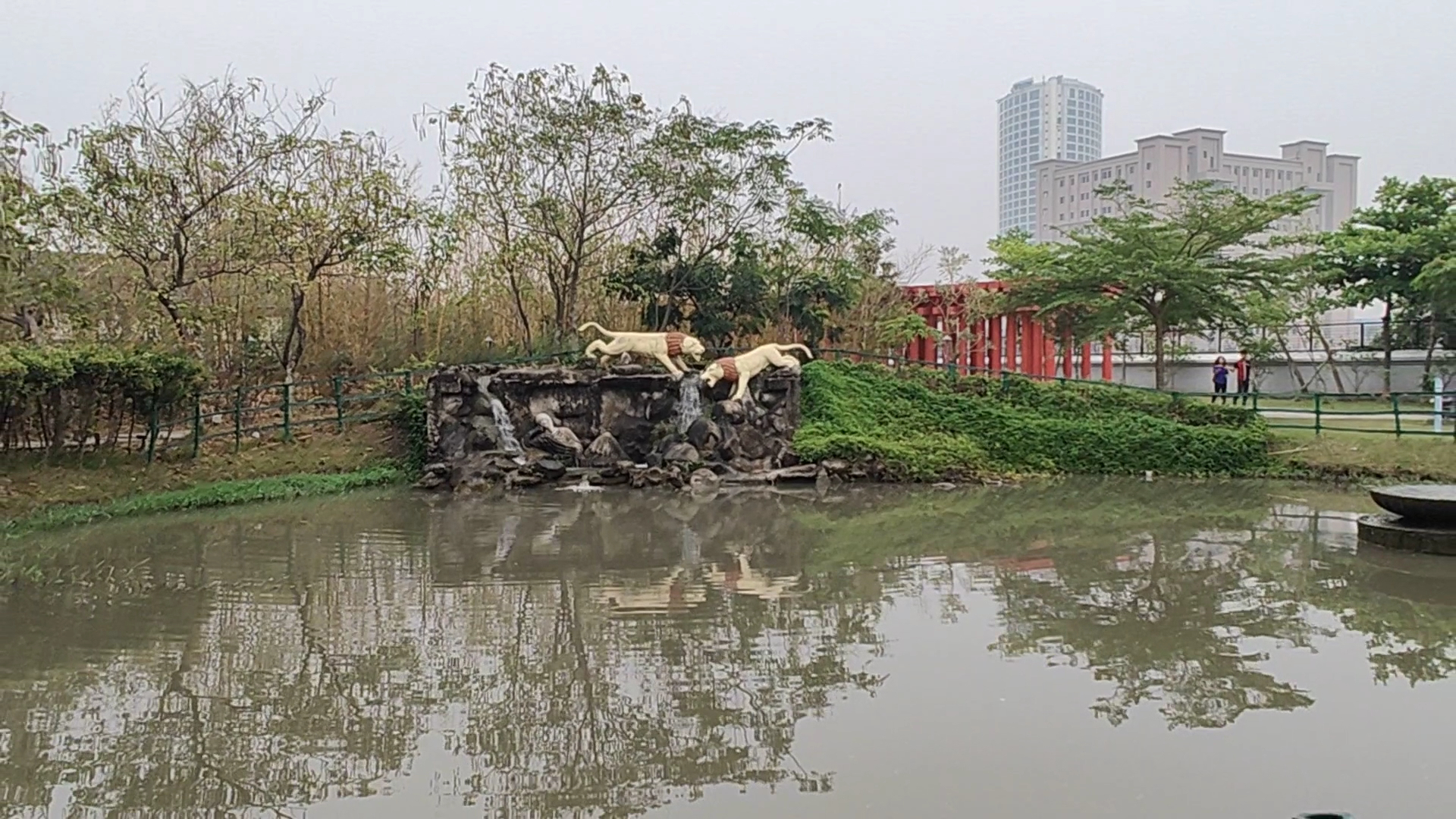
The Japanese forest at Eco Park is designed on the same principles. The garden design connects with the five senses of the visitors. It has a subtle as well as a bold display of colors. The variety of foliage textures are a refreshing treat to the eye. The captivating sounds of bells of the monastery, as well as a waterfall, improve the secretion of the progressive hormones. The natural textures of stone and grass invite the users to walk barefoot and increase their positive energy –Chi.
A rich mix of fragrant varieties of flora will fill the environment with pleasant aromas throughout the seasons.
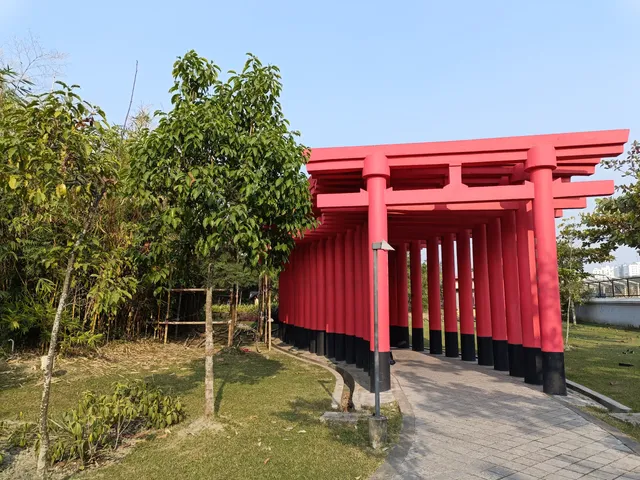
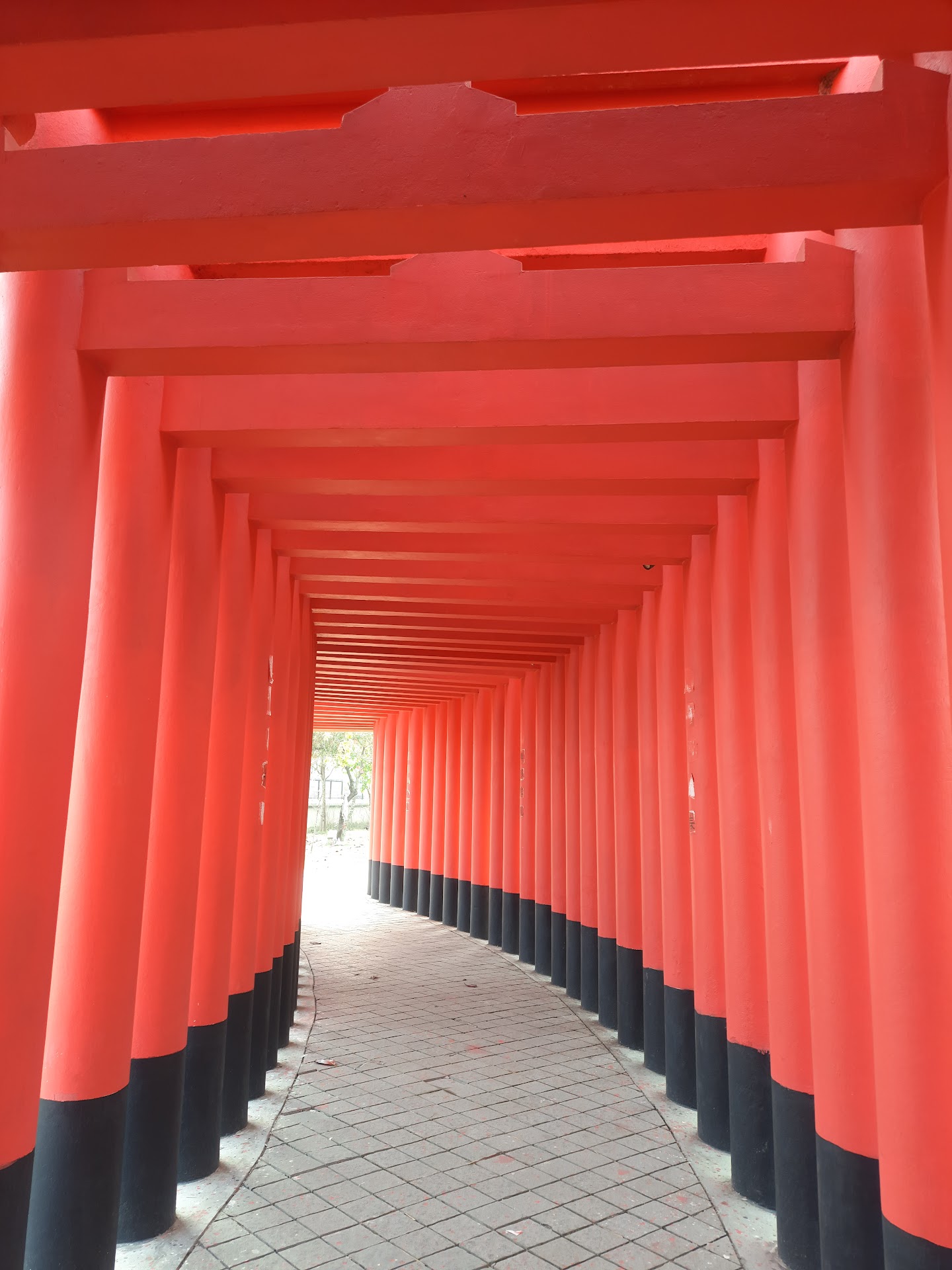
The entrance of the park is a large gate complex with ticketing kiosks and a large rain shelter canopy. The walkway is an experience with numerous garden elements of Tori, lanterns, and small and large Buddha sculptures, walking stones, waiting places, etc.
The principles of harmony with nature, asymmetry, odd numbers, using perspectives to alter the depth, distance, and size perspectives, have been attempted in weaving experiences around the garden.
The main elements across the garden are:
Bamboo forest: Various types of bamboo are planted organically to replicate the forests. Lanterns in stone and weathered sculptures are arranged to create a timeless feeling to the groves.
Small buddha sculpture alcove: Small smiling Buddha sculptures welcome visitors near the entrance. These are dramatically illuminated for nighttime effects.
Wisteria arbour: The arbour shall cut off the visitor from the outside world completely and allow him to feel one with nature.
A Monastery with a centrally located pagoda: An inspiration from RyoanJi monastery, this is to create a space for meditation. The monastery consists of a pagoda too. The pagoda is a well-articulated design like an authentic structure.
Replica of Tori series from movie: Memoirs of Geisha in red.
Forest on mounds: Thick groves of trees are planted over high mounds.
Pond: Water is an important part of the Japanese garden. A central pond is created with a Japanese semi-circular bridge across it.
Wish fountain with Japanese demi God: The God of the forest.
Bamboo Lights: Natural lights fixed inside bamboo shoots.
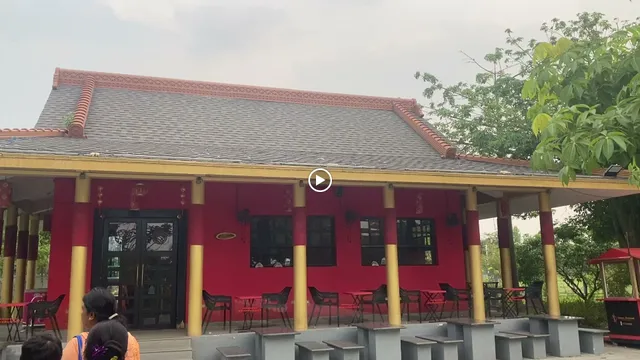
Japanese food outlet: A food outlet serving authentic Japanese food.
Lawn with lake view: Borrowed scenery is an important concept of Japanese design. A large lawn with a view of the Lake is the culminating point of the experience. It is embellished with a bamboo chime.
A natural path will lead the visitor through the above elements. The pathway and spaces around will be decorated with plantations that will conceal and reveal specific views of the central pond and other elements.
As a places of quiet contemplation and reflection, the Japanese forest seems to be the perfect counterbalance to the stresses of an always-on, hyper-connected existence.
Entry Fee : Free
Time: 12:00 pm – 7:30pm
No. of Japanese Garden: 1
Location: Between Gate 1 and...
Read moreJapanese Forest is an extraordinarily beautiful place situated inside the magnificent Ecopark complex. This area has been developed based on the cultural and religious theme of Japan. As soon as you step inside this arena, you will immediately feel a sense of calm and tranquility within yourself. This mystical enclosure is spread across a vast area, housing a huge Pagoda with a large Buddha statue inside. You will also find those rotating wheels, which are typically seen in Buddhist monasteries in the Himalayas. Along the many curved paths you will come across several black stones, upon which are engraved important Japanese wisdom and facts, especially pertaining to Buddhism. There is also a small pond with a round fountain of water in the middle, which holds an important significance in the Japanese culture. You will also find a Japanese-styled restaurant inside this forest, serving good quality dishes. Sitting on one of those cemented seats, surrounded by lush green trees and soft grasses under your feet, along with the sublime view of the huge Pagoda, it's definitely going to be a blissful experience for anyone seeking inner peace. Entry is free here, for all visitors to the Ecopark. Highly recommended...
Read moreThe Japanese Forest in Eco Park, Newtown, Kolkata, offers visitors a serene and picturesque experience reminiscent of Japan's natural beauty. This section of the Eco Park is designed to showcase Japanese landscaping techniques, featuring lush greenery, tranquil ponds, meandering pathways, and traditional Japanese architecture.
Visitors to the Japanese Forest can enjoy leisurely walks amidst bamboo groves and meticulously maintained gardens, providing a peaceful escape from the hustle and bustle of city life. The design and ambiance aim to evoke the serenity and harmony found in traditional Japanese gardens.
Additionally, the Japanese Forest may feature cultural elements such as pagodas, torii gates, and stone lanterns, further enhancing the immersive experience and offering opportunities for visitors to learn about Japanese culture and aesthetics.
Overall, the Japanese Forest in Eco Park, Newtown, provides a delightful retreat for nature lovers and those seeking a taste of Japan's tranquil landscapes in the heart of Kolkata. It's a perfect spot for relaxation, contemplation, and appreciation of...
Read more