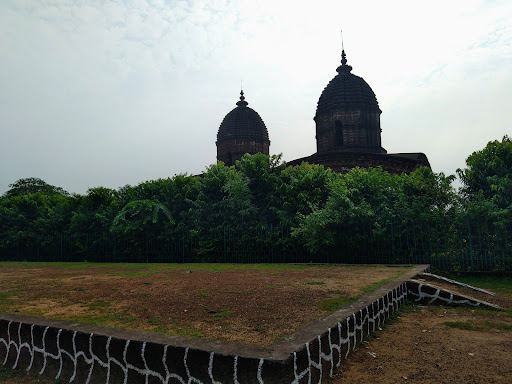
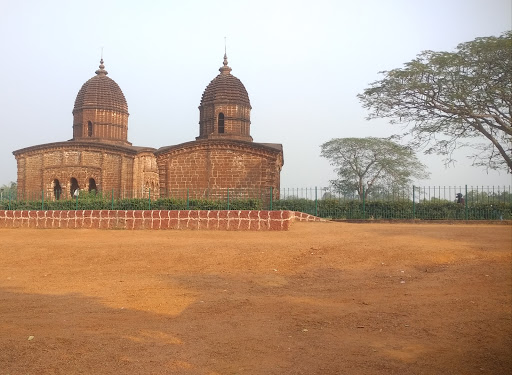
Jor Mandir Temples things to do, attractions, restaurants, events info and trip planning
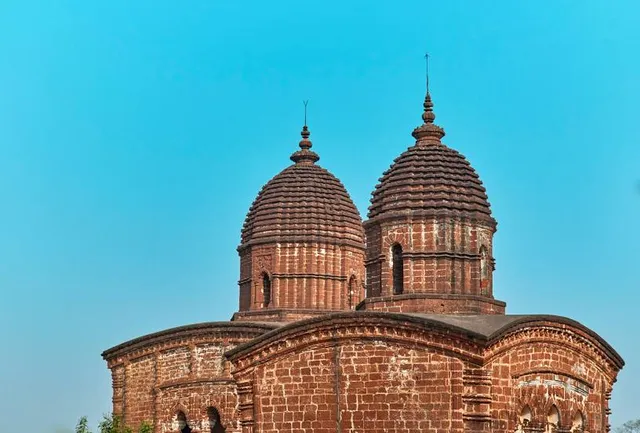
Basic Info
Jor Mandir Temples
386C+3P4, Dalmadal Para, Bishnupur, West Bengal 722122, India
4.7(308)
Closed
Save
spot
spot
Ratings & Description
Info
Cultural
Scenic
Family friendly
Accessibility
attractions: Nandalal Temple, Kalachand Temple, Ras Mancha, Bishnupur Acharya Jogesh Chandra Purakriti Bhaban (District Museum), restaurants: Open Tea House Bishnupur, Biryani House, Maa Puspashree Hotel, The Bishnupur Cafe, QUALITY FOOD TOUR, Park Hotel & Restaurant, Rajput Dhaba, Mukhorochak - Fast food center, local businesses:
 Learn more insights from Wanderboat AI.
Website
asikolkata.in
Open hoursSee all hours
Fri7 AM - 5 PMClosed
Plan your stay

Pet-friendly Hotels in West Bengal
Find a cozy hotel nearby and make it a full experience.

Affordable Hotels in West Bengal
Find a cozy hotel nearby and make it a full experience.

The Coolest Hotels You Haven't Heard Of (Yet)
Find a cozy hotel nearby and make it a full experience.

Trending Stays Worth the Hype in West Bengal
Find a cozy hotel nearby and make it a full experience.
Reviews
Nearby attractions of Jor Mandir Temples
Nandalal Temple
Kalachand Temple
Ras Mancha
Bishnupur Acharya Jogesh Chandra Purakriti Bhaban (District Museum)
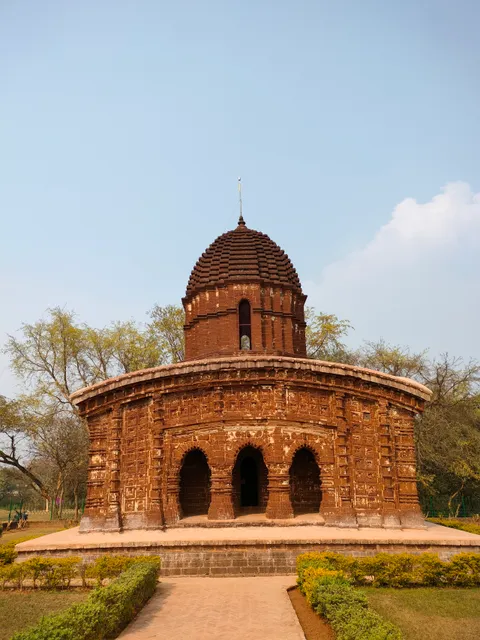
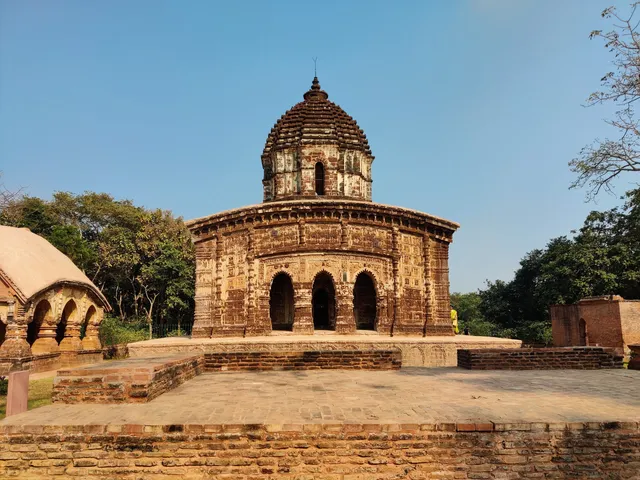
Nandalal Temple
4.5
(165)
Closed
Click for details
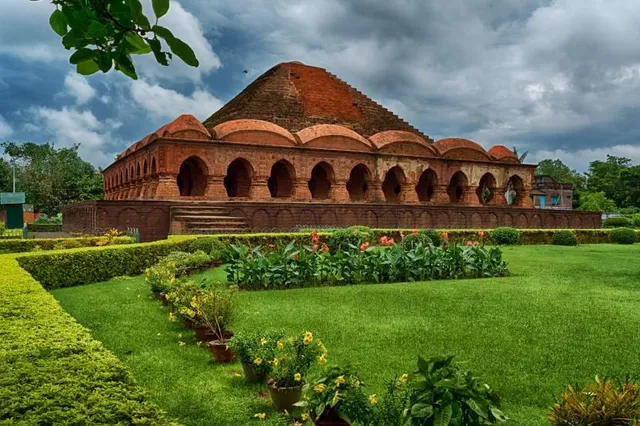
Kalachand Temple
4.6
(186)
Closed
Click for details
Ras Mancha
4.6
(3.5K)
Closed
Click for details
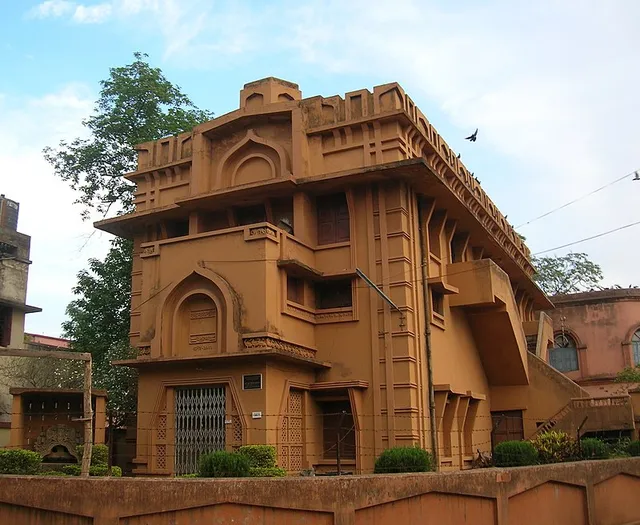
Bishnupur Acharya Jogesh Chandra Purakriti Bhaban (District Museum)
4.4
(231)
Closed
Click for details
Nearby restaurants of Jor Mandir Temples
Open Tea House Bishnupur
Biryani House
Maa Puspashree Hotel
The Bishnupur Cafe
QUALITY FOOD TOUR
Park Hotel & Restaurant
Rajput Dhaba
Mukhorochak - Fast food center
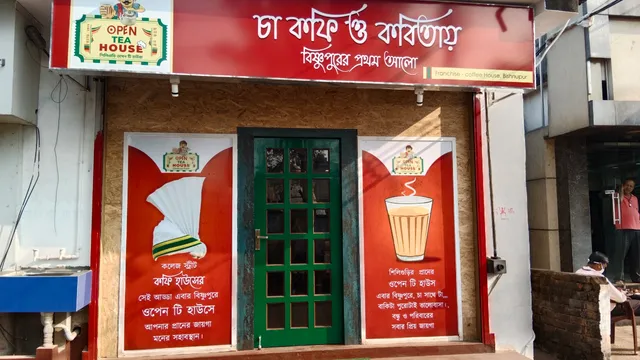
Open Tea House Bishnupur
4.8
(111)
Open until 10:00 PM
Click for details

Biryani House
3.5
(170)
Open until 10:00 PM
Click for details
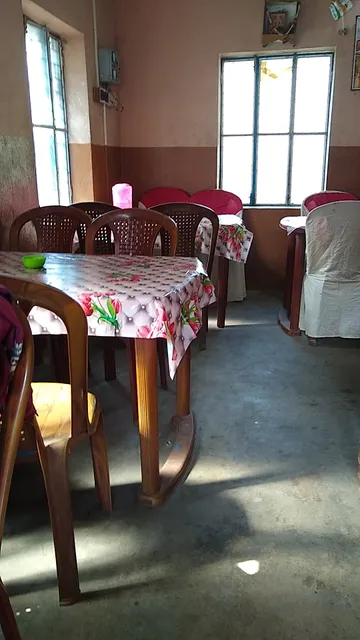
Maa Puspashree Hotel
3.8
(118)
Open until 11:00 PM
Click for details
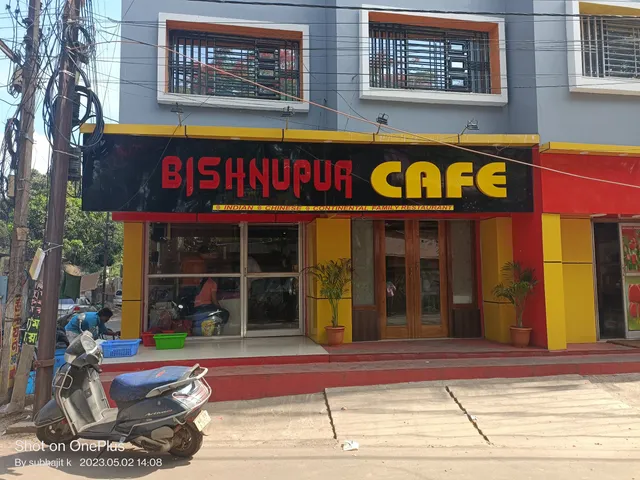
The Bishnupur Cafe
3.4
(67)
Click for details