HTML SitemapExplore
logo
Find Things to DoFind The Best Restaurants

Goa Gajah — Attraction in Pulau Bali

Name
Goa Gajah
Description
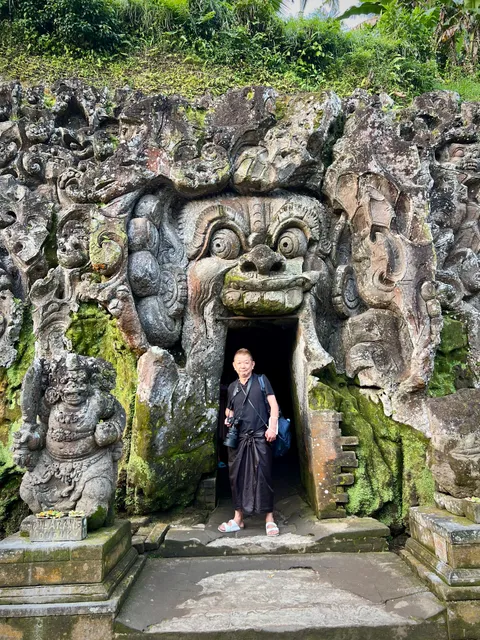
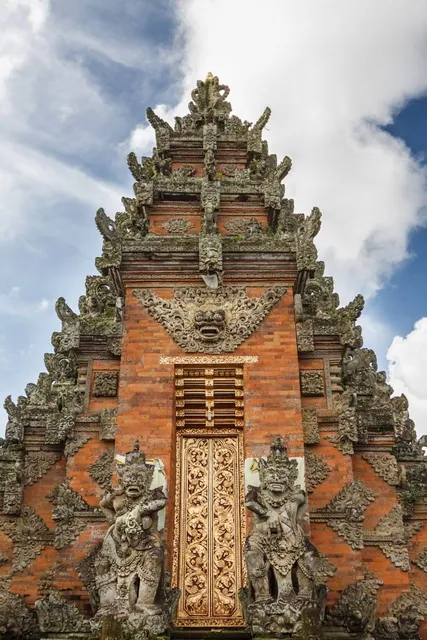
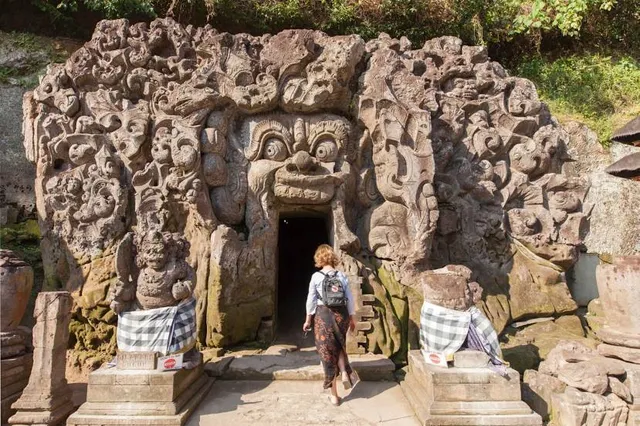
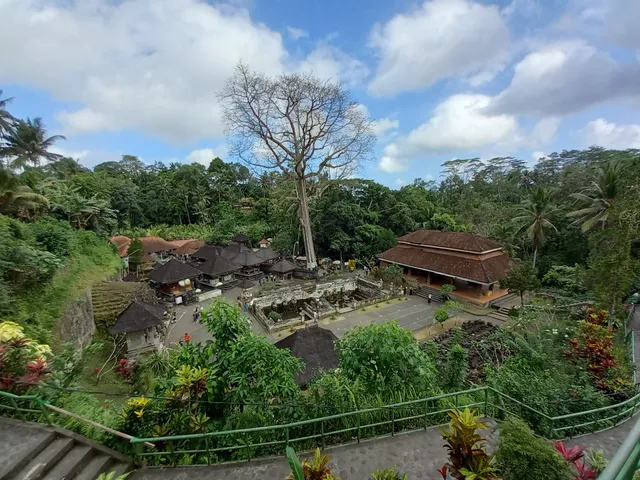
Goa Gajah, or Elephant Cave, is located on the island of Bali near Ubud, in Indonesia. Built in the 9th century, it served as a sanctuary.
Nearby attractions
Obyek Wisata Goa Gajah
Jalan Raya Goa Gajah No.99 Kemenuh Sukawati, Pejeng Kawan, Kec. Tampaksiring, Kabupaten Gianyar, Bali 80582, Indonesia
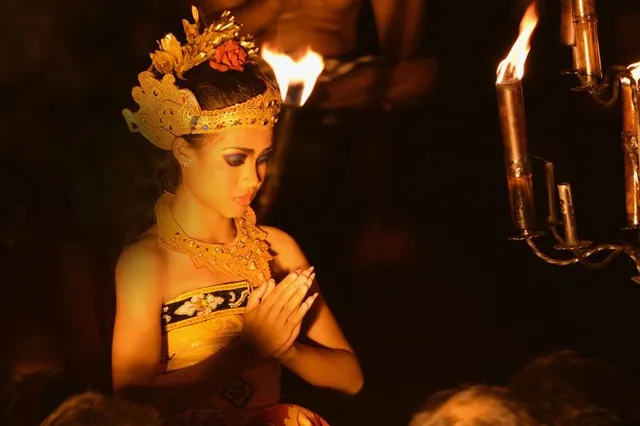
Kecak & Fire Dance at Tanah Gajah, Ubud
Tanah Gajah, a Resort by Hadiprana, Jl. Raya Goa Gajah, Tengkulak Kaja, Kecamatan Ubud, Bali 80571, Indonesia
Pura Samuan Tiga
Jl. Pura Samuan Tiga, Bedulu, Kec. Blahbatuh, Kabupaten Gianyar, Bali 50581, Indonesia
Pura Kebo Edan
Pejeng, Tampaksiring, Gianyar Regency, Bali 80522, Indonesia
Temple Yeh Pulu
Jalan Yeh Pulu Blahbatuh, Bedulu, Kec. Gianyar, Kabupaten Gianyar, Bali 80581, Indonesia
Nearby restaurants
Buddha Garden
Jl. Raya Goa Gajah, Peliatan, Kecamatan Ubud, Kabupaten Gianyar, Bali 80571, Indonesia
Layana Warung
Jl. Raya Goa Gajah, Bedulu, Kec. Blahbatuh, Kabupaten Gianyar, Bali 80582, Indonesia
Dagoja Coffee & Eatery
Jl. Raya Goa Gajah No.99, Bedulu, Kec. Blahbatuh, Kabupaten Gianyar, Bali 80581, Indonesia
Talisman Restaurant
Jl. Raya Goa Gajah, Bedulu, Kec. Blahbatuh, Kabupaten Gianyar, Bali 80582, Indonesia
Tanah Gajah, a Resort by Hadiprana
Tengkulak Kaja, Jl. Raya Goa Gajah, Kemenuh, Ubud, Gianyar Regency, Bali 80571, Indonesia
Petanu River Restaurant
F7GM+RVP, Jl. Raya Goa Gajah, Peliatan, Kecamatan Ubud, Kabupaten Gianyar, Bali 80571, Indonesia
The Tempayan at Tanah Gajah, a Resort by Hadiprana
Tengkulak Kaja, Jl. Raya Goa Gajah, Kemenuh, Kecamatan Ubud, Kabupaten Gianyar, Bali 80571, Indonesia
Bale Udang Mang Engking Ubud
Jl. Raya Goa Gajah, Peliatan, Kecamatan Ubud, Kabupaten Gianyar, Bali 80571, Indonesia
Ayo Vegan
Jl. Pura Samuan Tiga, Bedulu, Kec. Blahbatuh, Kabupaten Gianyar, Bali 80581, Indonesia
Warung Lalapan Zavi 2
F7GR+FJM, Jl. Raya Bedulu, Bedulu, Kec. Blahbatuh, Kabupaten Gianyar, Bali 80581, Indonesia
Nearby hotels
Mancur guesthouse
F7HQ+62V, Jl. Raya Goa Gajah, Bedulu, Kec. Blahbatuh, Kabupaten Gianyar, Bali 80552, Indonesia
Villa Jacques
F7FP+PQ9, Jl. Pasung Grigis I, Kemenuh, Kec. Sukawati, Kabupaten Gianyar, Bali 80581, Indonesia
Ubud Dedari Villas
Banjar Lebah Desa Bedulu Ubud, Bedulu, Blahbatuh, Gianyar Regency, Bali 80571, Indonesia
Bojig House Ubud
Jl. Ki, Jl. Pasung Grigis Br. Tengkulak Kaja No.14, Kemenuh, Kec. Sukawati, Kabupaten Gianyar, Bali 80582, Indonesia
Villa Bakti Ubud
Tengkulak Kaja, Jl. Pasung Grigis, Kemenuh, Kec. Sukawati, Kabupaten Gianyar, Bali 80582, Indonesia
Alami Villa
99 Jalan Pasung Grisis, Kemenuh, Tengkulak Kaja, Kemenuh, Kabupaten Gianyar, Bali 80581, Indonesia
Nuaja Balinese Guest House
Jl. Raya Goa Gajah, Bedulu, Kec. Blahbatuh, Kabupaten Gianyar, Bali 80581, Indonesia
Villa Alamanda
F7CP+QC8, Banjar Kaja, Tengkulak Kaja,, Jl. Raya Goa Gajah I, Kemenuh, Kecamatan Ubud, Kabupaten Gianyar, Bali 80571, Indonesia
Pohon Jiwa (formerly Omah Apik)
Jl. Kenyem Bulan, Banjar Pande, Pejeng, Kec. Tampaksiring, Kabupaten Gianyar, Bali 80571, Indonesia
Petanu River Villa
Kemenuh, Sukawati, Gianyar Regency, Bali 80581, Indonesia
Related posts
Keywords
Goa Gajah tourism.Goa Gajah hotels.Goa Gajah bed and breakfast. flights to Goa Gajah.Goa Gajah attractions.Goa Gajah restaurants.Goa Gajah travel.Goa Gajah travel guide.Goa Gajah travel blog.Goa Gajah pictures.Goa Gajah photos.Goa Gajah travel tips.Goa Gajah maps.Goa Gajah things to do.
Goa Gajah things to do, attractions, restaurants, events info and trip planning
Goa Gajah
IndonesiaBaliPulau BaliGoa Gajah

Basic Info

Goa Gajah

Bedulu, Blahbatuh, Gianyar Regency, Bali, Indonesia
4.2(3.9K)
Open 24 hours
Save
spot

Ratings & Description

Info

Goa Gajah, or Elephant Cave, is located on the island of Bali near Ubud, in Indonesia. Built in the 9th century, it served as a sanctuary.

Cultural
Outdoor
Family friendly
attractions: Obyek Wisata Goa Gajah, Kecak & Fire Dance at Tanah Gajah, Ubud, Pura Samuan Tiga, Pura Kebo Edan, Temple Yeh Pulu, restaurants: Buddha Garden, Layana Warung, Dagoja Coffee & Eatery, Talisman Restaurant, Tanah Gajah, a Resort by Hadiprana, Petanu River Restaurant, The Tempayan at Tanah Gajah, a Resort by Hadiprana, Bale Udang Mang Engking Ubud, Ayo Vegan, Warung Lalapan Zavi 2
logoLearn more insights from Wanderboat AI.

Plan your stay

hotel
Pet-friendly Hotels in Pulau Bali
Find a cozy hotel nearby and make it a full experience.
hotel
Affordable Hotels in Pulau Bali
Find a cozy hotel nearby and make it a full experience.
hotel
The Coolest Hotels You Haven't Heard Of (Yet)
Find a cozy hotel nearby and make it a full experience.
hotel
Trending Stays Worth the Hype in Pulau Bali
Find a cozy hotel nearby and make it a full experience.

Reviews

Nearby attractions of Goa Gajah

Obyek Wisata Goa Gajah

Kecak & Fire Dance at Tanah Gajah, Ubud

Pura Samuan Tiga

Pura Kebo Edan

Temple Yeh Pulu

Obyek Wisata Goa Gajah

Obyek Wisata Goa Gajah

4.3

(321)

Closed
Click for details
Kecak & Fire Dance at Tanah Gajah, Ubud

Kecak & Fire Dance at Tanah Gajah, Ubud

4.5

(19)

Open 24 hours
Click for details
Pura Samuan Tiga

Pura Samuan Tiga

4.8

(469)

Closed
Click for details
Pura Kebo Edan

Pura Kebo Edan

4.6

(99)

Closed
Click for details

Things to do nearby

Bali Full day Customized Private Tours
Mon, Dec 8 • 3:30 AM
Ubud, Bali, 80571, Indonesia
View details
Mysurf School Bali - Learn to surf
Mon, Dec 8 • 9:00 AM
Seminyak Beach, Bali, Indonesia
View details
Learn all about traditional Balinese cooking
Mon, Dec 8 • 8:30 AM
Sukawati, Bali, 80582, Indonesia
View details

Nearby restaurants of Goa Gajah

Buddha Garden

Layana Warung

Dagoja Coffee & Eatery

Talisman Restaurant

Tanah Gajah, a Resort by Hadiprana

Petanu River Restaurant

The Tempayan at Tanah Gajah, a Resort by Hadiprana

Bale Udang Mang Engking Ubud

Ayo Vegan

Warung Lalapan Zavi 2

Buddha Garden

Buddha Garden

4.6

(103)

Click for details
Layana Warung

Layana Warung

4.5

(1.2K)

$$

Click for details
Dagoja Coffee & Eatery

Dagoja Coffee & Eatery

4.6

(124)

Click for details
Talisman Restaurant

Talisman Restaurant

4.4

(87)

Click for details
Get the Appoverlay
Get the AppOne tap to find yournext favorite spots!
Wanderboat LogoWanderboat

Your everyday Al companion for getaway ideas

CompanyAbout Us
InformationAI Trip PlannerSitemap
SocialXInstagramTiktokLinkedin
LegalTerms of ServicePrivacy Policy

Get the app

© 2025 Wanderboat. All rights reserved.
logo

Reviews of Goa Gajah

4.2
(3,883)
avatar
5.0
29w

Goa Gajah Temple is a magnificent temple complex consisting of cave and bathing pool, designed as a place of worship as well as a place of spiritual learning, become a legacy of the classical era of the Shiva-Buddha kingdoms in Bali. In addition to the cave and bathing pool as its main uniqueness, this temple complex also has beautiful gardens and lake, surrounded by the lush old trees and the gurgling flow of waterfalls and rivers that flow around it, in altogether bring an atmosphere of tranquility and peace.

This temple was founded during the reign of King Udayana Warmadewa in 989 - 1011 (King Udayana Warmadewa was a king from Bali who married princess Mahendradatta from Isana Dynasty of Mataram-Medang Kingdom who gave birth to Airlangga, the king of Kahuripan, the forerunner of all great kingdoms in East Java mainly Kadiri, Singhasari, Majapahit). When it was first founded, this temple was named Kunjara Kunja Pada, which "Kunjara" means elephant, "Kunja" means mountain in South India where Resi Agastya built an ashrama surrounded by many wild elephants, and "Pada" means same, referring to the similarity of this sacred place with that sacred place in India.

Along with the political dynamics of all great kingdoms in East Java, Bali was always under the rule of them. However, during the reign of King Bhatara Sri Astasura Ratna Bhumi Banten, Bali had refused to submit to the Majapahit Kingdom, at the time of the reign of Queen Tribhuwana Wijayatunggadewi. At that time, the center of Balinese power was then called Bedahulu/Bedulu, with the word "Beda" means different and "Hulu" means upstream, becoming a sign of the differences of opinion that occurred between Bali as part of the kingdom with Java as the center of the kingdom.

Bedahulu/Bedulu was then successfully conquered again by the force of Majapahit Kingdom's troops under the leadership of Mahapatih Gajah Mada. As a mark of this conquest, Kunjara Kunja Pada was then named as Lwah Gajah as it written in the Negarakertagama Book composed by Mpu Prapanca in 1365, with the word "Lwah" means water and "Gajah" means elephant, referring to the large bodies of water sourced from the river around the area of ​​this temple that analogous with an elephant.

This temple is located in Bedulu Village, Blahbatuh District, Gianyar Regency which can be accessed by motorized vehicles as far as +- 25km / 45 minutes drive from Denpasar, the capital of Bali. In the area of ​​this temple, there are many snacks & drinks, clothings, souvenirs merchants. Around the temple area, there are many places that provide amenities and accommodation such as restaurants/cafes/bars and souvenir shops, hotels/resorts/homestays and other types of lodgings. Thanks to this place closeness to Ubud as one of the most popular tourist...

   Read more
avatar
4.0
25w

If you’re exploring Ubud, Goa Gajah or the Elephant Cave is a must-visit for its blend of ancient spirituality, archaeological intrigue, and atmospheric jungle vibes. Dating back to the 9th century, this sacred site was used as a place of meditation and worship by Hindu and Buddhist monks. It’s one of Bali’s most mystical cultural landmarks and stepping into its moss-covered grounds feels like entering a forgotten world.

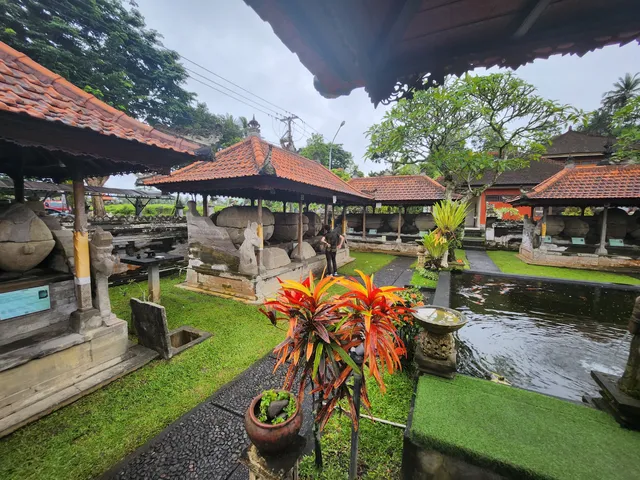
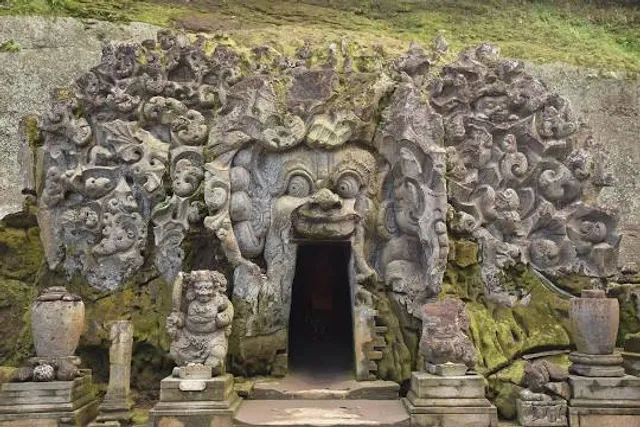
The highlight is, of course, the stone-carved demon face that marks the cave entrance believed to ward off evil spirits. Inside the narrow, T-shaped cave, you’ll find small shrines, a meditation alcove, and the lingering scent of incense. The surrounding area is equally peaceful, with holy bathing pools, tranquil gardens, and jungle pathways leading to serene river spots.

Dress code: As with all sacred sites in Bali, a sarong is required to enter. If you don’t have one, no worries — sarongs are provided free with your ticket.

Entry fee: IDR 50,000 (≈ $3.15 USD) per adult, and parking is available nearby.

How to get there: Goa Gajah is just a 10-minute drive from central Ubud and easily reachable by scooter or Grab. You can also add it as a stop on a half-day temple tour around Ubud.

Why visit? Because Goa Gajah offers more than just visuals it’s a place where history, religion, and nature quietly coexist. It’s not overly touristy, and the site holds a quiet energy that lingers with you even after you leave.

I captured some beautiful shots of the temple complex, carvings, and jungle surroundings you can see more on my Instagram: @traveltrove22 if you're...

   Read more
avatar
5.0
2y

Goa Gajah :

We were coming  from Ubud,and reached Goa Gajah or the "Elephant Cave." Cave's opening mouth is decorated with a giant structure of temple guard Kala Makara. Dutch people probably identified Kala structure as an elephant one and named it as Elephant cave.

Goa Gajah or the Elephant Cave   is mentioned in the Javanese poem Desawarnana written in 1365.The cave was discovered only in 1923 by the Dutchs . But the beautiful fountains and bathing pool were  discovered only after 1950 .

There is a small river flowing here named as Petanu River and by the side of the river, rocks were  carved out , to make both Hindu and Buddhist temples and deities. There are 3 Shivalinga, each Linga is encircled by 8 smaller lingas, probably representing Astha Dikpala of Hindu mythology. There is an 4 hand idol of Lord Ganesha inside the cave .  By the river side there are carved images of Buddhist stupas and chaitya, monk's residential chambers, and atleast 2  statues of Meditating  Buddha .

The bathing ghat having 3 distinct parts. Central part is the holiest one, left one was used for the women and right one for men. The complex  contains 7 statues of women (one was  destroyed due to an earthquake) holding water pitchers that depicts seven holy rivers of India: Ganga, Jamuna, Saraswati, Sindhu, Kaveri, Godavari and Narmada.  The Hindu temple or sanctuary was built probably in  11th century by the Kings of Bali. Balinese  folklore relates that it was created by the fingernail of the legendary giant Kebo Iwa.

Buddha statues and stupas was built probably earlier in...

   Read more
Page 1 of 7
Previous
Next

Posts

Aswin NobbyAswin Nobby
Goa Gajah Temple is a magnificent temple complex consisting of cave and bathing pool, designed as a place of worship as well as a place of spiritual learning, become a legacy of the classical era of the Shiva-Buddha kingdoms in Bali. In addition to the cave and bathing pool as its main uniqueness, this temple complex also has beautiful gardens and lake, surrounded by the lush old trees and the gurgling flow of waterfalls and rivers that flow around it, in altogether bring an atmosphere of tranquility and peace. This temple was founded during the reign of King Udayana Warmadewa in 989 - 1011 (King Udayana Warmadewa was a king from Bali who married princess Mahendradatta from Isana Dynasty of Mataram-Medang Kingdom who gave birth to Airlangga, the king of Kahuripan, the forerunner of all great kingdoms in East Java mainly Kadiri, Singhasari, Majapahit). When it was first founded, this temple was named Kunjara Kunja Pada, which "Kunjara" means elephant, "Kunja" means mountain in South India where Resi Agastya built an ashrama surrounded by many wild elephants, and "Pada" means same, referring to the similarity of this sacred place with that sacred place in India. Along with the political dynamics of all great kingdoms in East Java, Bali was always under the rule of them. However, during the reign of King Bhatara Sri Astasura Ratna Bhumi Banten, Bali had refused to submit to the Majapahit Kingdom, at the time of the reign of Queen Tribhuwana Wijayatunggadewi. At that time, the center of Balinese power was then called Bedahulu/Bedulu, with the word "Beda" means different and "Hulu" means upstream, becoming a sign of the differences of opinion that occurred between Bali as part of the kingdom with Java as the center of the kingdom. Bedahulu/Bedulu was then successfully conquered again by the force of Majapahit Kingdom's troops under the leadership of Mahapatih Gajah Mada. As a mark of this conquest, Kunjara Kunja Pada was then named as Lwah Gajah as it written in the Negarakertagama Book composed by Mpu Prapanca in 1365, with the word "Lwah" means water and "Gajah" means elephant, referring to the large bodies of water sourced from the river around the area of ​​this temple that analogous with an elephant. This temple is located in Bedulu Village, Blahbatuh District, Gianyar Regency which can be accessed by motorized vehicles as far as +- 25km / 45 minutes drive from Denpasar, the capital of Bali. In the area of ​​this temple, there are many snacks & drinks, clothings, souvenirs merchants. Around the temple area, there are many places that provide amenities and accommodation such as restaurants/cafes/bars and souvenir shops, hotels/resorts/homestays and other types of lodgings. Thanks to this place closeness to Ubud as one of the most popular tourist destinations in Bali.
Travel Trove (TravelTrove22)Travel Trove (TravelTrove22)
If you’re exploring Ubud, Goa Gajah or the Elephant Cave is a must-visit for its blend of ancient spirituality, archaeological intrigue, and atmospheric jungle vibes. Dating back to the 9th century, this sacred site was used as a place of meditation and worship by Hindu and Buddhist monks. It’s one of Bali’s most mystical cultural landmarks and stepping into its moss-covered grounds feels like entering a forgotten world. The highlight is, of course, the stone-carved demon face that marks the cave entrance believed to ward off evil spirits. Inside the narrow, T-shaped cave, you’ll find small shrines, a meditation alcove, and the lingering scent of incense. The surrounding area is equally peaceful, with holy bathing pools, tranquil gardens, and jungle pathways leading to serene river spots. Dress code: As with all sacred sites in Bali, a sarong is required to enter. If you don’t have one, no worries — sarongs are provided free with your ticket. Entry fee: IDR 50,000 (≈ $3.15 USD) per adult, and parking is available nearby. How to get there: Goa Gajah is just a 10-minute drive from central Ubud and easily reachable by scooter or Grab. You can also add it as a stop on a half-day temple tour around Ubud. Why visit? Because Goa Gajah offers more than just visuals it’s a place where history, religion, and nature quietly coexist. It’s not overly touristy, and the site holds a quiet energy that lingers with you even after you leave. I captured some beautiful shots of the temple complex, carvings, and jungle surroundings you can see more on my Instagram: @traveltrove22 if you're planning your Bali
Tilak PurkayasthaTilak Purkayastha
Goa Gajah : We were coming  from Ubud,and reached Goa Gajah or the "Elephant Cave." Cave's opening mouth is decorated with a giant structure of temple guard Kala Makara. Dutch people probably identified Kala structure as an elephant one and named it as Elephant cave. Goa Gajah or the Elephant Cave   is mentioned in the Javanese poem Desawarnana written in 1365.The cave was discovered only in 1923 by the Dutchs . But the beautiful fountains and bathing pool were  discovered only after 1950 . There is a small river flowing here named as Petanu River and by the side of the river, rocks were  carved out , to make both Hindu and Buddhist temples and deities. There are 3 Shivalinga, each Linga is encircled by 8 smaller lingas, probably representing Astha Dikpala of Hindu mythology. There is an 4 hand idol of Lord Ganesha inside the cave .  By the river side there are carved images of Buddhist stupas and chaitya, monk's residential chambers, and atleast 2  statues of Meditating  Buddha . The bathing ghat having 3 distinct parts. Central part is the holiest one, left one was used for the women and right one for men. The complex  contains 7 statues of women (one was  destroyed due to an earthquake) holding water pitchers that depicts seven holy rivers of India: Ganga, Jamuna, Saraswati, Sindhu, Kaveri, Godavari and Narmada.  The Hindu temple or sanctuary was built probably in  11th century by the Kings of Bali. Balinese  folklore relates that it was created by the fingernail of the legendary giant Kebo Iwa. Buddha statues and stupas was built probably earlier in 8th century.
See more posts
See more posts
hotel
Find your stay

Pet-friendly Hotels in Pulau Bali

Find a cozy hotel nearby and make it a full experience.

Goa Gajah Temple is a magnificent temple complex consisting of cave and bathing pool, designed as a place of worship as well as a place of spiritual learning, become a legacy of the classical era of the Shiva-Buddha kingdoms in Bali. In addition to the cave and bathing pool as its main uniqueness, this temple complex also has beautiful gardens and lake, surrounded by the lush old trees and the gurgling flow of waterfalls and rivers that flow around it, in altogether bring an atmosphere of tranquility and peace. This temple was founded during the reign of King Udayana Warmadewa in 989 - 1011 (King Udayana Warmadewa was a king from Bali who married princess Mahendradatta from Isana Dynasty of Mataram-Medang Kingdom who gave birth to Airlangga, the king of Kahuripan, the forerunner of all great kingdoms in East Java mainly Kadiri, Singhasari, Majapahit). When it was first founded, this temple was named Kunjara Kunja Pada, which "Kunjara" means elephant, "Kunja" means mountain in South India where Resi Agastya built an ashrama surrounded by many wild elephants, and "Pada" means same, referring to the similarity of this sacred place with that sacred place in India. Along with the political dynamics of all great kingdoms in East Java, Bali was always under the rule of them. However, during the reign of King Bhatara Sri Astasura Ratna Bhumi Banten, Bali had refused to submit to the Majapahit Kingdom, at the time of the reign of Queen Tribhuwana Wijayatunggadewi. At that time, the center of Balinese power was then called Bedahulu/Bedulu, with the word "Beda" means different and "Hulu" means upstream, becoming a sign of the differences of opinion that occurred between Bali as part of the kingdom with Java as the center of the kingdom. Bedahulu/Bedulu was then successfully conquered again by the force of Majapahit Kingdom's troops under the leadership of Mahapatih Gajah Mada. As a mark of this conquest, Kunjara Kunja Pada was then named as Lwah Gajah as it written in the Negarakertagama Book composed by Mpu Prapanca in 1365, with the word "Lwah" means water and "Gajah" means elephant, referring to the large bodies of water sourced from the river around the area of ​​this temple that analogous with an elephant. This temple is located in Bedulu Village, Blahbatuh District, Gianyar Regency which can be accessed by motorized vehicles as far as +- 25km / 45 minutes drive from Denpasar, the capital of Bali. In the area of ​​this temple, there are many snacks & drinks, clothings, souvenirs merchants. Around the temple area, there are many places that provide amenities and accommodation such as restaurants/cafes/bars and souvenir shops, hotels/resorts/homestays and other types of lodgings. Thanks to this place closeness to Ubud as one of the most popular tourist destinations in Bali.
Aswin Nobby

Aswin Nobby

hotel
Find your stay

Affordable Hotels in Pulau Bali

Find a cozy hotel nearby and make it a full experience.

Get the Appoverlay
Get the AppOne tap to find yournext favorite spots!
If you’re exploring Ubud, Goa Gajah or the Elephant Cave is a must-visit for its blend of ancient spirituality, archaeological intrigue, and atmospheric jungle vibes. Dating back to the 9th century, this sacred site was used as a place of meditation and worship by Hindu and Buddhist monks. It’s one of Bali’s most mystical cultural landmarks and stepping into its moss-covered grounds feels like entering a forgotten world. The highlight is, of course, the stone-carved demon face that marks the cave entrance believed to ward off evil spirits. Inside the narrow, T-shaped cave, you’ll find small shrines, a meditation alcove, and the lingering scent of incense. The surrounding area is equally peaceful, with holy bathing pools, tranquil gardens, and jungle pathways leading to serene river spots. Dress code: As with all sacred sites in Bali, a sarong is required to enter. If you don’t have one, no worries — sarongs are provided free with your ticket. Entry fee: IDR 50,000 (≈ $3.15 USD) per adult, and parking is available nearby. How to get there: Goa Gajah is just a 10-minute drive from central Ubud and easily reachable by scooter or Grab. You can also add it as a stop on a half-day temple tour around Ubud. Why visit? Because Goa Gajah offers more than just visuals it’s a place where history, religion, and nature quietly coexist. It’s not overly touristy, and the site holds a quiet energy that lingers with you even after you leave. I captured some beautiful shots of the temple complex, carvings, and jungle surroundings you can see more on my Instagram: @traveltrove22 if you're planning your Bali
Travel Trove (TravelTrove22)

Travel Trove (TravelTrove22)

hotel
Find your stay

The Coolest Hotels You Haven't Heard Of (Yet)

Find a cozy hotel nearby and make it a full experience.

hotel
Find your stay

Trending Stays Worth the Hype in Pulau Bali

Find a cozy hotel nearby and make it a full experience.

Goa Gajah : We were coming  from Ubud,and reached Goa Gajah or the "Elephant Cave." Cave's opening mouth is decorated with a giant structure of temple guard Kala Makara. Dutch people probably identified Kala structure as an elephant one and named it as Elephant cave. Goa Gajah or the Elephant Cave   is mentioned in the Javanese poem Desawarnana written in 1365.The cave was discovered only in 1923 by the Dutchs . But the beautiful fountains and bathing pool were  discovered only after 1950 . There is a small river flowing here named as Petanu River and by the side of the river, rocks were  carved out , to make both Hindu and Buddhist temples and deities. There are 3 Shivalinga, each Linga is encircled by 8 smaller lingas, probably representing Astha Dikpala of Hindu mythology. There is an 4 hand idol of Lord Ganesha inside the cave .  By the river side there are carved images of Buddhist stupas and chaitya, monk's residential chambers, and atleast 2  statues of Meditating  Buddha . The bathing ghat having 3 distinct parts. Central part is the holiest one, left one was used for the women and right one for men. The complex  contains 7 statues of women (one was  destroyed due to an earthquake) holding water pitchers that depicts seven holy rivers of India: Ganga, Jamuna, Saraswati, Sindhu, Kaveri, Godavari and Narmada.  The Hindu temple or sanctuary was built probably in  11th century by the Kings of Bali. Balinese  folklore relates that it was created by the fingernail of the legendary giant Kebo Iwa. Buddha statues and stupas was built probably earlier in 8th century.
Tilak Purkayastha

Tilak Purkayastha

See more posts
See more posts