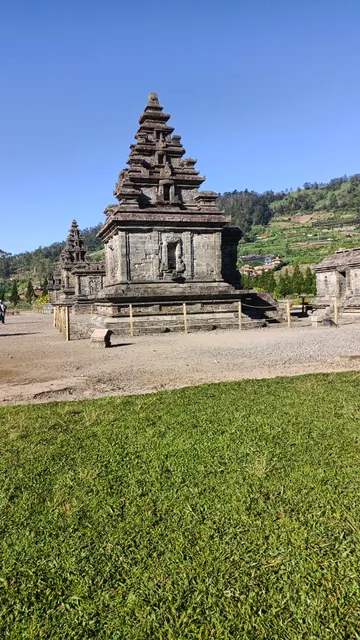
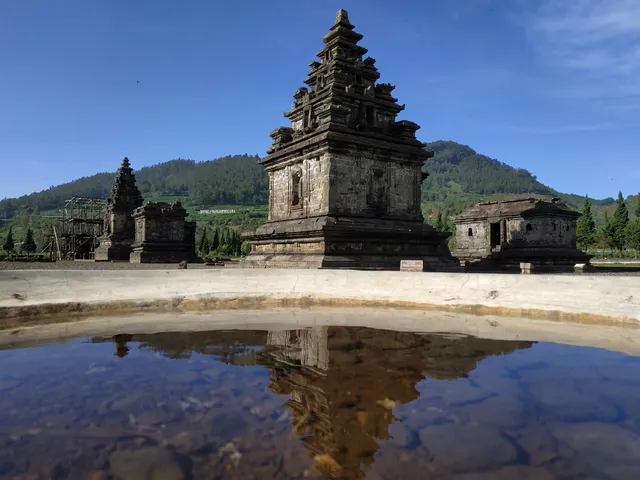
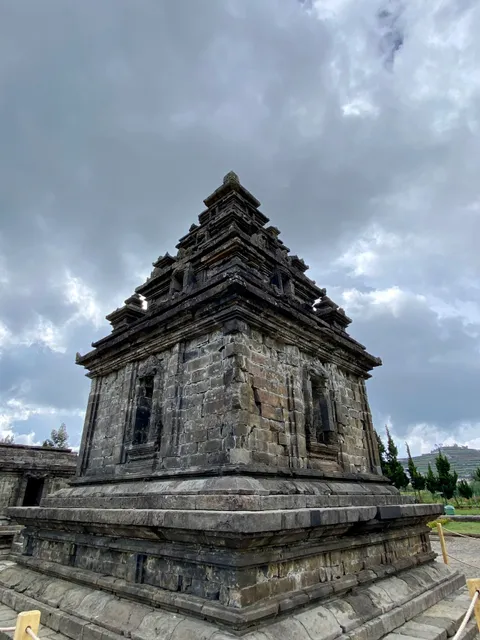
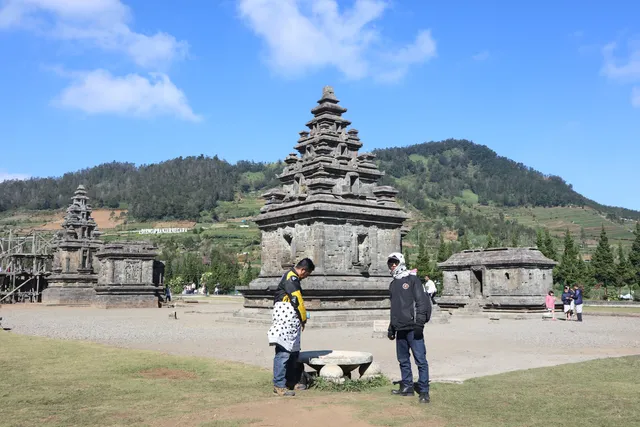
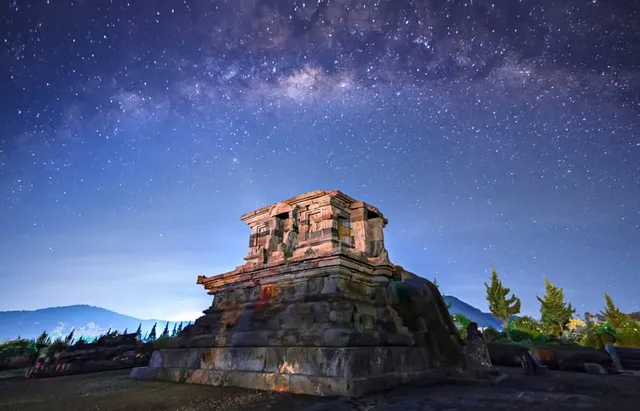
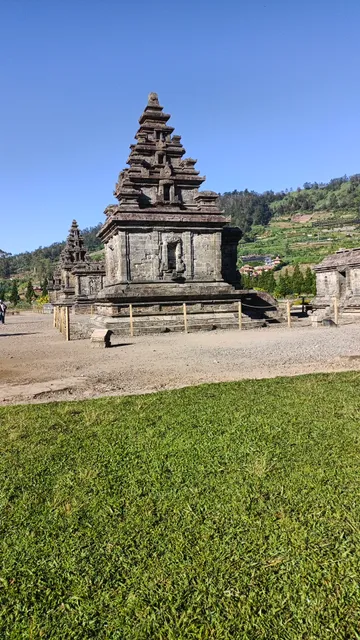
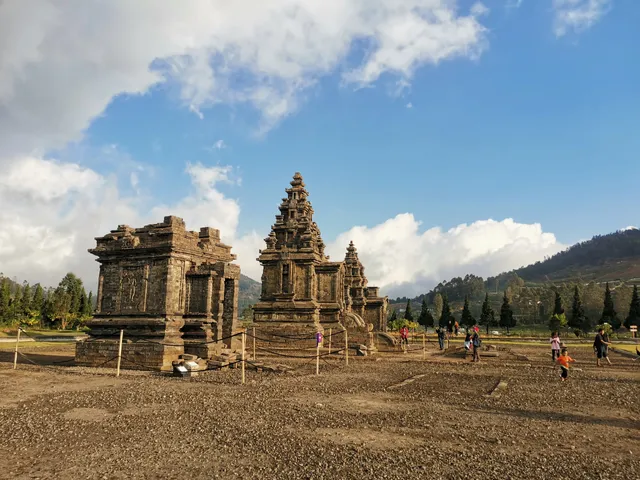
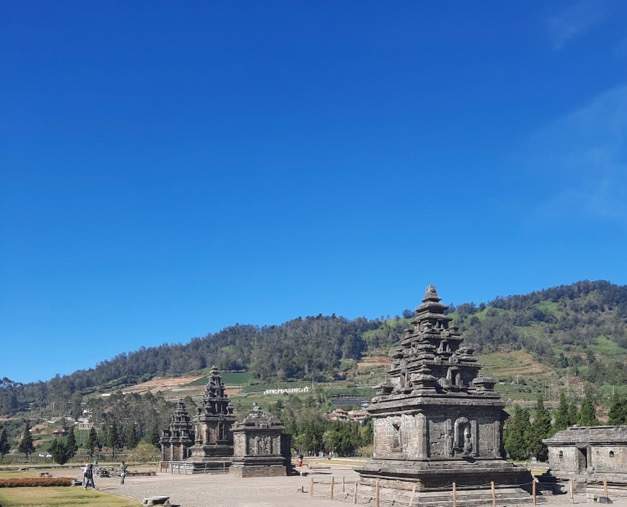
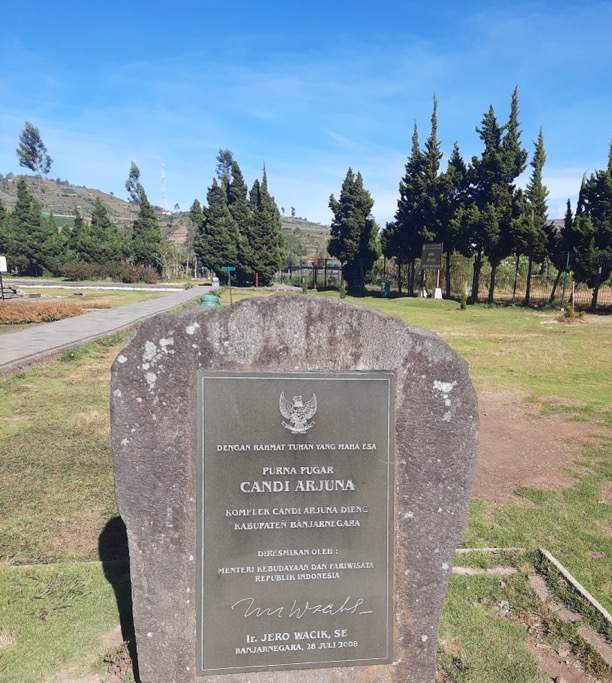
Candi Arjuna is a Hindu temple located in Dieng Plateau, Banjarnegara Regency, Central Java, Indonesia. It is one of the most important Hindu temples in Indonesia, and it is believed to have been built in the 8th century AD.
Candi Arjuna is a square-shaped temple with a height of 24 meters. It is made of red sandstone, and it features intricate carvings and decorations. The temple is dedicated to Arjuna, one of the five Pandawa brothers in the Hindu epic Mahabharata.
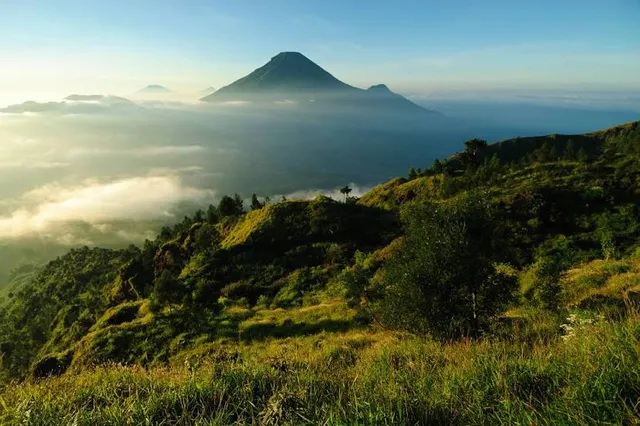
Candi Arjuna is located in a stunning natural setting. It is surrounded by mountains, lakes, and forests. The scenery is breathtaking, and it makes for a relaxing and memorable visit.
Candi Arjuna is a popular tourist destination. It is open to the public for a fee. Visitors can explore the temple and learn about its history and significance.
History of Candi Arjuna
Candi Arjuna is believed to have been built in the 8th century AD by the Sanjaya dynasty, which ruled the Mataram Kingdom. The temple is part of a larger complex of temples in Dieng Plateau, which includes Candi Semar, Candi Srikandi, Candi Puntadewa, and Candi Sembadra.
The temple is dedicated to Arjuna, one of the five Pandawa brothers in the Hindu epic Mahabharata. Arjuna is a skilled archer and warrior, and he is also a great lover. The temple is believed to have been built as a place of worship for Arjuna and his followers.
Architecture of Candi Arjuna
Candi Arjuna is a square-shaped temple with a height of 24 meters. It is made of red sandstone, and it features intricate carvings and decorations. The temple is divided into three levels: the base, the body, and the roof.
The base of the temple is made of large blocks of sandstone. It is decorated with carvings of flowers, animals, and other motifs. The body of the temple is made of smaller blocks of sandstone. It is decorated with carvings of Hindu gods and goddesses. The roof of the temple is made of interlocking stones. It is decorated with carvings of lotus flowers.
Advantages of Candi Arjuna, Dieng, Banjarnegara
Historical significance: Candi Arjuna is one of the most important Hindu temples in Indonesia. It is believed to have been built in the 8th century AD, and it is a testament to the rich cultural heritage of the Dieng Plateau.
Architectural beauty: Candi Arjuna is a beautifully constructed temple. It is made of red sandstone, and it features intricate carvings and decorations. The temple is a must-see for anyone interested in Indonesian art and architecture.
Natural setting: Candi Arjuna is located in a stunning natural setting. The temple is surrounded by mountains, lakes, and forests. The scenery is breathtaking, and it makes for a relaxing and memorable visit.
Disadvantages of Candi Arjuna, Dieng, Banjarnegara
Accessibility: Candi Arjuna is located in a remote area. It is a long and winding drive from the nearest town, and the roads can be difficult to navigate.
Crowds: Candi Arjuna is a popular tourist destination. During the peak season, the temple can be crowded and noisy.
Lack of information: There is limited information available about Candi Arjuna. The temple has not been fully excavated, and there is still much that we do not know about it.
Overall, Candi Arjuna is a beautiful and historic temple that is worth visiting. However, it is important to be aware of the challenges of visiting the temple, such as the remote location and the crowds.
Possible solutions to the disadvantages:
Accessibility: The government could improve the roads leading to Candi Arjuna. They could also provide public transportation options to the temple.
Crowds: The government could implement measures to control the number of visitors to Candi Arjuna. They could also promote other tourist destinations in the area to help spread out the crowds.
Lack of information: The government could fund research and excavations at Candi Arjuna. This would help to increase our understanding of the temple and...
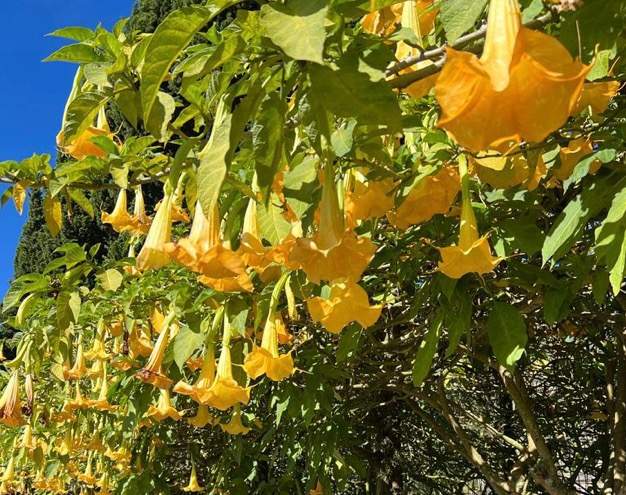
Read moreIt's a regular temple which still on its restoration. The scenery is wonderful. I could see hills and mountains from below. There are beautiful flowers planted here, also the grass is green and so soft. It's great for family picnic.
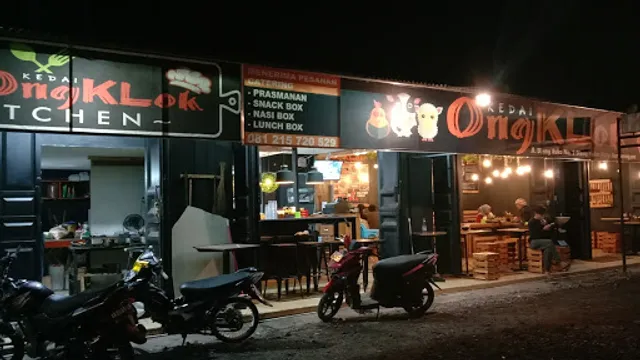
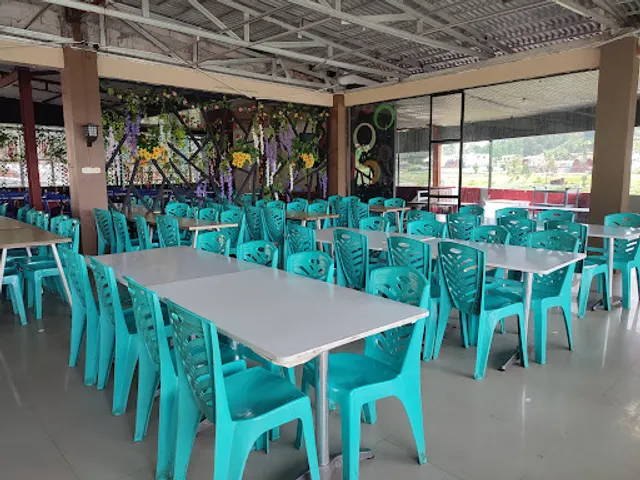
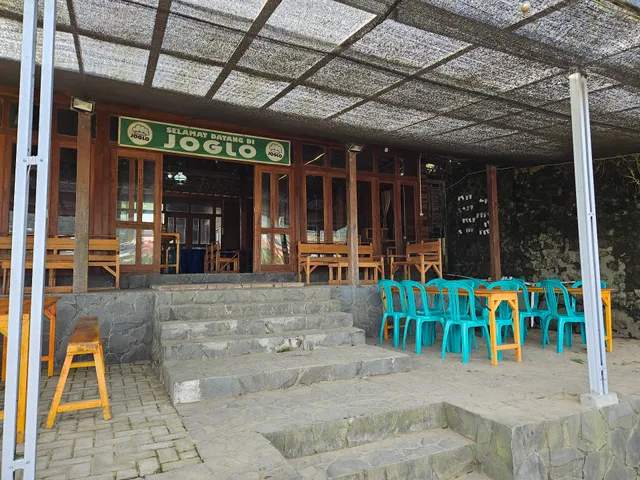
The food stalls not always open on a regular day. They mostly open on holiday or weekend. But you may not afraid of hunger, because this site is near restaurant or another tourist attractions.
I've visited this temple for four times. Free entry, no parking fees. But on the last time i visited, they asked people to pay a ticket (Rp 20.000). I don't know if it was because new year day (i visited it on Jan 1st) or they just changed the regulation about ticketing.
This temple also connected with another temples (i don't remember the names). So if you want to enter another temple (for free), just dress as the local people and get inside from the backdoor on a regular day. Best if you visit the temple around 3-5 pm, so you can enjoy the sunset.
There is no toilets here, so if you need to go to the toilet, drive to the nearest mosque. You often smell some unpleasant smell, i don't know if it was come from fertilizers, drainage, or just gas from the crater. So...
Read moreThe location of the Arjuna temple complex is right in front of the Kailasa statue museum, Banjarnegara city, Central Java. After going down the road, we will see a low-lying complex, consisting of several temples, such as the Arjuna temple, Sembadra temple, Srikandi temple and others. An interesting spot for us to take pictures.
The Dieng Plateau has a vast temple area. It is estimated that the temples in this area occupy an area of 90 hectares. However, only a small portion of the temples have been restored. Of the many temples that have the Dieng Plateau, the Arjuna Temple Complex is the widest.
Located in Dieng Kulon Village, Batur District, Banjarnegara Regency, the Arjuna Temple Complex has an area of about 1 hectare. In this complex, there are five temple buildings, namely Arjuna Temple, Semar Temple, Srikandi Temple, Puntadewa Temple, and Sembadra Temple. Besides Semar Temple, the other four temples are the main temples which are used as places of prayer.
Looking at the shapes and ornaments found in each temple, it is estimated that the four temples were built at different times. Arjuna Temple was the earliest built, while the Sembadra Temple was the...
Read more