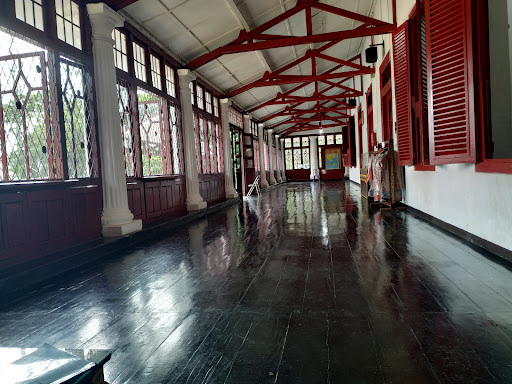
Sultan Mahmud Badaruddin II Museum things to do, attractions, restaurants, events info and trip planning
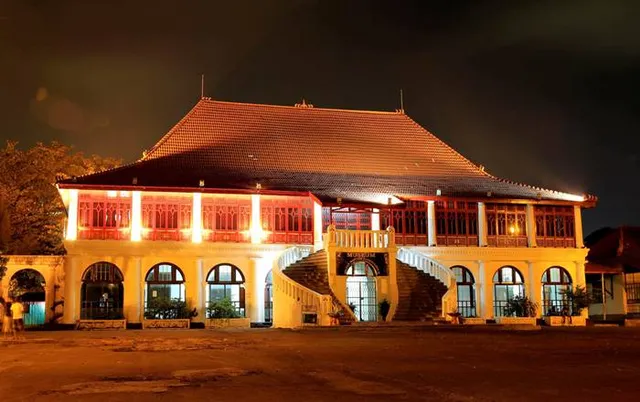
Basic Info
Sultan Mahmud Badaruddin II Museum
Jl. Sultan Mahmud Badarudin, 19 Ilir, Kec. Bukit Kecil, Kota Palembang, Sumatera Selatan 30113, Indonesia
4.6(12)
Closed
Save
spot
spot
Ratings & Description
Info
Sultan Mahmud Badaruddin II Museum is a municipal museum in Palembang, Indonesia. The museum is established inside a 19th-century building former of the office of the colonial resident of South Sumatra. The building also houses the tourist department of Palembang.
Cultural
Scenic
Family friendly
Accessibility
attractions: Kuto Besak Fortress, Monumen Perjuangan Rakyat, Sultan Mahmud Badaruddin Jayo Wikramo Great Mosque (Great Mosque of Palembang), Palembang Fountain Circle, Tugu Ikan Belido, Vihara Vajra Bhumi Sriwijaya 聖輪雷藏寺, restaurants: J.CO Donuts & Coffee Dermaga Point Palembang, Culinary Musi Riverside, Dermaga point Benteng Kuto Besak, Musi View Cafe & Resto, Martabak HAR Masjid Agung, River Side Restaurant, Warung Terapung Mbok War, Musi Icon, Pindang Pegagan Mbok Yah, Pempek Edy, local businesses: Palembang Grand Mosque Foundation, Jembatan 10 ULU
 Learn more insights from Wanderboat AI.
Website
palembang.go.id
Open hoursSee all hours
SunClosed
Plan your stay

Pet-friendly Hotels in Palembang
Find a cozy hotel nearby and make it a full experience.

Affordable Hotels in Palembang
Find a cozy hotel nearby and make it a full experience.

The Coolest Hotels You Haven't Heard Of (Yet)
Find a cozy hotel nearby and make it a full experience.

Trending Stays Worth the Hype in Palembang
Find a cozy hotel nearby and make it a full experience.
Reviews
Nearby attractions of Sultan Mahmud Badaruddin II Museum
Kuto Besak Fortress
Monumen Perjuangan Rakyat
Sultan Mahmud Badaruddin Jayo Wikramo Great Mosque (Great Mosque of Palembang)
Palembang Fountain Circle
Tugu Ikan Belido
Vihara Vajra Bhumi Sriwijaya 聖輪雷藏寺
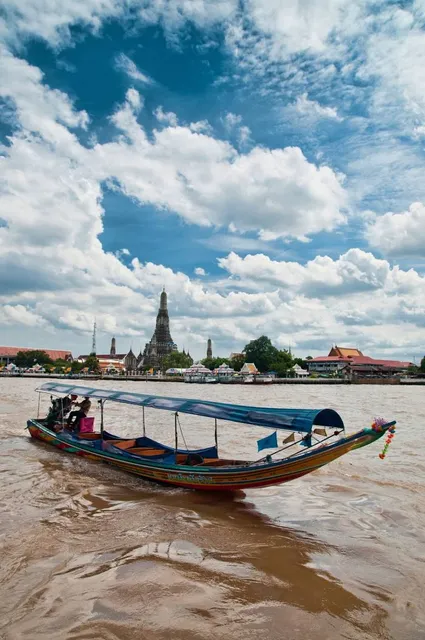
Kuto Besak Fortress
4.5
(6.1K)
Open 24 hours
Click for details

Monumen Perjuangan Rakyat
4.5
(425)
Open 24 hours
Click for details
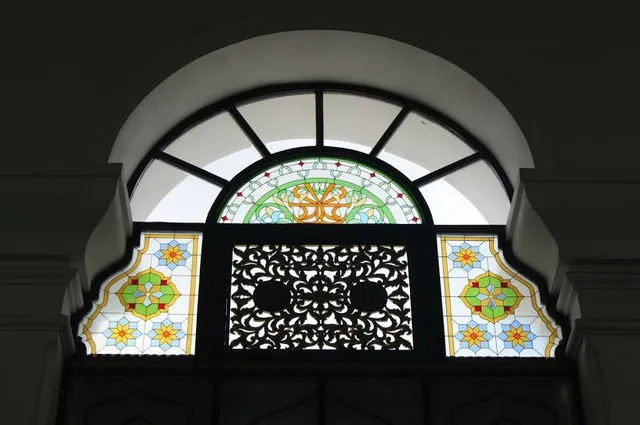
Sultan Mahmud Badaruddin Jayo Wikramo Great Mosque (Great Mosque of Palembang)
4.8
(6.8K)
Open until 12:00 AM
Click for details
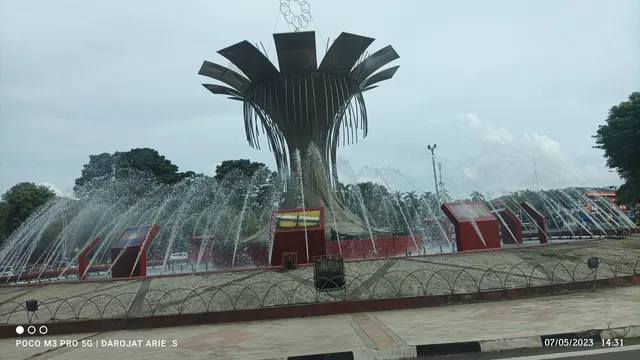
Palembang Fountain Circle
4.6
(798)
Open 24 hours
Click for details
Nearby restaurants of Sultan Mahmud Badaruddin II Museum
J.CO Donuts & Coffee Dermaga Point Palembang
Culinary Musi Riverside
Dermaga point Benteng Kuto Besak
Musi View Cafe & Resto
Martabak HAR Masjid Agung
River Side Restaurant
Warung Terapung Mbok War
Musi Icon
Pindang Pegagan Mbok Yah
Pempek Edy
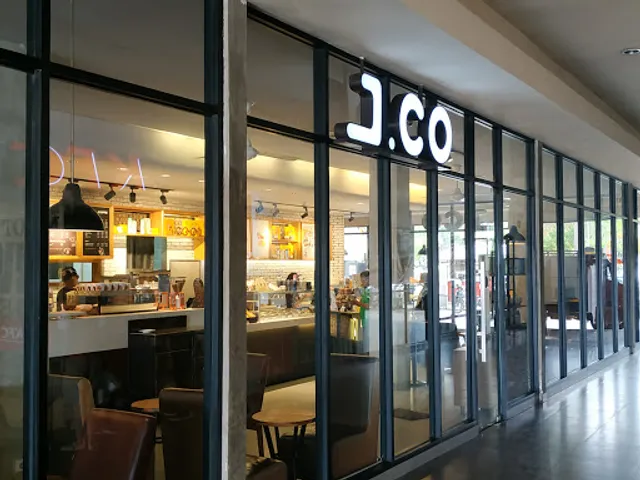
J.CO Donuts & Coffee Dermaga Point Palembang
4.6
(497)
Closed
Click for details
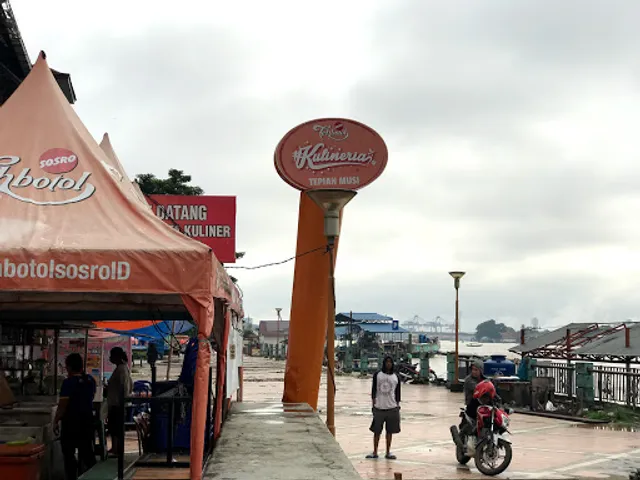
Culinary Musi Riverside
4.4
(434)
Closed
Click for details
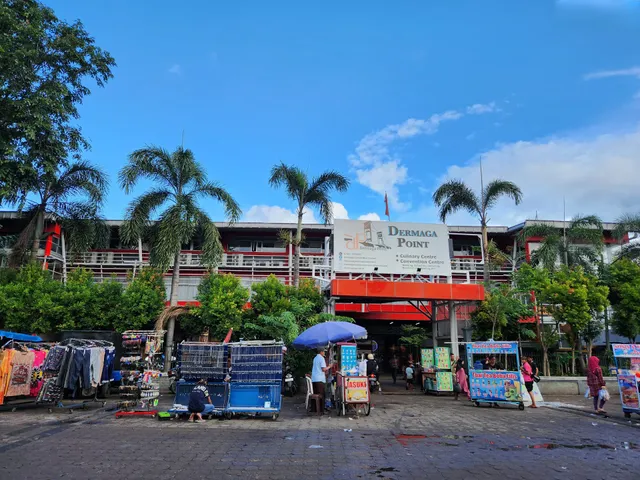
Dermaga point Benteng Kuto Besak
4.5
(184)
Open until 12:00 AM
Click for details
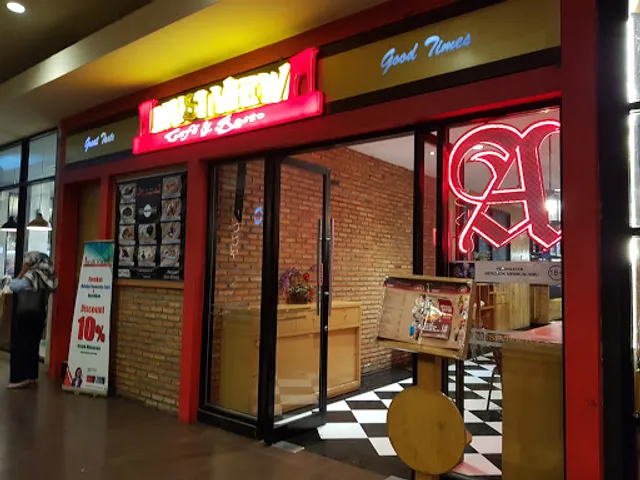
Musi View Cafe & Resto
4.2
(54)
Closed
Click for details
Nearby local services of Sultan Mahmud Badaruddin II Museum
Palembang Grand Mosque Foundation
Jembatan 10 ULU
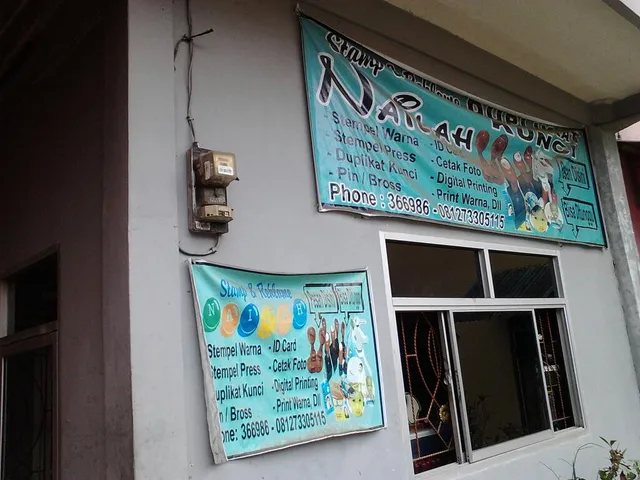
Palembang Grand Mosque Foundation
4.7
(22)
Click for details
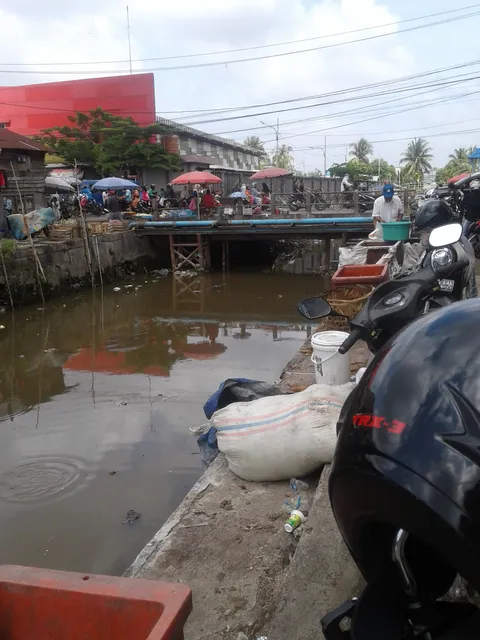
Jembatan 10 ULU
3.9
(9)
Click for details