Pura Tirta Empul Temple:
--
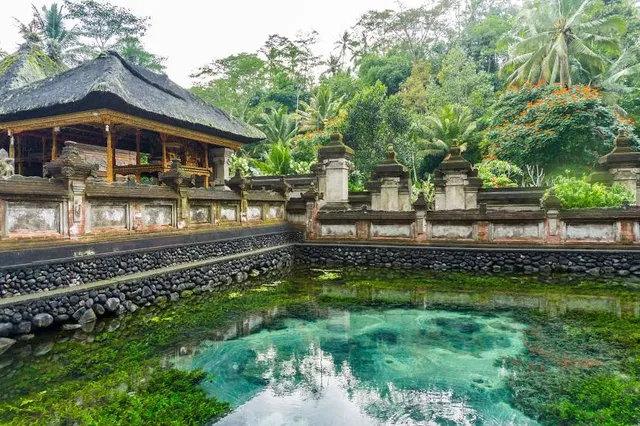
Pura Tirta Empul Temple is one of the most sacred Hindu temples in Bali, Indonesia. It is located in the village of Manukaya, near Tampaksiring, and is famous for its holy spring water, where Balinese Hindus come to perform ritual purification. Built in 962 AD during the reign of the Warmadewa dynasty, this temple holds immense cultural, historical, and spiritual significance. The name Tirta Empul means “holy spring water,” symbolizing purity and divine blessings.
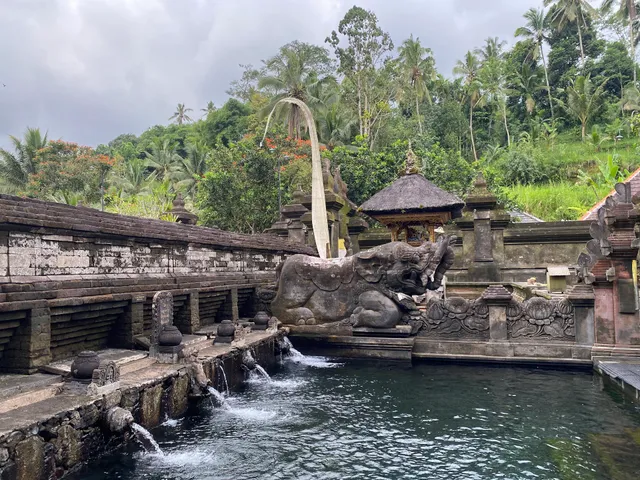
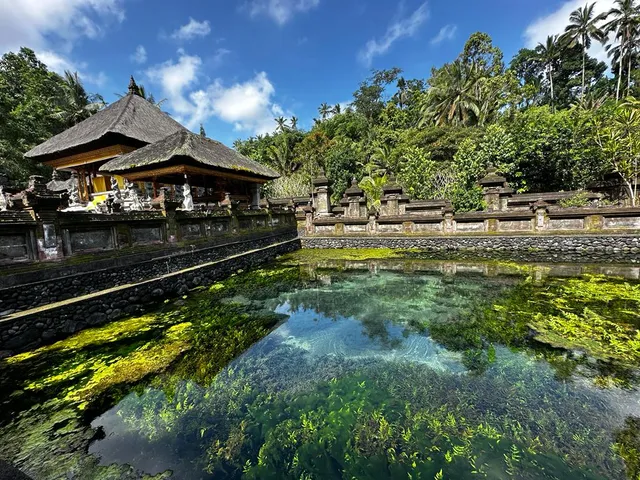
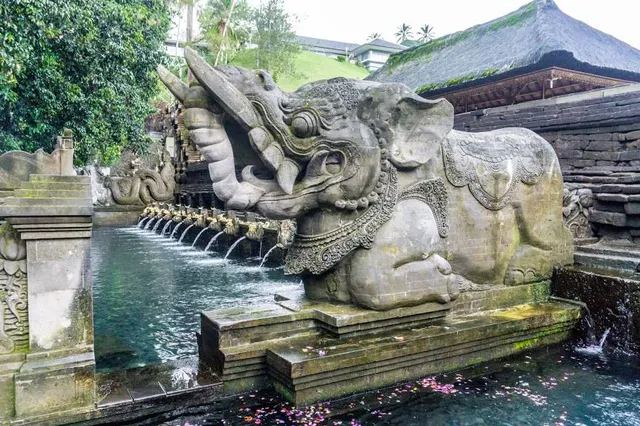
The temple is divided into three main sections: Jaba Pura (the front yard), Jaba Tengah (the central yard), and Jeroan (the inner yard). The central yard is the most important part of the temple, where the purification pools are located. These pools are filled with crystal-clear spring water that flows from sacred fountains. Worshippers and visitors alike immerse themselves in the water as part of a spiritual cleansing ritual. Each fountain is believed to hold a special blessing, such as health, prosperity, and protection from negative forces.
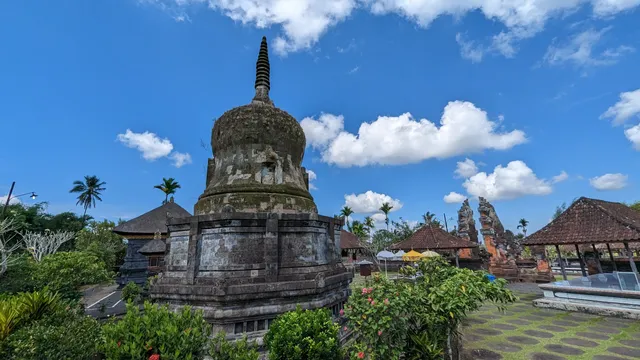
Apart from its religious importance, Pura Tirta Empul also showcases the unique architectural style of Balinese Hindu temples. The temple complex is decorated with traditional stone carvings, shrines, and pavilions, reflecting the artistry and devotion of Balinese culture. The holy spring itself is a natural wonder, continuously flowing with fresh water for centuries, which adds to the temple’s spiritual aura.
The temple is not only a religious site but also a cultural attraction. Balinese Hindus visit Tirta Empul regularly to honor their ancestors and gods through prayers and offerings. Foreign visitors, too, are welcome to participate in the purification rituals, provided they show respect to the temple’s traditions. Wearing a sarong is mandatory, as it represents purity and modesty while entering the temple.
Another notable aspect of the site is its surroundings. The temple is set in a serene environment, surrounded by lush green hills and rice terraces. Nearby is the Tampaksiring Presidential Palace, built in the 1950s, which overlooks the temple complex. This combination of natural beauty, spirituality, and history makes Tirta Empul a truly unique destination in Bali.
In conclusion, Pura Tirta Empul Temple is not just a place of worship but also a symbol of Bali’s deep spiritual traditions and cultural heritage. Its holy spring continues to inspire devotion, attracting both locals and international travelers who seek peace, purification, and connection with the divine. The temple stands as a timeless reminder of Bali’s sacred...
Read moreTirta Empul Temple is indeed dedicated to Lord Indra, the Hindu god of rain and thunderstorms. The temple's sacred spring is believed to have been created by Lord Indra himself, making it a significant site for spiritual cleansing and blessings in Balinese Hindu culture. The temple’s legend adds to its mystical charm, drawing visitors who seek not only its natural beauty but also the spiritual experience associated with the divine presence of Lord Indra.
located in the lush, green hills of Central Bali, is a fascinating and serene experience for any traveler. Known for its sacred holy spring, the temple is a significant cultural and spiritual site that offers a glimpse into Bali's rich heritage and religious traditions.
The temple is famous for its purification pools, where visitors can participate in the traditional Balinese ritual of “melukat” (a spiritual cleansing). The experience of stepping into the cool, spring-fed waters is both calming and invigorating. With locals and tourists alike standing side by side in the crystal-clear pools, it's a unique way to immerse oneself in Balinese culture. There are 13 spouts in the main pool, each believed to provide specific spiritual benefits, and the locals are always eager to share the meaning behind each one.
The architectural beauty of the temple is stunning. With intricately carved stone structures, shrines adorned with traditional Balinese art, and moss-covered statues, every corner feels like a step back in time. The lush, natural surroundings add to the temple’s tranquil atmosphere, creating a peaceful retreat from Bali's busier tourist areas.
However, the temple can get quite crowded during peak hours, especially with tour groups arriving mid-morning. It’s best to visit early in the morning for a quieter experience. Modest clothing is required, but sarongs are available for rent at the entrance, making it easy for visitors to respect...
Read moreTirta Empul Temple: A Serene Experience**
Visiting Tirta Empul Temple was an unforgettable experience that beautifully intertwined culture, spirituality, and natural beauty. Nestled in the heart of Bali, this sacred water temple provides a serene escape from the hustle and bustle, with its tranquil surroundings and rich history.
From the moment I arrived, I was captivated by the stunning architecture and the verdant landscape. The lush greenery and crystal-clear holy spring water create a peaceful ambience that welcomes every visitor.
Participating in the purification ritual was the highlight of my visit. The process, guided by friendly and knowledgeable locals, felt incredibly purifying and refreshing. It was a unique opportunity to immerse myself in Balinese tradition and spirituality.
The temple is well-maintained, with clear pathways and informative signs that enhance the experience. The staff and local guides were respectful and willing to share the temple's fascinating history and cultural significance, which enriched my understanding and appreciation of this sacred site.
Additionally, the surrounding area is dotted with small shops where local vendors sell beautiful souvenirs and traditional offerings. These were charming additions to the experience, allowing for a more comprehensive cultural immersion.
Overall, Tirta Empul Temple is a must-visit for anyone travelling to Bali. Whether you're seeking spiritual solace, cultural enrichment, or simply a place of serene beauty, this temple offers a little bit of everything in the most enchanting way. Highly...
Read more