Tabriz Grand Bazaar things to do, attractions, restaurants, events info and trip planning
Basic Info
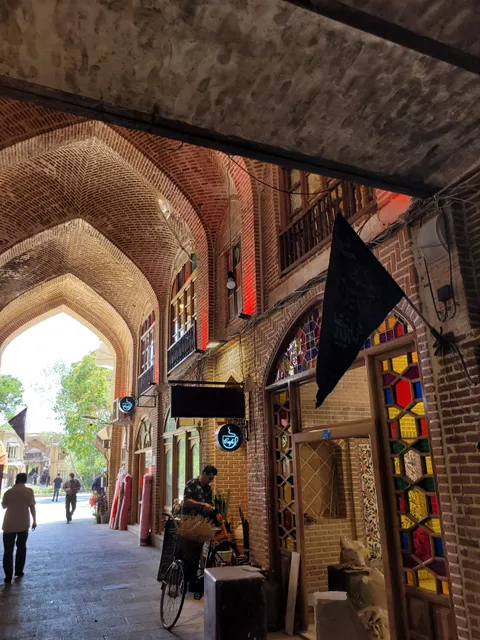
Tabriz Grand Bazaar
37JR+8WM Bazar, Tabriz, East Azerbaijan Province, Iran
4.6(1.2K)
Open until 12:00 AM
Save
spot
spot
Ratings & Description
Info
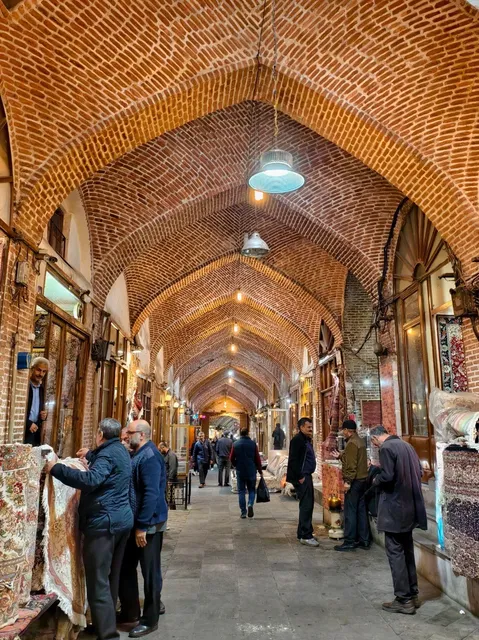
The Bazaar of Tabriz is a historical market situated in the city center of Tabriz, Iran. It is one of the oldest bazaars in the Middle East and the largest covered bazaar in the world. It is one of Iran's UNESCO World Heritage Sites.
Cultural
Entertainment
Family friendly
attractions: Jameh Mosque of Tabriz, Constitution House of Tabriz, Maqbareh Mosque, Saint Mary Church, Haj SafarAli Mosque, Quran ve Ketabat Museum, Saheb-ol-Amr Mosque, Qari bridge, Municipality Palace of Tabriz, Arg-e Alishah, restaurants: Chapari Restaurant, Shazdeh Restaurant, Eyranchi Restaurant, Tabriz Modern Restaurant, local businesses: Tabriz Business and Marketing Museum, Tabriz Firefighting Tower
 Learn more insights from Wanderboat AI.
Open hoursSee all hours
FriClosedOpen
Plan your stay

Pet-friendly Hotels in Tabriz
Find a cozy hotel nearby and make it a full experience.

Affordable Hotels in Tabriz
Find a cozy hotel nearby and make it a full experience.

The Coolest Hotels You Haven't Heard Of (Yet)
Find a cozy hotel nearby and make it a full experience.

Trending Stays Worth the Hype in Tabriz
Find a cozy hotel nearby and make it a full experience.
Reviews
Nearby attractions of Tabriz Grand Bazaar
Jameh Mosque of Tabriz
Constitution House of Tabriz
Maqbareh Mosque
Saint Mary Church
Haj SafarAli Mosque
Quran ve Ketabat Museum
Saheb-ol-Amr Mosque
Qari bridge
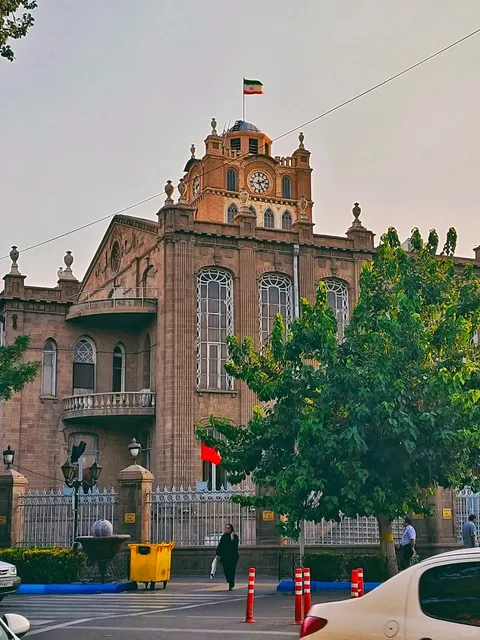
Municipality Palace of Tabriz
Arg-e Alishah

Jameh Mosque of Tabriz
4.5
(101)
Open 24 hours
Click for details
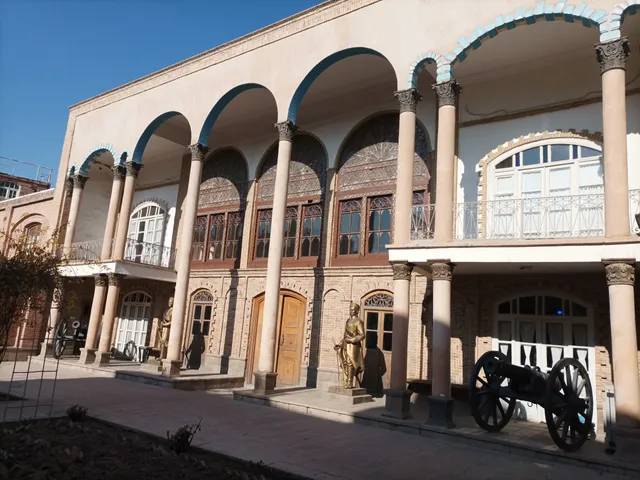
Constitution House of Tabriz
4.3
(365)
Open until 7:00 PM
Click for details

Maqbareh Mosque
4.5
(18)
Open until 12:00 AM
Click for details

Saint Mary Church
4.1
(53)
Open 24 hours
Click for details
Nearby restaurants of Tabriz Grand Bazaar
Chapari Restaurant
Shazdeh Restaurant
Eyranchi Restaurant
Tabriz Modern Restaurant
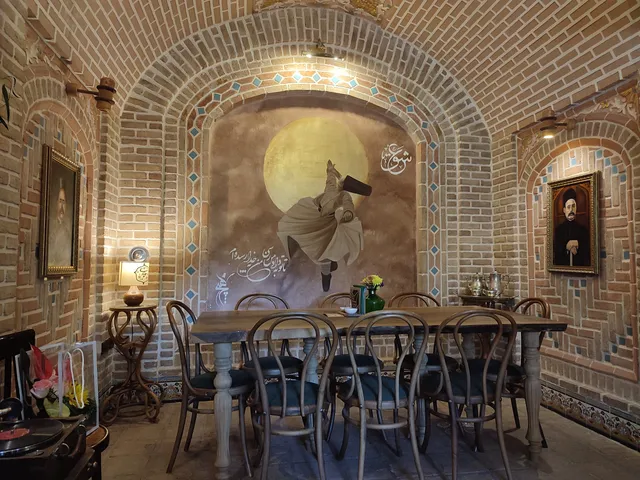
Chapari Restaurant
4.4
(71)
Open until 12:00 AM
Click for details
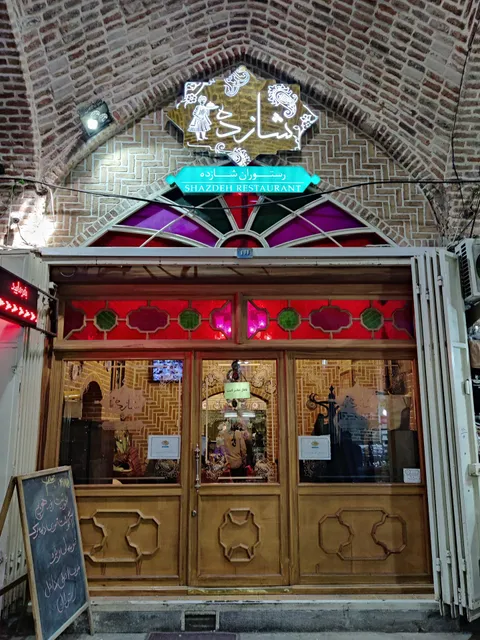
Shazdeh Restaurant
3.8
(136)
Open until 5:00 PM
Click for details
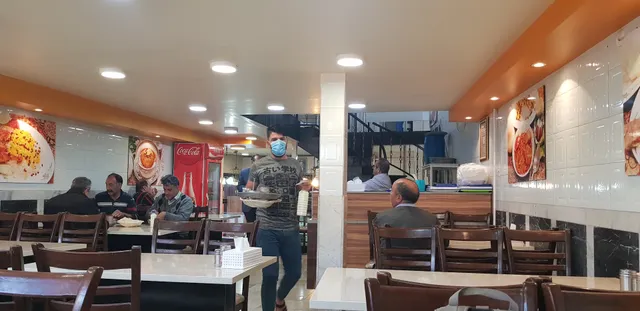
Eyranchi Restaurant
4.2
(34)
Open until 11:00 PM
Click for details
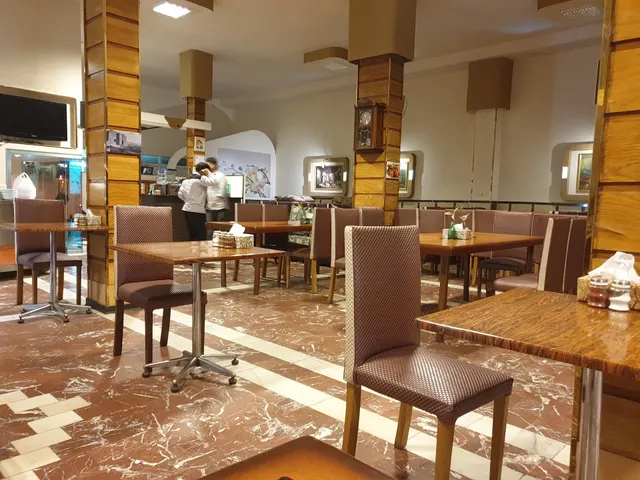
Tabriz Modern Restaurant
3.9
(39)
Open until 11:00 PM
Click for details
Nearby local services of Tabriz Grand Bazaar
Tabriz Business and Marketing Museum
Tabriz Firefighting Tower
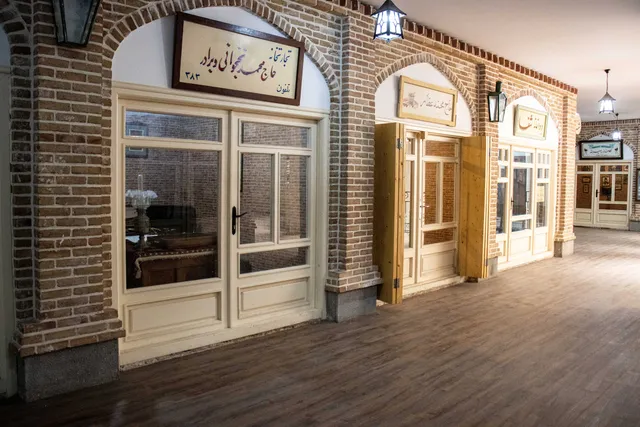
Tabriz Business and Marketing Museum
4.5
(17)
Click for details
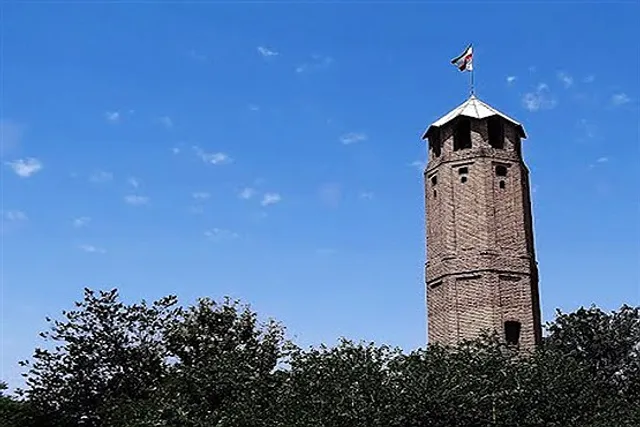
Tabriz Firefighting Tower
4.5
(75)
Click for details