first political prisoners in 1986 and the prison’s liberation by Kurdish Peshmerga on March 9 1991, Sulaymaniyah’s Amna Suraka, or Red Prison, functioned as the headquarters of the northern division of the Mukhabarat, iraq’s secret intelligence agency. The Mukharbarat used the location for the state’s torture and imprisonment of Iraq’s Kurdish population.
Between 1986 and 1989, the Iraqi state conducted the al-Anfal Campaign, considered to be genocidal in intent, against the Iraqi Kurds. Conducted by Ali Hassan al-Majid under the direction of Saddam Hussein, al-Anfal utilized bombing, firing squads, mass deportation and forced relocation, ground offensives, settlement destruction, torture and imprisonment, and chemical warfare in an attempt to destroy the Kurdish population.
The chemical gas attacks on Halabja, part of al-Anfal, earned al-Majid the nickname of “Chemical Ali.” A Human Rights Watch report documents the “systematic and deliberate murder of at least 50,000 and possibly as many as 100,000 Kurds” as a result of al-Anfal. Thousands of Kurds were tortured and executed at Amna Suraka.
During the first Gulf War of 1991, the Kurdish guerilla army called the Peshmerga conducted an uprising in northern Iraq with the intent of liberating the country from Hussein’s control. Though ultimately unsuccessful, the uprising did see the capturing of of the Amna Suraka by Kurds. Due in part to the efforts of Lady Hero Talabani, the wife of Iraqi president Jalal Talabani, Amna Suraka is now a national Museum of War Crimes.
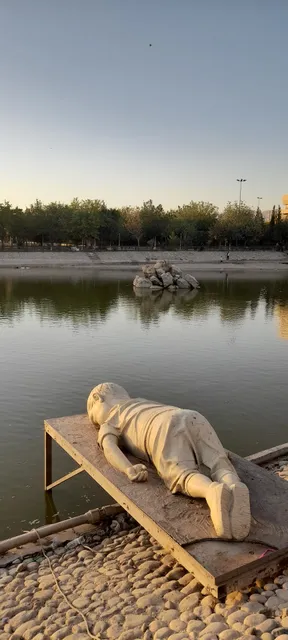
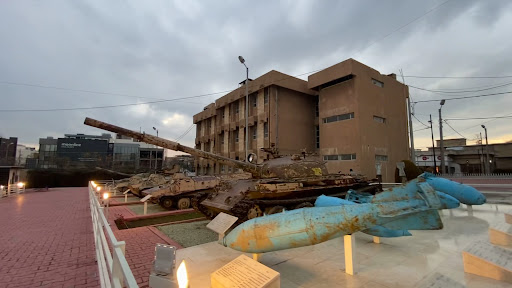
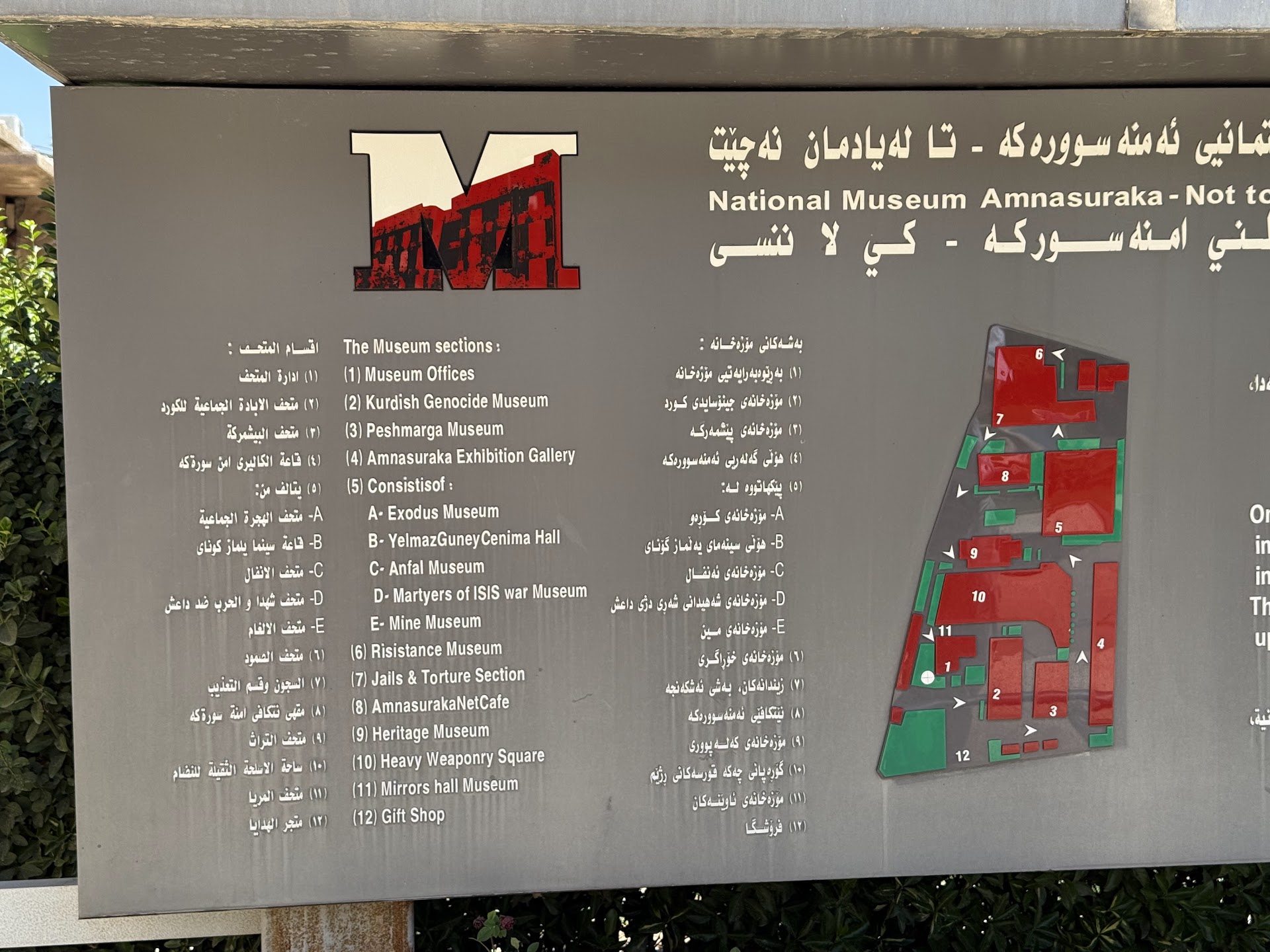
Visitors of the Amna Suraka today may explore the multi-story administrative building. It has been left largely as it was the day of its capture by Peshmerga: structurally intact but gutted and studded with holes from warfare. The basement, lit with deep, dark red, contains haunting photographs from the chemical attack in Halabja. Among the images is Ramazan Öztürk’s iconic image Silent Witness. School children on class visits to the museum climb about the various disused tanks and helicopters which sit in the courtyard outside the administrative building.
The central building of the Museum of War Crimes opens with the Hall of Mirrors. What was once the offices and canteen of ranking members of the Ba’ath party is now a hall covered with 4,500 light bulbs representing villages destroyed during al-Anfal, and 182,000 shards of broken glass—for every person killed during the operation. The Hall of Mirrors also contains a replica of a traditional...
Read moreThis is one of the most unique places in the world. It used to be the Iraqi intelligence office in the city of Sulayamaniya, with a secret prison and many torching facilities.
After the liberation of the city by its people in 1991, the building was rehabilitated to a museum. Keeping many of the remnents of the prisoners and equipments used for torchering. A lot of qriting on the walls are preserved. There is also a tape recorded of the time which is tourchering a young person while investigation.
Another part is about Peshmerga. The partisan fighters who were in the mountains and worked to free the people from such atrocities. Thousands of photos, tens of stuff which were used by them. You could also see several realistic paintings related to the live, senery and steive of Peshmerga.
The founder is also a veteran Peshemrga and a fine painter.
You might ask, what fight? What strive? And why tourchring?
In fact, this city of Sulayamaniya is a part of the Kurdistan region in Iraq, and thus the Iraqi Government managed several genocidal campaigns aimed at cleansing the Kurdish people. This building was one of the Olice instruments in their hand.
In the Museum, you will find a tunnel covered with 4500 pieces of broken mirrors which indicates 4500 Kurdish villages that were set to fire between 1986-1988 by the Iraqi dictator givernement.
You will also find symbols for 182,000 kurdish people burried alive in a barbaric campaign...
Read moreAmna Suraka, meaning "Red Security" in Kurdish, is a former Iraqi military intelligence and security complex located in Sulaymaniyah, in the Kurdistan Region of Iraq. It is notorious for being used by Saddam Hussein's regime during the Ba'athist era as a site of imprisonment, interrogation, and torture, particularly targeting political dissidents, Kurds, and others opposed to the regime.
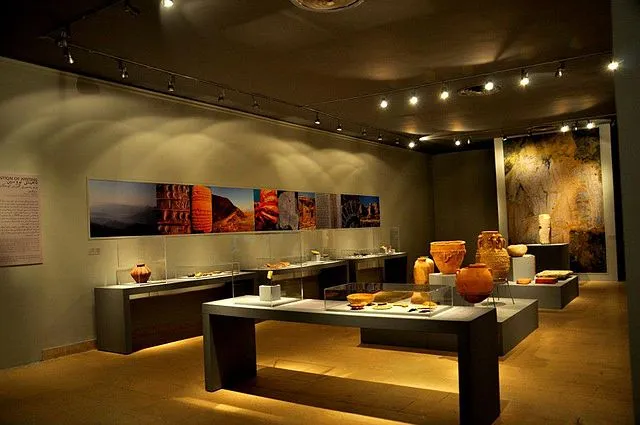
Today, Amna Suraka serves as a museum and memorial dedicated to documenting the atrocities committed under Saddam Hussein's rule, particularly during the Anfal campaign against the Kurds in the 1980s. The site includes preserved prison cells, torture chambers, and an exhibition of personal belongings, photographs, and documents of victims.
One of its most striking features is the Hall of Mirrors, where thousands of shards of glass represent the Kurdish lives lost during the Anfal campaign. The complex also features bullet-ridden walls and other preserved elements to evoke the harsh reality of the site's history.
Amna Suraka stands as a powerful symbol of resilience and a stark reminder of the suffering endured during Saddam Hussein's...
Read more