Donegal Castle things to do, attractions, restaurants, events info and trip planning
Basic Info
Donegal Castle
Donegal, F94 P996, Ireland
4.5(1.5K)
Closed

tickets
Save
spot
spot
Ratings & Description
Info
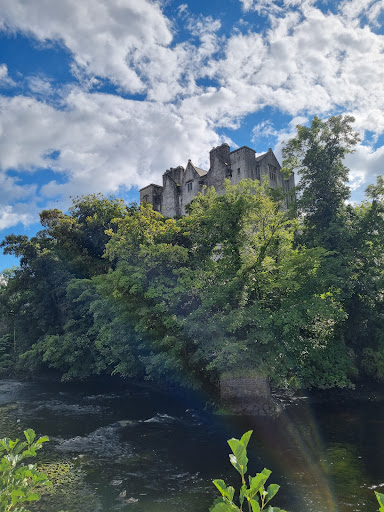
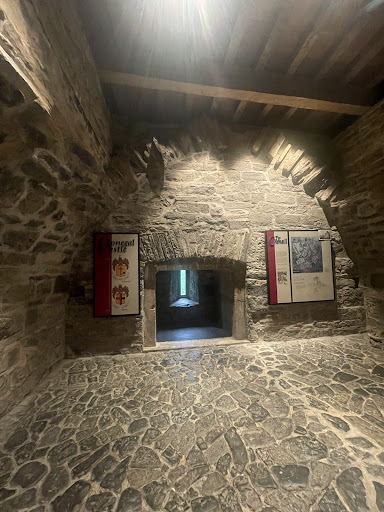
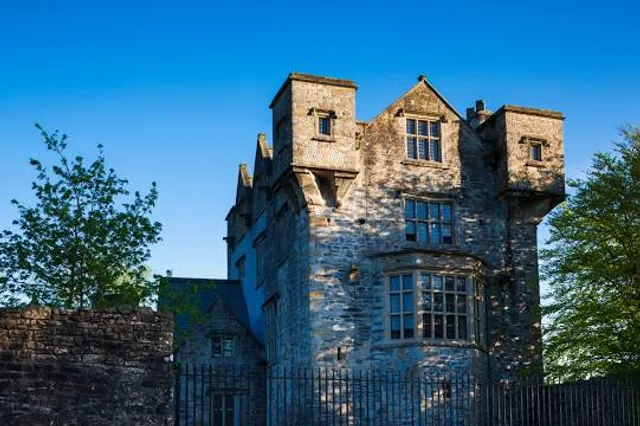
Donegal Castle is a castle situated in the centre of Donegal Town in County Donegal in Ulster, Ireland. The castle was the stronghold of the O'Donnell clan, Lords of Tír Conaill and one of the most powerful Gaelic families in Ireland from the 5th to the 16th centuries.
Cultural
Family friendly
attractions: Donegal Bay Waterbus, The River Bank Walk, Donegal Town, Donegal Railway Heritage Museum (Centre), Donegal Town Tourist Information Centre, Abbey of Donegal, Famine Graveyard, restaurants: Olde Castle Seafood Bar, Blueberry Tea Room and Restaurant, The Reel Inn, La Bella Donna Restaurant, O'Donnells Bar & Restaurant Donegal, Chandpur Restaurant, Old Stone, The Harbour Restaurant & Bar, McCafferty's Bar, Marina’s Café & Wine Bar, local businesses: Simple Simons, Little Mamma’s Gelato, Cassidy Electrical Euronics, Magee Clothing Ltd, Distinctly Donegal Handcrafted Jewellery
 Learn more insights from Wanderboat AI.
Phone
+353 74 972 2405
Website
heritageireland.ie
Open hoursSee all hours
Sat9 AM - 4 PMClosed
Plan your stay

Pet-friendly Hotels in County Donegal
Find a cozy hotel nearby and make it a full experience.

Affordable Hotels in County Donegal
Find a cozy hotel nearby and make it a full experience.

The Coolest Hotels You Haven't Heard Of (Yet)
Find a cozy hotel nearby and make it a full experience.

Trending Stays Worth the Hype in County Donegal
Find a cozy hotel nearby and make it a full experience.
Reviews
Live events

Shuck and taste fresh oysters at a family farm
Mon, Feb 23 • 2:30 PM
Lettermacaward, County Donegal, F94E78N, Ireland
View details

Adventure with the family on kayak treasure trail
Sat, Feb 28 • 11:00 AM
Dunlewey, County Donegal, F92, Ireland
View details
Nearby attractions of Donegal Castle
Donegal Bay Waterbus
The River Bank Walk, Donegal Town
Donegal Railway Heritage Museum (Centre)
Donegal Town Tourist Information Centre
Abbey of Donegal
Famine Graveyard
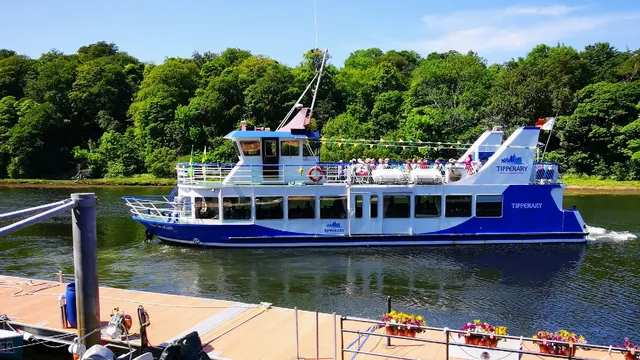
Donegal Bay Waterbus
4.4
(292)
Closed
Click for details
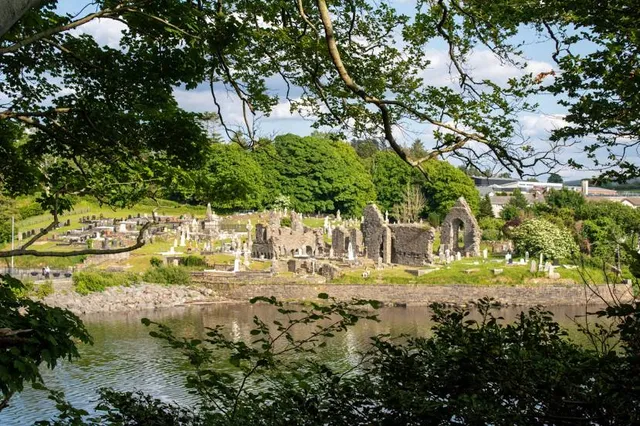
The River Bank Walk, Donegal Town
4.7
(31)
Open 24 hours
Click for details
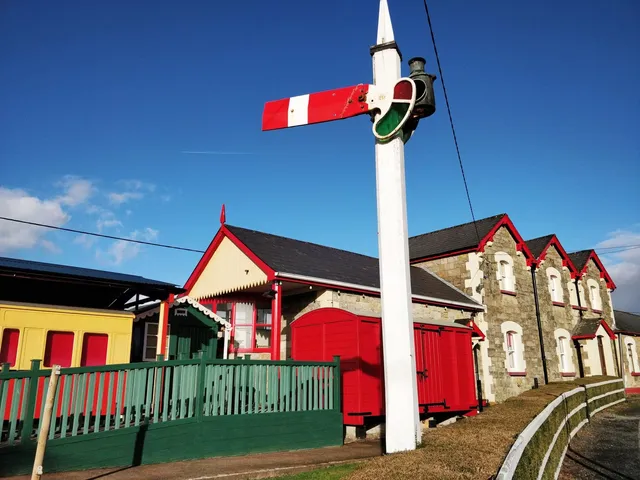
Donegal Railway Heritage Museum (Centre)
4.5
(203)
Closed
Click for details

Donegal Town Tourist Information Centre
4.6
(172)
Closed
Click for details
Nearby restaurants of Donegal Castle
Olde Castle Seafood Bar
Blueberry Tea Room and Restaurant
The Reel Inn
La Bella Donna Restaurant
O'Donnells Bar & Restaurant Donegal
Chandpur Restaurant
Old Stone
The Harbour Restaurant & Bar
McCafferty's Bar
Marina’s Café & Wine Bar
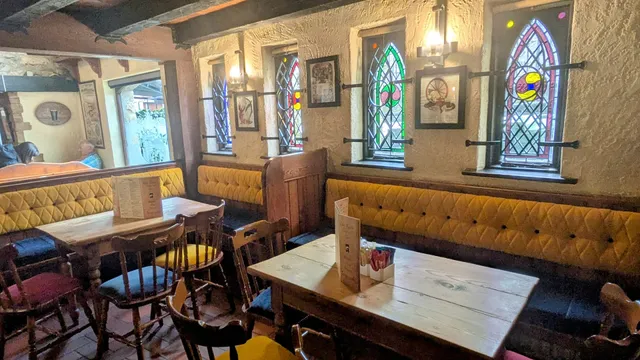
Olde Castle Seafood Bar
4.5
(876)
Click for details

Blueberry Tea Room and Restaurant
4.8
(441)
Closed
Click for details
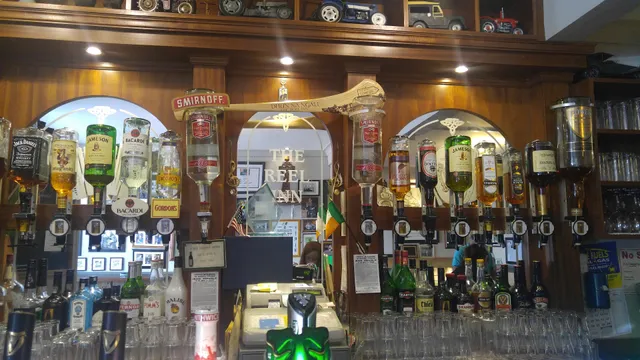
The Reel Inn
4.8
(257)
Open until 1:00 AM
Click for details
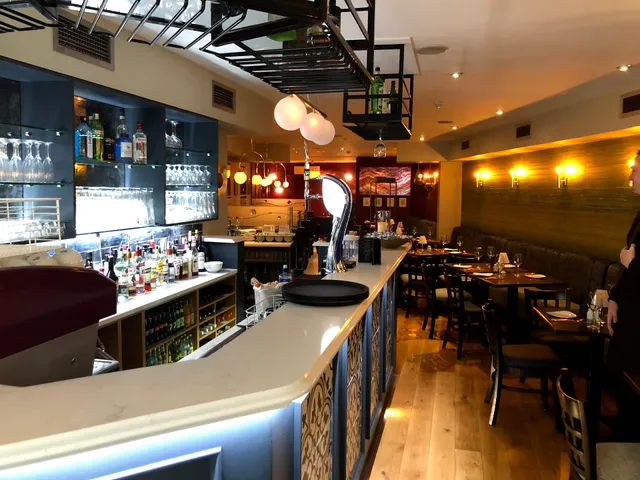
La Bella Donna Restaurant
4.5
(210)
$$
Open until 10:00 PM
Click for details
Nearby local services of Donegal Castle
Simple Simons
Little Mamma’s Gelato
Cassidy Electrical Euronics
Magee Clothing Ltd
Distinctly Donegal Handcrafted Jewellery

Simple Simons
4.8
(80)
Click for details

Little Mamma’s Gelato
4.8
(60)
Click for details

Cassidy Electrical Euronics
4.6
(35)
Click for details
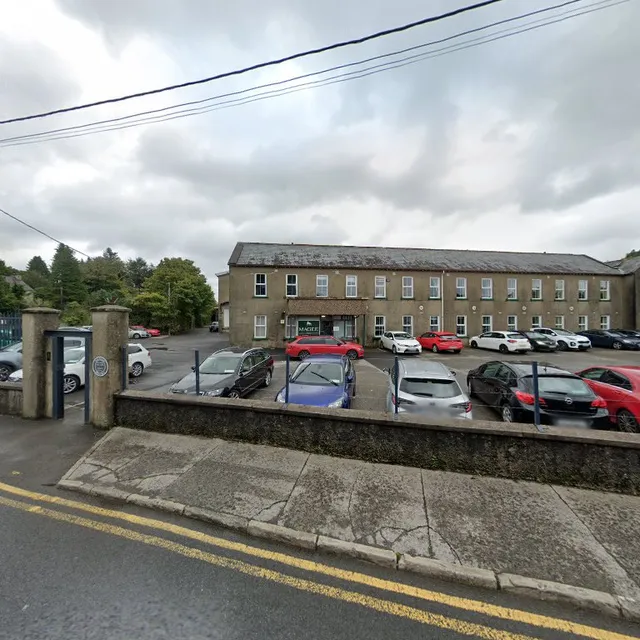
Magee Clothing Ltd
4.2
(13)
Click for details