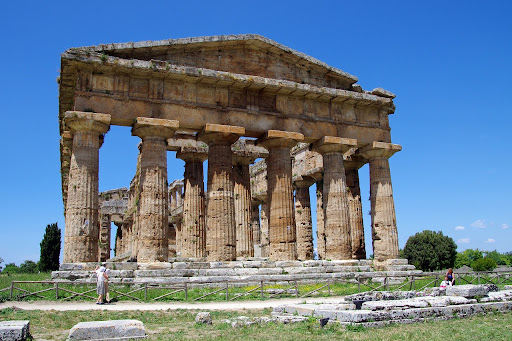
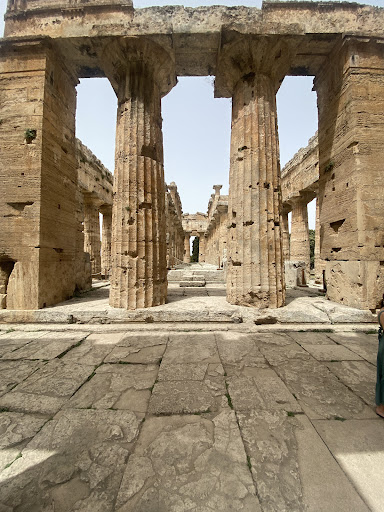
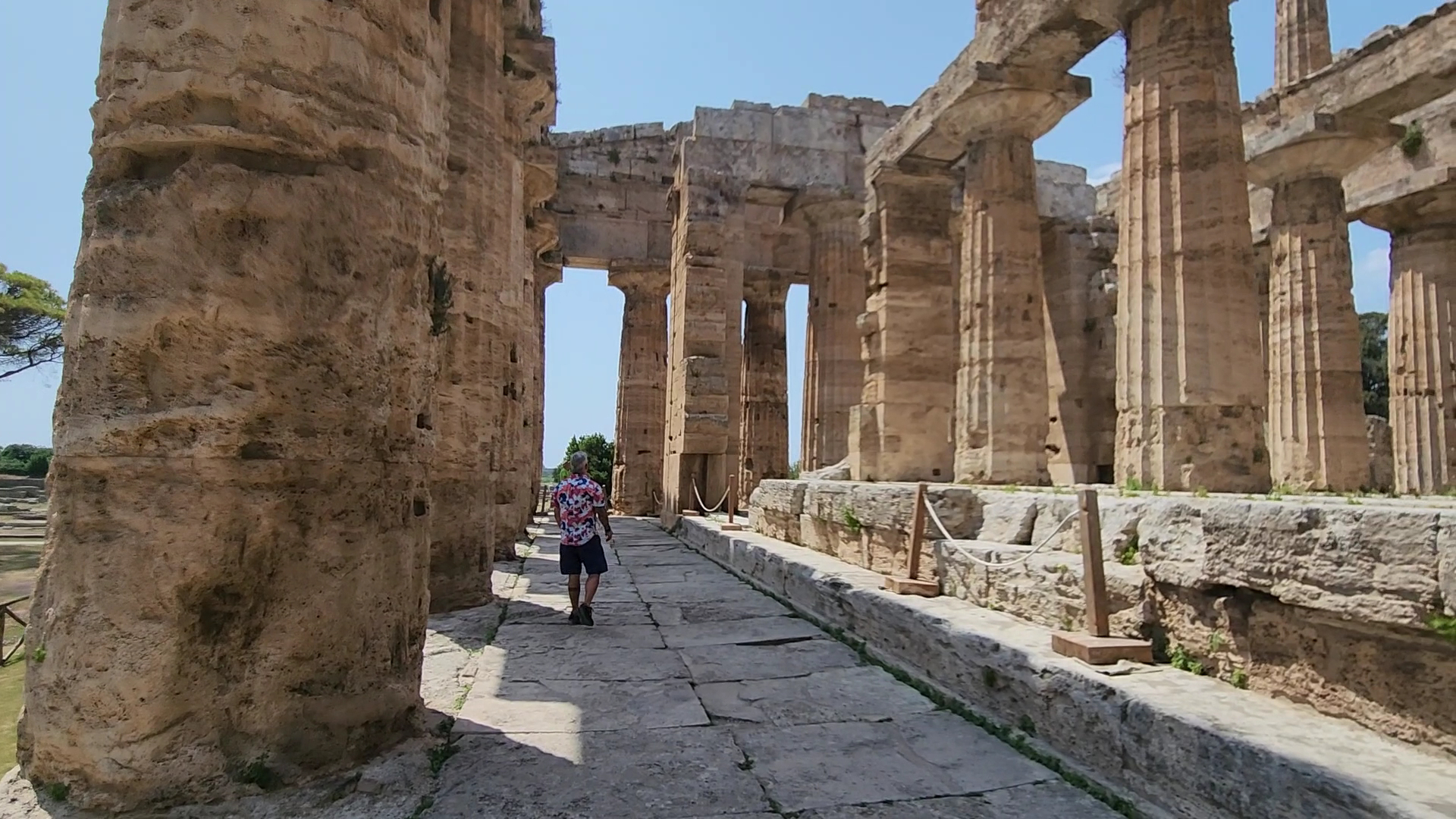
Temple of Hera II things to do, attractions, restaurants, events info and trip planning
Basic Info
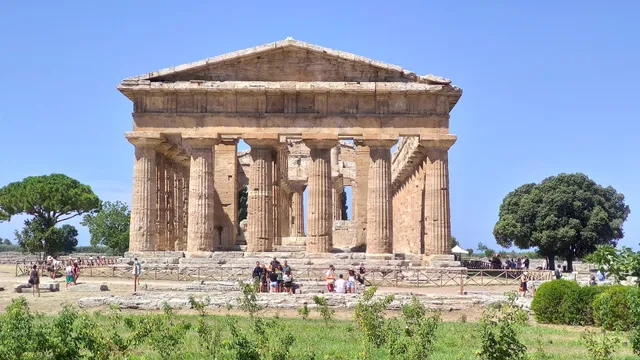
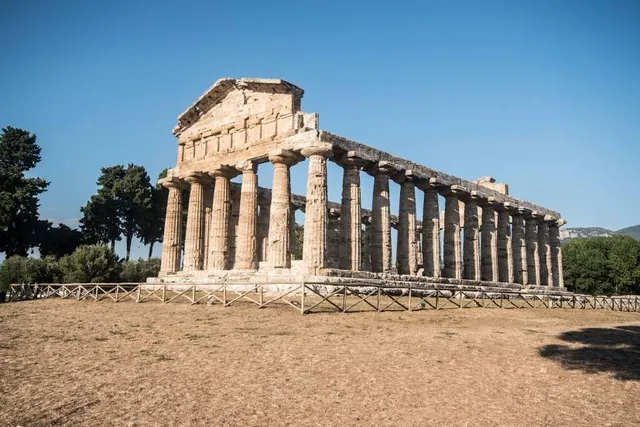
Temple of Hera II
Via Magna Graecia, 917, 84047 Capaccio Paestum SA, Italy
4.8(4.7K)
Open until 7:30 PM
Save
spot
spot
Ratings & Description
Info
Cultural
Outdoor
Scenic
Family friendly
attractions: Archaeological Park of Paestum, Basilica of Hera, Temple of Athena, MMMAC Museo dei Materiali Minimi d’Arte Contemporanea, restaurants: Ristorante Nettuno, Ristorante Simposium, Ristorante @ Hotel Delle Rose, La Bottega del Gusto, Pizzeria La Basilica, Paestum Burger & Drink, Il Tempio Del Panino, Domus Clelia, Ristorante Museo, Bar Anna, local businesses: Templo de Poseidón, Paestum Museo Archeologico, Tempio di Hera
 Learn more insights from Wanderboat AI.
Phone
+39 0828 811023
Open hoursSee all hours
Mon8:30 AM - 7:30 PMOpen
Plan your stay

Pet-friendly Hotels in Capaccio Paestum
Find a cozy hotel nearby and make it a full experience.

Affordable Hotels in Capaccio Paestum
Find a cozy hotel nearby and make it a full experience.

The Coolest Hotels You Haven't Heard Of (Yet)
Find a cozy hotel nearby and make it a full experience.

Trending Stays Worth the Hype in Capaccio Paestum
Find a cozy hotel nearby and make it a full experience.
Reviews
Live events
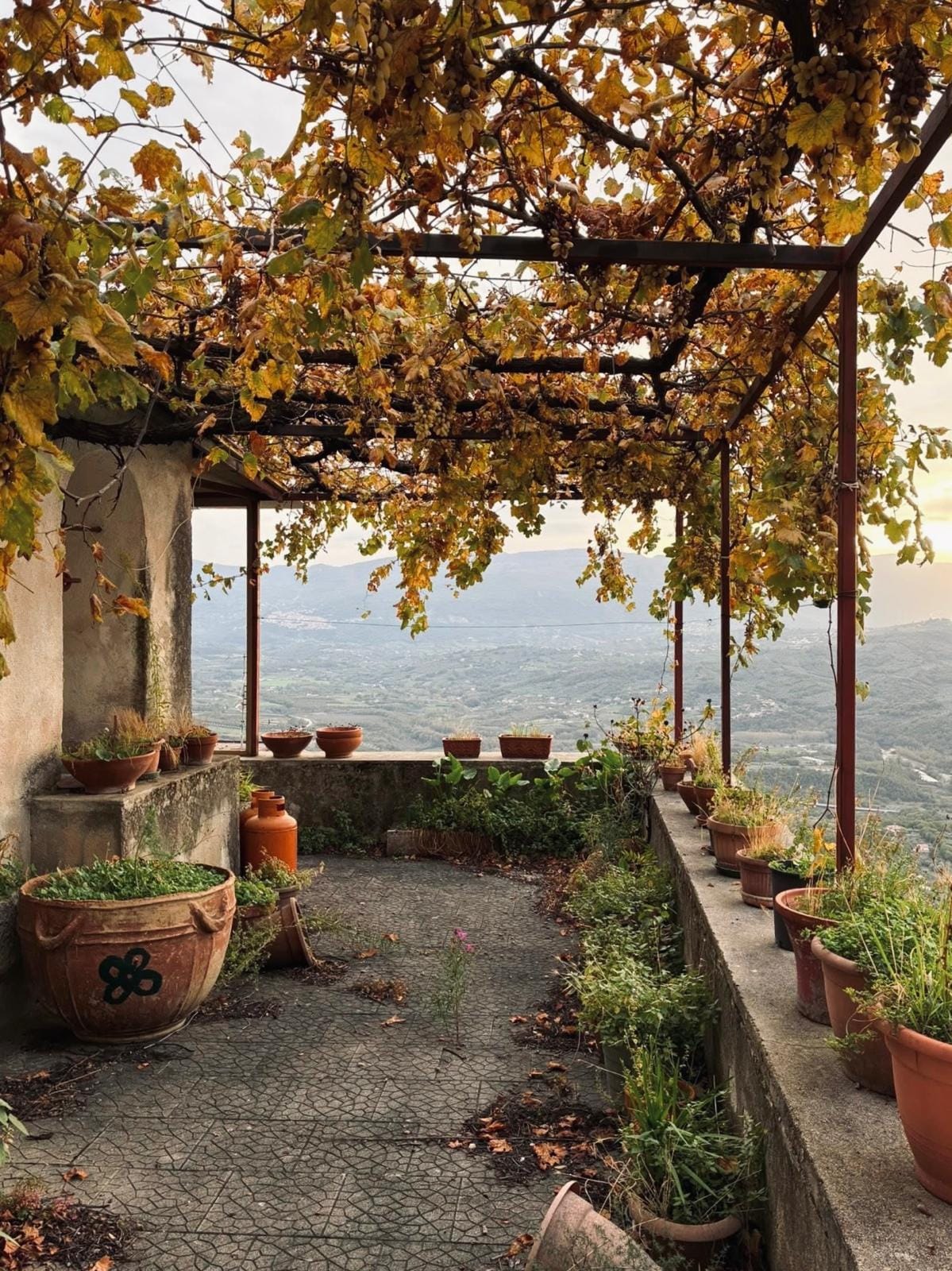
Discovering Castelcivita: history and flavors
Mon, Feb 23 • 11:00 AM
84020, Castelcivita, Campania, Italy
View details
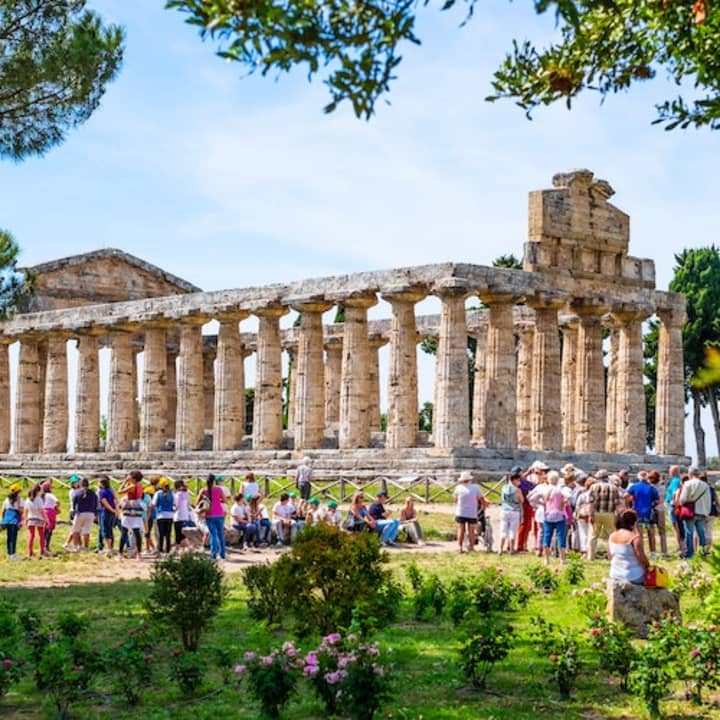
Parco Archeologico di Paestum: Salta la fila e visita guidata
Fri, Feb 27 • 11:00 AM
Via Magna Graecia, 919, Capaccio, 84047
View details
Nearby attractions of Temple of Hera II
Archaeological Park of Paestum
Basilica of Hera
Temple of Athena
MMMAC Museo dei Materiali Minimi d’Arte Contemporanea
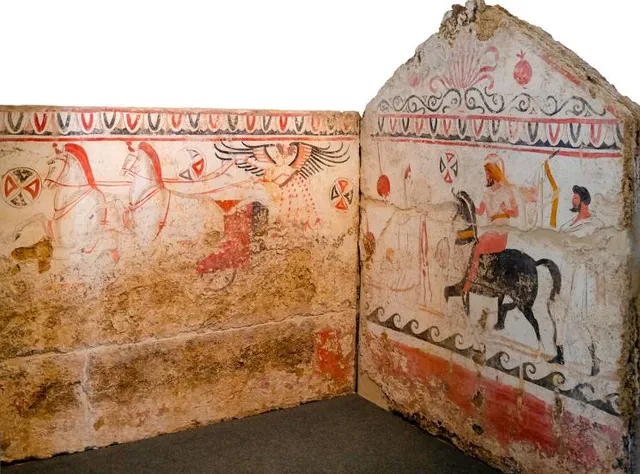
Archaeological Park of Paestum
4.7
(9.7K)
Open until 7:30 PM
Click for details
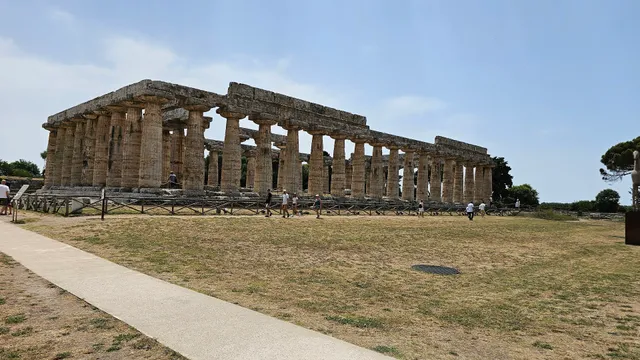
Basilica of Hera
4.7
(24)
Open 24 hours
Click for details
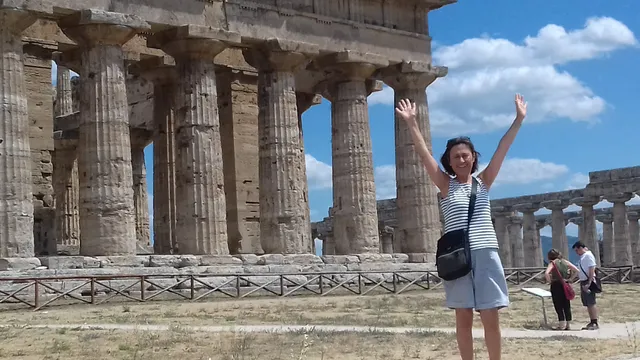
Temple of Athena
4.8
(2.5K)
Open until 12:00 AM
Click for details
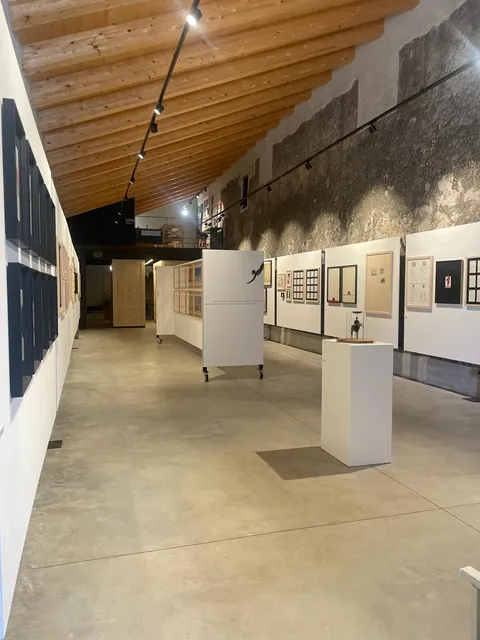
MMMAC Museo dei Materiali Minimi d’Arte Contemporanea
4.8
(12)
Open 24 hours
Click for details
Nearby restaurants of Temple of Hera II
Ristorante Nettuno
Ristorante Simposium
Ristorante @ Hotel Delle Rose
La Bottega del Gusto
Pizzeria La Basilica
Paestum Burger & Drink
Il Tempio Del Panino
Domus Clelia
Ristorante Museo
Bar Anna
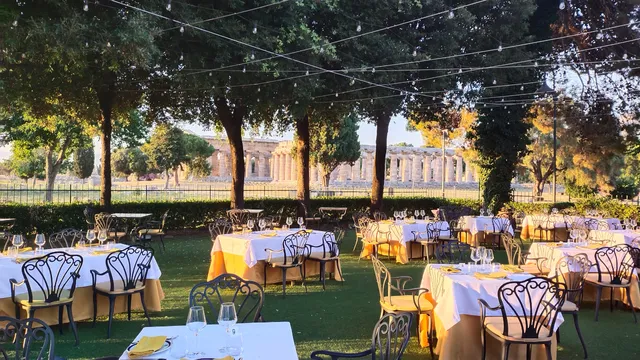
Ristorante Nettuno
4.2
(365)
$$
Click for details
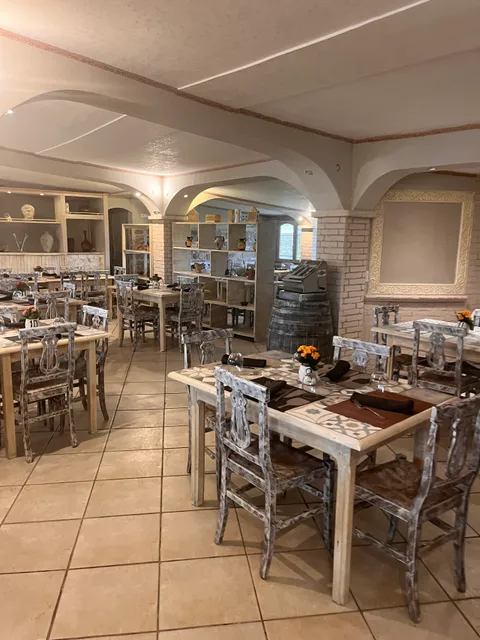
Ristorante Simposium
3.6
(438)
Open until 12:00 AM
Click for details
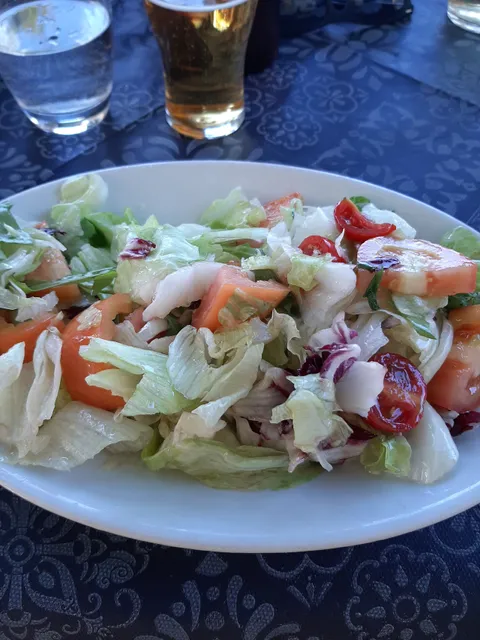
Ristorante @ Hotel Delle Rose
3.6
(16)
Open until 5:00 PM
Click for details
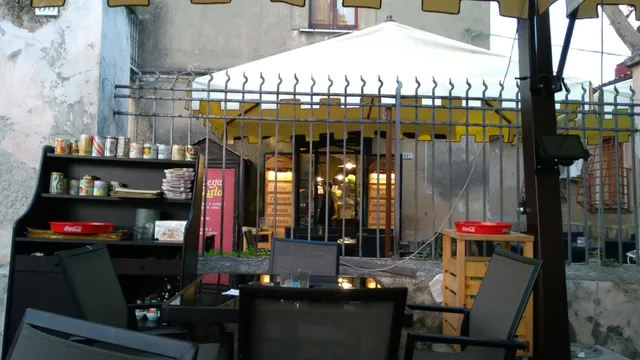
La Bottega del Gusto
4.5
(478)
Open until 4:00 PM
Click for details
Nearby local services of Temple of Hera II
Templo de Poseidón
Paestum Museo Archeologico
Tempio di Hera
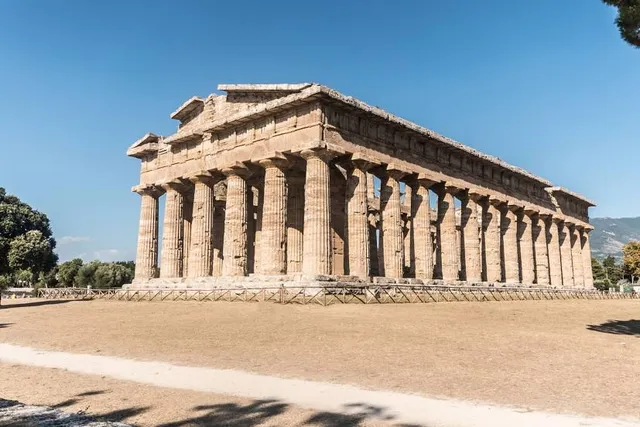
Templo de Poseidón
4.8
(3.9K)
Click for details
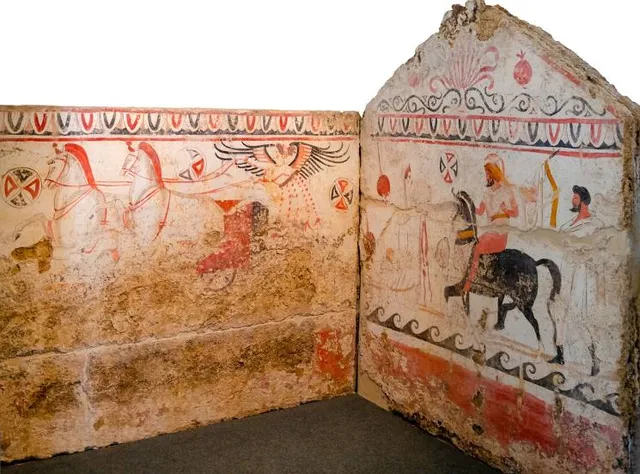
Paestum Museo Archeologico
4.6
(264)
Click for details
Tempio di Hera
4.9
(12)
Click for details