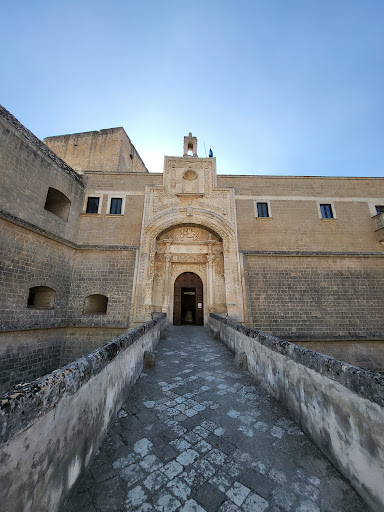
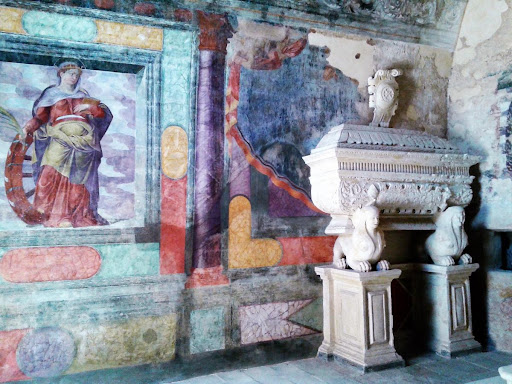
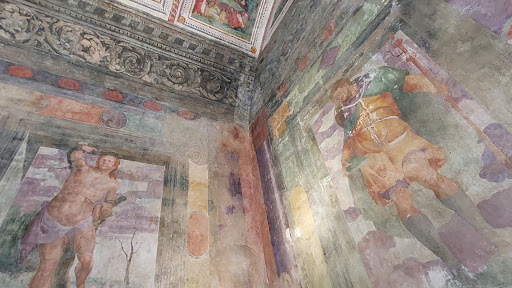
Copertino Castle things to do, attractions, restaurants, events info and trip planning
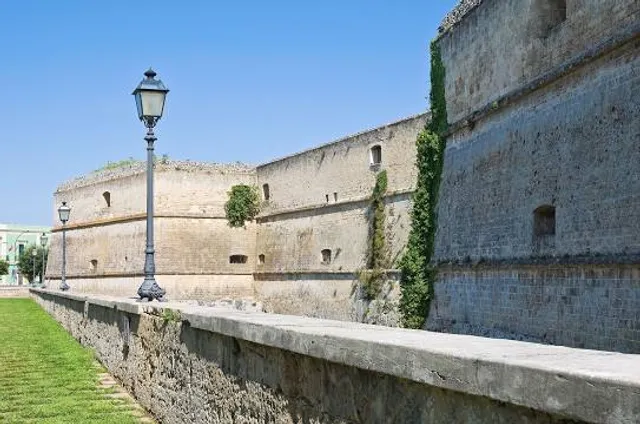
Basic Info
Copertino Castle
Piazza Castello, 73043 Copertino LE, Italy
4.5(671)
Closed

tickets
Save
spot
spot
Ratings & Description
Info
Cultural
Scenic
Family friendly
Accessibility
attractions: , restaurants: Arco Divino,Piazza Castello, Edo Restaurant, La Lanterna del Greco, Il mago della focaccia, Il giardino delle Clarisse, San Sebastian Vineria, Trattoria pizzeria Al canneto di Alemanno Gabriele, Le Fogge - Birra Vino Braci, Pizzaapp, La Ruota - Copertino (LE), local businesses:
 Learn more insights from Wanderboat AI.
Phone
+39 0832 931612
Website
musei.puglia.beniculturali.it
Open hoursSee all hours
Sat8:30 a.m. - 1:30 p.m.Closed
Plan your stay

Pet-friendly Hotels in Copertino
Find a cozy hotel nearby and make it a full experience.

Affordable Hotels in Copertino
Find a cozy hotel nearby and make it a full experience.

The Coolest Hotels You Haven't Heard Of (Yet)
Find a cozy hotel nearby and make it a full experience.

Trending Stays Worth the Hype in Copertino
Find a cozy hotel nearby and make it a full experience.
Reviews
Live events

...e adesso guarda giù! I dettagli nascosti del capolavoro dello Zimbalo
Tue, Feb 24 • 11:00 AM
5 Via Giuseppe Libertini 73100 Lecce
View details

Open Day riservato alle strutture ricettive pugliesi
Wed, Feb 25 • 6:00 PM
Via XXV Luglio 73100 Lecce
View details

BonJour! Seminario sull’alfabetizzazione mediatica
Wed, Feb 25 • 6:00 PM
Piazzetta di Giosuè Carducci 73100 Lecce
View details
Nearby restaurants of Copertino Castle
Arco Divino,Piazza Castello
Edo Restaurant
La Lanterna del Greco
Il mago della focaccia
Il giardino delle Clarisse
San Sebastian Vineria
Trattoria pizzeria Al canneto di Alemanno Gabriele
Le Fogge - Birra Vino Braci
Pizzaapp
La Ruota - Copertino (LE)
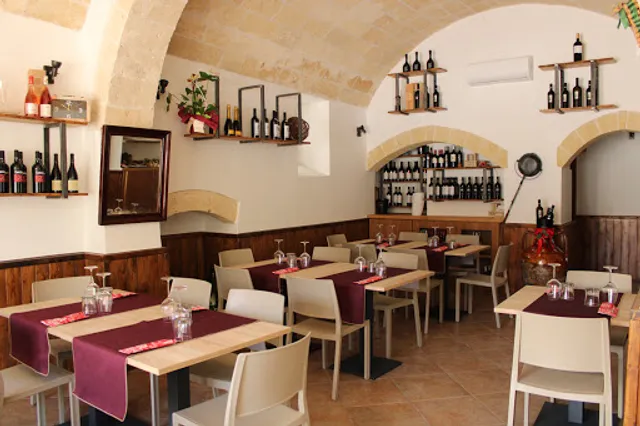
Arco Divino,Piazza Castello
4.6
(97)
Closed
Click for details

Edo Restaurant
4.8
(50)
Closed
Click for details
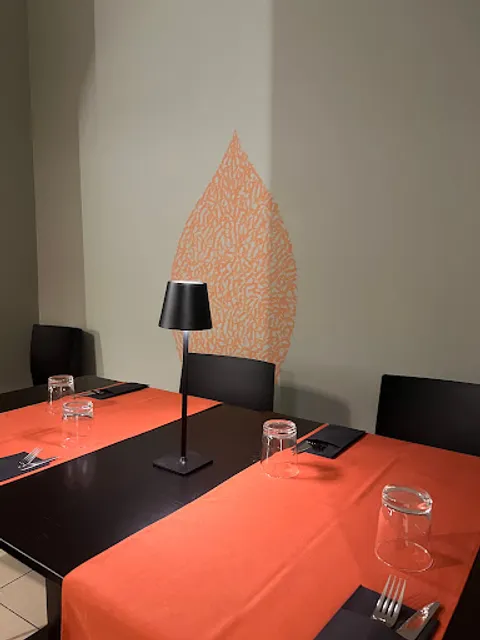
La Lanterna del Greco
4.2
(226)
Closed
Click for details
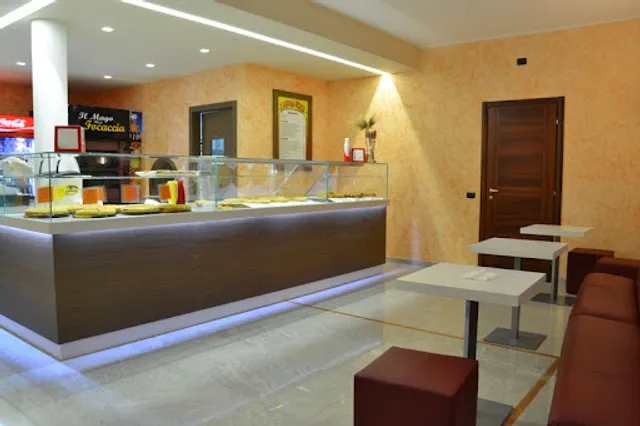
Il mago della focaccia
4.5
(209)
Closed
Click for details