HTML SitemapExplore
logo
Find Things to DoFind The Best Restaurants

Cisternone Romano — Attraction in Formia

Name
Cisternone Romano
Description
Nearby attractions
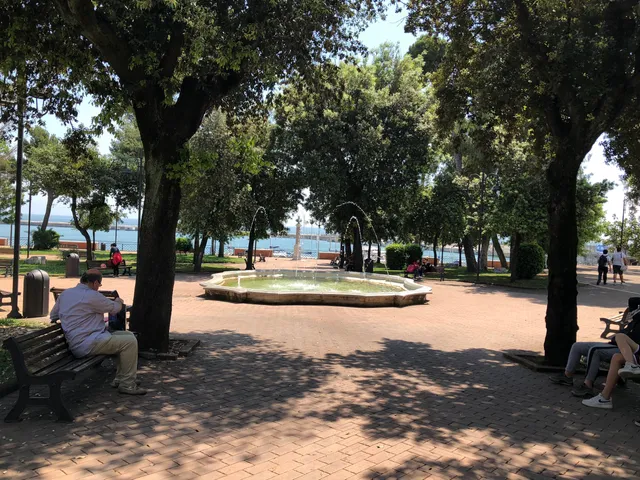
Villa Comunale-Umberto I di Savoia
Via Vitruvio, 19, 04023 Formia LT, Italy
Area Archeologica di Caposele
Via Porto Caposele, 33, 04023 Formia LT, Italy
Nearby restaurants
Taverna Il Tiesto
Largo S. Anna, 04023 Formia LT, Italy
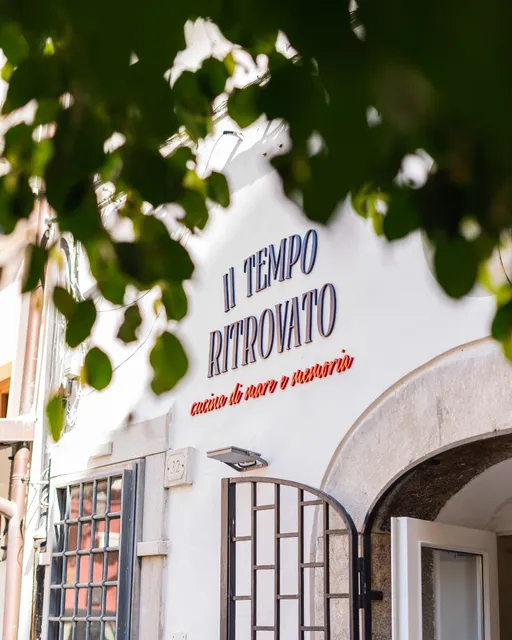
Il Tempo Ritrovato
Largo S. Anna, 04023 Formia LT, Italy
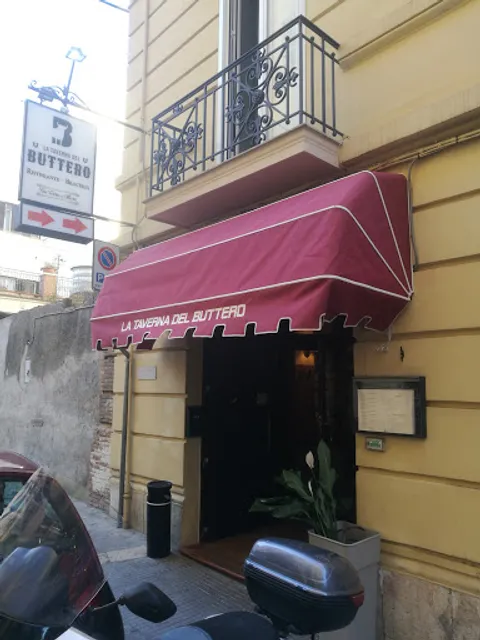
La Taverna del Buttero
Via della Torre, 65, 04023 Formia LT, Italy
Fuori di Pinsa
Piazza S. Erasmo, 15-16, 04023 Formia LT, Italy
La Tavola dei Cavalieri
Via dell'Olmo, 13, 04023 Formia LT, Italy
I figli di Quintino
Via Angelo Rubino, 110, 04023 Formia LT, Italy
La Ciociara Di Gentile Francesco
Via Rialto Ferrovia, 25, 04023 Formia LT, Italy
Pizzeria L'Angolo
Via Rialto Ferrovia, 2, 04023 Formia LT, Italy
L'Ancora
Viale Unità D'Italia, 70, 04023 Formia LT, Italy
Chinappi Formia
Via XX Settembre, 04023 Formia LT, Italy
Related posts
Keywords
Cisternone Romano tourism.Cisternone Romano hotels.Cisternone Romano bed and breakfast. flights to Cisternone Romano.Cisternone Romano attractions.Cisternone Romano restaurants.Cisternone Romano travel.Cisternone Romano travel guide.Cisternone Romano travel blog.Cisternone Romano pictures.Cisternone Romano photos.Cisternone Romano travel tips.Cisternone Romano maps.Cisternone Romano things to do.
Cisternone Romano things to do, attractions, restaurants, events info and trip planning
Cisternone Romano
ItalyLazioFormiaCisternone Romano

Basic Info

Cisternone Romano

Largo S. Anna, 04023 Formia LT, Italy
4.5(351)
Open until 12:30 PM
Save
spot

Ratings & Description

Info

Cultural
Scenic
Family friendly
attractions: Villa Comunale-Umberto I di Savoia, Area Archeologica di Caposele, restaurants: Taverna Il Tiesto, Il Tempo Ritrovato, La Taverna del Buttero, Fuori di Pinsa, La Tavola dei Cavalieri, I figli di Quintino, La Ciociara Di Gentile Francesco, Pizzeria L'Angolo, L'Ancora, Chinappi Formia
logoLearn more insights from Wanderboat AI.
Phone
+39 366 878 0302
Website
archeoformia.it
Open hoursSee all hours
Fri10:18 AM - 12:30 PM, 5 - 8:30 PMOpen

Plan your stay

hotel
Pet-friendly Hotels in Formia
Find a cozy hotel nearby and make it a full experience.

hotel
Affordable Hotels in Formia
Find a cozy hotel nearby and make it a full experience.

hotel
The Coolest Hotels You Haven't Heard Of (Yet)
Find a cozy hotel nearby and make it a full experience.

hotel
Trending Stays Worth the Hype in Formia
Find a cozy hotel nearby and make it a full experience.

Reviews

Nearby attractions of Cisternone Romano

Villa Comunale-Umberto I di Savoia

Area Archeologica di Caposele

Villa Comunale-Umberto I di Savoia

Villa Comunale-Umberto I di Savoia

4.1

(324)

Open 24 hours
Click for details
Area Archeologica di Caposele

Area Archeologica di Caposele

4.2

(55)

Open 24 hours
Click for details

Things to do nearby

Visit the vineyards of Ancient Rome
Fri, Dec 5 • 9:30 AM
04029, Sperlonga, Lazio, Italy
View details

Nearby restaurants of Cisternone Romano

Taverna Il Tiesto

Il Tempo Ritrovato

La Taverna del Buttero

Fuori di Pinsa

La Tavola dei Cavalieri

I figli di Quintino

La Ciociara Di Gentile Francesco

Pizzeria L'Angolo

L'Ancora

Chinappi Formia

Taverna Il Tiesto

Taverna Il Tiesto

4.5

(519)

Click for details
Il Tempo Ritrovato

Il Tempo Ritrovato

4.8

(151)

Click for details
La Taverna del Buttero

La Taverna del Buttero

4.3

(216)

$$

Click for details
Fuori di Pinsa

Fuori di Pinsa

4.5

(261)

Click for details
Get the Appoverlay
Get the AppOne tap to find yournext favorite spots!
Wanderboat LogoWanderboat

Your everyday Al companion for getaway ideas

CompanyAbout Us
InformationAI Trip PlannerSitemap
SocialXInstagramTiktokLinkedin
LegalTerms of ServicePrivacy Policy

Get the app

© 2025 Wanderboat. All rights reserved.
logo

Reviews of Cisternone Romano

4.5
(351)
avatar
5.0
1y

n ‘antica Cisterna urbana romana che fu con molta probabilità , per più di un secolo, la più grande al mondo

Se non fosse stato per Pasquale Mattei, che fu il primo a parlarne nel 1860, avendo raccolto testimonianze di alcuni cittadini di Castellone che scesero nel Cisternone , molto probabilmente ora non starei a scrivere questo post. Dopo Pasquale Mattei, fu il Podestà di Formia Felice Tonetti, negli anni ’30 dello scorso secolo, a scendere a più di dieci metri sotto le fondamenta di numerosi fabbricati di Castellone, per visionare la Cisterna monumentale ora chiamata Cisternone.

Pochi sanno che negli anni in cui si verificarono questi due eventi, quello che è ora il solaio del Cisternone, era totalmente sovrastato dagli stessi fabbricati di oggi più altri undici (alcuni di grandi dimensioni) distrutti da bombardamenti degli alleati nel maggio del 1944. Così e’ nata quella che noi chiamiamo Piazza Castello. Questo per dire che le difficoltà di penetrazione ed esplorazione della cisterna ai tempi del Mattei e del Tonetti,in un labirinto di fabbricati, erano senza dubbio superiori a quelle vissute durante i lavori di svuotamento e pulitura avvenute una quindicina di anni fa.

Abbiamo potuto conoscere così la forma insolita del manufatto ipogeo che a noi di Formia piace pensare possa essere stato progettato addirittura da Marco Vitruvio Pollione che era considerato il massimo esperto di strutture idrauliche . Le sue misure: Mq 1.200 – altezza mt 7,5. – capacità MC 7.000 – lato più lungo mt 64,90. – larghezza max mt 25. – 53 pilastri centrali per tre navate più altri 36 pilastri addossati alle pareti perimetrali. Il suo funzionamento sembra essere durato almeno fino alla metà del 1800 e serviva, forse, anche ad alimentare la più piccola cisterna borbonica d Piazza S. Teresa di mq 250 circa. Il fatto che questa struttura sia stata progettata ipogea, cioè sotterranea, scaturisce da una motivazione tecnica.Le cisterne sotterranee sono ovviamente più idonee a sopportare le spinte laterali di una grande massa d’acqua che nel nostro caso è pari a 7.000 metri cubi .

Viene spesso fatto un raffronto tra questa struttura con altre due similari e si dice che la nostra Cisterna sia la più antica e la terza al mondo dopo quella di Yerbatan a Istanbul e la Piscina Mirabile di Bacoli al Miseno. Il raffronto dimensionale e architettonico con la Cisterna monumentale di Yerbatan costruita nel 5′ sec. dc (600 anni di distanza temporale dopo la struttura di Formia) non ha alcun senso.

È un raffronto tra una struttura realizzata in una piccola cittadina e quella costruita nella Capitale Orientale di un impero che copriva la maggior parte del mondo occidentale di allora.

Interessante è invece il confronto con la Piscina Mirabile di Bacoli , perché ha un legame storico che accomuna il Sinus Formianus al Golfo del Miseno.

La Piscina Mirabile fu costruita nel 1′ sec. dc, quando la Flotta romana del Tirreno, su decisione di Augusto nei primi anni del suo impero, fu spostata dal Sinus Formianus alla zona del Miseno, pensando di avere approdi sicuri nei laghi di Averno e Lucrino. Questo trasferimento fu graduale, durò quasi un secolo e terminò tragicamente per 200 navi distrutte quasi tutte da una tempesta di mare proprio mentre si trasferivano da Formia al Miseno nel 62 dc durante il periodo di Nerone, come narrato da Tacito e Strabone (ved. mio post del...

   Read more
avatar
5.0
2y

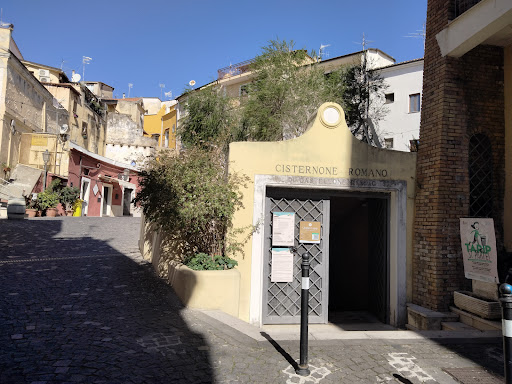
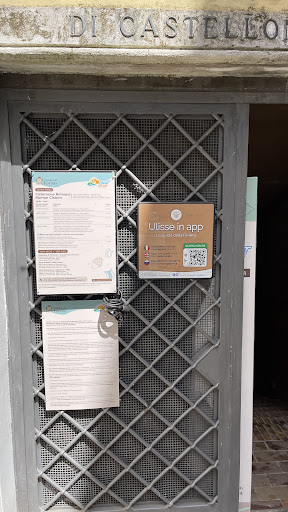
This site was difficult to find using Google Maps. I had to find a picture of the entrance and ask two or three folks before we found it. The cost of the visit was free. The site is very simple. It is a cistern, as the name clearly states. You go down dark steps and start to hear water dripping. The whole site is dark, very dark. I suggest letting your eyes adjust and/or using a flashlight. My partner didn't find it interesting. I did. It is another example of Roman engineering which still stands today. The guard at the entrance was very nice and helpful. By the way, the castle-like structure uphill a little ways is not open and seems to have nothing to do with...

   Read more
avatar
5.0
2y

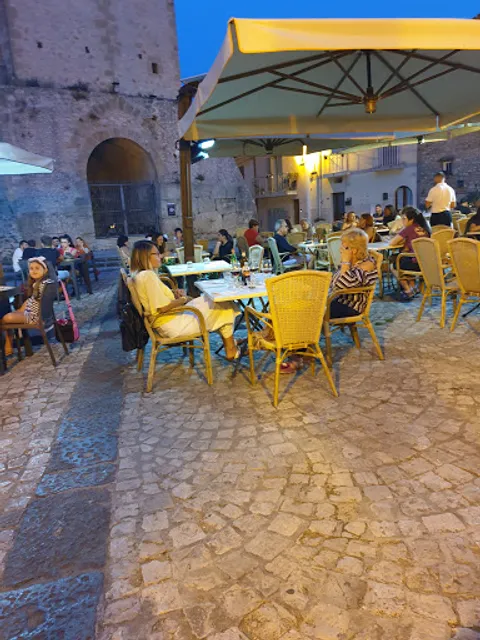
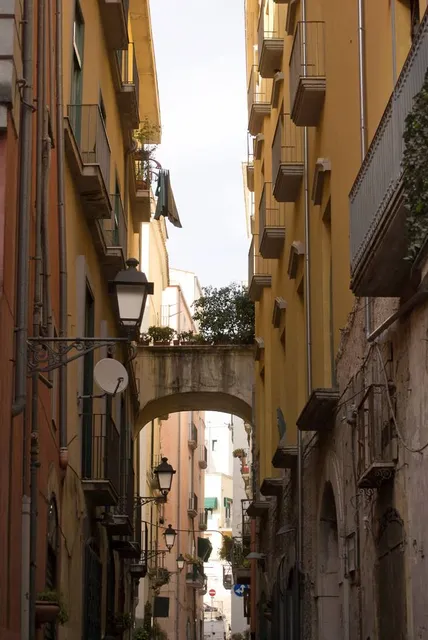
This area of Formio is not the greatest tourist attraction in Italy. However, walking through these old back streets mingled with some Roman history as well as a lovely touch of quaint local food places was just reminiscent of feelings I had many years ago when I first came to Italy and walked through the back streets of the small towns where my parents grew up. Go there if you have some time and maybe him at night when some of the little restaurants are open. Very...

   Read more
Page 1 of 7
Previous
Next

Posts

D. OlsonD. Olson
This site was difficult to find using Google Maps. I had to find a picture of the entrance and ask two or three folks before we found it. The cost of the visit was free. The site is very simple. It is a cistern, as the name clearly states. You go down dark steps and start to hear water dripping. The whole site is dark, very dark. I suggest letting your eyes adjust and/or using a flashlight. My partner didn't find it interesting. I did. It is another example of Roman engineering which still stands today. The guard at the entrance was very nice and helpful. By the way, the castle-like structure uphill a little ways is not open and seems to have nothing to do with this cistern.
Olle ValentinOlle Valentin
Att besöka Cisternone Romano och den Romerska Teatern i Castellone var som att stiga in i en annan tid. Det är svårt att föreställa sig att en sådan historisk skatt gömmer sig så nära det moderna livet. Från det ögonblick vi gick ner i det svala, valvformade inre av cisternen kände vi en andlös vördnad – som att rummet fortfarande bar på viskningar från antikens ingenjörer. Cisternens storlek, symmetrin, de massiva pelarna, det skimrande vattnet och den unika atmosfären var ren magi. Att stå där nere, mitt bland valven, kändes nästan heligt – ett bevis på romarnas briljans och tidens tystnad. Bara några steg bort låg den gamla romerska teatern, delvis insprängd i kullen. Att få stå på dess gamla stenläggning och titta upp mot läktarens plats, där publiken en gång satt för över 2000 år sedan, gav oss gåshud. Det är lätt att föreställa sig skådespelare i tunikor och jubel som ekar mellan stenarna. Det här är inte en turistfälla – det är ett äkta möte med historien. Och kanske det vackraste: det är fortfarande lite av en hemlighet. Inga köer, inga kommersiella inslag – bara du, stenen och historiens andetag. Tack, Formia, för en oförglömlig upplevelse. Vi kommer aldrig att glömma det.
Storyblox itStoryblox it
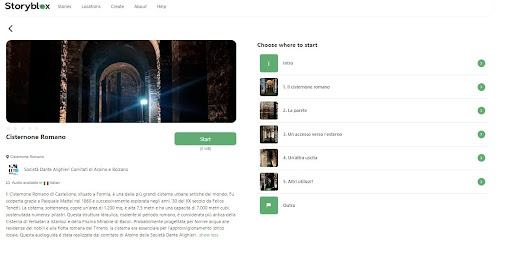
Abbiamo realizzato un'audioguida gratuita che potete trovare su storyblox. Il Cisternone Romano di Castellone a Formia è una cisterna urbana che fu probabilmente la più grande del mondo per oltre un secolo. Scoperta e descritta per la prima volta da Pasquale Mattei nel 1860, fu esplorata anche dal Podestà di Formia, Felice Tonetti, negli anni '30 del Novecento. La cisterna, sotterranea e resistente alla pressione laterale dell'acqua, misura1.200 mq con un'altezza di 7,5 metri e una capacità di 7.000 metri cubi, sostenuta da 53 pilastri centrali e 36 addossati alle pareti. Il Cisternone è spesso paragonato alla Cisterna di Yerbatan a Istanbul e alla Piscina Mirabile di Bacoli, ma è la più antica delle tre, risalente al periodo romano. Serviva sia per l'approvvigionamento idrico delle abitazioni nobili di Formia che per la flotta romana del Tirreno, stazionata nel Sinus Formianus fino al 62 d.C., prima di essere trasferita al Golfo di Miseno. Questa audioguida è stata realizzata dal comitato di Arpino della Società Dante Alighieri.
See more posts
See more posts
hotel
Find your stay

Pet-friendly Hotels in Formia

Find a cozy hotel nearby and make it a full experience.

This site was difficult to find using Google Maps. I had to find a picture of the entrance and ask two or three folks before we found it. The cost of the visit was free. The site is very simple. It is a cistern, as the name clearly states. You go down dark steps and start to hear water dripping. The whole site is dark, very dark. I suggest letting your eyes adjust and/or using a flashlight. My partner didn't find it interesting. I did. It is another example of Roman engineering which still stands today. The guard at the entrance was very nice and helpful. By the way, the castle-like structure uphill a little ways is not open and seems to have nothing to do with this cistern.
D. Olson

D. Olson

hotel
Find your stay

Affordable Hotels in Formia

Find a cozy hotel nearby and make it a full experience.

Get the Appoverlay
Get the AppOne tap to find yournext favorite spots!
Att besöka Cisternone Romano och den Romerska Teatern i Castellone var som att stiga in i en annan tid. Det är svårt att föreställa sig att en sådan historisk skatt gömmer sig så nära det moderna livet. Från det ögonblick vi gick ner i det svala, valvformade inre av cisternen kände vi en andlös vördnad – som att rummet fortfarande bar på viskningar från antikens ingenjörer. Cisternens storlek, symmetrin, de massiva pelarna, det skimrande vattnet och den unika atmosfären var ren magi. Att stå där nere, mitt bland valven, kändes nästan heligt – ett bevis på romarnas briljans och tidens tystnad. Bara några steg bort låg den gamla romerska teatern, delvis insprängd i kullen. Att få stå på dess gamla stenläggning och titta upp mot läktarens plats, där publiken en gång satt för över 2000 år sedan, gav oss gåshud. Det är lätt att föreställa sig skådespelare i tunikor och jubel som ekar mellan stenarna. Det här är inte en turistfälla – det är ett äkta möte med historien. Och kanske det vackraste: det är fortfarande lite av en hemlighet. Inga köer, inga kommersiella inslag – bara du, stenen och historiens andetag. Tack, Formia, för en oförglömlig upplevelse. Vi kommer aldrig att glömma det.
Olle Valentin

Olle Valentin

hotel
Find your stay

The Coolest Hotels You Haven't Heard Of (Yet)

Find a cozy hotel nearby and make it a full experience.

hotel
Find your stay

Trending Stays Worth the Hype in Formia

Find a cozy hotel nearby and make it a full experience.

Abbiamo realizzato un'audioguida gratuita che potete trovare su storyblox. Il Cisternone Romano di Castellone a Formia è una cisterna urbana che fu probabilmente la più grande del mondo per oltre un secolo. Scoperta e descritta per la prima volta da Pasquale Mattei nel 1860, fu esplorata anche dal Podestà di Formia, Felice Tonetti, negli anni '30 del Novecento. La cisterna, sotterranea e resistente alla pressione laterale dell'acqua, misura1.200 mq con un'altezza di 7,5 metri e una capacità di 7.000 metri cubi, sostenuta da 53 pilastri centrali e 36 addossati alle pareti. Il Cisternone è spesso paragonato alla Cisterna di Yerbatan a Istanbul e alla Piscina Mirabile di Bacoli, ma è la più antica delle tre, risalente al periodo romano. Serviva sia per l'approvvigionamento idrico delle abitazioni nobili di Formia che per la flotta romana del Tirreno, stazionata nel Sinus Formianus fino al 62 d.C., prima di essere trasferita al Golfo di Miseno. Questa audioguida è stata realizzata dal comitato di Arpino della Società Dante Alighieri.
Storyblox it

Storyblox it

See more posts
See more posts