HTML SitemapExplore
logo
Find Things to DoFind The Best Restaurants

San Vittore alle Chiuse — Attraction in Genga

Name
San Vittore alle Chiuse
Description
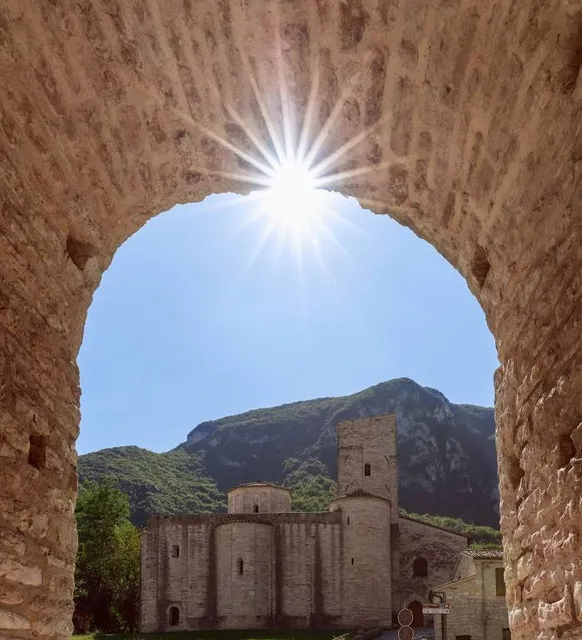
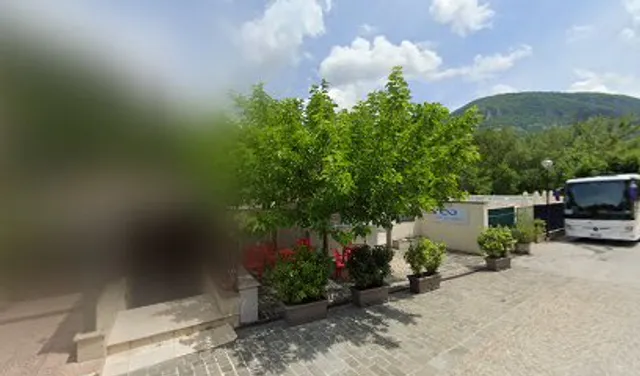
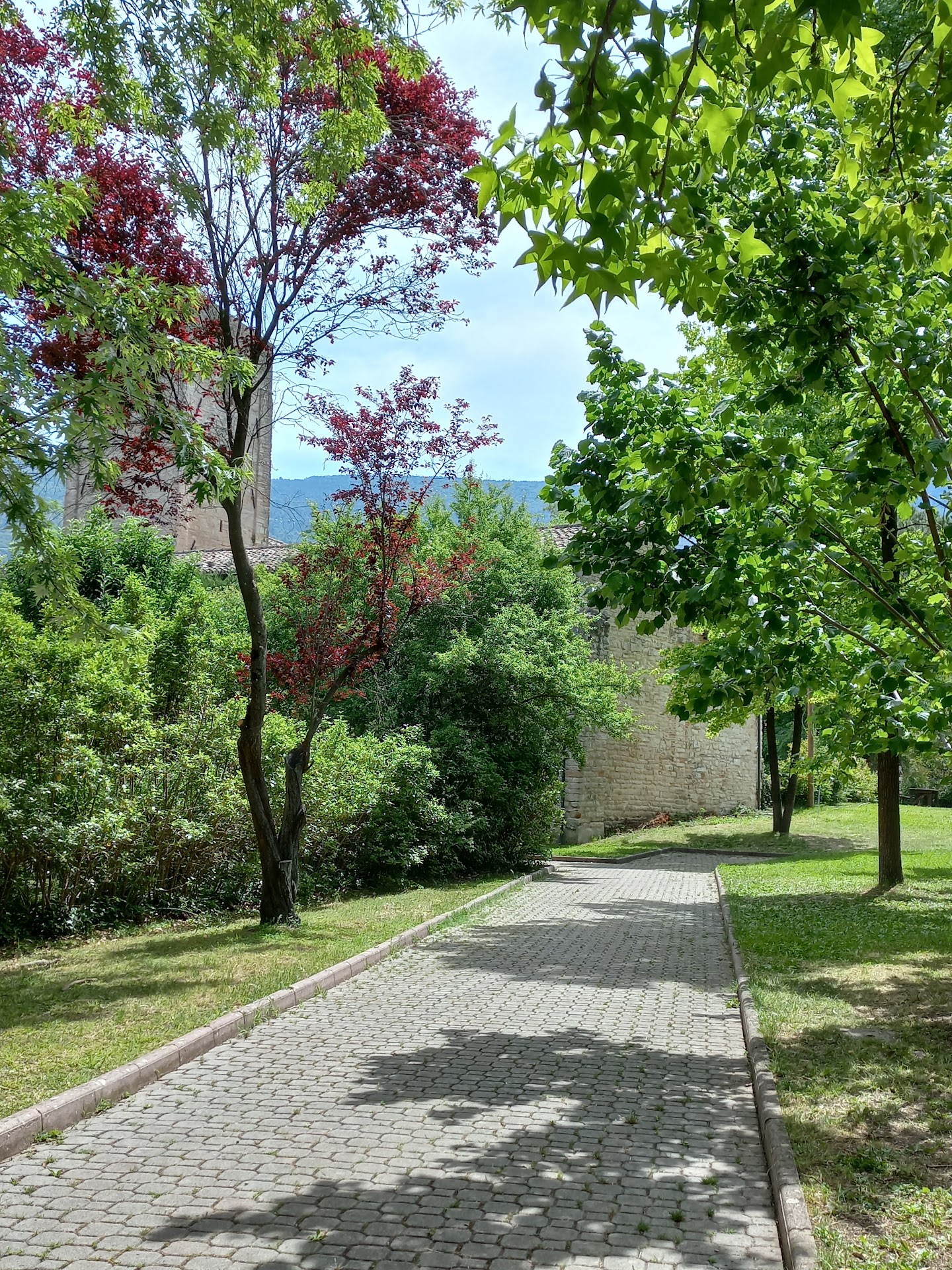
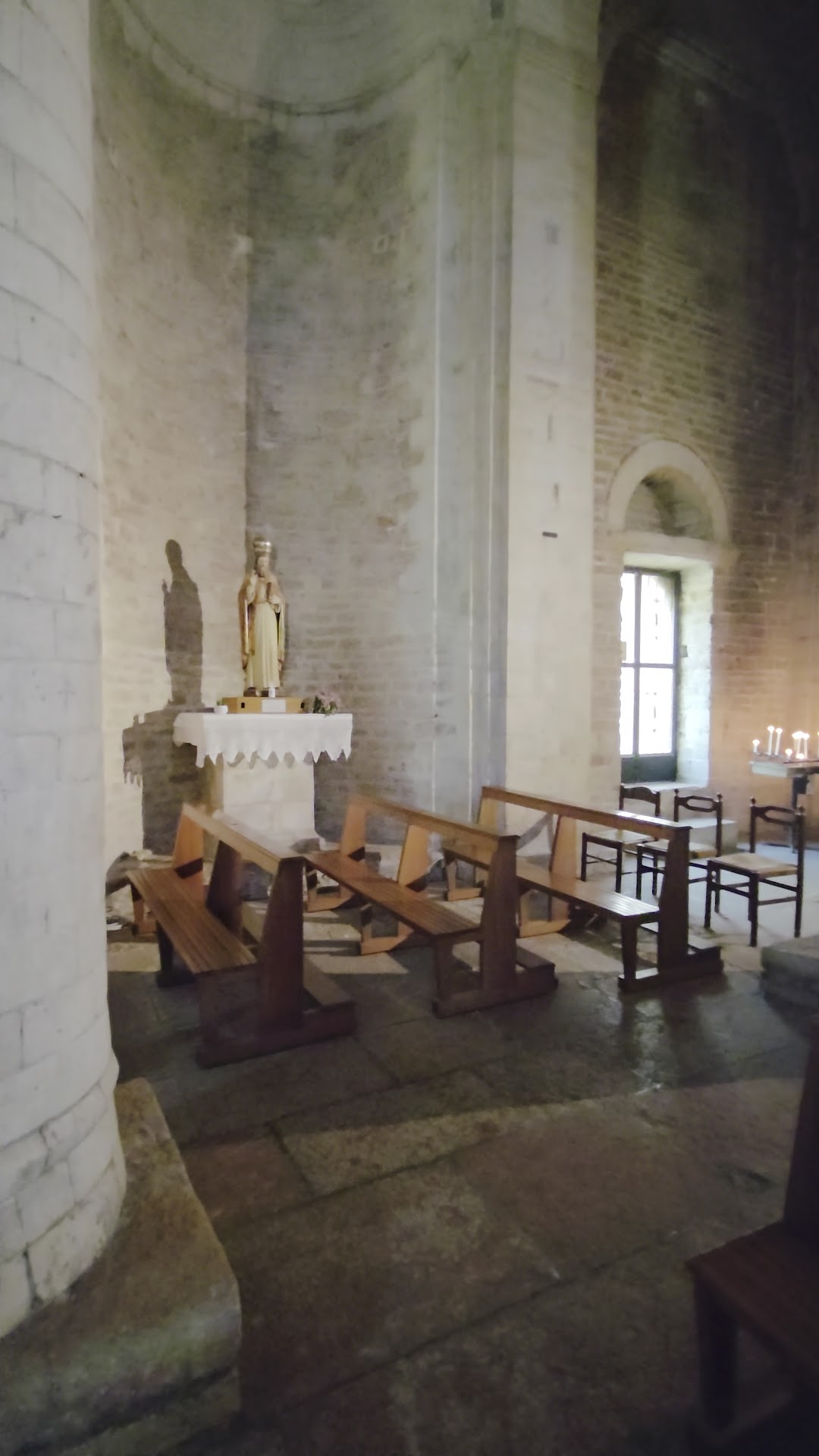
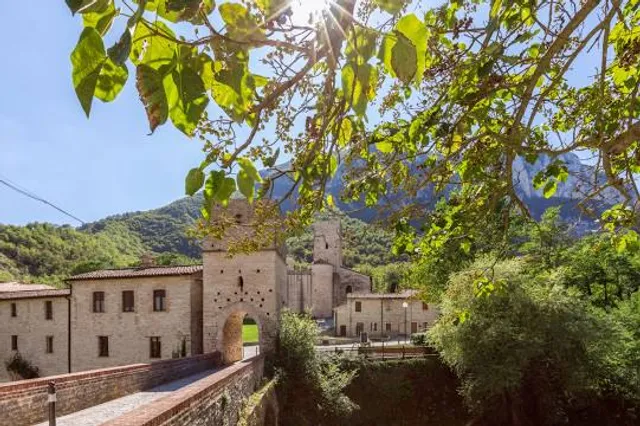
San Vittore alle Chiuse is a Roman Catholic abbey and church in the comune of Genga, Marche, Italy. The edifice is known from the year 1011, and constitutes a notable example of Byzantine-influenced architecture in Italy.
Nearby attractions
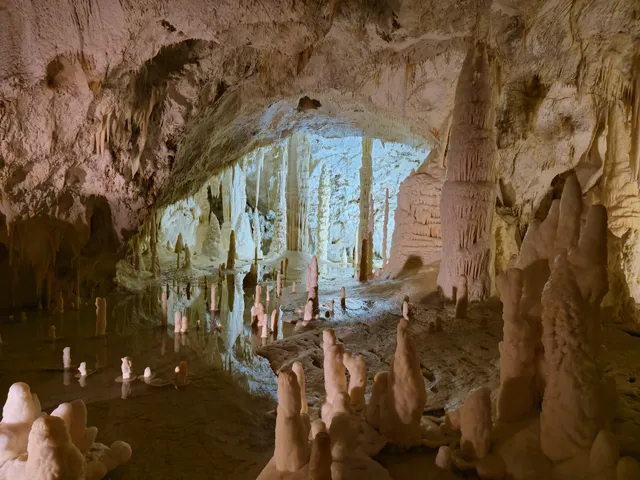
Museo Speleopaleontologico ed Archeologico
Via S. Vittore, 60040 San Vittore AN, Italy
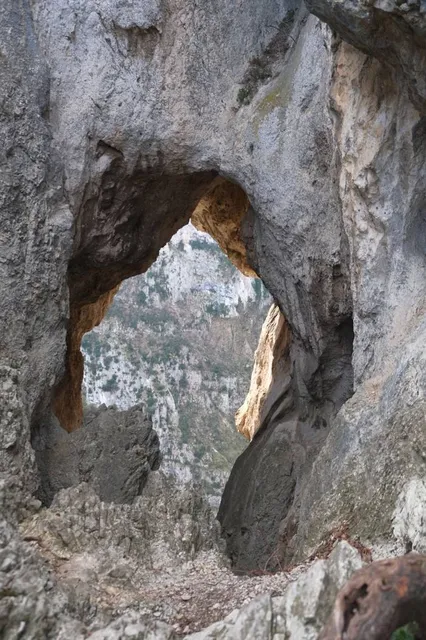
Foro degli Occhialoni
60040 Genga, Province of Ancona, Italy
Nearby restaurants
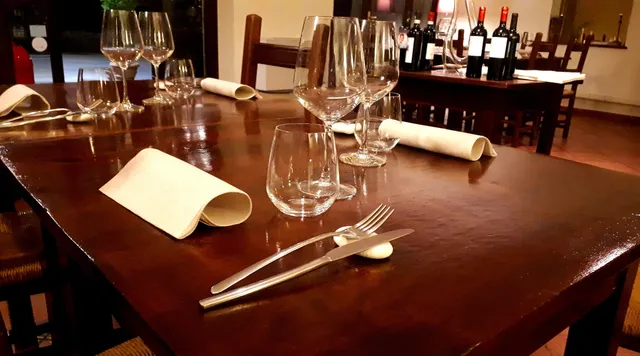
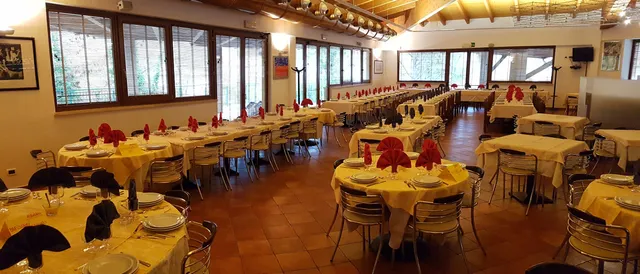
Ristorante Francesco
Via S. Vittore, 2/a, 60040 Genga AN, Italy
Ristorante La Taverna di Frasassi
Frazione S. Vittore, 1, 60040 Genga AN, Italy
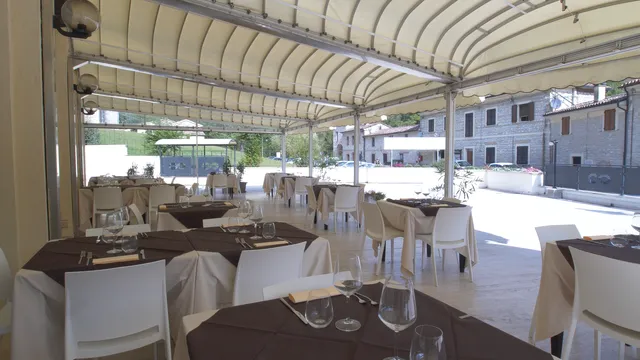
La Terrazza
Via S. Vittore, 8, 60040 Genga AN, Italy
Ristorante Terme San Vittore
Parco Naturale Regionale Gola della Rossa e di Frasassi, Via S. Vittore, 14, 60040 San Vittore AN, Italy
Chiosco Numero 1 (Luciana Moretti)
60040 Genga, Province of Ancona, Italy
Indietro Tutta Di Ferretti Enrica & C. S.N.C.
Via Guglielmo Marconi, 7, 60040 Genga AN, Italy
Ristorante Bar da Maria
Frazione Pierosara, 67, 60040 Genga AN, Italy
Nearby hotels
Hotel Terme di Frasassi
Via S. Vittore, 8, 60040 Genga AN, Italy
Albergo il Parco
Via Guglielmo Marconi, 7, 60040 Genga AN, Italy
Il Bivacco Frasassi Climbing & Trail Running House
Frazione Pierosara, 1a, 60040 Genga AN, Italy
Related posts
Keywords
San Vittore alle Chiuse tourism.San Vittore alle Chiuse hotels.San Vittore alle Chiuse bed and breakfast. flights to San Vittore alle Chiuse.San Vittore alle Chiuse attractions.San Vittore alle Chiuse restaurants.San Vittore alle Chiuse travel.San Vittore alle Chiuse travel guide.San Vittore alle Chiuse travel blog.San Vittore alle Chiuse pictures.San Vittore alle Chiuse photos.San Vittore alle Chiuse travel tips.San Vittore alle Chiuse maps.San Vittore alle Chiuse things to do.
San Vittore alle Chiuse things to do, attractions, restaurants, events info and trip planning
San Vittore alle Chiuse
ItalyMarcheGengaSan Vittore alle Chiuse

Basic Info

San Vittore alle Chiuse

Via S. Vittore, 5, 60040 San Vittore AN, Italy
4.6(828)
Open 24 hours
Save
spot

Ratings & Description

Info

San Vittore alle Chiuse is a Roman Catholic abbey and church in the comune of Genga, Marche, Italy. The edifice is known from the year 1011, and constitutes a notable example of Byzantine-influenced architecture in Italy.

Cultural
Scenic
Family friendly
attractions: Museo Speleopaleontologico ed Archeologico, Foro degli Occhialoni, restaurants: Ristorante Francesco, Ristorante La Taverna di Frasassi, La Terrazza, Ristorante Terme San Vittore, Chiosco Numero 1 (Luciana Moretti), Indietro Tutta Di Ferretti Enrica & C. S.N.C., Ristorante Bar da Maria
logoLearn more insights from Wanderboat AI.
Phone
+39 0732 973014
Website
amarche.it

Plan your stay

hotel
Pet-friendly Hotels in Genga
Find a cozy hotel nearby and make it a full experience.

hotel
Affordable Hotels in Genga
Find a cozy hotel nearby and make it a full experience.

hotel
The Coolest Hotels You Haven't Heard Of (Yet)
Find a cozy hotel nearby and make it a full experience.

hotel
Trending Stays Worth the Hype in Genga
Find a cozy hotel nearby and make it a full experience.

Reviews

Nearby attractions of San Vittore alle Chiuse

Museo Speleopaleontologico ed Archeologico

Foro degli Occhialoni
Museo Speleopaleontologico ed Archeologico

Museo Speleopaleontologico ed Archeologico

4.1

(188)

Open 24 hours
Click for details
Foro degli Occhialoni

Foro degli Occhialoni

4.7

(82)

Open 24 hours
Click for details

Things to do nearby

PRESENTAZIONE DEL LIBRO “IL RIFLESSO”
Sat, Nov 29 • 5:00 PM
1 Largo San Francesco #B, 60044 Fabriano
View details
PID LAB Automazione: sicurezza di ambienti e infrastrutture digitali
Wed, Dec 10 • 3:00 PM
7 Via G. Guerri, 60035 Jesi
View details

Nearby restaurants of San Vittore alle Chiuse

Ristorante Francesco

Ristorante La Taverna di Frasassi

La Terrazza

Ristorante Terme San Vittore

Chiosco Numero 1 (Luciana Moretti)

Indietro Tutta Di Ferretti Enrica & C. S.N.C.

Ristorante Bar da Maria
Ristorante Francesco

Ristorante Francesco

4.3

(660)

Click for details
Ristorante La Taverna di Frasassi

Ristorante La Taverna di Frasassi

4.4

(332)

Click for details
La Terrazza

La Terrazza

4.1

(34)

Click for details
Ristorante Terme San Vittore

Ristorante Terme San Vittore

3.8

(6)

Click for details
Get the Appoverlay
Get the AppOne tap to find yournext favorite spots!
Wanderboat LogoWanderboat

Your everyday Al companion for getaway ideas

CompanyAbout Us
InformationAI Trip PlannerSitemap
SocialXInstagramTiktokLinkedin
LegalTerms of ServicePrivacy Policy

Get the app

© 2025 Wanderboat. All rights reserved.
logo

Posts

Simone PorrelliSimone Porrelli
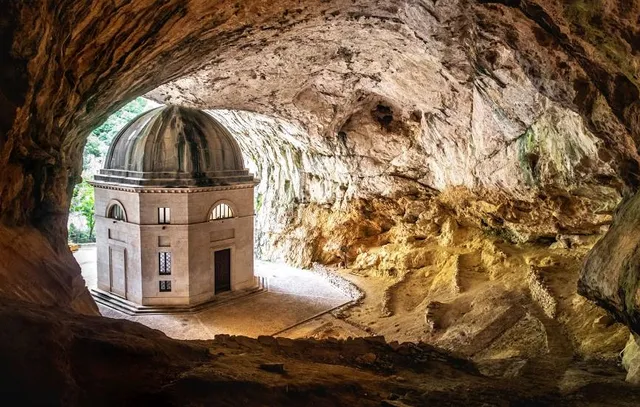
Edificio romanico sito in San Vittore Terme (Genga, Ancona), è in posizione isolata e vicino al corso del fiume Sentino, a pochi passi dalle grotte di Frasassi e dal tempio di Valadier. Nel 1902 è stato dichiarato monumento nazionale. E' agli inizi del XIII secolo che raggiunge il massimo splendore, perché in questo periodo esercitava la giurisdizione su 42 chiese, su grandi territori e possedeva diversi beni. Del complesso monastico, ad oggi, rimangono pochi ambienti; l'abbazia non svolge più il suo ruolo ma rimane sempre un punto di riferimento per fedeli e turisti di tutto il mondo. Costruita in pietra calcarea, pianta a croce greca iscritta in un perimetro quasi quadrato, quattro colonne dividono la chiesa in nove campate coperte da splendide volte a crociera; la parte centrale è una cupola con tiburio ottagonale poggiante direttamente sulle colonne tramite arconi e pennacchi. Vi sono cinque absidi semicircolari. L'aspetto esteriore di fortezza è dovuto alla compatta volumetria costituita non solo dal fabbricato in sé del volume della chiesa ma anche dall'alto torrione su base quadrata. Lo schema planimetrico a pianta centrale, invece, ricorda l'influenza bizantina. Diversi studi dimostrano che non vi sono mai state relazioni con il mondo bizantino, anzi le influenze per la costruzione della chiesa derivano dal nord, specialmente influenza lombarda (nel trattamento superficiale delle mura esterne). ENGLISH: Romanesque building located in San Vittore Terme (Genga, Ancona), in an isolated position close to the Sentino river, a few steps from the Frasassi caves and the Valadier temple. In 1902 it was declared a national monument. It reached its maximum splendor at the beginning of the 13th century, because in this period it exercised jurisdiction over 42 churches, over large territories and owned various properties. Of the monastic complex, to date, only a few rooms remain; the abbey no longer fulfills its role but always remains a point of reference for the faithful and tourists from all over the world. Built in limestone, with a Greek cross plan inscribed in an almost square perimeter, four columns divide the church into nine bays covered by splendid cross vaults; the central part is a dome with an octagonal lantern resting directly on the columns through arches and spandrels. There are five semicircular apses. The outward appearance of a fortress is due to the compact volume consisting not only of the building itself of the volume of the church but also of the high tower on a square base. The planimetric scheme with a central plan, on the other hand, recalls the Byzantine influence. Several studies show that there have never been relations with the Byzantine world, indeed the influences for the construction of the church derive from the north, especially Lombard influence (in the surface treatment of the external walls).
Lachlan MactavishLachlan Mactavish
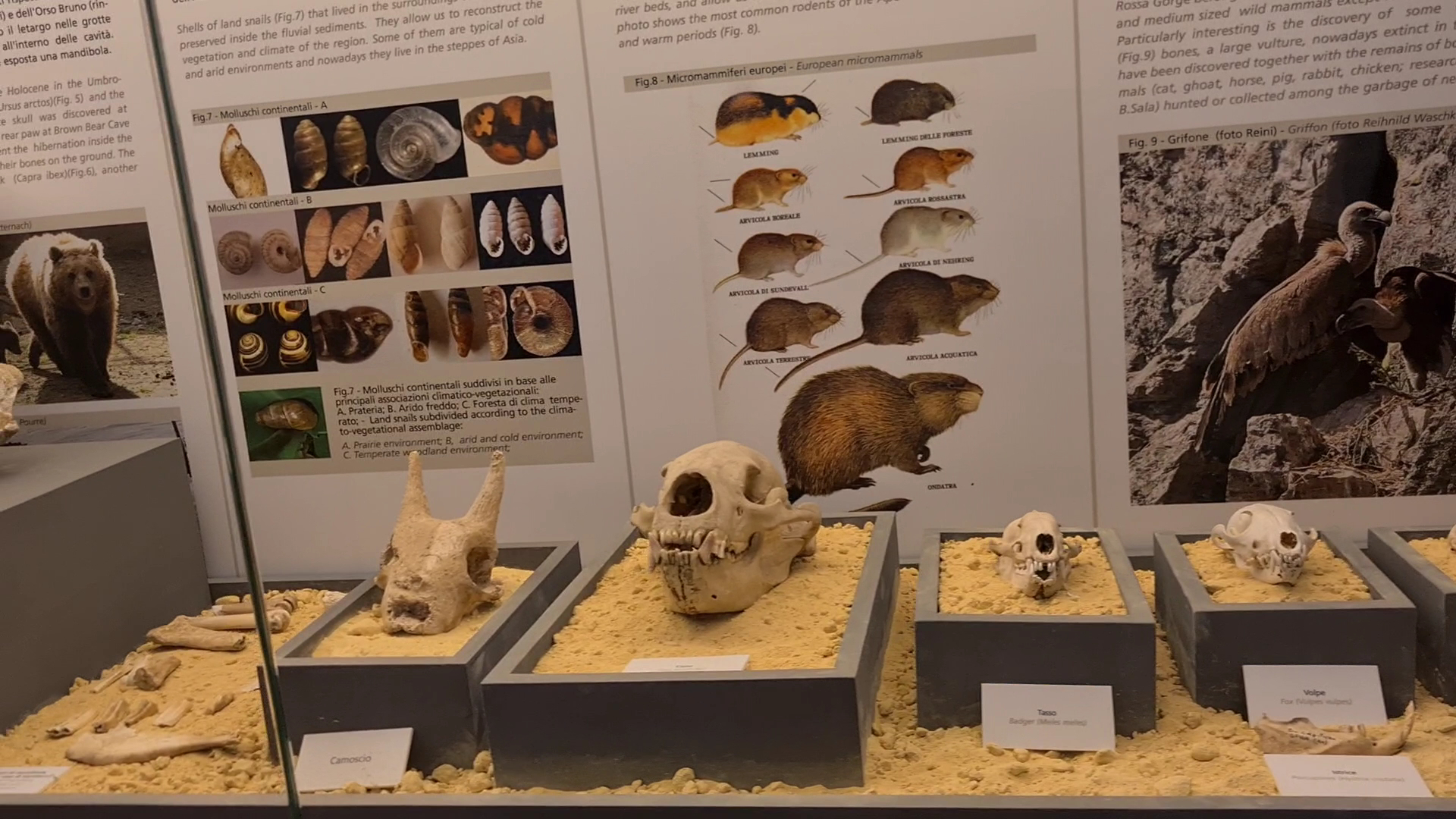
A beautiful Abbey in the area of the Marche. The Abbey dates from around the year 1000 a.d. and is in the Roman style. If you approach the Abbey from the far side of the river you enter the village by crossing the Roman Bridge and passing through a gateway in the tower which formed part of the protective wall around the Abbey. The Abbey has an access ramp inside the entrance to allow people with mobility problems to enter. Attached to the Abbey is a small but beautifully presented museum, speleo paleontologico and archeologico. The museum has a lift and disabled toilets. Dogs are not allowed.
Raffaele GuidolinRaffaele Guidolin
L’Abbazia è un bel monastero benedettino del X secolo circa, costituito da due corpi di fabbrica: la chiesa romanica e il cenobio benedettino, che oggi ospita il Museo Speleo-Paleontologico di Genga. Il luogo merita una visita non solo perché si è molto vicini alle Grotte di Frasassi (che si possono anche raggiungere con una veloce camminata dal parcheggio delle Grotte), ma anche perché l’Abbazia è obiettivamente fotogenica e trasmette – come l’intero borgo- una senso di pace e tranquillità; infine, perché l’ingresso al Museo è compreso nel biglietto per le Grotte. Tale ultima considerazione fa riferimento non tanto all’aspetto meramente pecuniario della questione, quanto piuttosto alla constatazione che dopo aver trascorso oltre un’ora nelle grotte, ti viene una comprensibile curiosità per il settore della speleologia. A mia figlia è piaciuta molto anche la sezione paleontologica del museo perché ha visto i fossili che sta studiando i 3° elementare. Di fronte all’Abbazia si passa sotto una torre e si attraversa il torrente grazie ad un antico ponte romanico, anch’esso alquanto fotogenico.
See more posts
See more posts
hotel
Find your stay

Pet-friendly Hotels in Genga

Find a cozy hotel nearby and make it a full experience.

Edificio romanico sito in San Vittore Terme (Genga, Ancona), è in posizione isolata e vicino al corso del fiume Sentino, a pochi passi dalle grotte di Frasassi e dal tempio di Valadier. Nel 1902 è stato dichiarato monumento nazionale. E' agli inizi del XIII secolo che raggiunge il massimo splendore, perché in questo periodo esercitava la giurisdizione su 42 chiese, su grandi territori e possedeva diversi beni. Del complesso monastico, ad oggi, rimangono pochi ambienti; l'abbazia non svolge più il suo ruolo ma rimane sempre un punto di riferimento per fedeli e turisti di tutto il mondo. Costruita in pietra calcarea, pianta a croce greca iscritta in un perimetro quasi quadrato, quattro colonne dividono la chiesa in nove campate coperte da splendide volte a crociera; la parte centrale è una cupola con tiburio ottagonale poggiante direttamente sulle colonne tramite arconi e pennacchi. Vi sono cinque absidi semicircolari. L'aspetto esteriore di fortezza è dovuto alla compatta volumetria costituita non solo dal fabbricato in sé del volume della chiesa ma anche dall'alto torrione su base quadrata. Lo schema planimetrico a pianta centrale, invece, ricorda l'influenza bizantina. Diversi studi dimostrano che non vi sono mai state relazioni con il mondo bizantino, anzi le influenze per la costruzione della chiesa derivano dal nord, specialmente influenza lombarda (nel trattamento superficiale delle mura esterne). ENGLISH: Romanesque building located in San Vittore Terme (Genga, Ancona), in an isolated position close to the Sentino river, a few steps from the Frasassi caves and the Valadier temple. In 1902 it was declared a national monument. It reached its maximum splendor at the beginning of the 13th century, because in this period it exercised jurisdiction over 42 churches, over large territories and owned various properties. Of the monastic complex, to date, only a few rooms remain; the abbey no longer fulfills its role but always remains a point of reference for the faithful and tourists from all over the world. Built in limestone, with a Greek cross plan inscribed in an almost square perimeter, four columns divide the church into nine bays covered by splendid cross vaults; the central part is a dome with an octagonal lantern resting directly on the columns through arches and spandrels. There are five semicircular apses. The outward appearance of a fortress is due to the compact volume consisting not only of the building itself of the volume of the church but also of the high tower on a square base. The planimetric scheme with a central plan, on the other hand, recalls the Byzantine influence. Several studies show that there have never been relations with the Byzantine world, indeed the influences for the construction of the church derive from the north, especially Lombard influence (in the surface treatment of the external walls).
Simone Porrelli

Simone Porrelli

hotel
Find your stay

Affordable Hotels in Genga

Find a cozy hotel nearby and make it a full experience.

Get the Appoverlay
Get the AppOne tap to find yournext favorite spots!
A beautiful Abbey in the area of the Marche. The Abbey dates from around the year 1000 a.d. and is in the Roman style. If you approach the Abbey from the far side of the river you enter the village by crossing the Roman Bridge and passing through a gateway in the tower which formed part of the protective wall around the Abbey. The Abbey has an access ramp inside the entrance to allow people with mobility problems to enter. Attached to the Abbey is a small but beautifully presented museum, speleo paleontologico and archeologico. The museum has a lift and disabled toilets. Dogs are not allowed.
Lachlan Mactavish

Lachlan Mactavish

hotel
Find your stay

The Coolest Hotels You Haven't Heard Of (Yet)

Find a cozy hotel nearby and make it a full experience.

hotel
Find your stay

Trending Stays Worth the Hype in Genga

Find a cozy hotel nearby and make it a full experience.

L’Abbazia è un bel monastero benedettino del X secolo circa, costituito da due corpi di fabbrica: la chiesa romanica e il cenobio benedettino, che oggi ospita il Museo Speleo-Paleontologico di Genga. Il luogo merita una visita non solo perché si è molto vicini alle Grotte di Frasassi (che si possono anche raggiungere con una veloce camminata dal parcheggio delle Grotte), ma anche perché l’Abbazia è obiettivamente fotogenica e trasmette – come l’intero borgo- una senso di pace e tranquillità; infine, perché l’ingresso al Museo è compreso nel biglietto per le Grotte. Tale ultima considerazione fa riferimento non tanto all’aspetto meramente pecuniario della questione, quanto piuttosto alla constatazione che dopo aver trascorso oltre un’ora nelle grotte, ti viene una comprensibile curiosità per il settore della speleologia. A mia figlia è piaciuta molto anche la sezione paleontologica del museo perché ha visto i fossili che sta studiando i 3° elementare. Di fronte all’Abbazia si passa sotto una torre e si attraversa il torrente grazie ad un antico ponte romanico, anch’esso alquanto fotogenico.
Raffaele Guidolin

Raffaele Guidolin

See more posts
See more posts

Reviews of San Vittore alle Chiuse

4.6
(828)
avatar
5.0
2y

Edificio romanico sito in San Vittore Terme (Genga, Ancona), è in posizione isolata e vicino al corso del fiume Sentino, a pochi passi dalle grotte di Frasassi e dal tempio di Valadier. Nel 1902 è stato dichiarato monumento nazionale. E' agli inizi del XIII secolo che raggiunge il massimo splendore, perché in questo periodo esercitava la giurisdizione su 42 chiese, su grandi territori e possedeva diversi beni. Del complesso monastico, ad oggi, rimangono pochi ambienti; l'abbazia non svolge più il suo ruolo ma rimane sempre un punto di riferimento per fedeli e turisti di tutto il mondo.

Costruita in pietra calcarea, pianta a croce greca iscritta in un perimetro quasi quadrato, quattro colonne dividono la chiesa in nove campate coperte da splendide volte a crociera; la parte centrale è una cupola con tiburio ottagonale poggiante direttamente sulle colonne tramite arconi e pennacchi. Vi sono cinque absidi semicircolari. L'aspetto esteriore di fortezza è dovuto alla compatta volumetria costituita non solo dal fabbricato in sé del volume della chiesa ma anche dall'alto torrione su base quadrata. Lo schema planimetrico a pianta centrale, invece, ricorda l'influenza bizantina. Diversi studi dimostrano che non vi sono mai state relazioni con il mondo bizantino, anzi le influenze per la costruzione della chiesa derivano dal nord, specialmente influenza lombarda (nel trattamento superficiale delle mura esterne).

ENGLISH: Romanesque building located in San Vittore Terme (Genga, Ancona), in an isolated position close to the Sentino river, a few steps from the Frasassi caves and the Valadier temple. In 1902 it was declared a national monument. It reached its maximum splendor at the beginning of the 13th century, because in this period it exercised jurisdiction over 42 churches, over large territories and owned various properties. Of the monastic complex, to date, only a few rooms remain; the abbey no longer fulfills its role but always remains a point of reference for the faithful and tourists from all over the world.

Built in limestone, with a Greek cross plan inscribed in an almost square perimeter, four columns divide the church into nine bays covered by splendid cross vaults; the central part is a dome with an octagonal lantern resting directly on the columns through arches and spandrels. There are five semicircular apses. The outward appearance of a fortress is due to the compact volume consisting not only of the building itself of the volume of the church but also of the high tower on a square base. The planimetric scheme with a central plan, on the other hand, recalls the Byzantine influence. Several studies show that there have never been relations with the Byzantine world, indeed the influences for the construction of the church derive from the north, especially Lombard influence (in the surface treatment of the...

   Read more
avatar
5.0
1y

A beautiful Abbey in the area of the Marche. The Abbey dates from around the year 1000 a.d. and is in the Roman style. If you approach the Abbey from the far side of the river you enter the village by crossing the Roman Bridge and passing through a gateway in the tower which formed part of the protective wall around the Abbey. The Abbey has an access ramp inside the entrance to allow people with mobility problems to enter. Attached to the Abbey is a small but beautifully presented museum, speleo paleontologico and archeologico. The museum has a lift and disabled toilets. Dogs are...

   Read more
avatar
3.0
8y

L’Abbazia è un bel monastero benedettino del X secolo circa, costituito da due corpi di fabbrica: la chiesa romanica e il cenobio benedettino, che oggi ospita il Museo Speleo-Paleontologico di Genga. Il luogo merita una visita non solo perché si è molto vicini alle Grotte di Frasassi (che si possono anche raggiungere con una veloce camminata dal parcheggio delle Grotte), ma anche perché l’Abbazia è obiettivamente fotogenica e trasmette – come l’intero borgo- una senso di pace e tranquillità; infine, perché l’ingresso al Museo è compreso nel biglietto per le Grotte. Tale ultima considerazione fa riferimento non tanto all’aspetto meramente pecuniario della questione, quanto piuttosto alla constatazione che dopo aver trascorso oltre un’ora nelle grotte, ti viene una comprensibile curiosità per il settore della speleologia. A mia figlia è piaciuta molto anche la sezione paleontologica del museo perché ha visto i fossili che sta studiando i 3° elementare. Di fronte all’Abbazia si passa sotto una torre e si attraversa il torrente grazie ad un antico ponte romanico, anch’esso...

   Read more
Page 1 of 7
Previous
Next