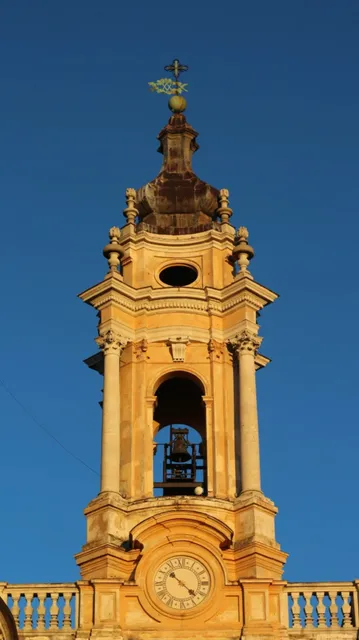
Castello di Rivoli Museo d'Arte Contemporanea things to do, attractions, restaurants, events info and trip planning
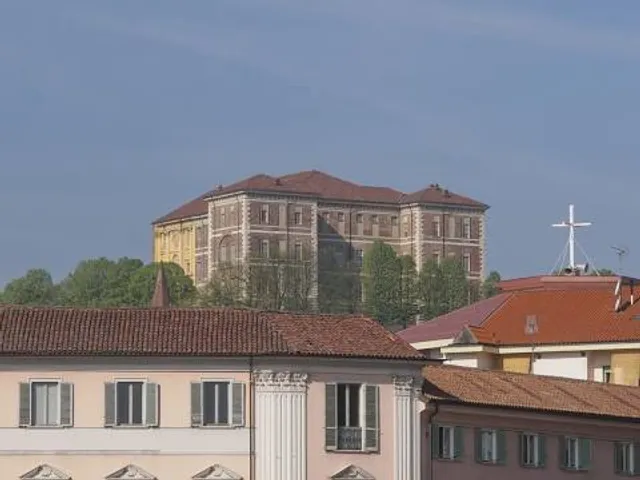
Basic Info
Castello di Rivoli Museo d'Arte Contemporanea
Piazzale Mafalda di Savoia, 2, 10098 Rivoli TO, Italy
4.5(2.4K)
Open until 12:00 AM


tickets
Save
spot
spot
Ratings & Description
Info
Cultural
Accessibility
attractions: Casa Museo Antonio Carena, Villaggio di Babbo Natale (temporaneo), Parco "G. Salvemini", The Cerruti Collection - Castello di Rivoli, restaurants: Locanda del Lupo, Bistrot del Castello - Ristorante Rivoli, Pizzeria La Tavernetta, Tekum food-lab, Pub Marconi, L'Arrocco, La Piola Di Via Piol, LINKO Osteria Moderna, Ristoro Emilia, Osteria Succo D'Uva, local businesses: Casa del Conte Verde, Centro Commerciale La Piazzetta
 Learn more insights from Wanderboat AI.
Phone
+39 011 956 5222
Website
castellodirivoli.org
Open hoursSee all hours
MonClosedOpen
Plan your stay

Pet-friendly Hotels in Rivoli
Find a cozy hotel nearby and make it a full experience.

Affordable Hotels in Rivoli
Find a cozy hotel nearby and make it a full experience.

The Coolest Hotels You Haven't Heard Of (Yet)
Find a cozy hotel nearby and make it a full experience.

Trending Stays Worth the Hype in Rivoli
Find a cozy hotel nearby and make it a full experience.
Reviews
Live events
Candlelight: Ennio Morricone e altre colonne sonore di film
Thu, Jan 29 • 7:30 PM
Via Antonio Bertola, 40, Torino, 10122
View details

Inside Monet
Sat, Jan 31 • 11:45 AM
Viale Pier Andrea Mattioli, 25, Torino, 10125
View details
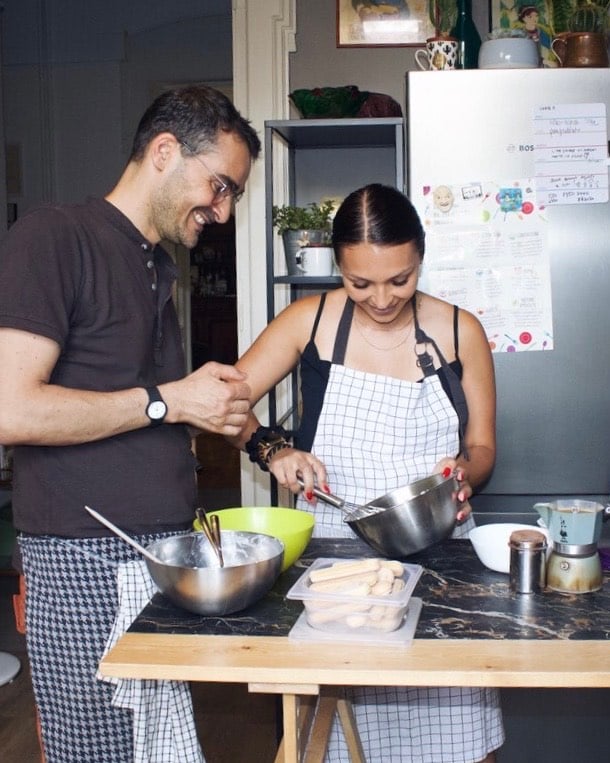
Cooking class in Turin
Mon, Jan 26 • 10:30 AM
10143, Turin, Piedmont, Italy
View details
Nearby attractions of Castello di Rivoli Museo d'Arte Contemporanea
Casa Museo Antonio Carena
Villaggio di Babbo Natale (temporaneo)
Parco "G. Salvemini"
The Cerruti Collection - Castello di Rivoli
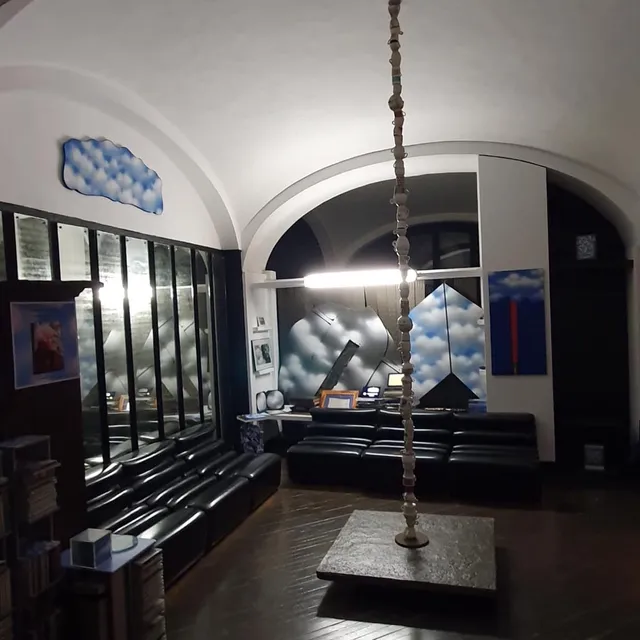
Casa Museo Antonio Carena
4.8
(8)
Closed
Click for details
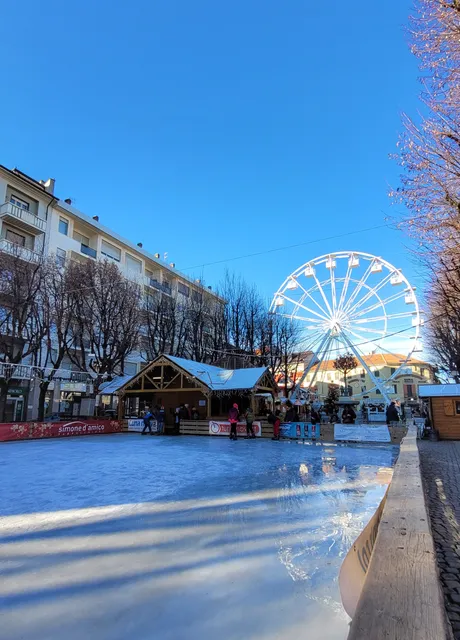
Villaggio di Babbo Natale (temporaneo)
4.1
(21)
Open 24 hours
Click for details
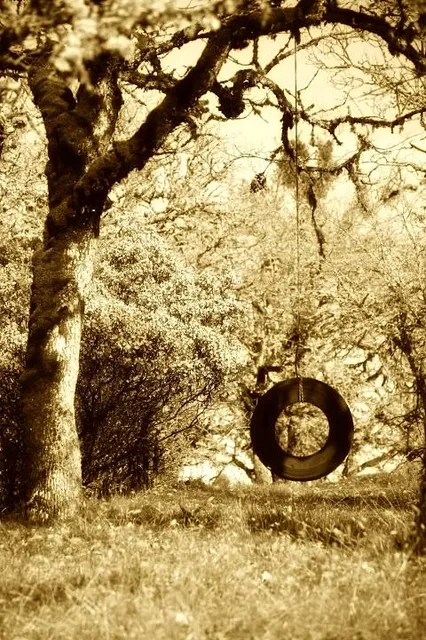
Parco "G. Salvemini"
4.3
(113)
Open until 12:00 AM
Click for details
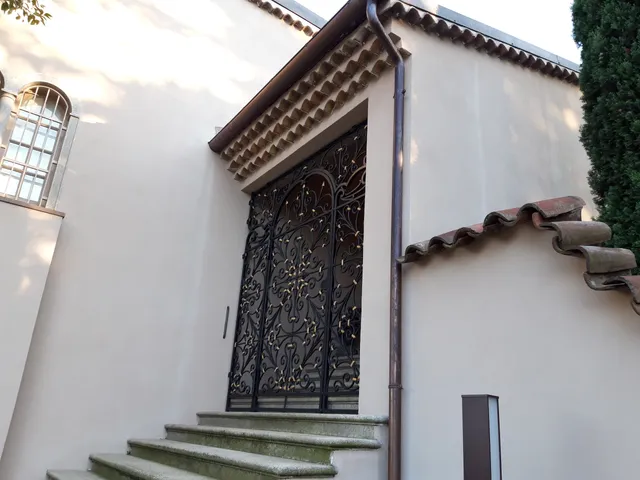
The Cerruti Collection - Castello di Rivoli
4.8
(69)
Open until 12:00 AM
Click for details
Nearby restaurants of Castello di Rivoli Museo d'Arte Contemporanea
Locanda del Lupo
Bistrot del Castello - Ristorante Rivoli
Pizzeria La Tavernetta
Tekum food-lab
Pub Marconi
L'Arrocco
La Piola Di Via Piol
LINKO Osteria Moderna
Ristoro Emilia
Osteria Succo D'Uva
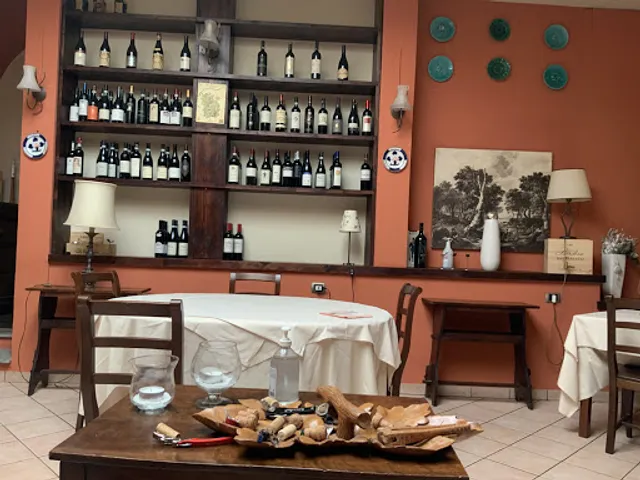
Locanda del Lupo
4.3
(260)
$$$
Closed
Click for details
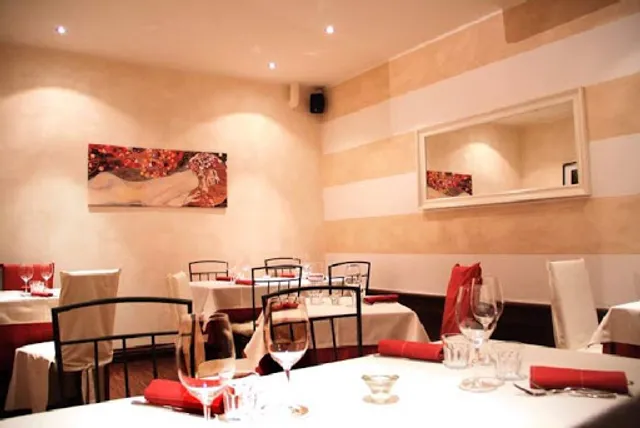
Bistrot del Castello - Ristorante Rivoli
4.7
(266)
$$
Open until 12:00 AM
Click for details
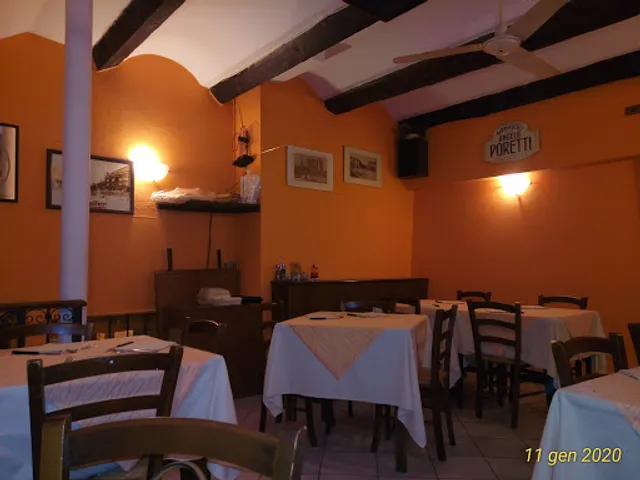
Pizzeria La Tavernetta
4.4
(135)
Closed
Click for details
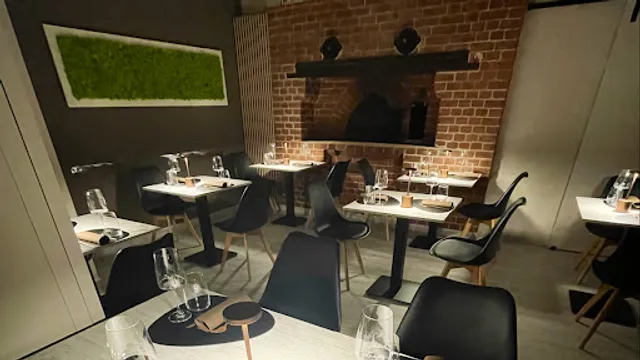
Tekum food-lab
4.8
(81)
Open until 12:00 AM
Click for details
Nearby local services of Castello di Rivoli Museo d'Arte Contemporanea
Casa del Conte Verde
Centro Commerciale La Piazzetta
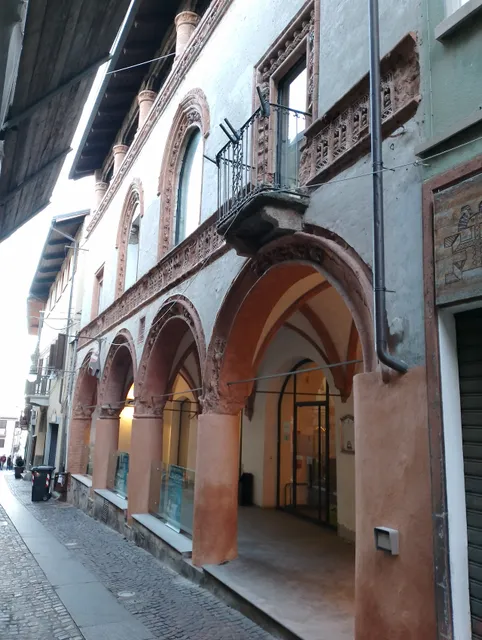
Casa del Conte Verde
4.2
(251)
Click for details
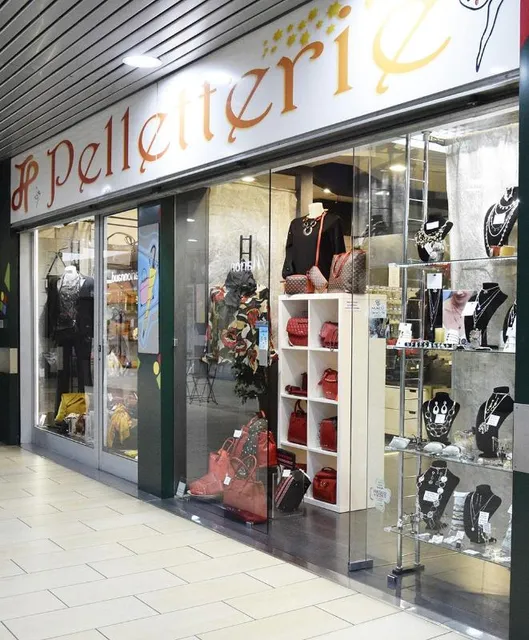
Centro Commerciale La Piazzetta
3.7
(672)
Click for details