HTML SitemapExplore
logo
Find Things to DoFind The Best Restaurants

National Museum of Musical Instruments — Attraction in Rome

Name
National Museum of Musical Instruments
Description
The National Museum of Musical Instruments is situated in the Palazzina Samoggia in Rome. The museum, owned by the MIBACT since December 2014 is one of 43 museums pertaining to the Polo museale del Lazio. The museum had 9,164 visitors in 2015.
Nearby attractions
Basilica of the Holy Cross in Jerusalem
Piazza di S. Croce in Gerusalemme, 10, 00185 Roma RM, Italy
Museo Storico della Fanteria
Piazza di S. Croce in Gerusalemme, 9, 00182 Roma RM, Italy
Archaeological Area of ​​Santa Croce in Gerusalemme
Piazza di S. Croce in Gerusalemme, 00182 Roma RM, Italy
Amphitheatrum Castrense
Via Nola, 4-10, 00182 Roma RM, Italy
Giardini Viale Carlo Felice
Viale Carlo Felice, 49, 00185 Roma RM, Italy
Basilica di San Giovanni in Laterano
P.za. San Giovanni In Laterano, 00184 Roma RM, Italy
Pontificio Santuario della Scala Santa
P.za di S. Giovanni in Laterano, 14, 00185 Roma RM, Italy
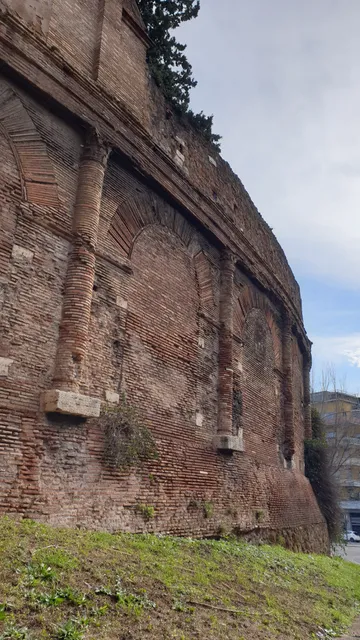
Tempio di Minerva Medica
Via Giovanni Giolitti, 00185 Roma RM, Italy
Rome Via Sannio Flea Market
Via Sannio, 00183 Roma RM, Italy
Lateranense Palace
P.za di S. Giovanni in Laterano, 00184 Roma RM, Italy
Nearby restaurants
Il Ritrovo a San Giovanni
V. La Spezia, 36-42, 00182 Roma RM, Italy
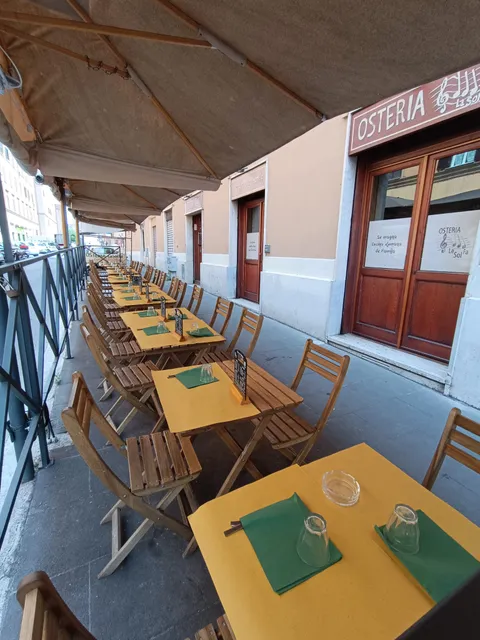
Osteria La Sol Fa
Via Germano Sommeiller, 19, 00185 Roma RM, Italy
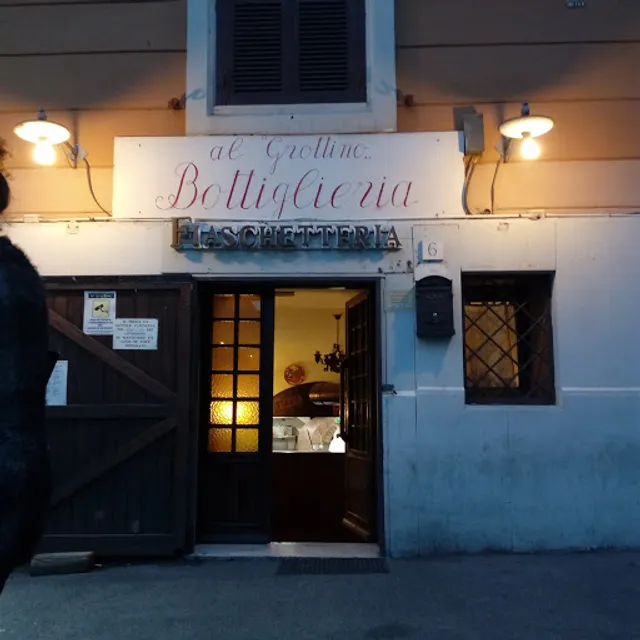
Al Grottino
Via Orvieto, 6, 00182 Roma RM, Italy
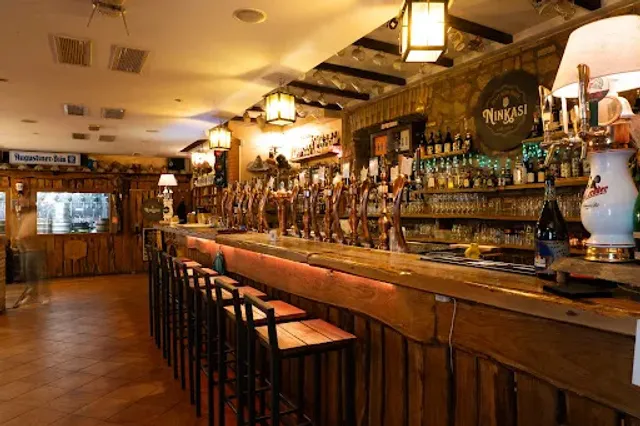
Ninkasi Craft Beer House
Via Acireale, 22, 00182 Roma RM, Italy
Caffè Italia
V. Santa Croce in Gerusalemme, 6, 00185 Roma RM, Italy
De Santis Santa Croce
V. Santa Croce in Gerusalemme, 17/21, 00185 Roma RM, Italy
Bottega Trattoria De Santis
V. Santa Croce in Gerusalemme, 15A/19, 00185 Roma RM, Italy
Forno Ciabattini Roma
V. Santa Croce in Gerusalemme, 23, 00185 Roma RM, Italy
Franz Burger
V. La Spezia, 127, 00182 Roma RM, Italy
Ristorante Mercato 8
Via Orvieto, 8, 00182 Roma RM, Italy
Nearby hotels
Domus Sessoriana
Basilica di Santa Croce in Gerusalemme, Piazza di S. Croce in Gerusalemme, 10, 00185 Roma RM, Italy
B&B Sessoriana
Via Sessoriana, 1, 00185 Roma RM, Italy
B&B La Finestra di Fronte
Piazza di S. Croce in Gerusalemme, 1, 00185 Roma RM, Italy
TATA Bed and Breakfast
V. La Spezia, 95/interno nr. 5, 00182 Roma RM, Italy
Hotel PortaMaggiore
Piazza di Porta Maggiore, 25, 00185 Roma RM, Italy
Grandis Rooms
Via Sebastiano Grandis, 1, 00185 Roma RM, Italy
Love Suite Roma
V. La Spezia, 74, 00182 Roma RM, Italy
DomusTyche Guest House
Via Sebastiano Grandis, 5, 00185 Roma RM, Italy
St. John's Balcony
Viale Castrense, 6, 00182 Roma RM, Italy
Hotel Emona Aquaeductus
Via Statilia, 23, 00185 Roma RM, Italy
Related posts
Keywords
National Museum of Musical Instruments tourism.National Museum of Musical Instruments hotels.National Museum of Musical Instruments bed and breakfast. flights to National Museum of Musical Instruments.National Museum of Musical Instruments attractions.National Museum of Musical Instruments restaurants.National Museum of Musical Instruments travel.National Museum of Musical Instruments travel guide.National Museum of Musical Instruments travel blog.National Museum of Musical Instruments pictures.National Museum of Musical Instruments photos.National Museum of Musical Instruments travel tips.National Museum of Musical Instruments maps.National Museum of Musical Instruments things to do.
National Museum of Musical Instruments things to do, attractions, restaurants, events info and trip planning
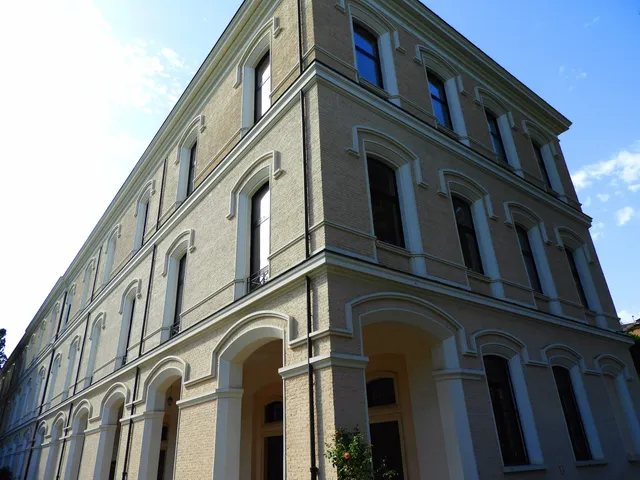
National Museum of Musical Instruments
ItalyLazioRomeNational Museum of Musical Instruments

Basic Info

National Museum of Musical Instruments

Piazza di S. Croce in Gerusalemme, 9/a, 00185 Roma RM, Italy
4.5(362)
Closed
Save
spot

Ratings & Description

Info

The National Museum of Musical Instruments is situated in the Palazzina Samoggia in Rome. The museum, owned by the MIBACT since December 2014 is one of 43 museums pertaining to the Polo museale del Lazio. The museum had 9,164 visitors in 2015.

Cultural
Family friendly
Accessibility
attractions: Basilica of the Holy Cross in Jerusalem, Museo Storico della Fanteria, Archaeological Area of ​​Santa Croce in Gerusalemme, Amphitheatrum Castrense, Giardini Viale Carlo Felice, Basilica di San Giovanni in Laterano, Pontificio Santuario della Scala Santa, Tempio di Minerva Medica, Rome Via Sannio Flea Market, Lateranense Palace, restaurants: Il Ritrovo a San Giovanni, Osteria La Sol Fa, Al Grottino, Ninkasi Craft Beer House, Caffè Italia, De Santis Santa Croce, Bottega Trattoria De Santis, Forno Ciabattini Roma, Franz Burger, Ristorante Mercato 8
logoLearn more insights from Wanderboat AI.
Phone
+39 06 701 4796
Website
cultura.gov.it
Open hoursSee all hours
Fri9:30 AM - 7:30 PMClosed

Plan your stay

hotel
Pet-friendly Hotels in Rome
Find a cozy hotel nearby and make it a full experience.

hotel
Affordable Hotels in Rome
Find a cozy hotel nearby and make it a full experience.

hotel
The Coolest Hotels You Haven't Heard Of (Yet)
Find a cozy hotel nearby and make it a full experience.

hotel
Trending Stays Worth the Hype in Rome
Find a cozy hotel nearby and make it a full experience.

Reviews

Nearby attractions of National Museum of Musical Instruments

Basilica of the Holy Cross in Jerusalem

Museo Storico della Fanteria

Archaeological Area of ​​Santa Croce in Gerusalemme

Amphitheatrum Castrense

Giardini Viale Carlo Felice

Basilica di San Giovanni in Laterano

Pontificio Santuario della Scala Santa
Tempio di Minerva Medica

Rome Via Sannio Flea Market

Lateranense Palace

Basilica of the Holy Cross in Jerusalem

Basilica of the Holy Cross in Jerusalem

4.7

(2.3K)

Open 24 hours
Click for details
Museo Storico della Fanteria

Museo Storico della Fanteria

3.4

(398)

Closed
Click for details
Archaeological Area of ​​Santa Croce in Gerusalemme

Archaeological Area of ​​Santa Croce in Gerusalemme

4.6

(20)

Closed
Click for details
Amphitheatrum Castrense

Amphitheatrum Castrense

4.4

(57)

Open 24 hours
Click for details

Things to do nearby

Catacombs: The Coolest Underground Tour in Rome
Sat, Dec 6 • 10:00 AM
00147, Rome, Lazio, Italy
View details
Pasta-making class, wine tasting and dinner
Fri, Dec 5 • 7:30 PM
00044, Frascati, Lazio, Italy
View details
Pasta and Pizza cooking class with wine and more
Sun, Dec 7 • 10:30 AM
00142, Rome, Lazio, Italy
View details

Nearby restaurants of National Museum of Musical Instruments

Il Ritrovo a San Giovanni

Osteria La Sol Fa

Al Grottino

Ninkasi Craft Beer House

Caffè Italia

De Santis Santa Croce

Bottega Trattoria De Santis

Forno Ciabattini Roma

Franz Burger

Ristorante Mercato 8

Il Ritrovo a San Giovanni

Il Ritrovo a San Giovanni

4.7

(913)

Click for details
Osteria La Sol Fa

Osteria La Sol Fa

4.7

(1.4K)

Click for details
Al Grottino

Al Grottino

4.3

(1.2K)

Click for details
Ninkasi Craft Beer House

Ninkasi Craft Beer House

4.2

(476)

Click for details
Get the Appoverlay
Get the AppOne tap to find yournext favorite spots!

The hit list

restaurant
Best 10 Restaurants to Visit in Rome
February 12 · 5 min read
attraction
Best 10 Attractions to Visit in Rome
February 12 · 5 min read
Rome

Plan your trip with Wanderboat

Welcome to Wanderboat AI, your AI search for local Eats and Fun, designed to help you explore your city and the world with ease.

Powered by Wanderboat AI trip planner.
Wanderboat LogoWanderboat

Your everyday Al companion for getaway ideas

CompanyAbout Us
InformationAI Trip PlannerSitemap
SocialXInstagramTiktokLinkedin
LegalTerms of ServicePrivacy Policy

Get the app

© 2025 Wanderboat. All rights reserved.
logo

Reviews of National Museum of Musical Instruments

4.5
(362)
avatar
5.0
1y

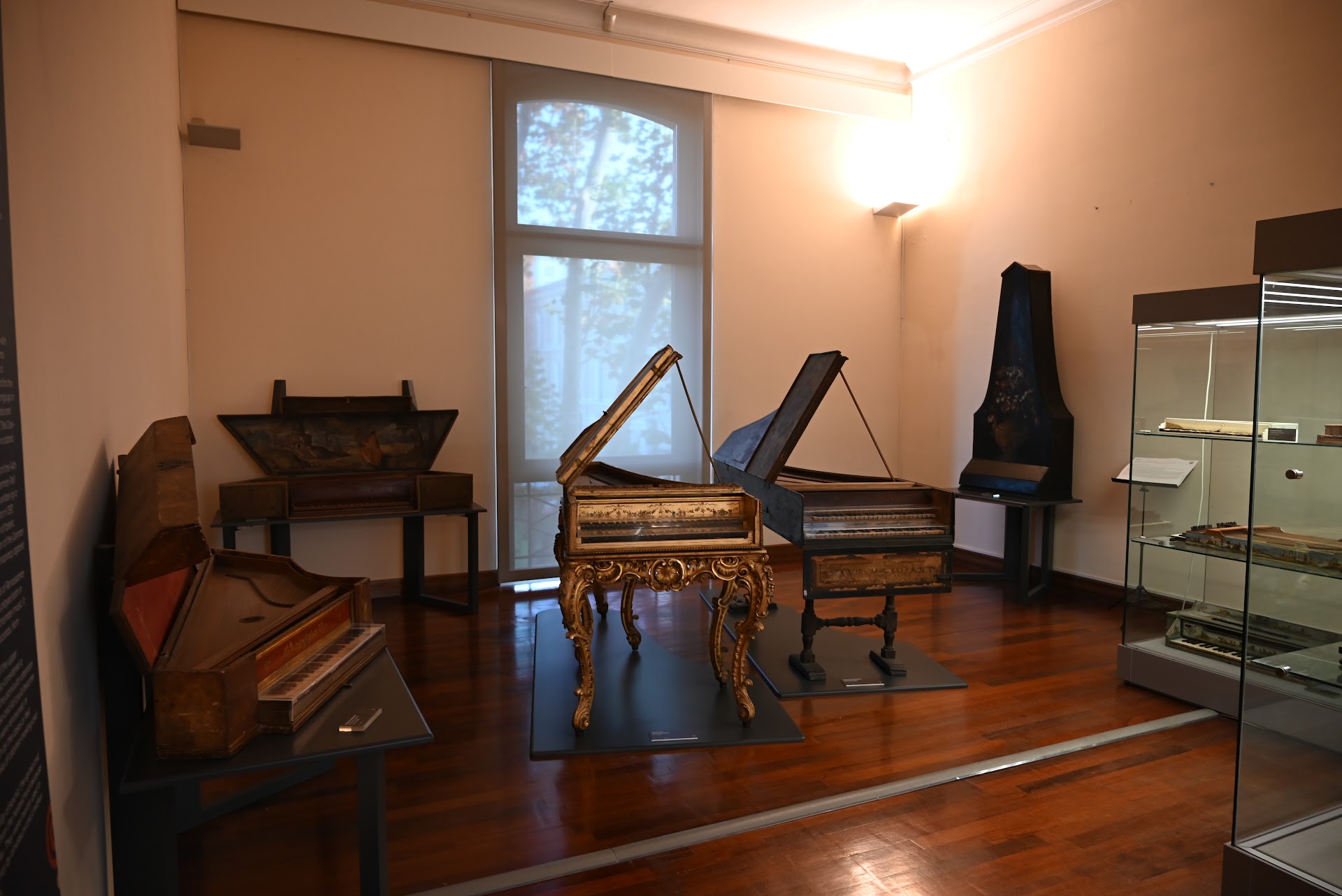
Amazing collection of musical instruments - including many pianos, organs harps, harpsichords, stringed and wind instruments, and so much more. Housed in a beautifully renovated building with its own rich history of use, the instruments are displayed across two floors. For the modest entrance fee of €6 per adult ticket (April 2024), you can spend, as we did several hours exploring the galleries. Because a great many of the larger instruments are not enclosed, you will find museum proctors will be very visible. We struck up quite a conversation with one who was with us, Lorena (spelled correctly, I hope), who was very generous with their time explaining what she knew about the collection. I was particularly struck by the mechanical organ, which was built in a case which is the facade of the Cathedral of Siena. The second equally large piece in this gallery is a storage case for rolls used in the mechanical organ, and it is the Cathedral of Orvieto! Remarkable.

We're going back Friday night for a concert where musicians will perform on some of the historical instruments.

April...

   Read more
avatar
4.0
2y

A beautiful, clean, well organised museum with many interesting instruments. Especially the old pianos were impressive. For the price well recommended! It would have been nice to have seen some more of the instruments in action, only a few of them had a sound or video example. Like others have mentioned before, we were followed meticulously throughout our visit which was not very comfortable. The person following us was also not helpful as he spoke no English and didn't seem to have any knowledge of the pieces on display. He was somewhat distracting by standing in front of what we wanted to read and was urging us on when we weren't ready yet. I would advise them to hang up more cameras and barriers and then leave the visitors alone. Finally, the route through the museum was not very clear but I guess in that case it was nice to have a...

   Read more
avatar
1.0
5y

This was a annoying experience because of the rude receptionist especially. I should have read the reviews explaining that much of the collection isn’t on display. The snarly woman at the ticket desk evidently had good English but didn’t explain anything about why we were deprived of the opportunity to see much of the collection. Also the audio guide wasn’t offered so we didn’t get that. If you decide to go anyway despite this warning you may see some beautiful examples of harpsichords and similar antique keyed instrument and a few examples of stringed instruments like harps and a few early guitars. Or who knows what fraction of their collection they might reveal. Don’t expect much it doesn’t live up to the billing so then you won’t be disappointed. It’s hard to find also and the front door was locked ring the bell...

   Read more
Page 1 of 7
Previous
Next

Posts

Jamie O'DonnellJamie O'Donnell
Amazing collection of musical instruments - including many pianos, organs harps, harpsichords, stringed and wind instruments, and so much more. Housed in a beautifully renovated building with its own rich history of use, the instruments are displayed across two floors. For the modest entrance fee of €6 per adult ticket (April 2024), you can spend, as we did several hours exploring the galleries. Because a great many of the larger instruments are not enclosed, you will find museum proctors will be very visible. We struck up quite a conversation with one who was with us, Lorena (spelled correctly, I hope), who was very generous with their time explaining what she knew about the collection. I was particularly struck by the mechanical organ, which was built in a case which is the facade of the Cathedral of Siena. The second equally large piece in this gallery is a storage case for rolls used in the mechanical organ, and it is the Cathedral of Orvieto! Remarkable. We're going back Friday night for a concert where musicians will perform on some of the historical instruments. April 17, 2024 C & J
Stefano ManzoStefano Manzo
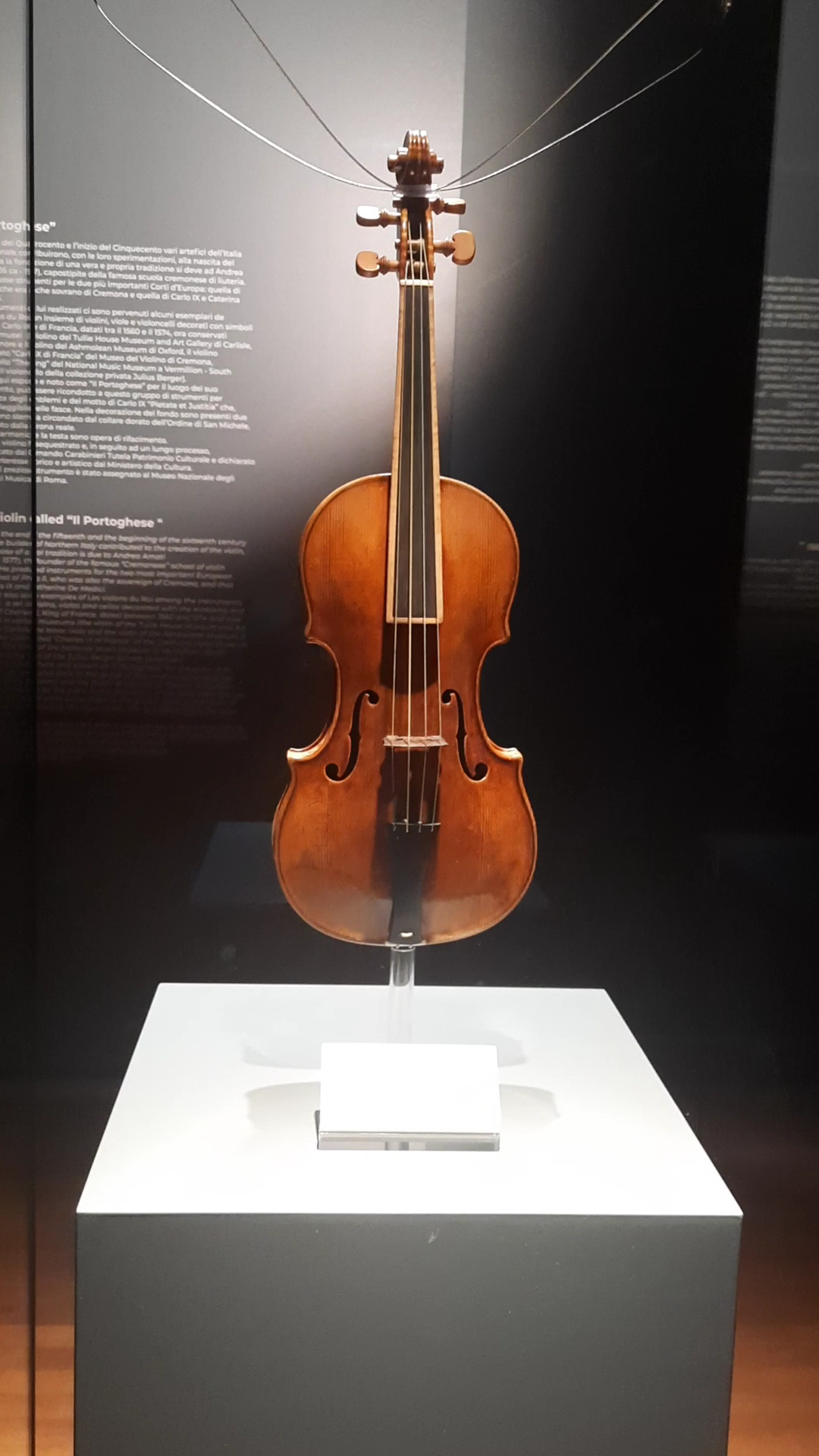
Il Museo Nazionale degli Strumenti Musicali ha sede nella Palazzina Samoggia in Piazza Santa Croce in Gerusalemme, 9/A nel Rione XV (Esquilino) a Roma. La Palazzina Samoggia si sviluppa in stile Liberty (ex Caserma "Principe di Piemonte") si trova accanto alla maestosa Basilica di Santa Croce in Gerusalemme ed è circondata da un importante sito archeologico (III – IV secolo d.C.). L’edificio fu edificato nel 1904 e dopo il suo utilizzo come caserma nel dopoguerra fu utilizzata per ospitare i profughi Giuliani, poi nel 1974 divenne il Museo che oggi possiamo ammirare. L’esposizione si sviluppa su due piani, dove possiamo ammirare lo sviluppo degli strumenti musicali nel corso dei secoli, a partire da quelli molto antichi presenti nella “Selezione Archeologica” a partire dal V-VI a.C. fino a III secolo d.C. ad esempio strumenti a fiato e a percussione. Altri strumenti più moderni da evidenziare sono: • L’Arpa Barberini, costruita nel 1632-1633, per la Famiglia Barberini, splendida nella sua realizzazione. • Clavicembalo di Hans Muller un capolavoro costruito nel 1532 l’unico esemplare tedesco del cinquecento che si conosca. • Il Violino di Andrea Amati (1567) costruito per le feste danzanti della corte francese, molto bello e ornato è il retro, coevo con lo strumento originario. • Il Pianoforte di Bartolomeo Cristofori (1655-1732), l’inventore del Pianoforte moderno, l’esemplare che possiamo ammirare è stato costruito nel 1722, nel mondo ci sono solo tre pianoforti di Cristofori, questo è quello meglio conservato • La Spinetta di Onofrio Guarracino del XVII secolo, con un coperchio superbamente dipinto. • Organo da processione dell’inizio del XVIII secolo, anche questo con una interessante decorazione pittorica. Inoltre ho potuto ammirare due interessanti dipinti che si richiamavano all’arte Cavaraggiesca, uno dei quali l’allegorico “I Cinque Sensi” di Theodor Rombouts (primo quarto del XVII secolo), perfettamente realizzato con incredibili dettagli e l’inconfondibile gioco delle luci e delle ombre, tese a indirizzare lo sguardo del visitatore nel modo desiderato dall’autore. L’altro “Il gioco del Tric-trac” di Theodor Rombouts anch’esso molto suggestivo. Nel complesso è stata una visita molto interessante, in un luogo unico e “magico” per scoprire la storia e lo sviluppo nel tempo dei vari strumenti musicali. Molto utile la guida che ha descritto con dovizia di particolare gli elementi più interessanti, financo i due suddetti dipinti.
Jordan LuiJordan Lui
Definitely a unique and historic museum but I think the museum staff really need to step things up. Literally half of the exhibitons are closed until "we don't know when" and they don't reduce admission price. I think that is fundamentally unfair. The portion of museum that I could visit was lovely, and the included English audio tour device is useful and clear to hear. Museum layout is nice so that you can view instruments closely and from each angle. Look for the first room on tour right on the second floor where you can see the first pianoforte ever built! In summary it's a lovely museum and I spent probably one hour on the half of museum that was open. However it's hard to not feel ripped off when half the exhibits are closed and they aren't apologetic at all.
See more posts
See more posts
hotel
Find your stay

Pet-friendly Hotels in Rome

Find a cozy hotel nearby and make it a full experience.

Amazing collection of musical instruments - including many pianos, organs harps, harpsichords, stringed and wind instruments, and so much more. Housed in a beautifully renovated building with its own rich history of use, the instruments are displayed across two floors. For the modest entrance fee of €6 per adult ticket (April 2024), you can spend, as we did several hours exploring the galleries. Because a great many of the larger instruments are not enclosed, you will find museum proctors will be very visible. We struck up quite a conversation with one who was with us, Lorena (spelled correctly, I hope), who was very generous with their time explaining what she knew about the collection. I was particularly struck by the mechanical organ, which was built in a case which is the facade of the Cathedral of Siena. The second equally large piece in this gallery is a storage case for rolls used in the mechanical organ, and it is the Cathedral of Orvieto! Remarkable. We're going back Friday night for a concert where musicians will perform on some of the historical instruments. April 17, 2024 C & J
Jamie O'Donnell

Jamie O'Donnell

hotel
Find your stay

Affordable Hotels in Rome

Find a cozy hotel nearby and make it a full experience.

Get the Appoverlay
Get the AppOne tap to find yournext favorite spots!
Il Museo Nazionale degli Strumenti Musicali ha sede nella Palazzina Samoggia in Piazza Santa Croce in Gerusalemme, 9/A nel Rione XV (Esquilino) a Roma. La Palazzina Samoggia si sviluppa in stile Liberty (ex Caserma "Principe di Piemonte") si trova accanto alla maestosa Basilica di Santa Croce in Gerusalemme ed è circondata da un importante sito archeologico (III – IV secolo d.C.). L’edificio fu edificato nel 1904 e dopo il suo utilizzo come caserma nel dopoguerra fu utilizzata per ospitare i profughi Giuliani, poi nel 1974 divenne il Museo che oggi possiamo ammirare. L’esposizione si sviluppa su due piani, dove possiamo ammirare lo sviluppo degli strumenti musicali nel corso dei secoli, a partire da quelli molto antichi presenti nella “Selezione Archeologica” a partire dal V-VI a.C. fino a III secolo d.C. ad esempio strumenti a fiato e a percussione. Altri strumenti più moderni da evidenziare sono: • L’Arpa Barberini, costruita nel 1632-1633, per la Famiglia Barberini, splendida nella sua realizzazione. • Clavicembalo di Hans Muller un capolavoro costruito nel 1532 l’unico esemplare tedesco del cinquecento che si conosca. • Il Violino di Andrea Amati (1567) costruito per le feste danzanti della corte francese, molto bello e ornato è il retro, coevo con lo strumento originario. • Il Pianoforte di Bartolomeo Cristofori (1655-1732), l’inventore del Pianoforte moderno, l’esemplare che possiamo ammirare è stato costruito nel 1722, nel mondo ci sono solo tre pianoforti di Cristofori, questo è quello meglio conservato • La Spinetta di Onofrio Guarracino del XVII secolo, con un coperchio superbamente dipinto. • Organo da processione dell’inizio del XVIII secolo, anche questo con una interessante decorazione pittorica. Inoltre ho potuto ammirare due interessanti dipinti che si richiamavano all’arte Cavaraggiesca, uno dei quali l’allegorico “I Cinque Sensi” di Theodor Rombouts (primo quarto del XVII secolo), perfettamente realizzato con incredibili dettagli e l’inconfondibile gioco delle luci e delle ombre, tese a indirizzare lo sguardo del visitatore nel modo desiderato dall’autore. L’altro “Il gioco del Tric-trac” di Theodor Rombouts anch’esso molto suggestivo. Nel complesso è stata una visita molto interessante, in un luogo unico e “magico” per scoprire la storia e lo sviluppo nel tempo dei vari strumenti musicali. Molto utile la guida che ha descritto con dovizia di particolare gli elementi più interessanti, financo i due suddetti dipinti.
Stefano Manzo

Stefano Manzo

hotel
Find your stay

The Coolest Hotels You Haven't Heard Of (Yet)

Find a cozy hotel nearby and make it a full experience.

hotel
Find your stay

Trending Stays Worth the Hype in Rome

Find a cozy hotel nearby and make it a full experience.

Definitely a unique and historic museum but I think the museum staff really need to step things up. Literally half of the exhibitons are closed until "we don't know when" and they don't reduce admission price. I think that is fundamentally unfair. The portion of museum that I could visit was lovely, and the included English audio tour device is useful and clear to hear. Museum layout is nice so that you can view instruments closely and from each angle. Look for the first room on tour right on the second floor where you can see the first pianoforte ever built! In summary it's a lovely museum and I spent probably one hour on the half of museum that was open. However it's hard to not feel ripped off when half the exhibits are closed and they aren't apologetic at all.
Jordan Lui

Jordan Lui

See more posts
See more posts