Basilica of the Holy Cross in Jerusalem things to do, attractions, restaurants, events info and trip planning
Basic Info
Basilica of the Holy Cross in Jerusalem
Piazza di S. Croce in Gerusalemme, 10, 00185 Roma RM, Italy
4.7(2.2K)
Open until 7:00 PM
Save
spot
spot
Ratings & Description
Info
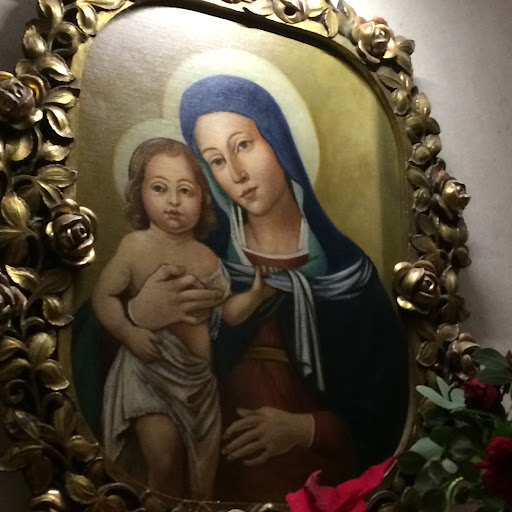
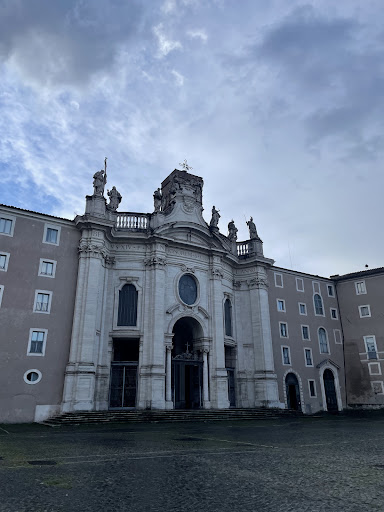
The Basilica of the Holy Cross in Jerusalem or Basilica di Santa Croce in Gerusalemme is a Catholic Minor basilica and titular church in rione Esquilino, Rome, Italy. It is one of the Seven Pilgrim Churches of Rome.
Cultural
Accessibility
attractions: National Museum of Musical Instruments, Museo Storico della Fanteria, Castrense Amphitheatre, Archaeological Area of Santa Croce in Gerusalemme, Giardini Viale Carlo Felice, Tomb of Eurysaces the Baker, Basilica di San Giovanni in Laterano, Pontificio Santuario della Scala Santa, Sepolcri repubblicani di Via Statilia, Accademia Italiana Roma, restaurants: Osteria La Sol Fa, Caffè Italia, De Santis Santa Croce, Bottega Trattoria De Santis, Il Ritrovo a San Giovanni, A QUO ROMA (ex Forno Ciabattini Roma), Al Grottino, Ninkasi Craft Beer House, La Pecora Pazza, Ristorante Mercato 8, local businesses: Mercatino Franchising Porta Maggiore, Mercatino Re di Roma franchising, Magic Escape Room Roma 3, Mercatino dell'usato Roma San Giovanni, Magic Escape Room Roma 2, Carpe Diem Tours, Dodici Pose, Lyrics Audio in Rome and Italy, Scala Santa, Gallery Center
 Learn more insights from Wanderboat AI.
Phone
+39 06 7061 3053
Website
santacroceroma.it
Open hoursSee all hours
Tue7:30 AM - 7 PMOpen
Plan your stay

Pet-friendly Hotels in Rome
Find a cozy hotel nearby and make it a full experience.

Affordable Hotels in Rome
Find a cozy hotel nearby and make it a full experience.

The Coolest Hotels You Haven't Heard Of (Yet)
Find a cozy hotel nearby and make it a full experience.

Trending Stays Worth the Hype in Rome
Find a cozy hotel nearby and make it a full experience.
Reviews
Live events
LUNA: A Journey to the Moon – un’esperienza immersiva in realtà virtuale a Roma
Wed, Feb 25 • 4:00 PM
Via Trionfale, 7400, Roma, 00136
View details
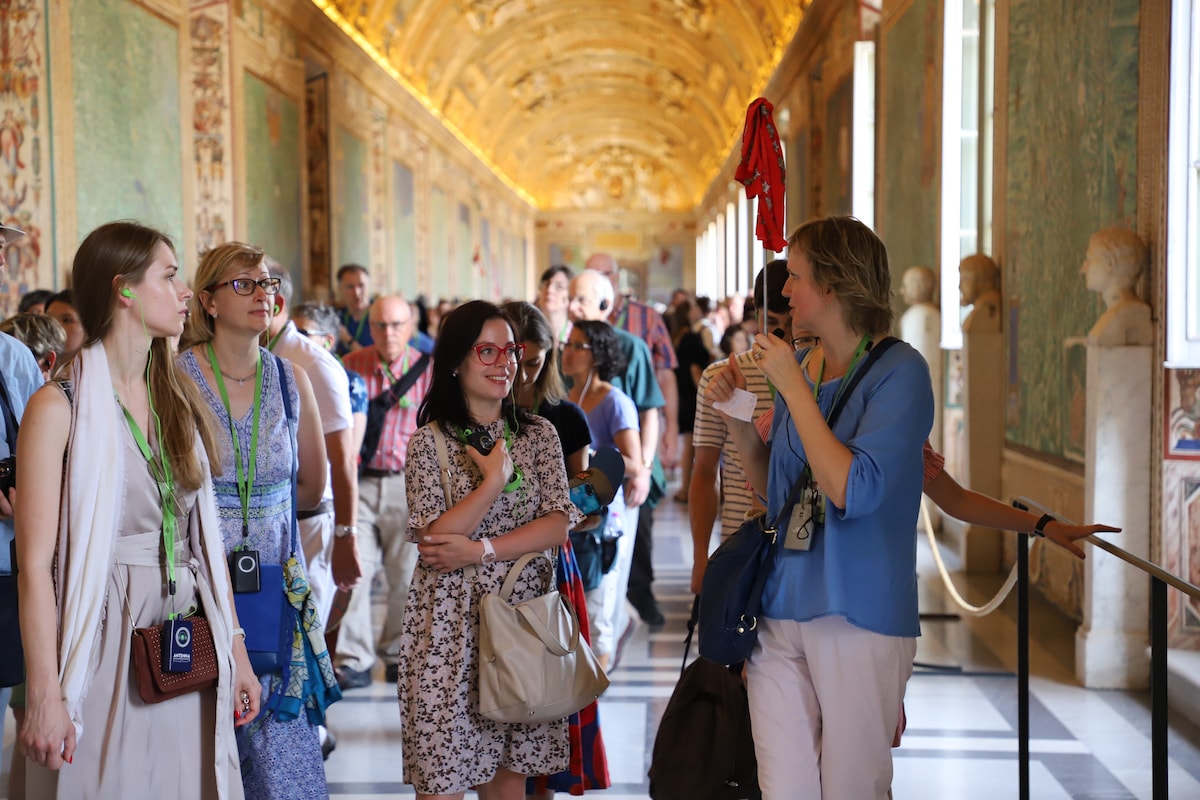
Vatican & St Peters Basilica: unlock the wonders
Tue, Feb 24 • 9:00 AM
00192, Rome, Lazio, Italy
View details

Make Pasta & Tiramisù with Wine and Limoncello
Tue, Feb 24 • 7:30 PM
00186, Rome, Lazio, Italy
View details
Nearby attractions of Basilica of the Holy Cross in Jerusalem
National Museum of Musical Instruments
Museo Storico della Fanteria
Castrense Amphitheatre
Archaeological Area of Santa Croce in Gerusalemme
Giardini Viale Carlo Felice
Tomb of Eurysaces the Baker
Basilica di San Giovanni in Laterano
Pontificio Santuario della Scala Santa
Sepolcri repubblicani di Via Statilia
Accademia Italiana Roma
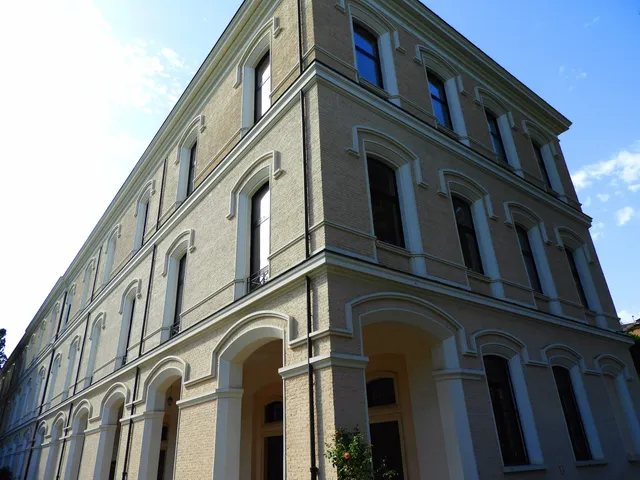
National Museum of Musical Instruments
4.5
(361)
Open until 12:00 AM
Click for details

Museo Storico della Fanteria
3.4
(431)
Open until 12:30 PM
Click for details
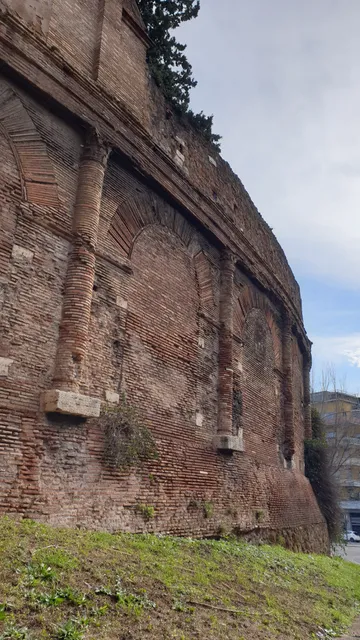
Castrense Amphitheatre
4.4
(56)
Open until 12:45 PM
Click for details
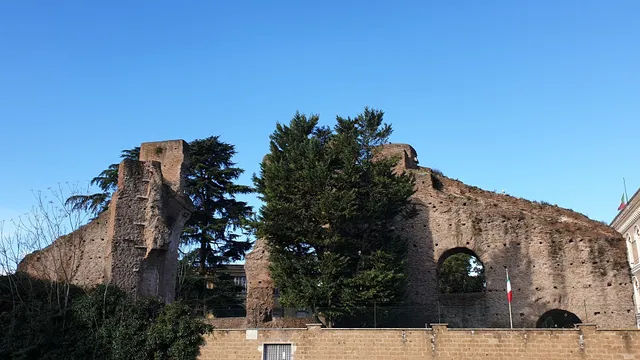
Archaeological Area of Santa Croce in Gerusalemme
4.6
(20)
Open until 12:00 AM
Click for details
Nearby restaurants of Basilica of the Holy Cross in Jerusalem
Osteria La Sol Fa
Caffè Italia
De Santis Santa Croce
Bottega Trattoria De Santis
Il Ritrovo a San Giovanni
A QUO ROMA (ex Forno Ciabattini Roma)
Al Grottino
Ninkasi Craft Beer House
La Pecora Pazza
Ristorante Mercato 8
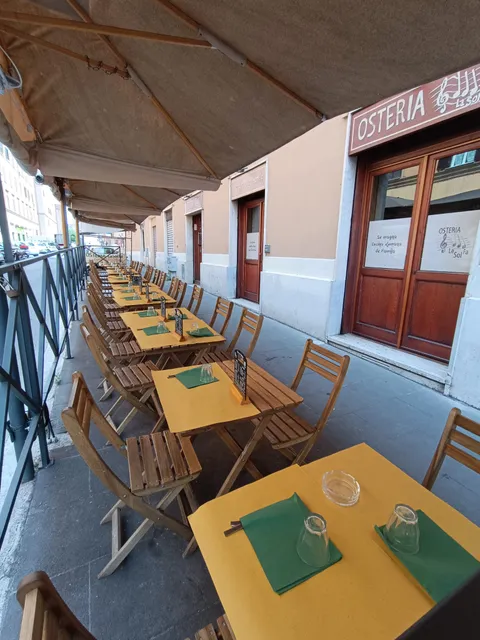
Osteria La Sol Fa
4.7
(1.4K)
Closed
Click for details
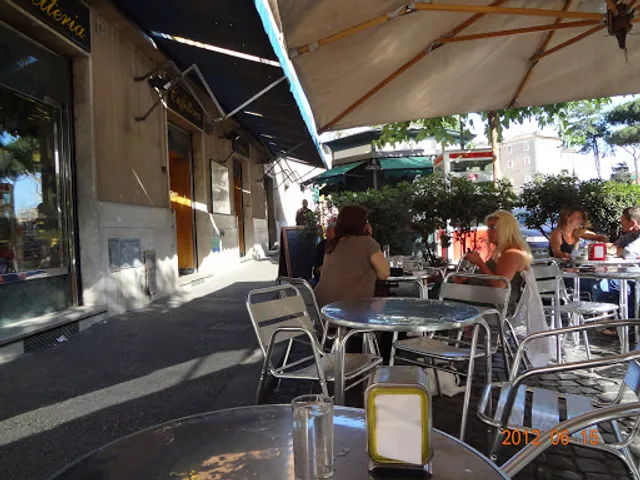
Caffè Italia
4.3
(731)
Open until 12:00 AM
Click for details
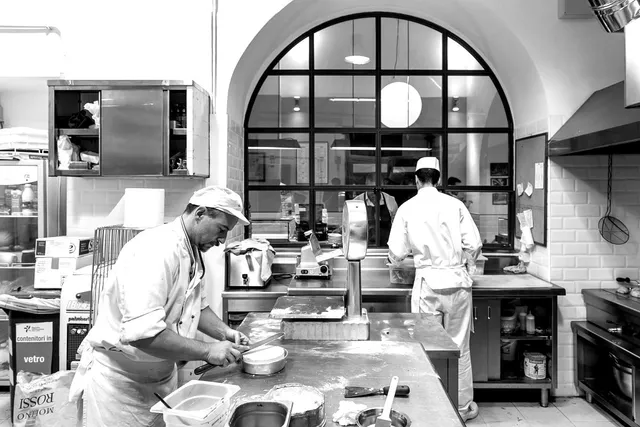
De Santis Santa Croce
4.3
(772)
$$
Open until 10:00 PM
Click for details
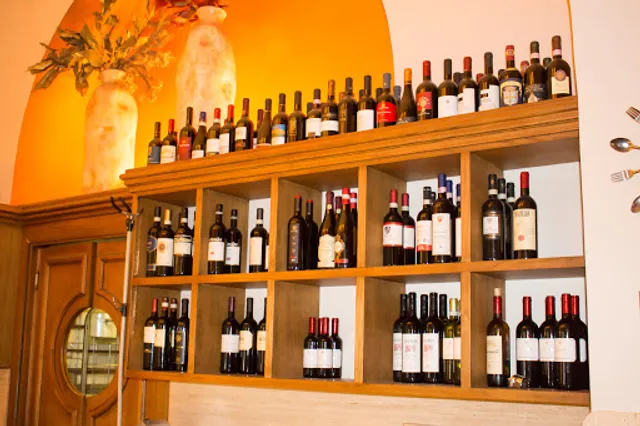
Bottega Trattoria De Santis
4.5
(553)
Closed
Click for details
Nearby local services of Basilica of the Holy Cross in Jerusalem
Mercatino Franchising Porta Maggiore
Mercatino Re di Roma franchising
Magic Escape Room Roma 3
Mercatino dell'usato Roma San Giovanni
Magic Escape Room Roma 2
Carpe Diem Tours
Dodici Pose
Lyrics Audio in Rome and Italy
Scala Santa
Gallery Center
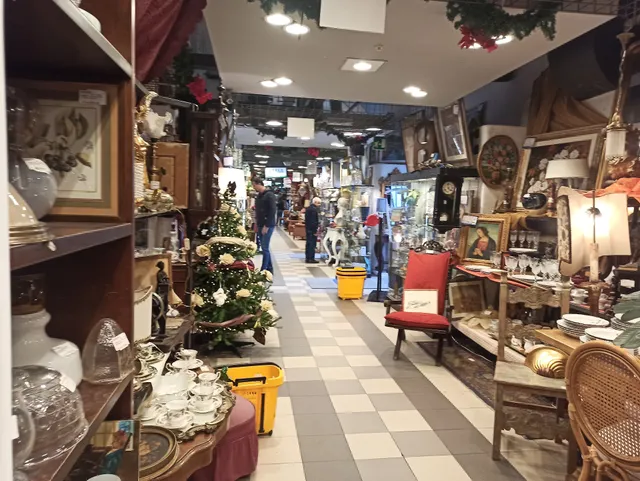
Mercatino Franchising Porta Maggiore
4.1
(1.5K)
Click for details
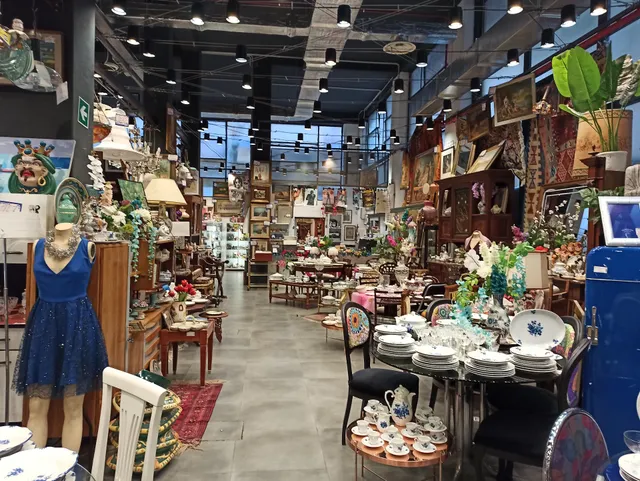
Mercatino Re di Roma franchising
4.3
(235)
Click for details
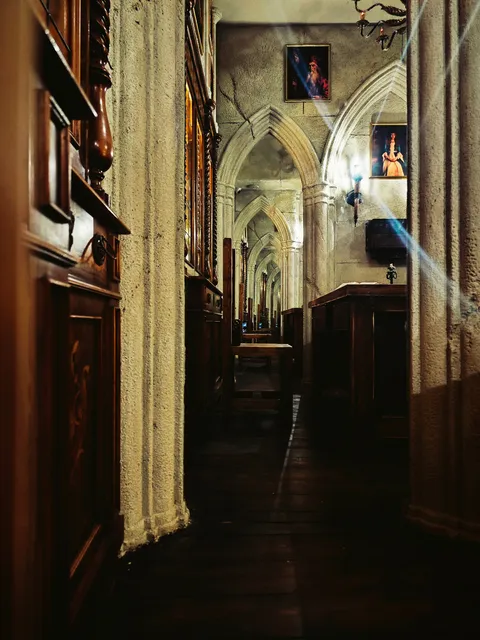
Magic Escape Room Roma 3
5.0
(751)
Click for details
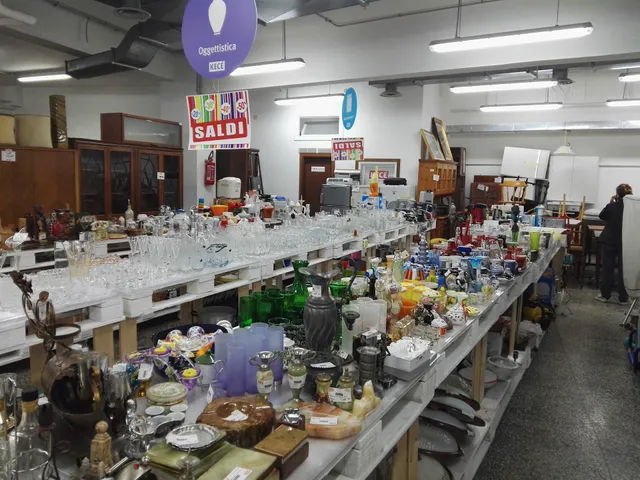
Mercatino dell'usato Roma San Giovanni
4.7
(457)
Click for details


The hit list



Plan your trip with Wanderboat
Welcome to Wanderboat AI, your AI search for local Eats and Fun, designed to help you explore your city and the world with ease.
Powered by Wanderboat AI trip planner.