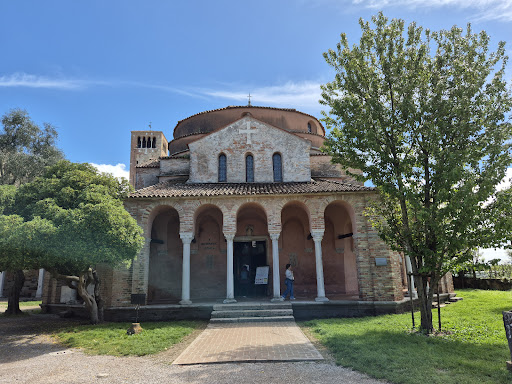
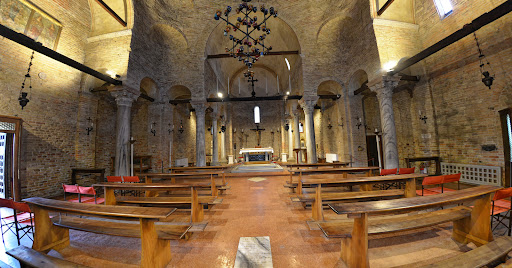
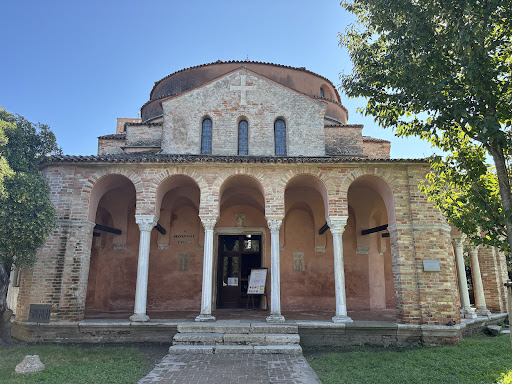
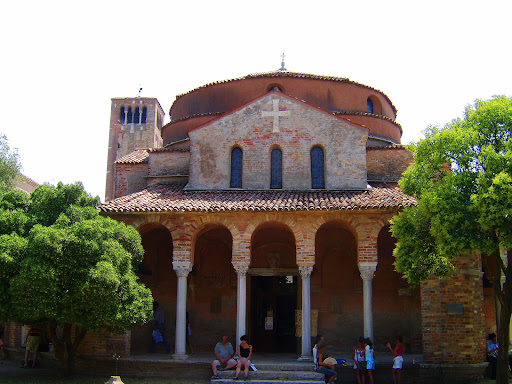
Church of Santa Fosca things to do, attractions, restaurants, events info and trip planning
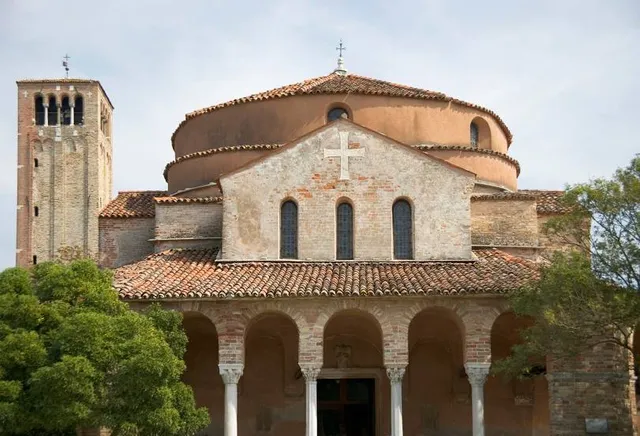
Basic Info
Church of Santa Fosca
Fondamenta dei Borgognoni, 24, 30142 Venezia VE, Italy
4.4(95)
Open until 5:30 PM
Save
spot
spot
Ratings & Description
Info
Cultural
Scenic
Accessibility
attractions: Torcello Cathedral, Museo Provinciale di Torcello, Casa Museo Andrich, restaurants: Ristorante Villa ‘600, Osteria Al Ponte del Diavolo, Taverna Tipica Veneziana, Al Trono di Attila, local businesses: Torcello
 Learn more insights from Wanderboat AI.
Phone
+39 041 730119
Open hoursSee all hours
Tue10:30 AM - 5:30 PMOpen
Plan your stay

Pet-friendly Hotels in Venice
Find a cozy hotel nearby and make it a full experience.

Affordable Hotels in Venice
Find a cozy hotel nearby and make it a full experience.

The Coolest Hotels You Haven't Heard Of (Yet)
Find a cozy hotel nearby and make it a full experience.

Trending Stays Worth the Hype in Venice
Find a cozy hotel nearby and make it a full experience.
Reviews
Live events

OGNI MERCOLEDI ANDA VENICE HOSTEL - FREE ENTRY
Wed, Feb 18 • 9:00 PM
10 Via Ortigara 30171 Mestre
View details
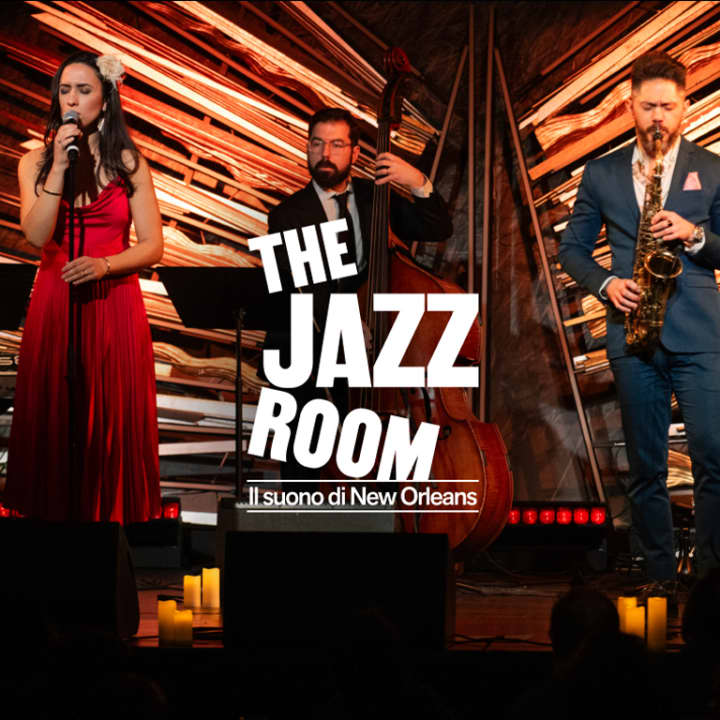
The Jazz Room: un viaggio nel cuore di New Orleans
Sun, Feb 22 • 6:30 PM
Fondamenta Cannaregio, 969, Venezia, 30121
View details

Candlelight: Ennio Morricone e altre colonne sonore
Sat, Feb 21 • 7:00 PM
San Polo, 2454, Venezia, 30125
View details
Nearby attractions of Church of Santa Fosca
Torcello Cathedral
Museo Provinciale di Torcello
Casa Museo Andrich
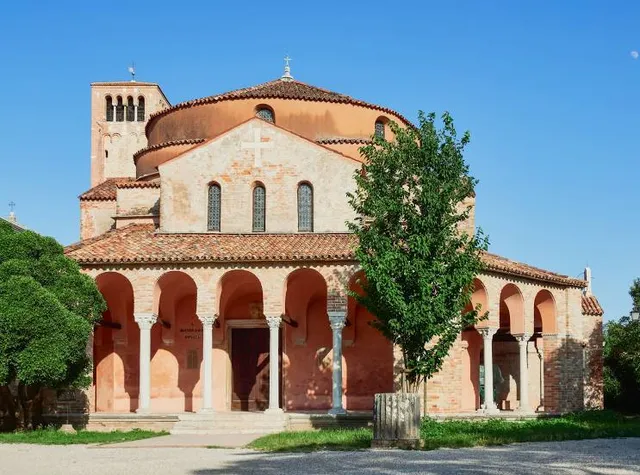
Torcello Cathedral
4.4
(1.6K)
Closed
Click for details
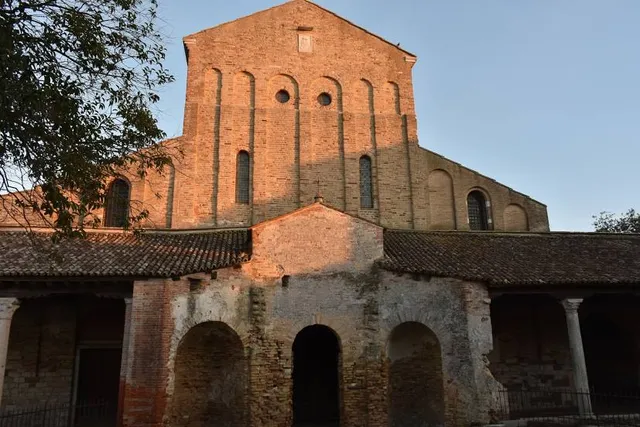
Museo Provinciale di Torcello
4.1
(67)
Closed
Click for details
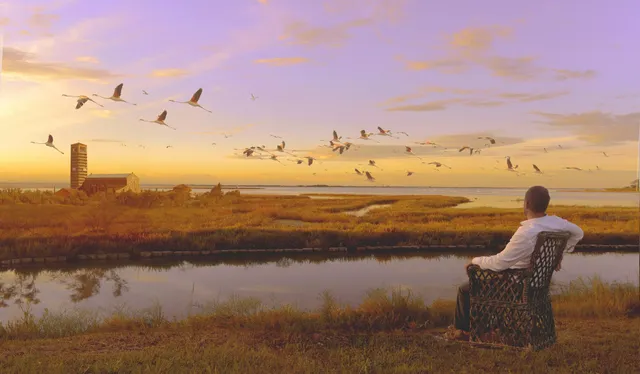
Casa Museo Andrich
4.7
(36)
Open 24 hours
Click for details
Nearby restaurants of Church of Santa Fosca
Ristorante Villa ‘600
Osteria Al Ponte del Diavolo
Taverna Tipica Veneziana
Al Trono di Attila
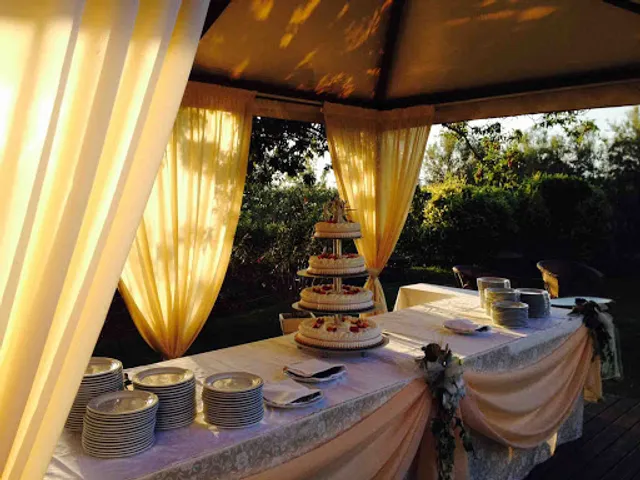
Ristorante Villa ‘600
4.5
(244)
$$
Closed
Click for details
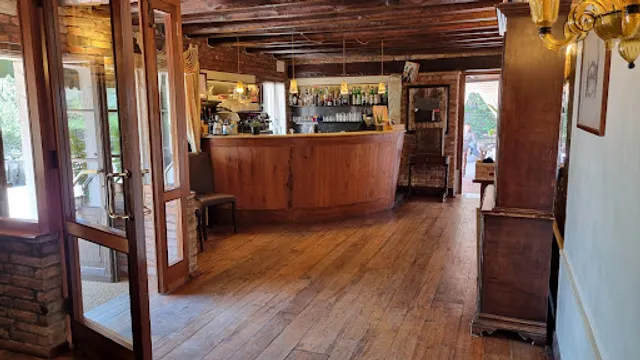
Osteria Al Ponte del Diavolo
4.7
(332)
$$
Click for details
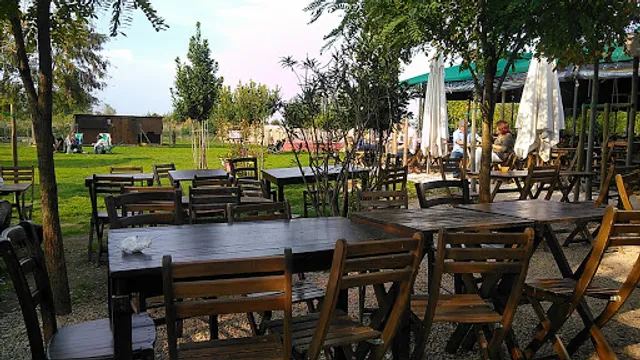
Taverna Tipica Veneziana
4.2
(1.2K)
Open until 10:00 PM
Click for details
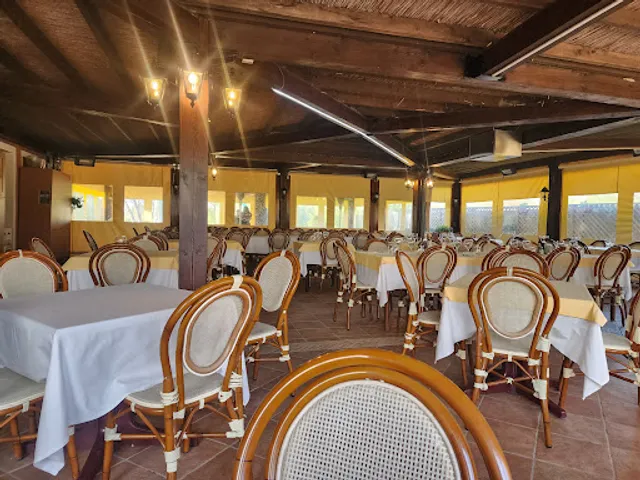
Al Trono di Attila
4.3
(460)
$$
Open until 7:00 PM
Click for details
Nearby local services of Church of Santa Fosca
Torcello
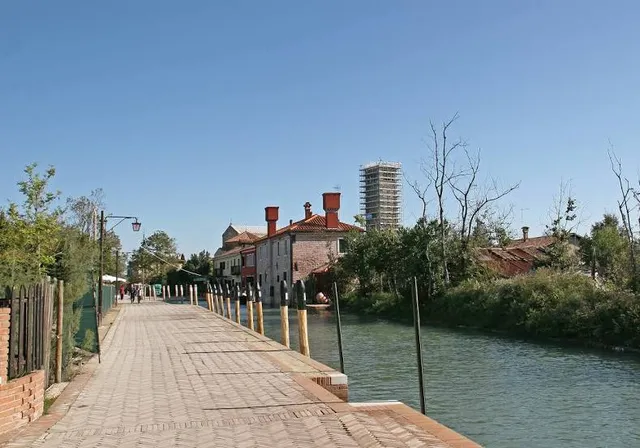
Torcello
4.4
(606)
Click for details