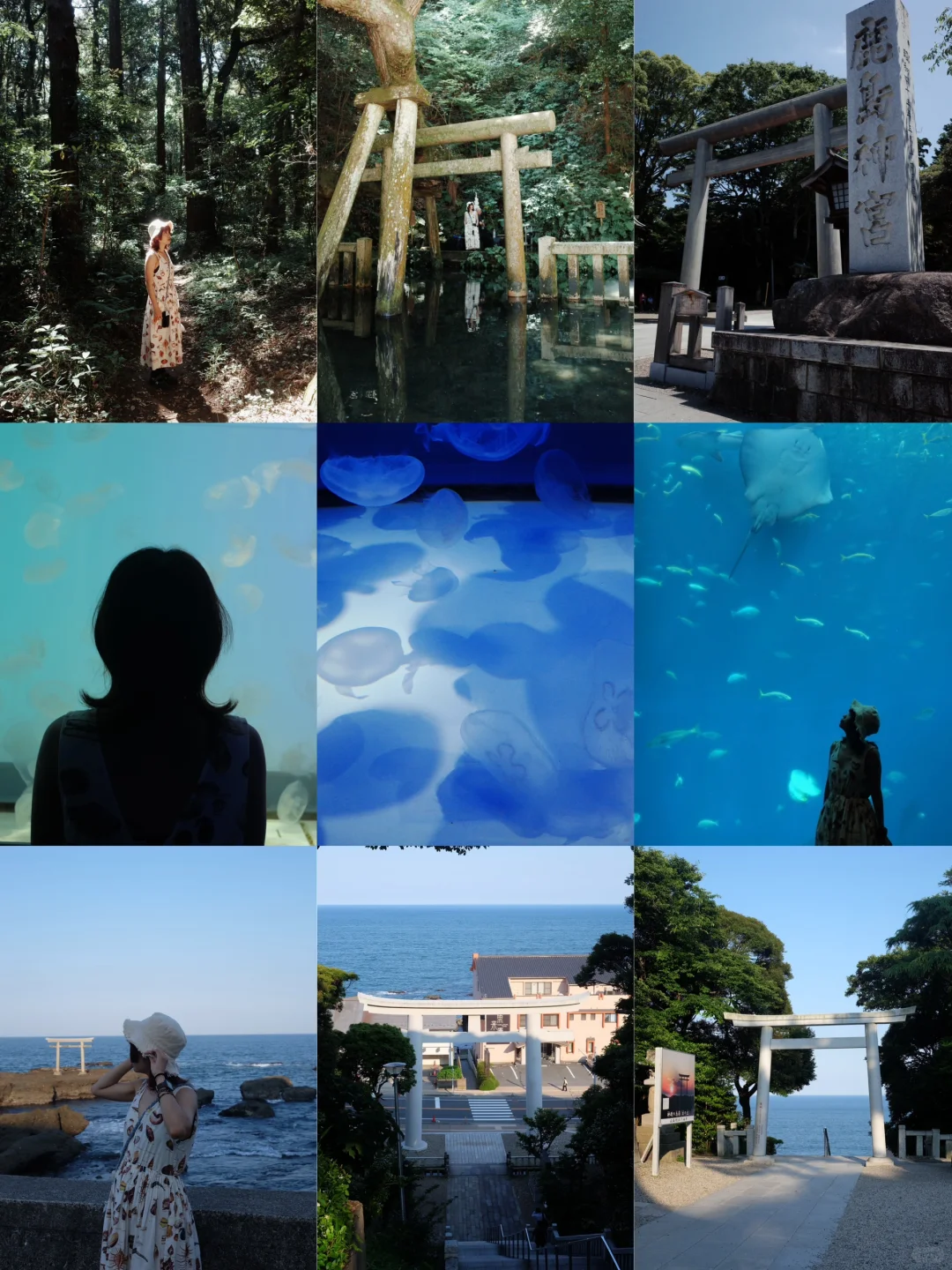
Kashima Jingu Shrine (鹿島神宮) is one of the oldest and most important Shinto shrines in Japan, located in Kashima City, in Ibaraki Prefecture. With a history spanning over 2,600 years, the shrine is dedicated to Takemikazuchi no Ōkami, the Shinto god of thunder, martial arts, and victory. Kashima Jingu has long been associated with Japan’s samurai culture and is renowned for its deep cultural, historical, and spiritual significance.
Historical Background
Founded in 660 BC, Kashima Jingu is believed to have been established to honor Takemikazuchi no Ōkami, a deity with deep connections to the foundation of Japan. According to legend, Takemikazuchi descended to Japan to help pacify the land, making Kashima Jingu a shrine of great importance in the mythology of Japan’s creation.
Throughout its history, the shrine has been closely linked to Japan’s martial tradition. It served as a spiritual center for the samurai, who would come to pray for strength and success in battle. Even today, many visitors, especially practitioners of martial arts, visit Kashima Jingu to seek blessings of courage and protection.
Architecture and Layout
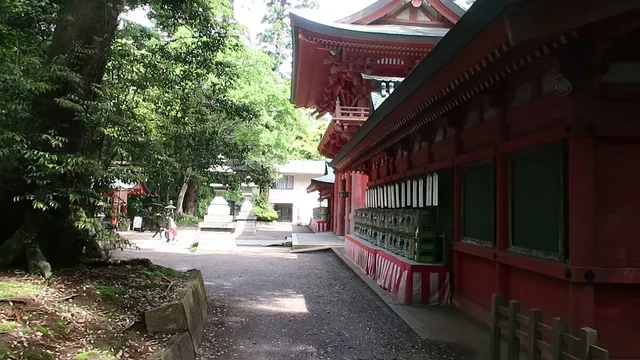
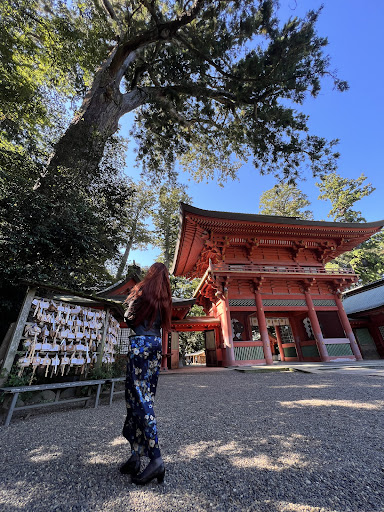
• Main Hall (Honden): The shrine’s main hall, or Honden, is a beautiful example of traditional Shinto architecture, blending elegance and simplicity. Reconstructed in the Edo period, the Honden is a designated Important Cultural Property of Japan. The shrine’s buildings, including the towering Torii gate, showcase the architectural grandeur of ancient Japan. • Romon Gate: One of the shrine’s most striking features is its Romon Gate, a two-story gate with a vibrant red exterior. Built in 1634 under the order of the Tokugawa Shogunate, the gate is another example of the shrine’s historical significance and is also designated an Important Cultural Property.
Sacred Deer and the “Futsunomitama-no-Tsurugi” Sword
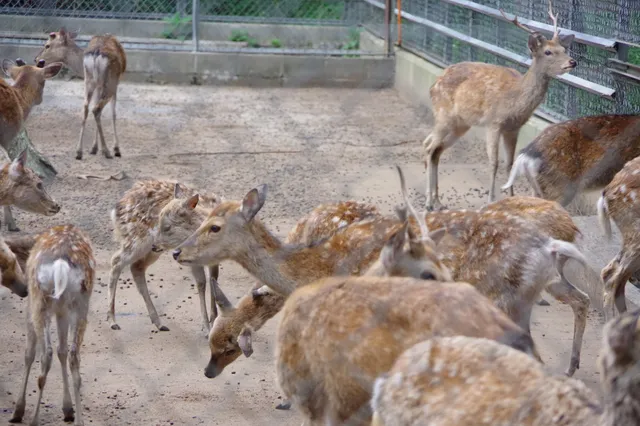
Kashima Jingu is home to sacred deer, which are believed to be messengers of the gods. These deer freely roam the shrine grounds, similar to the sacred deer at Nara Park. Visitors often interact with and feed these gentle animals as part of their shrine experience.
The shrine also holds a replica of the legendary sword Futsunomitama-no-Tsurugi, which, according to mythology, was wielded by Takemikazuchi to pacify the land. The original sword is a revered object in Japanese history, further emphasizing the martial connection of the shrine.
Spiritual Significance
As one of the most powerful deities in Shinto, Takemikazuchi no Ōkami represents strength, martial prowess, and protection. Kashima Jingu is visited by people seeking blessings for victory, safety in competitions, and success in their endeavors. Practitioners of martial arts often come to the shrine to pray for skill and strength, making it a popular pilgrimage site for athletes and martial artists.
Nature and Surroundings
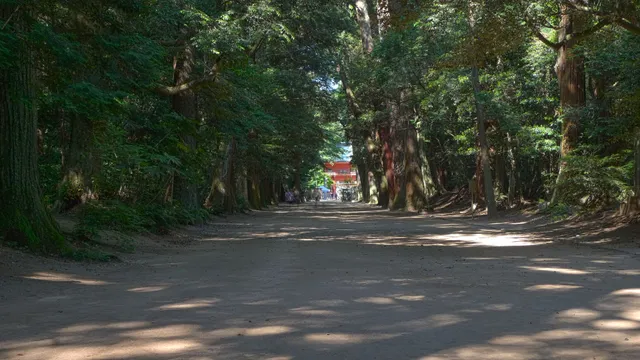
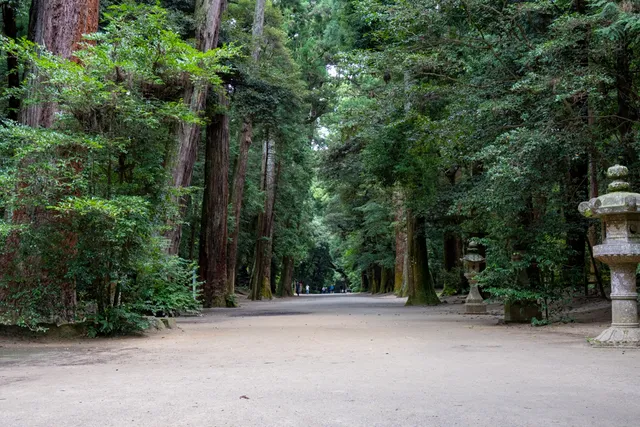
The shrine is nestled in a large forest area, which has been preserved for centuries. Known as the Kashima Jingu Sacred Forest, this ancient woodland is considered a spiritual place, offering a peaceful retreat for meditation and reflection. Visitors can stroll along scenic paths lined with towering cedar trees, creating a calming atmosphere that contrasts with the hustle of modern life.
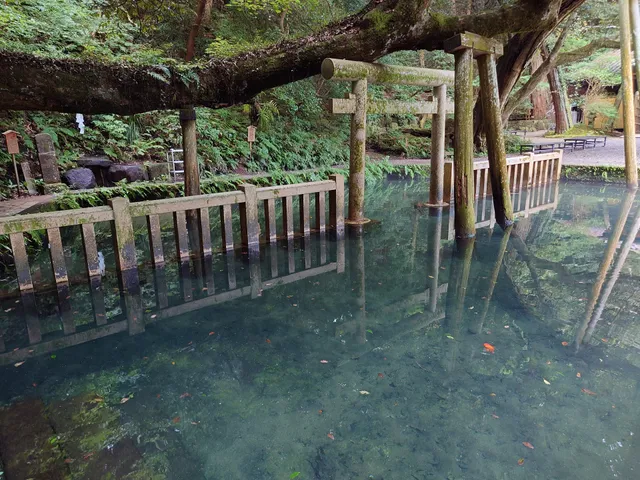
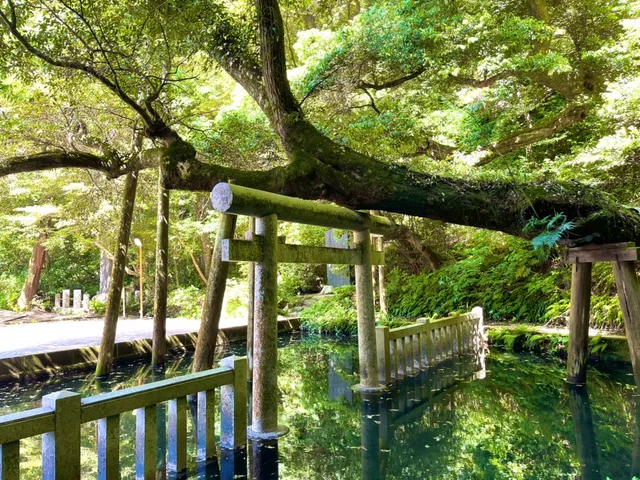
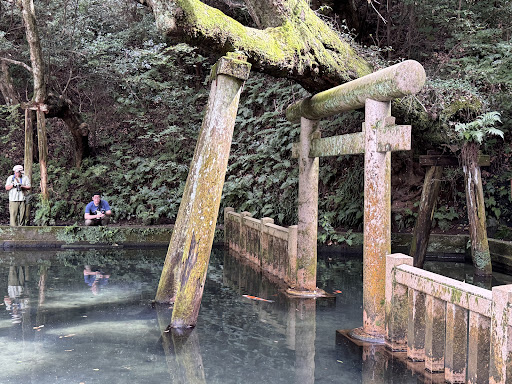
The shrine grounds also feature a beautiful pond called Mitarashi Pond, where visitors can purify themselves before entering the sacred areas. According to local lore, the pond’s water is believed to remain at the same level year-round, regardless of the...
Read more【東国三社のひとつ。東京ドーム15個分の自然豊かな境内で参拝をしてパワーを頂く】 ・茨城県鹿嶋市。江戸時代にお伊勢参りに次いで広く親しまれた東国三社の一つである「鹿島神宮」さま。 ・東国三社とは、「鹿島神宮」さま「香取神宮」さま「息栖神社」さま、のことを刺します。 □□□神社の情報□□□□□□ □ご祭神:武甕槌大神(たけみかづちのおおかみ) □創 建:神武天皇元年(紀元前660年)と伝えられている □ご利益:勝負事に後利益あり(ご祭神は、武の神として古くから崇敬を受けてこられた) □□□□□□□□□□□□□□
・公式の駐車場は4種類あるようですが、お薦めは「鹿島神宮 参拝者第一駐車場」です。 □□□周辺の駐車場情報□□□ (24年08月時点) □①鹿島神宮 参拝者第一駐車場 60台:普通車(300円) 中型車(500円) 大型車(700円) □②鹿島神宮 参拝者第二駐車場 55台:無料 (※土日祝日、繁忙期は有料になることもあるそうです) □③鹿嶋市宮中地区駐車場 150台:平日(無料)/土日祝 普通車(500円) 中型車(700円) 大型車(1,000円) バイク(200円) □④御手洗池駐車場:無料 (※正月、祭礼時のみ有料) □□□□□□□□□□□□□□
■■■口コミ要約■■■■■■ ◆東京ドーム15個分の自然豊かな境内 ◆厳かな雰囲気の中でエネルギーを頂けるパワースポット ◆澄み渡った御手洗池を眺めながら茶屋の甘味を頂ける ■■■■■■■■■■■■■■
・境内は、東京ドーム15個分もあるようです。確かに、真夏に大鳥居をくぐってから御手洗池まで歩くと、かなり疲れました💦ただ、そびえたつ自然(木々)が荘厳たる雰囲気を創り出しており、パワースポットたる凄みや清々しさを感じれて、身体的には疲れますが、心は洗われます。 ・自然溢れる境内ゆえに、夏~秋は蜂(特にスズメバチ)が現れるようなので、刺激しないように注意しながら歩くことは必須です。
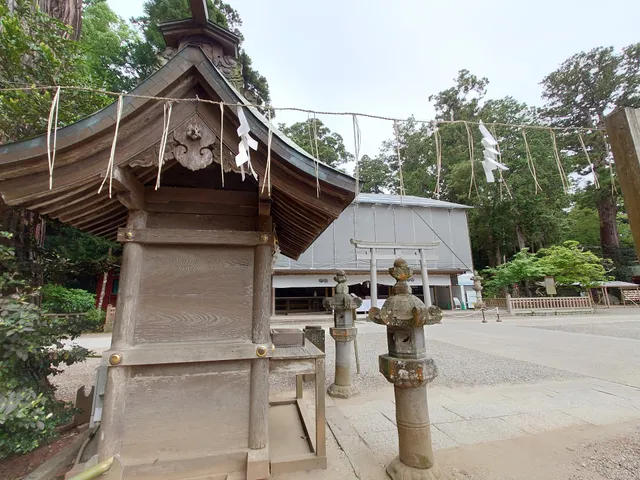
・まずは一番近い本殿で拝み、次に奥参道を歩いて鹿園にて鹿を観て、奥宮にて改めて拝みます。 ・奥宮は、もともと本殿の位置にあったものを新たな社殿を建てるにあたり遷してきたもののようです。
・奥宮で参拝した後は、坂を下って御手洗池へ。 ・こちらは1日に40万リットル以上の湧水があり、水底が綺麗に見渡せる池になっています。そこでは鯉や小魚、ザリガニが優雅に泳いでおり、子供達も大はしゃぎしていました。 ・奥側にある湧水は持帰ることもできます。が、その場でそのまま飲むことは避けた方が良いようで、立て看板に「煮沸してから飲用ください」という趣旨の記述があります。ので、予め空のボトルを用意して訪問されることをお勧めします。
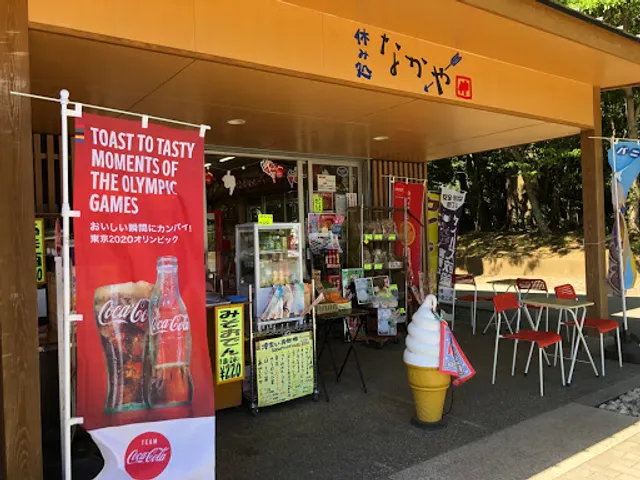
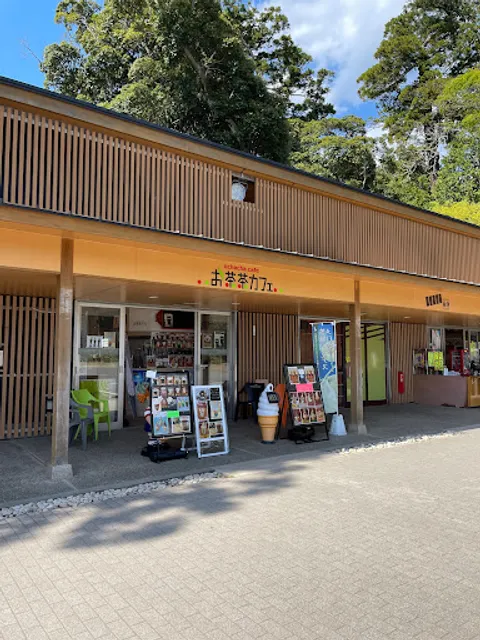
・また、この御手洗池の横にある茶屋さん「湧水茶屋一休 ひとやすみ」さんは、この湧水を利用したお蕎麦や甘味、ドリンクを提供されており、単なる観光地茶屋さんとは一線を画す美味しいかき氷を頂くことができました。 ・澄み渡った御手洗池を眺めながら、こちらの茶屋で購入されたお食事や甘味を頂くことをお勧めします。
・自然豊かで厳かな雰囲気の中で日ごろの感謝を伝えると、逆にたくさんのエネルギーを頂けたような気がします。そんなパワースポットでもある「鹿島神宮」さん。茨城県に訪問された際には、東国三社の一つとして巡ってみてはいかがでしょうか。ありがとうございました。
#茨城スポット #観光スポット #神社 #仏閣 #鹿島神宮 #茨城神社 #東国三社 #パワースポット #御手洗池 #湧水 #自然 #IbarakiSpots #TouristSpots #Shrines #Temples #KashimaShrine #IbarakiShrine #ThreeEasternShrines #PowerSpots #MitaraiPond...
Read moreIt's okay but I wouldn't go out if the way to visit. I found it unusual for the shrine to have a big Japanese flag at the main toori gate and a rock with the flag on it, too. It felt very nationalistic and odd for me.
Nearby the flag stone the deer pen is located. You can buy food to feed them. Even in April the scent of deer and deer droppings was a bit unpleasant.
The body of water and toori at the end of the shrine was interesting. The whole place is a power spot and you'll leave feeling...
Read more