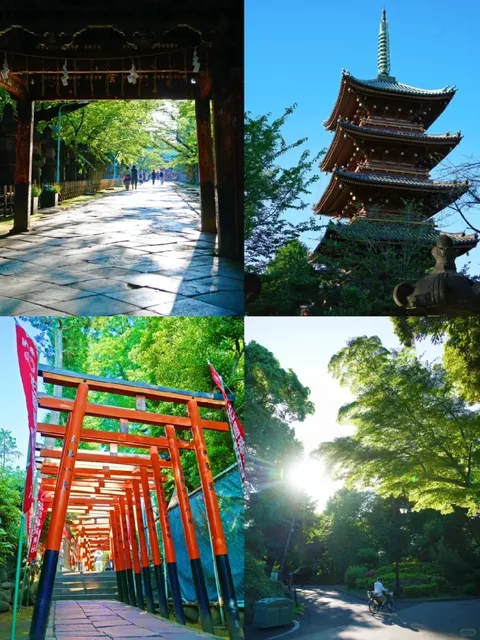
Kawasaki Daishi things to do, attractions, restaurants, events info and trip planning
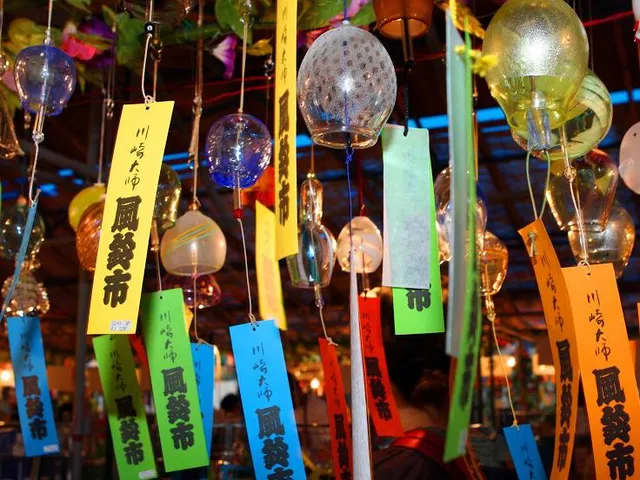
Basic Info
Kawasaki Daishi
4-48 Daishimachi, Kawasaki Ward, Kawasaki, Kanagawa 210-8521, Japan
4.3(5.3K)
Open until 6:00 PM
Save
spot
spot
Ratings & Description
Info
Kawasaki Daishi is the popular name of Heiken-ji, a Buddhist temple in Kawasaki, Japan. Founded in 1128, it is the headquarters of the Chizan sect of Shingon Buddhism. Kawasaki Daishi is a popular temple for hatsumōde.
Cultural
Accessibility
attractions: Kawasaki-Daishi Nakamise Shopping Street, Kawasaki Daishi Omote-Sando Street, Daishi Park, Kanayama Jinja Shrine, Shinshuen Garden, Wakamiya Hachimangu, Trampoline Park ALCJUMP Kawasaki, 大師河原水防センター(大師河原干潟館), restaurants: 川崎大師 つぼ焼き芋 甘い和, Sumiyoshiya, カシュ−カシュ, Ramen Shop - Daishi, Katsuharu, 料亭 恵の本, Ganso New Tantan-men Hompo - Kawasaki Daishi, 小さな奇跡の店 川崎大師松山, Takenoya, Tea Room Jyoua, local businesses: Dai-Hondo (Main Hall), Daisanmon Gate, Octagonal Five-Storied Pagoda, Followers Hall, Yakushi Hall, Fudodo, Shozuka no Baasan, Fudo Gate, Kawasakidaishiheikenji Parking Lot, Tablet Return
 Learn more insights from Wanderboat AI.
Phone
+81 44-266-3420
Website
kawasakidaishi.com
Open hoursSee all hours
Mon5:30 AM - 6 PMOpen
Plan your stay

Pet-friendly Hotels in Kawasaki
Find a cozy hotel nearby and make it a full experience.

Affordable Hotels in Kawasaki
Find a cozy hotel nearby and make it a full experience.

The Coolest Hotels You Haven't Heard Of (Yet)
Find a cozy hotel nearby and make it a full experience.

Trending Stays Worth the Hype in Kawasaki
Find a cozy hotel nearby and make it a full experience.
Reviews
Live events
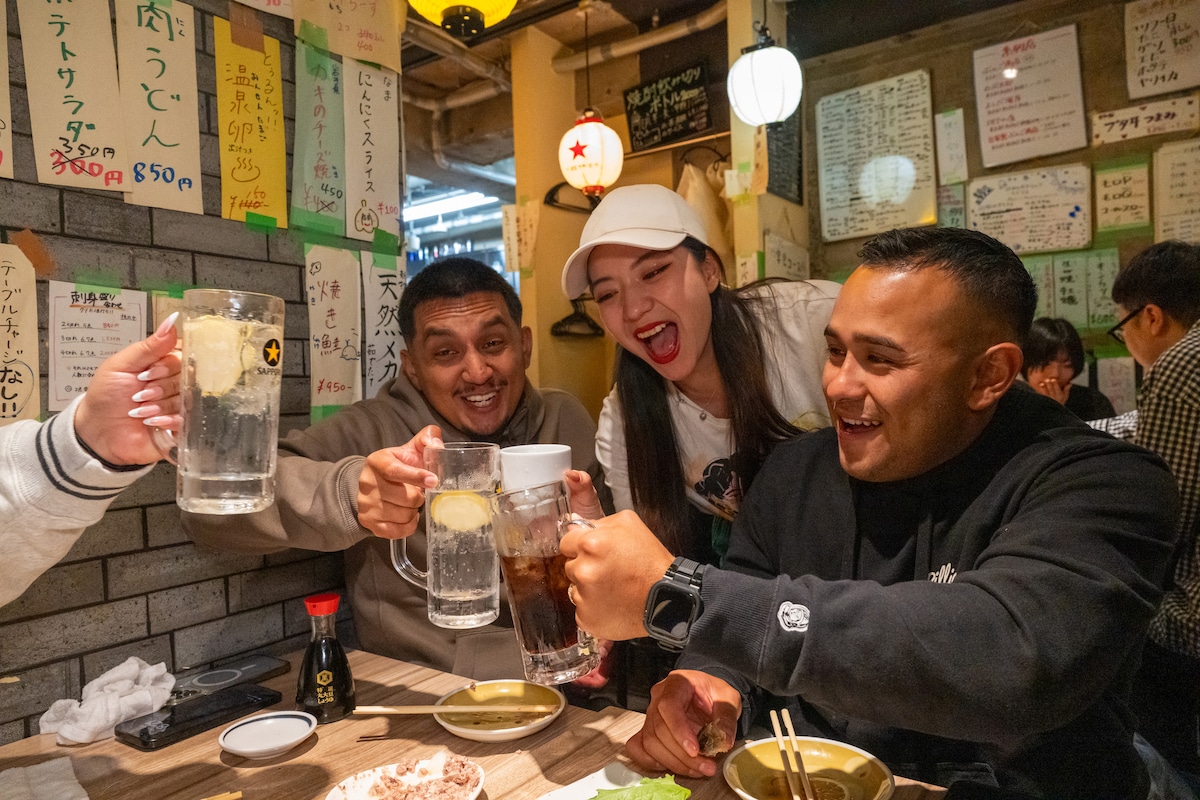
Unlimited Local Night《ALL-Y-Can-DRINK》Shinjuku Gem
Mon, Feb 9 • 7:15 PM
160-0022, Tokyo Prefecture, Shinjuku City, Japan
View details

TYFFONIUM 新宿:タロットVR アルカナ・ジャーニー
Mon, Feb 9 • 12:10 PM
東京都新宿区西新宿2-2-1 京王プラザホテル 南館2F (2-chōme-2-1 Nishishinjuku, Shinjuku City), 160-8330
View details
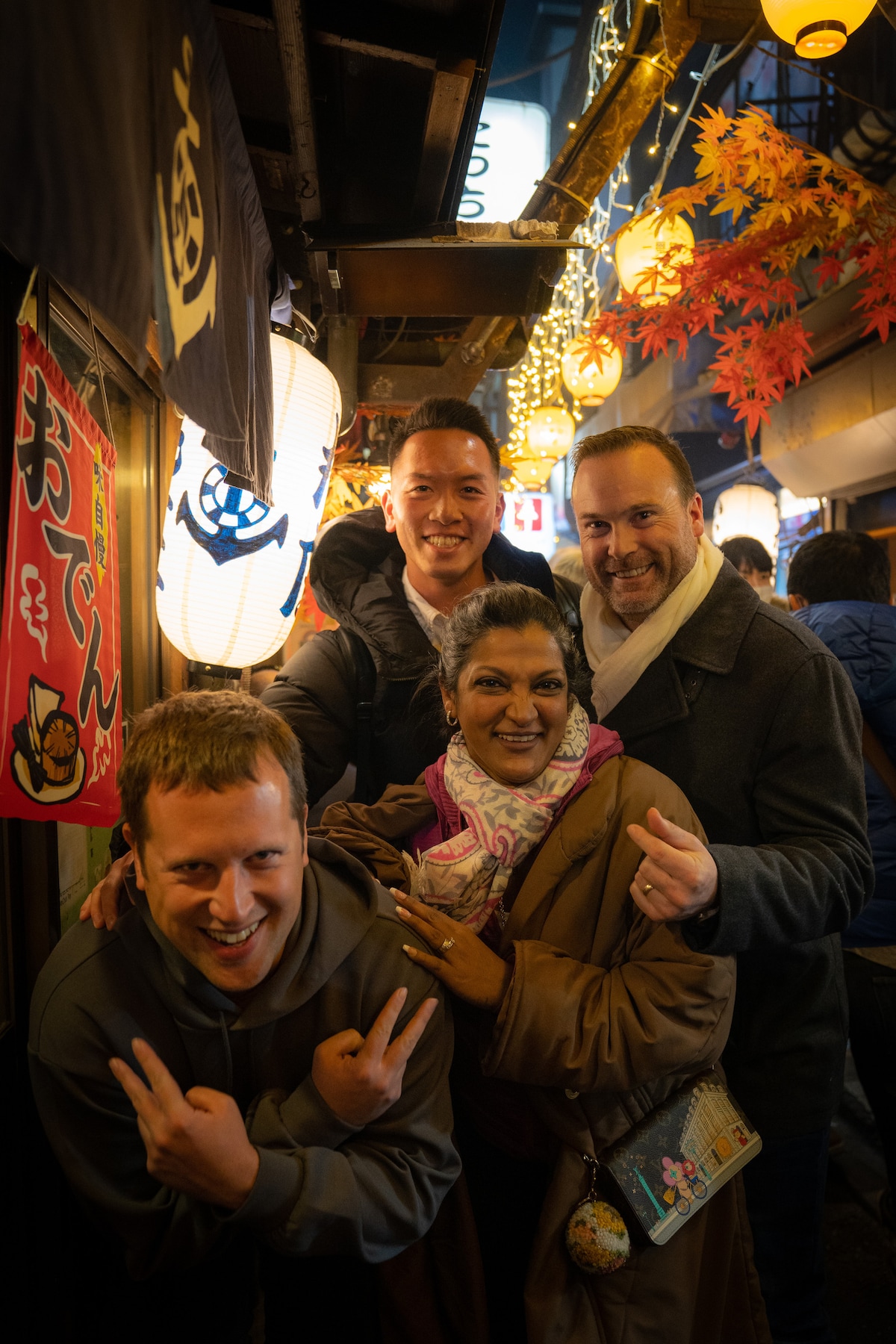
Tokyo: Shinjuku Local Bar and Izakaya Crawl
Mon, Feb 9 • 6:00 PM
160-0023, Tokyo Prefecture, Shinjuku City, Japan
View details
Nearby attractions of Kawasaki Daishi
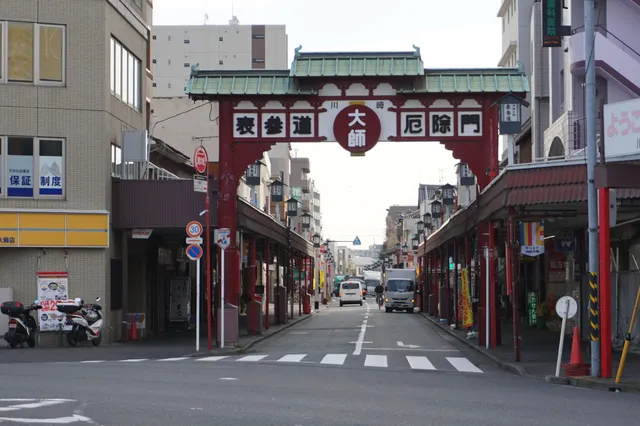
Kawasaki-Daishi Nakamise Shopping Street
Kawasaki Daishi Omote-Sando Street
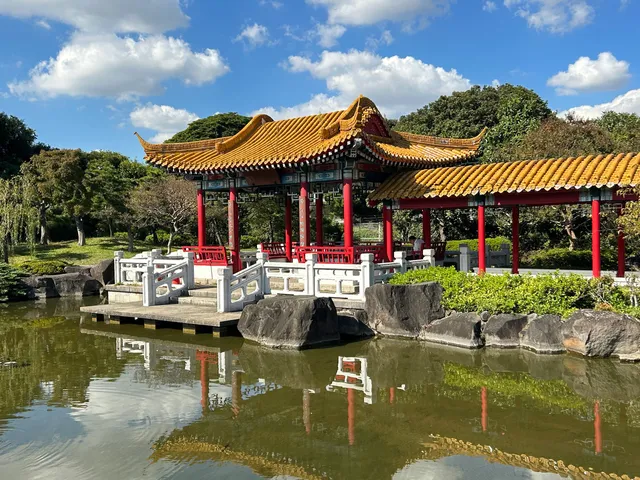
Daishi Park
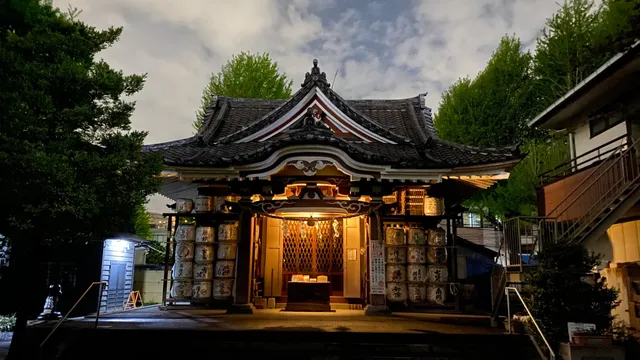
Kanayama Jinja Shrine
Shinshuen Garden
Wakamiya Hachimangu
Trampoline Park ALCJUMP Kawasaki
大師河原水防センター(大師河原干潟館)
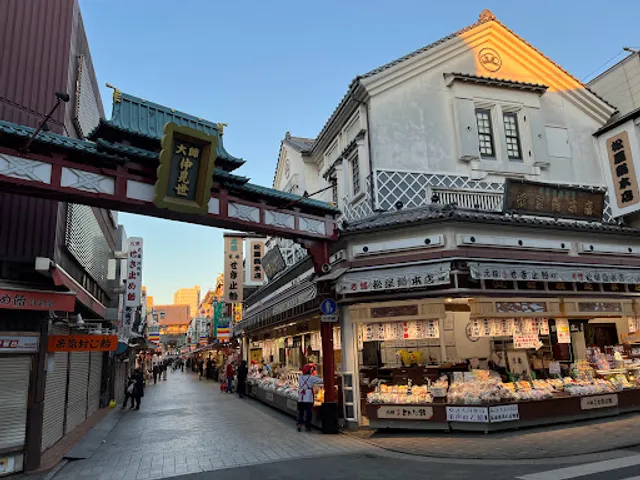
Kawasaki-Daishi Nakamise Shopping Street
4.1
(113)
Open until 12:00 AM
Click for details
Kawasaki Daishi Omote-Sando Street
3.9
(20)
Open until 12:00 AM
Click for details
Daishi Park
4.0
(247)
Closed
Click for details
Kanayama Jinja Shrine
4.2
(312)
Open until 12:00 AM
Click for details
Nearby restaurants of Kawasaki Daishi
川崎大師 つぼ焼き芋 甘い和
Sumiyoshiya
カシュ−カシュ
Ramen Shop - Daishi
Katsuharu
料亭 恵の本
Ganso New Tantan-men Hompo - Kawasaki Daishi
小さな奇跡の店 川崎大師松山
Takenoya
Tea Room Jyoua
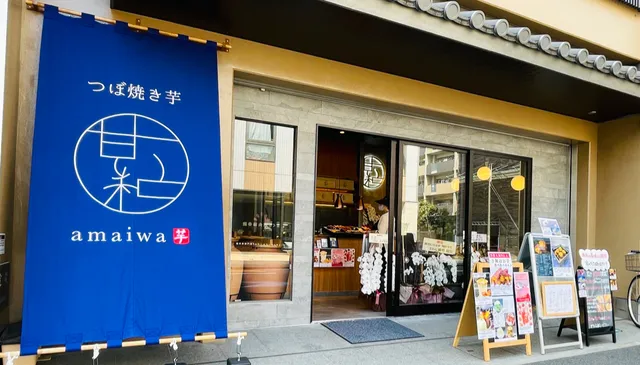
川崎大師 つぼ焼き芋 甘い和
4.6
(247)
Open until 5:00 PM
Click for details
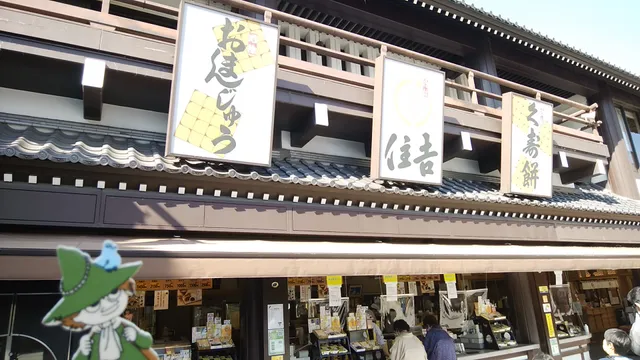
Sumiyoshiya
4.0
(104)
$$
Open until 6:00 PM
Click for details
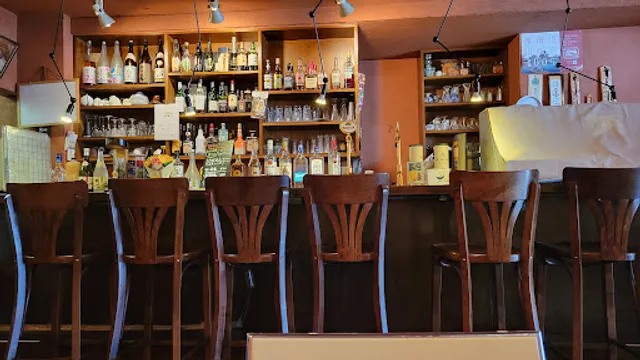
カシュ−カシュ
3.9
(64)
Open until 2:30 AM
Click for details
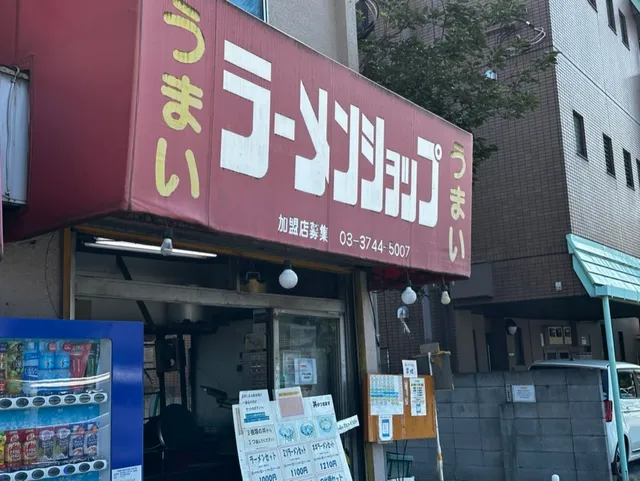
Ramen Shop - Daishi
3.7
(517)
Open until 2:30 PM
Click for details
Nearby local services of Kawasaki Daishi
Dai-Hondo (Main Hall)
Daisanmon Gate
Octagonal Five-Storied Pagoda
Followers Hall
Yakushi Hall
Fudodo
Shozuka no Baasan
Fudo Gate
Kawasakidaishiheikenji Parking Lot
Tablet Return
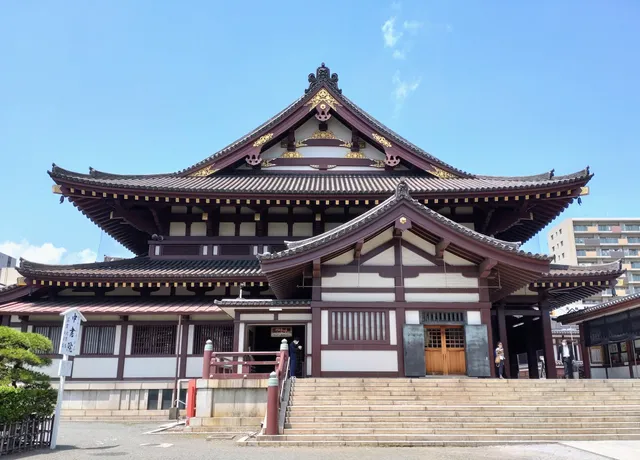
Dai-Hondo (Main Hall)
4.3
(146)
Click for details
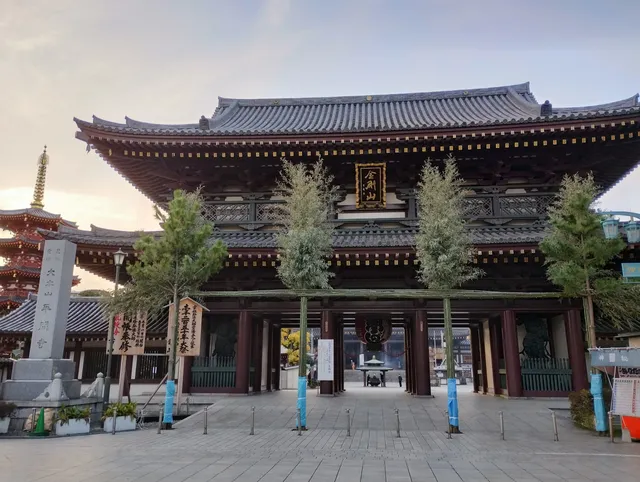
Daisanmon Gate
4.2
(95)
Click for details
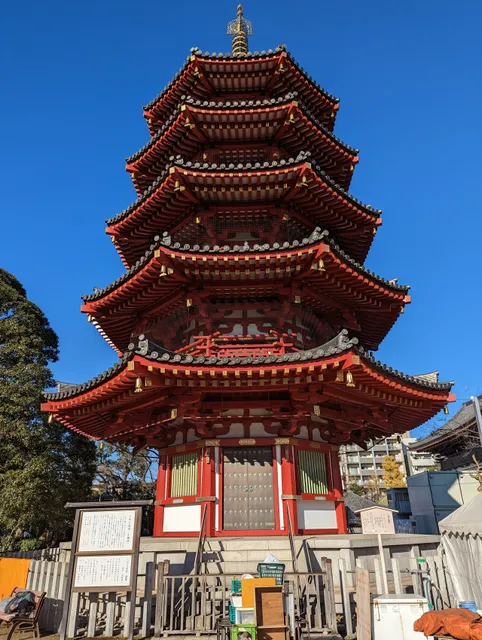
Octagonal Five-Storied Pagoda
4.1
(52)
Click for details
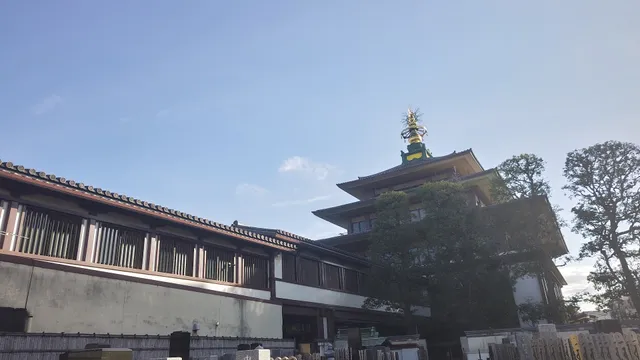
Followers Hall
4.2
(65)
Click for details