Kumeda-ji things to do, attractions, restaurants, events info and trip planning
Basic Info
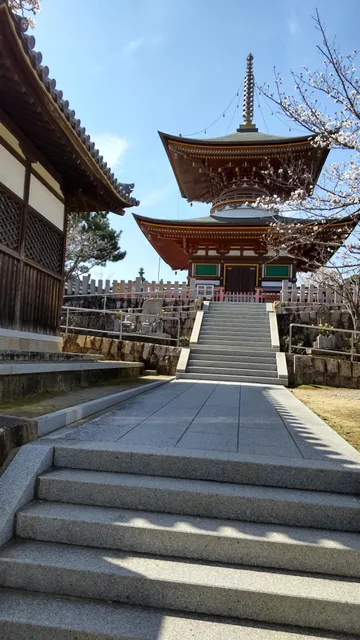
Kumeda-ji
934 Ikejiricho, Kishiwada, Osaka 596-0813, Japan
4.1(184)
Open 24 hours
Save
spot
spot
Ratings & Description
Info
Cultural
Scenic
Family friendly
attractions: Kumeda Park, restaurants: 茶房茶蔵, そ・これこれ豚肉屋, Ko Sushi, 焼肉 ひよし 岸和田, Ippo Kishiwada, 露石, Mitsuyoshi, Dotonkotsu Kounken Kishiwadaten, 石窯イタリア居酒屋チイナ邸 岸和田・和泉, Hyotan Sushi, local businesses: Yashirosun Shrine
 Learn more insights from Wanderboat AI.
Phone
+81 72-445-0392
Plan your stay

Pet-friendly Hotels in Kishiwada
Find a cozy hotel nearby and make it a full experience.

Affordable Hotels in Kishiwada
Find a cozy hotel nearby and make it a full experience.

The Coolest Hotels You Haven't Heard Of (Yet)
Find a cozy hotel nearby and make it a full experience.

Trending Stays Worth the Hype in Kishiwada
Find a cozy hotel nearby and make it a full experience.
Reviews
Live events

MIRRORGE OSAKA:Enchantry Aquatica (エンチャントリー・アクアティカ)
Wed, Feb 11 • 12:00 PM
グラングリーン大阪うめきた公園サウスパーク PLAT UMEKITA内 (Grand Green Osaka, Umekita Park South Park, PLAT UMEKITA, Osaka ), 530-0011
View details

Osaka mountain hike and trout fishing
Wed, Feb 11 • 8:45 AM
586-0015, Osaka, Kawachinagano, Japan
View details
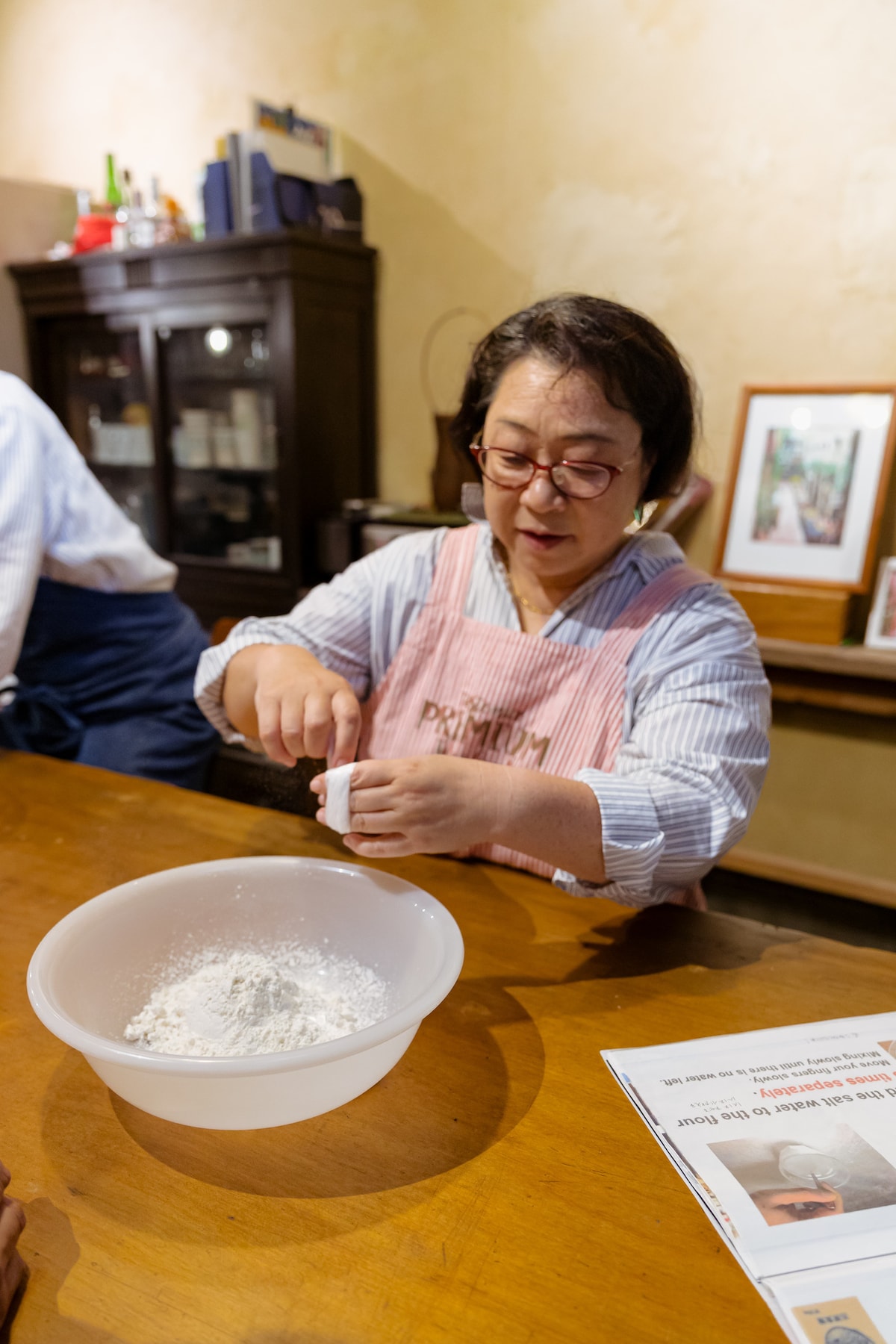
Make chewy udon and soup from scratch
Thu, Feb 12 • 10:00 AM
542-0062, Osaka, Osaka, Japan
View details
Nearby attractions of Kumeda-ji
Kumeda Park
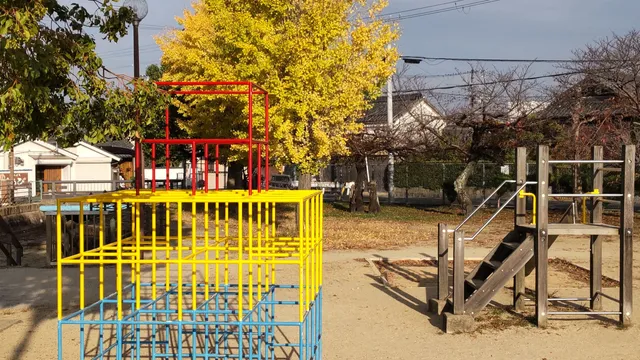
Kumeda Park
3.5
(8)
Open until 12:00 AM
Click for details
Nearby restaurants of Kumeda-ji
茶房茶蔵
そ・これこれ豚肉屋
Ko Sushi
焼肉 ひよし 岸和田
Ippo Kishiwada
露石
Mitsuyoshi
Dotonkotsu Kounken Kishiwadaten
石窯イタリア居酒屋チイナ邸 岸和田・和泉
Hyotan Sushi
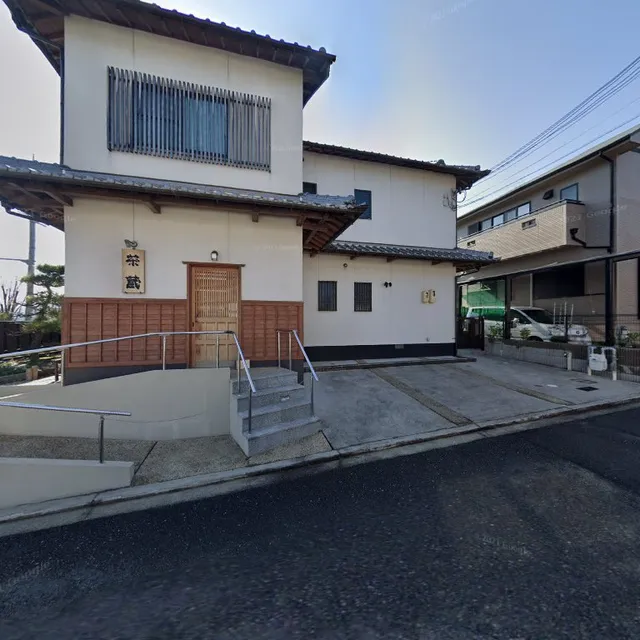
茶房茶蔵
3.9
(7)
Open until 12:00 AM
Click for details
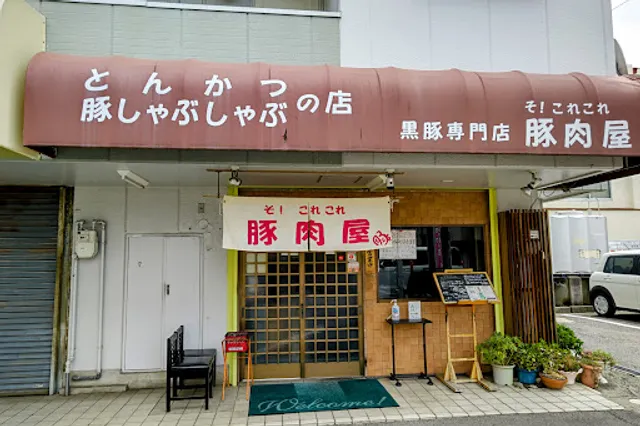
そ・これこれ豚肉屋
4.3
(151)
Open until 12:00 AM
Click for details
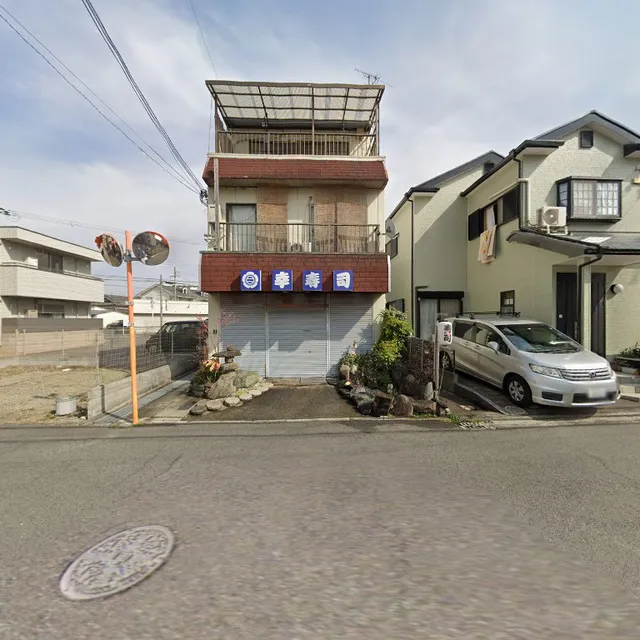
Ko Sushi
4.4
(8)
Closed
Click for details
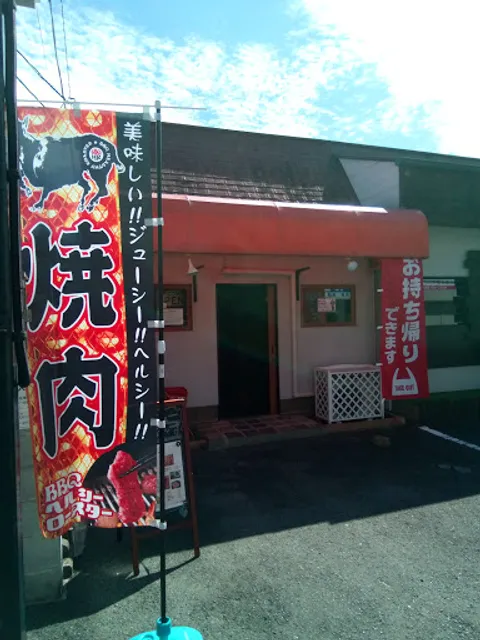
焼肉 ひよし 岸和田
4.3
(25)
Open until 12:00 AM
Click for details
Nearby local services of Kumeda-ji
Yashirosun Shrine
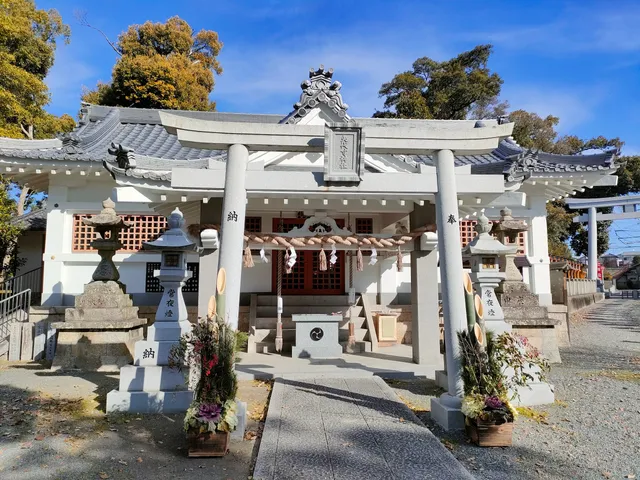
Yashirosun Shrine
4.0
(15)
Click for details