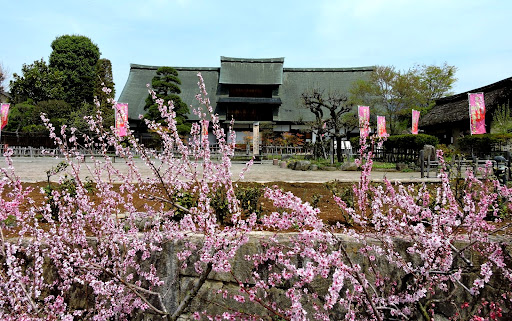
かつて塩山の地で長百姓を務めた高野家の屋敷。江戸時代初期より薬草である『甘草』の栽培をしており、その甘草が徳川幕府の御用達に指定されたことから、『甘草屋敷』の呼び名がつけられた。 塩山駅から徒歩1分と非常にアクセスがよく、また塩山駅に停車する電車の本数も決して少なくはなく、都心から気軽にアクセス出来る重要文化財である。駅に近いにも関わらず鉄道の通過時などの音はどこか遠くに聞こえる、と感じる程にのどかで、ゆったりと江戸時代の家屋を鑑賞しつつ周遊するにはピッタリの場所と言える。 屋敷内はもちろん、敷地としても格別に広い、というわけではないため、全てを周遊するのに1時間は要しない。屋敷は3階構造になっているものの、公開されているのは1階のみで、複雑な造りにはなっていないため、屋敷内で迷う機会はまず無い。2月中旬から4月中旬にかけて、この屋敷に江戸時代から伝わる(あるいは寄贈された)ひな人形が所狭しと飾られ、屋敷内が一層豪華に映える。但し、休日でも混雑するほど人が訪れるわけではないため、ほぼいつでもゆったり屋敷を鑑賞できる、と言ってもいいだろう。 また、敷地内ではいまでも甘草を栽培しており、敷地内の蔵では甘草についての展示もされている。屋敷そのものの鑑賞ではなく、甘草そのものを知る上でも勉強になる施設だと思う。
The Takano family's residence, which was once the home of a wealthy farmer in Enzan. The family has been cultivating licorice, a medicinal herb, since the early Edo period, and the residence was given the name "Licorice Residence" because the Tokugawa shogunate designated the family as its official supplier of licorice. It's an important cultural property that is easily accessible from the center of Tokyo, as it's only a one-minute walk from Enzan Station and there are also not a few trains that stop at Enzan Station. Despite its proximity to the station, the sounds of passing trains are a little distant, and it's a peaceful place that is perfect for taking a leisurely stroll while admiring the Edo-period house. The grounds are not exceptionally large, so it doesn't take more than an hour to see everything. Although the house has three floors, only the first floor is open to the public, and as it's not a complicated structure, there is no chance of getting lost in the house. From mid-February to mid-April, the house is filled with hina dolls that have been handed down (or donated) from the Edo period, making the house even more luxurious. It's not so crowded that you can't see the house even on holidays, so you can almost always enjoy a leisurely visit. In addition, licorice is still cultivated on the grounds, and there is also an exhibition about licorice in the storehouse on the grounds. I think this is a facility that is also educational for learning about licorice itself, rather than just appreciating the...
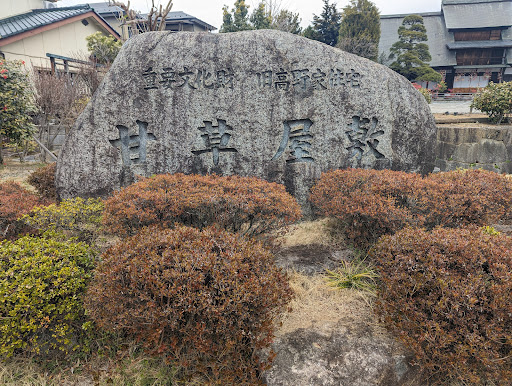
Read more重要文化財 旧高野家住宅 Important Cultural Property: Old Takano Family Residence
火曜日休館 Closed on Tuesdays
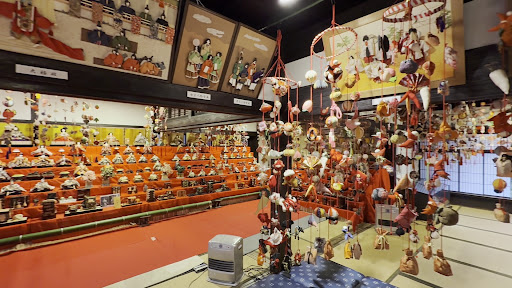
❤️雛人形は必見!(期間限定) You must see "Hina Dolls"❣️ (limited time only)
高野家は、江戸時代に薬用植物である甘草を栽培して幕府に納めていた家で、古くから「甘草屋敷」と呼ばれていた。 19世紀初頭の建築と考えられる。 The Takano family home cultivated licorice, a medicinal plant, and supplied it to the shogunate during the Edo period, and has long been known as the "licorice mansion." Built in the early 19th century.
🎎2〜4月には江戸・明治・大正・昭和各時代の約 700体の「雛人形」約5,000個の「吊るし飾り」が展示される。(展示期間は要確認) 展示されている雛人形の中で一番古いものは享保年間(1716~1736年)のものです 展示期間:2025年2月11日~4月18日(2025年の展示は終了) 🎎 Hinamatsuri(Doll’s Festival) From February to April, approximately 700 Hina dolls and 5,000 hanging decorations from the Edo, Meiji, Taisho, and Showa eras will be on display. (Please check the exhibition period.) Hinamatsuri(Doll’s Festival) is an occasion to pray for young girls’ growth and happiness. Hinamatsuri is celebrated each year on March 3. Most families with girls display dolls for the Doll’s Festival called Hina-ningyo. The dolls depict the imperial court. A set of dolls includes the Emperor(odairi-sama), the Empress(ohina-sama), three court ladies(sannin-kanjo), five court musicians(gonin-bayashi), the minister of the left(sadaijin), the minister of the right(udaijin) and three servants(sannin-jougo).
Exhibition period: February 11th to April 18th, 2025 (exhibition will end in 2025)
🎏毎年5月5日の『端午の節句』に合わせて約100点の「五月人形」を展示している。 ~5月5日は『端午の節句』~ 子どもたちが元気に育ち、大きくなったことをお祝いして、「鎧飾り」「兜飾り」「武者人形」などを飾ります。 展示期間:2025年5月3日〜6月2日(展示日は要確認) ※休館日:火曜日(祝祭日にあたる場合は、その翌日、5月7日〜10日
🎏 Boys' Festival Every year, about 100 May dolls are exhibited to coincide with the Boys' Festival on May 5th. May 5th is Boys' FestivalTo celebrate the healthy growth and growth of their son, they display armor, helmets, warrior dolls, and more.
Exhibition period: May 3, 2025 - June 2, 2025 (please confirm exhibition dates) *Closed on Tuesdays (if it falls on a national holiday, the following day, May...
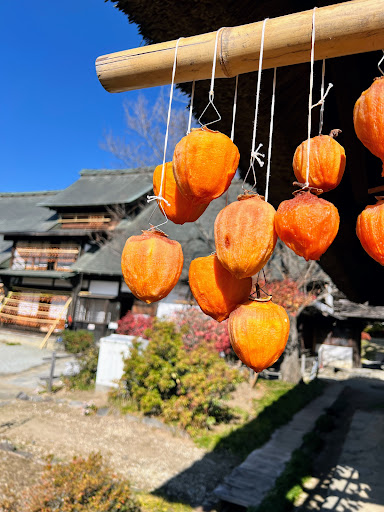
Read moreLarge, beautiful old Edo Era house surrounded by other smaller old buildings conveniently located opposite Enzan JR Station. For a small fee you can enter the house and look around, including the loft upstairs which is full of fascinating old objects. If you visit around Hinamatsuri (March 3rd) there is a wonderful display of traditional dolls, and in autumn there are colorful strings of orange persimmons drying everywhere. You can also hire bicycles here to explore the area more thoroughly. I've visited here 3 times, and I...
Read more