Nagasaki Koshibyo Confucius Shrine and Historical Museum of China things to do, attractions, restaurants, events info and trip planning
Basic Info
Nagasaki Koshibyo Confucius Shrine and Historical Museum of China
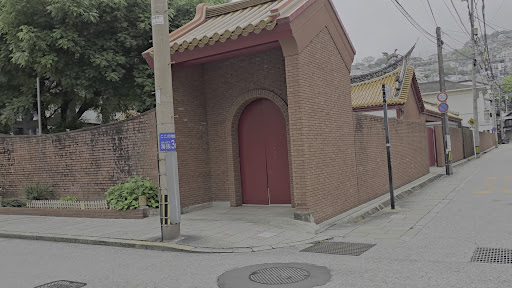
10-36 Ouramachi, Nagasaki, 850-0918, Japan
3.9(970)
Closed

tickets
Save
spot
spot
Ratings & Description
Info
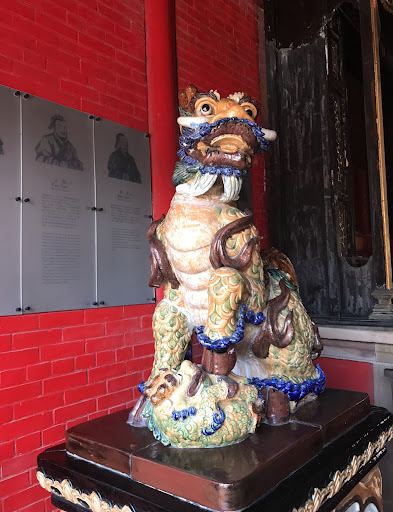
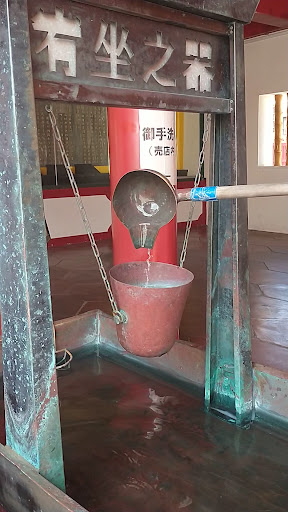
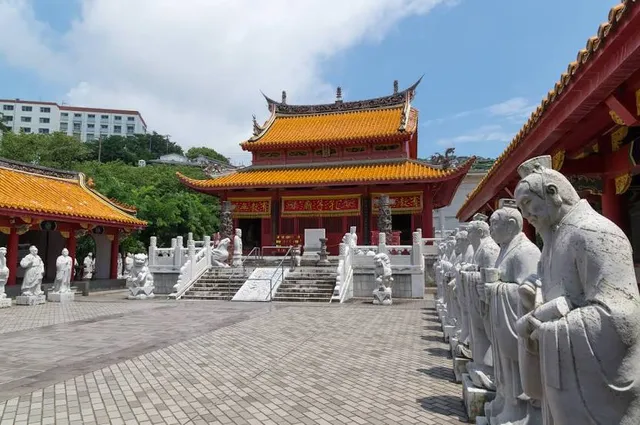
Kōshi-byō is a Confucian temple in Nagasaki, Japan. Today the land on which it stands is owned by the Chinese Embassy in Tokyo.
Cultural
Family friendly
attractions: Glover Garden, Ōura Cathedral, Gunkanjima Digital Museum, Dutch Slope, Nagasaki City Old Photos Museum, Prayer Triangle Zone, Inori Hill Picture Book Museum, Chanpon Museum, Ouratenbo Park, Former Hong Kong & Shanghai Bank Nagasaki Branch Museum, restaurants: Shikairo, Lekker, 三八ラーメン 大浦支店, Chikyukan, Nagasaki Minami Yamate Pudding, エフラボ(Bakery F.labo.), HAYAMA COFFEE Nagasakiorandadoriten, Restaurant Pavé, Sushi Kyo, Shooken Oura Shop, local businesses: Ring shop itoaware nagasaki, (有)シマダ果実店, Oranda Bussankan, Azutaimu Fruit Garden, Ooura Catholic Church, Oura Cathedral Priest House, St. Kolbe Museum, NAGASAKI I'S Farm, Matsugae International Terminal, ペニーアンドダイム
 Learn more insights from Wanderboat AI.
Phone
+81 95-824-4022
Website
nagasaki-koushibyou.com
Open hoursSee all hours
Thu9:30 AM - 6 PMClosed
Plan your stay

Pet-friendly Hotels in Nagasaki
Find a cozy hotel nearby and make it a full experience.

Affordable Hotels in Nagasaki
Find a cozy hotel nearby and make it a full experience.

The Coolest Hotels You Haven't Heard Of (Yet)
Find a cozy hotel nearby and make it a full experience.

Trending Stays Worth the Hype in Nagasaki
Find a cozy hotel nearby and make it a full experience.
Reviews
Live events
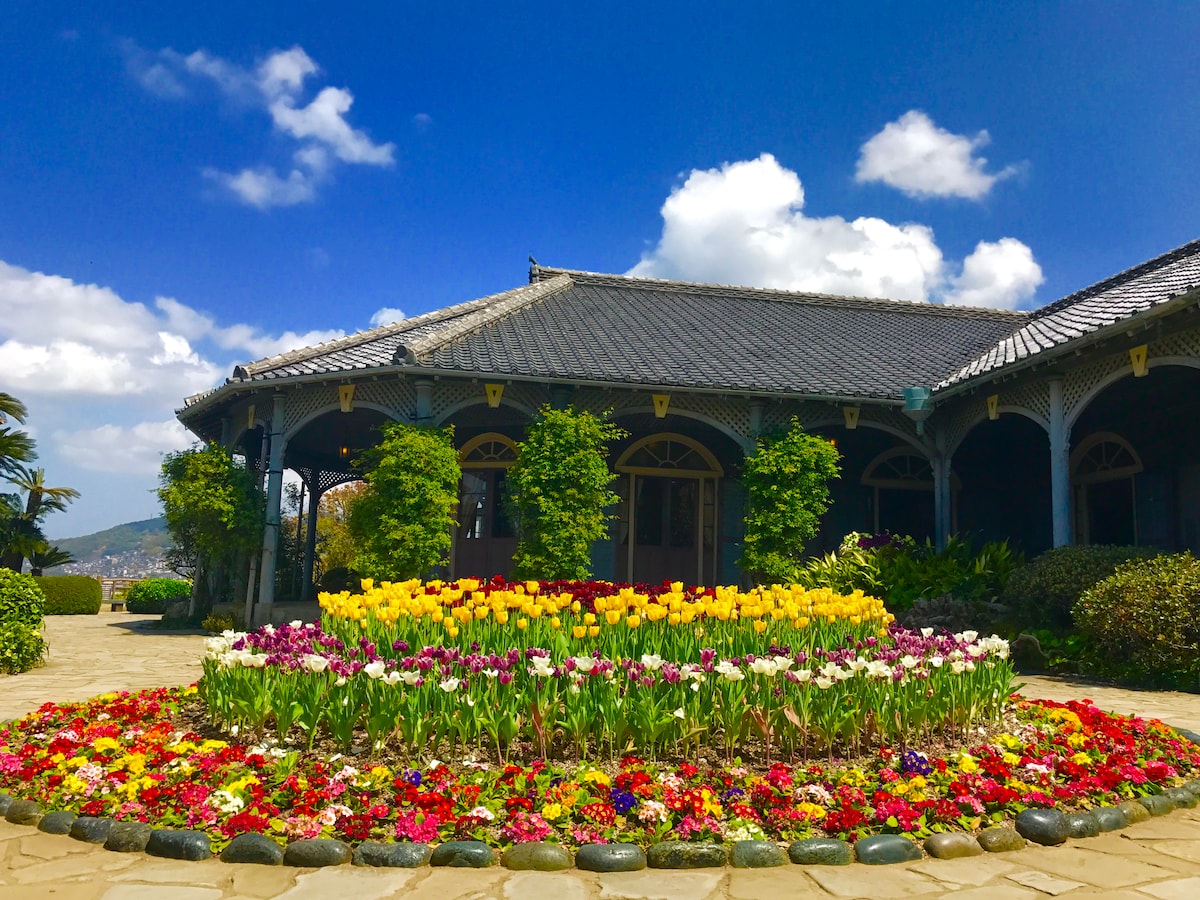
Nagasaki Highlights Private Half Day Tour by Tram
Thu, Jan 29 • 8:00 AM
850-0921, Nagasaki, Nagasaki, Japan
View details
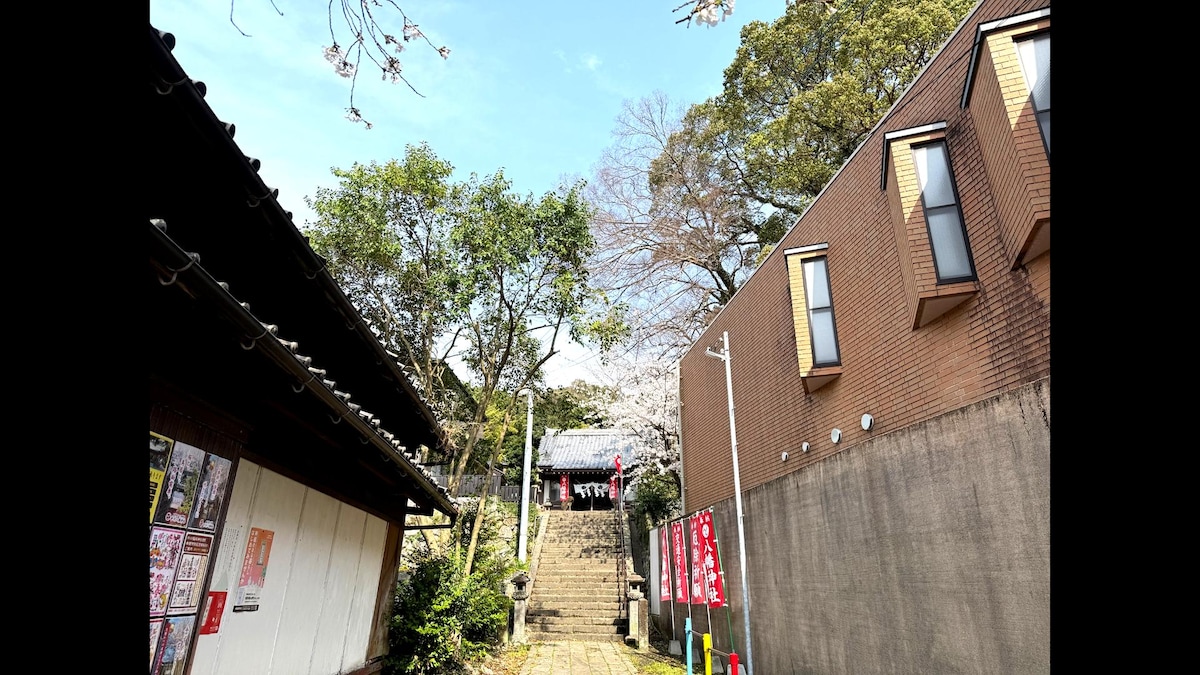
Authentic Kendo Experience with the Prestigious Baba School: A Journey of the Heart that Begins and Ends with Respect
Fri, Jan 30 • 10:00 AM
850-0013, Nagasaki, Nagasaki, Japan
View details
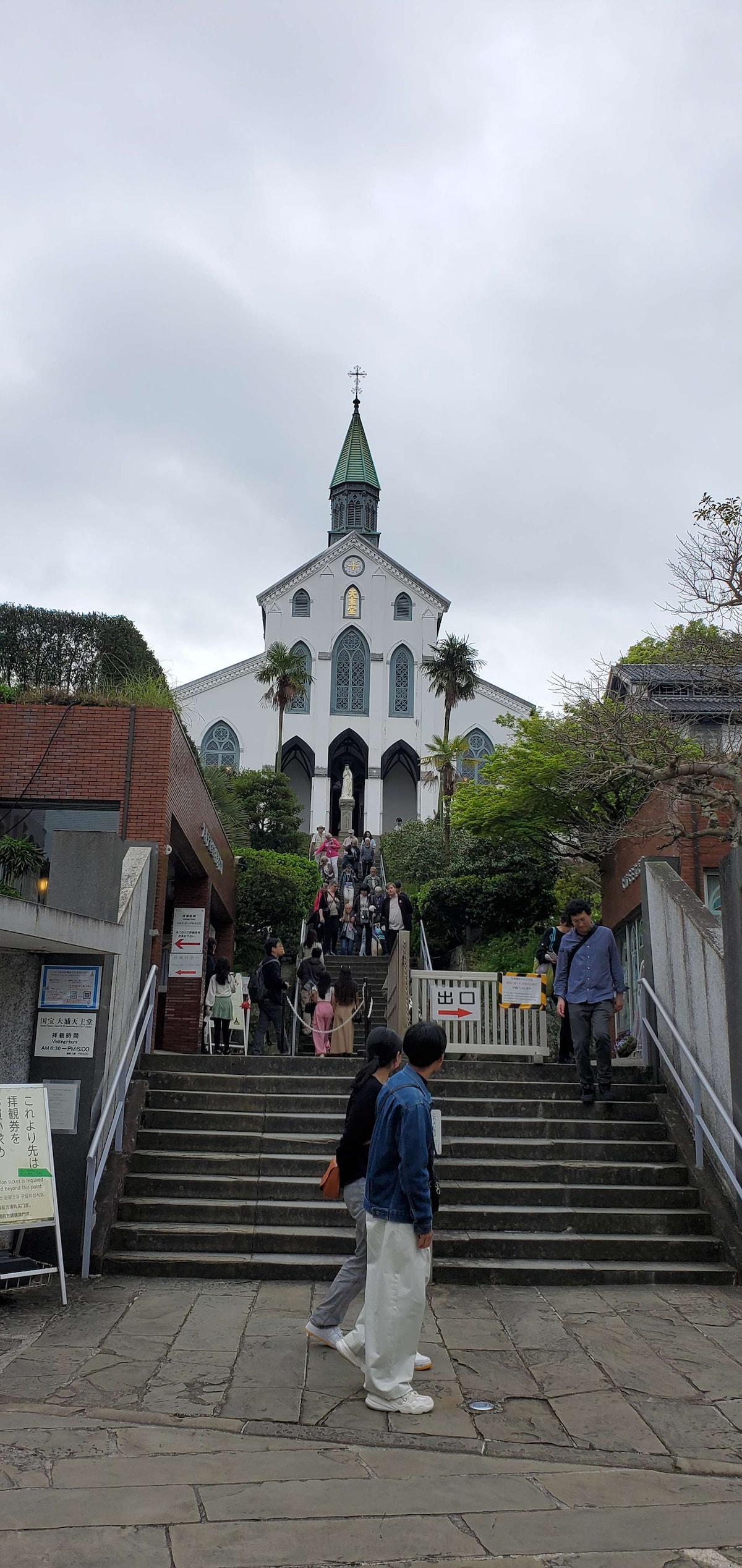
Nagasaki private walking tour with local
Thu, Jan 29 • 11:00 AM
852-8117, Nagasaki, Nagasaki, Japan
View details
Nearby attractions of Nagasaki Koshibyo Confucius Shrine and Historical Museum of China
Glover Garden
Ōura Cathedral
Gunkanjima Digital Museum
Dutch Slope
Nagasaki City Old Photos Museum
Prayer Triangle Zone
Inori Hill Picture Book Museum
Chanpon Museum
Ouratenbo Park
Former Hong Kong & Shanghai Bank Nagasaki Branch Museum
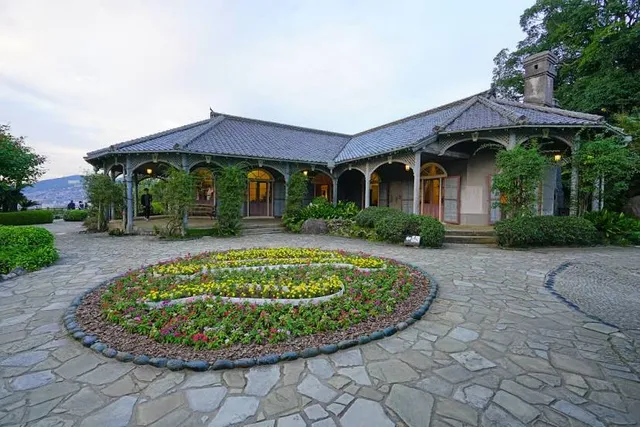
Glover Garden
4.1
(5K)
Closed
Click for details
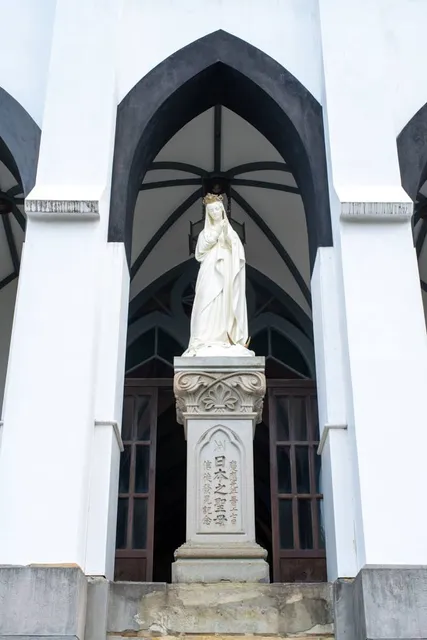
Ōura Cathedral
4.0
(838)
Closed
Click for details
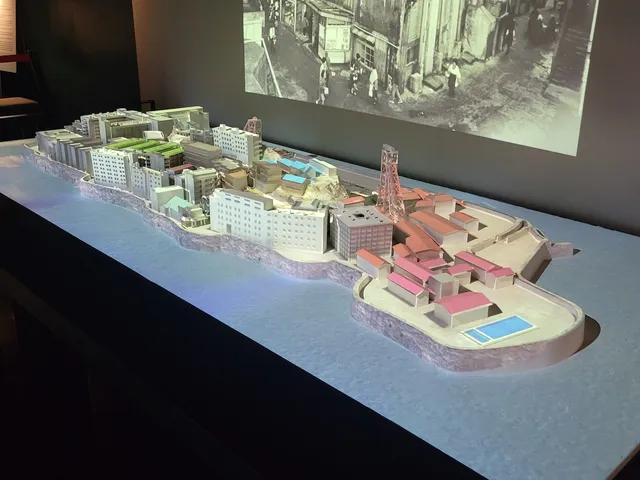
Gunkanjima Digital Museum
4.3
(886)
Closed
Click for details
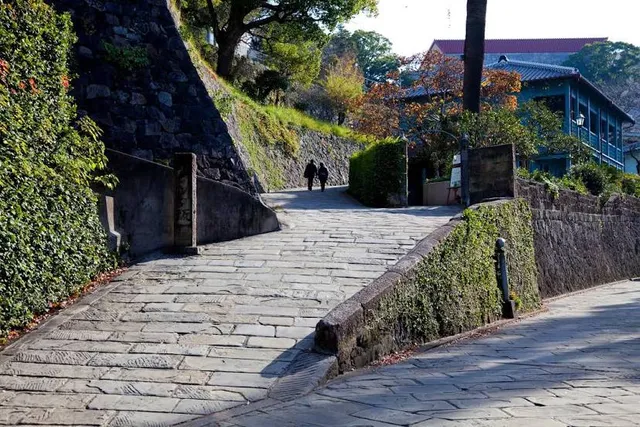
Dutch Slope
3.7
(794)
Open 24 hours
Click for details
Nearby restaurants of Nagasaki Koshibyo Confucius Shrine and Historical Museum of China
Shikairo
Lekker
三八ラーメン 大浦支店
Chikyukan
Nagasaki Minami Yamate Pudding
エフラボ(Bakery F.labo.)
HAYAMA COFFEE Nagasakiorandadoriten
Restaurant Pavé
Sushi Kyo
Shooken Oura Shop
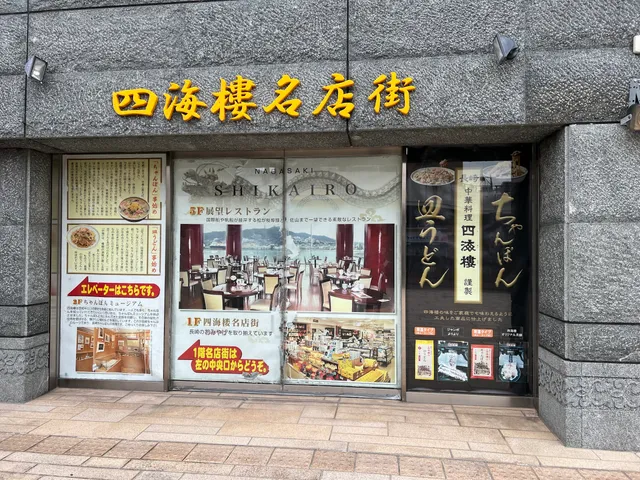
Shikairo
3.9
(1.7K)
Open until 12:00 AM
Click for details
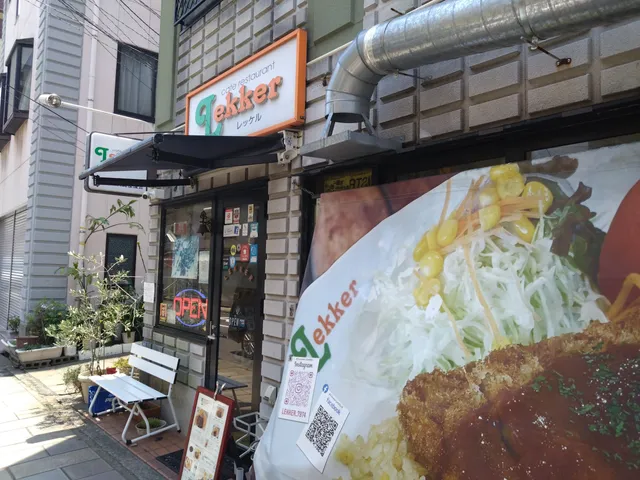
Lekker
4.1
(222)
Open until 12:00 AM
Click for details
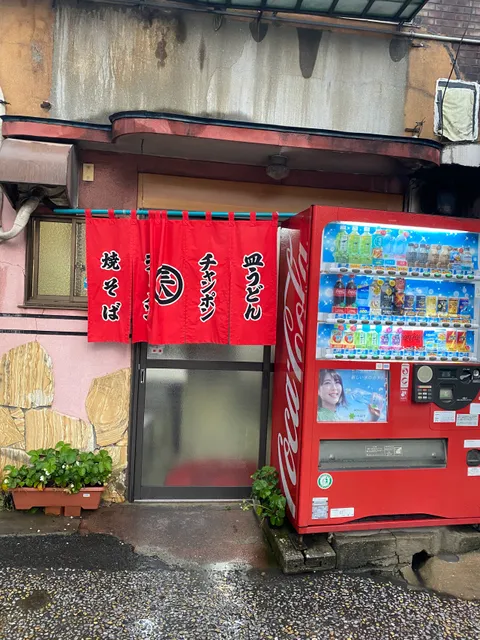
三八ラーメン 大浦支店
4.3
(117)
Open until 12:00 AM
Click for details

Chikyukan
3.9
(39)
Open until 12:00 AM
Click for details
Nearby local services of Nagasaki Koshibyo Confucius Shrine and Historical Museum of China
Ring shop itoaware nagasaki
(有)シマダ果実店
Oranda Bussankan
Azutaimu Fruit Garden
Ooura Catholic Church
Oura Cathedral Priest House
St. Kolbe Museum
NAGASAKI I'S Farm
Matsugae International Terminal
ペニーアンドダイム

Ring shop itoaware nagasaki
5.0
(392)
Click for details
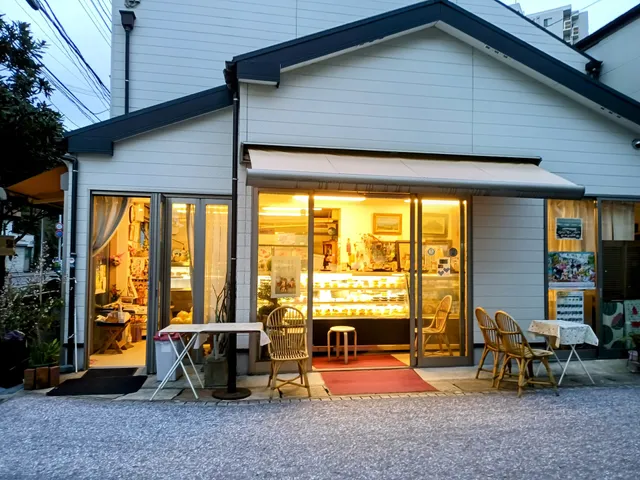
(有)シマダ果実店
4.5
(54)
Click for details

Oranda Bussankan
3.4
(66)
Click for details
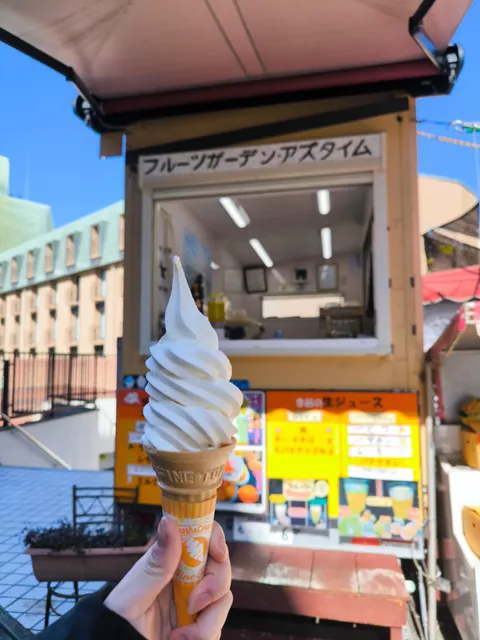
Azutaimu Fruit Garden
4.1
(25)
Click for details