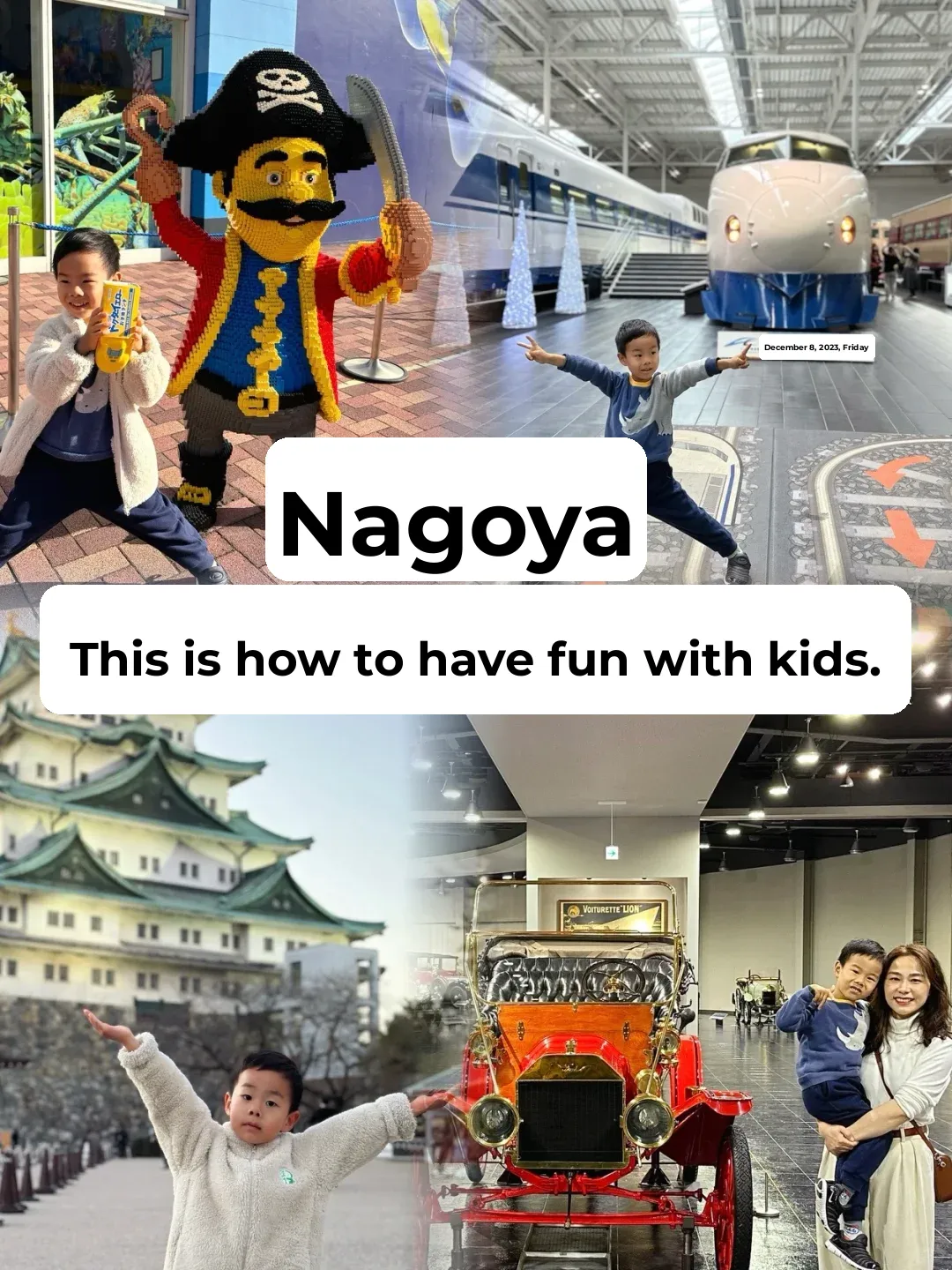
SCMaglev and Railway Park things to do, attractions, restaurants, events info and trip planning
Basic Info
SCMaglev and Railway Park
3 Chome-2-2 Kinjofuto, Minato Ward, Nagoya, Aichi 455-0848, Japan
4.4(4.8K)
Open until 12:00 AM

tickets
Save
spot
spot
Ratings & Description
Info
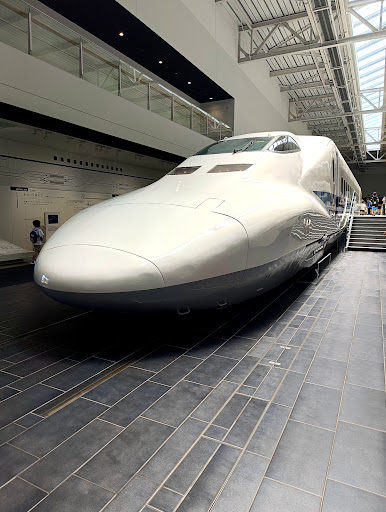
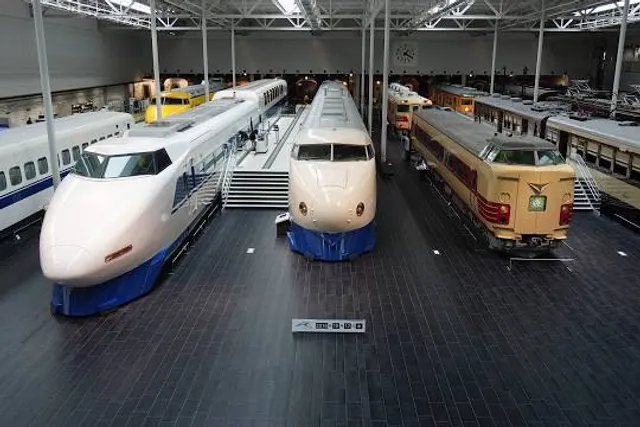
The SCMaglev and Railway Park is a railway museum owned by Central Japan Railway Company in Nagoya, Japan. The museum opened on 14 March 2011. The museum features 39 full-size railway vehicles and one bus exhibit, train cab simulators, and railway model dioramas.
Cultural
Entertainment
Family friendly
Accessibility
attractions: Nagoya Kinjofuto Arena, SEA LIFE Nagoya, Legoland Japan Resort, Miniland, Lego Ninjago World, The Dragon, Meiko-Chuo Bridge, restaurants: GYUKATSU Kyoto Katsugyu Maker's Pier, Gotti's BEEF Maker's Pier, CoCo Ichibanya in Maker's Pier, Fujiyama 55 (Go-Go) Maker's Pier, Marino Pizzeria, boulangerie pâtisserie & ANTIQUE, B cafe, 曉茶 メイカーズピア店, Higashiyama-Garden Port Messe-ten, Bricks Family Restaurant, local businesses: Port Messe Nagoya Exhibition Hall 1, Furniture dome head office, Great Rolling Stock Hall - Shinkansen Train Area, Great Railway Diorama, Railway History Room, Legoland Lab, Port Messe Nagoya Exhibition Hall 3, Lego Factory Tour, Observation Tower, Submarine Adventure
 Learn more insights from Wanderboat AI.
Phone
+81 52-389-6100
Website
museum.jr-central.co.jp
Open hoursSee all hours
TueClosedOpen
Plan your stay

Pet-friendly Hotels in Nagoya
Find a cozy hotel nearby and make it a full experience.

Affordable Hotels in Nagoya
Find a cozy hotel nearby and make it a full experience.

The Coolest Hotels You Haven't Heard Of (Yet)
Find a cozy hotel nearby and make it a full experience.

Trending Stays Worth the Hype in Nagoya
Find a cozy hotel nearby and make it a full experience.
Reviews
Live events

Candlelight: 久石譲の音楽の世界
Fri, Feb 13 • 4:45 PM
愛知県名古屋市中区三の丸1丁目1−1, 460-0001
View details

Special Japanese food experience in Nagoya
Tue, Feb 10 • 5:30 PM
454-0877, Aichi, Nagoya, Japan
View details

Make nerikiri with a Japanese confectioner
Thu, Feb 12 • 10:00 AM
452-0816, Aichi, Nagoya, Japan
View details
Nearby attractions of SCMaglev and Railway Park
Nagoya Kinjofuto Arena
SEA LIFE Nagoya
Legoland Japan Resort
Miniland
Lego Ninjago World
The Dragon
Meiko-Chuo Bridge

Nagoya Kinjofuto Arena
3.9
(127)
Open 24 hours
Click for details
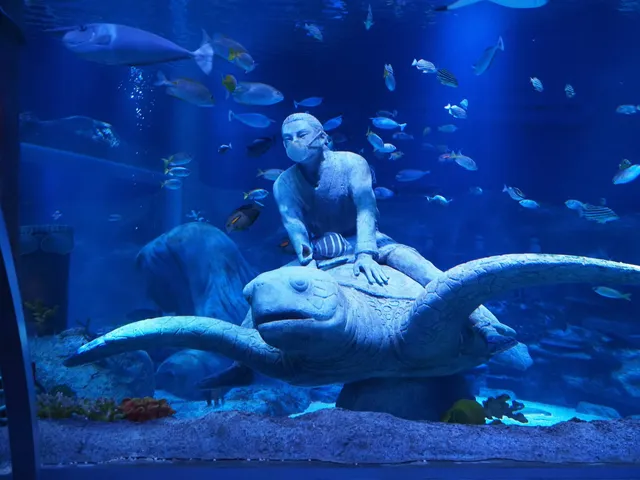
SEA LIFE Nagoya
3.8
(436)
Open until 12:00 AM
Click for details

Legoland Japan Resort
4.2
(5.5K)
Open until 12:00 AM
Click for details
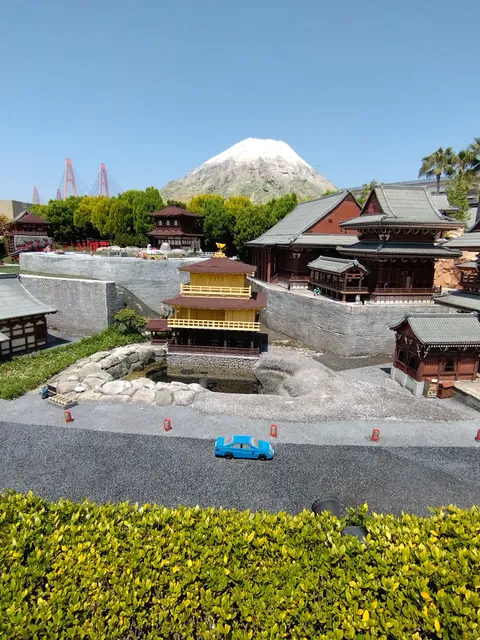
Miniland
4.6
(29)
Open until 6:00 PM
Click for details
Nearby restaurants of SCMaglev and Railway Park
GYUKATSU Kyoto Katsugyu Maker's Pier
Gotti's BEEF Maker's Pier
CoCo Ichibanya in Maker's Pier
Fujiyama 55 (Go-Go) Maker's Pier
Marino Pizzeria
boulangerie pâtisserie & ANTIQUE
B cafe
曉茶 メイカーズピア店
Higashiyama-Garden Port Messe-ten
Bricks Family Restaurant
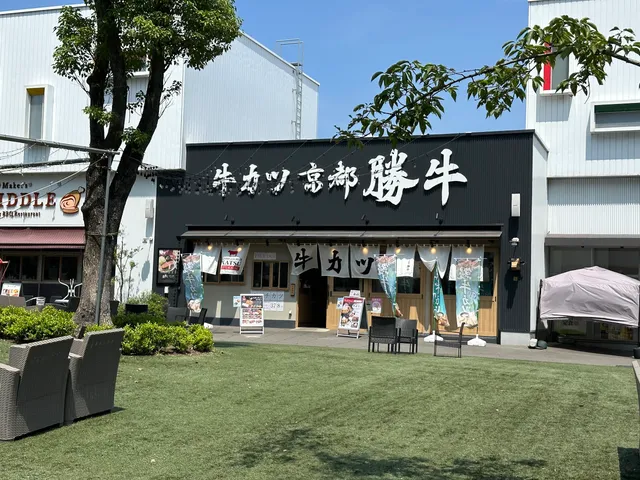
GYUKATSU Kyoto Katsugyu Maker's Pier
4.5
(224)
Open until 8:00 PM
Click for details
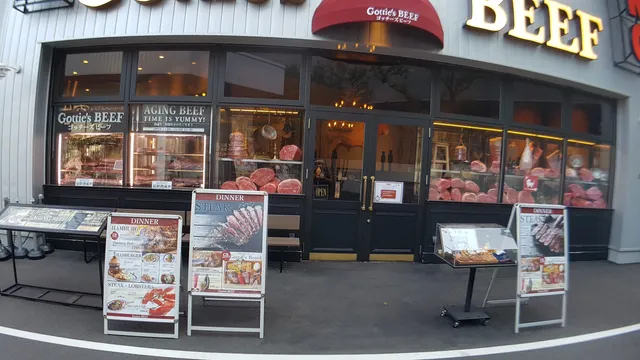
Gotti's BEEF Maker's Pier
3.8
(278)
Closed
Click for details
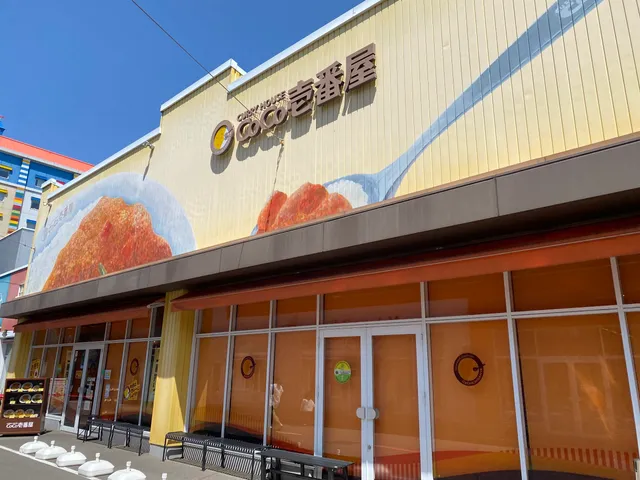
CoCo Ichibanya in Maker's Pier
3.5
(123)
Closed
Click for details
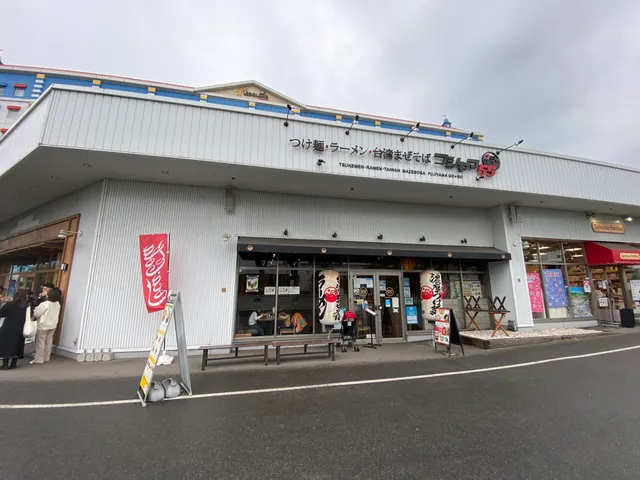
Fujiyama 55 (Go-Go) Maker's Pier
3.2
(162)
Closed
Click for details
Nearby local services of SCMaglev and Railway Park
Port Messe Nagoya Exhibition Hall 1
Furniture dome head office
Great Rolling Stock Hall - Shinkansen Train Area
Great Railway Diorama
Railway History Room
Legoland Lab
Port Messe Nagoya Exhibition Hall 3
Lego Factory Tour
Observation Tower
Submarine Adventure
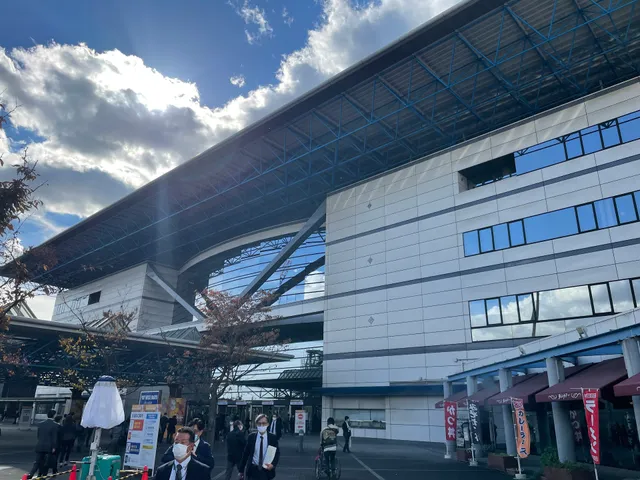
Port Messe Nagoya Exhibition Hall 1
3.6
(2.5K)
Click for details
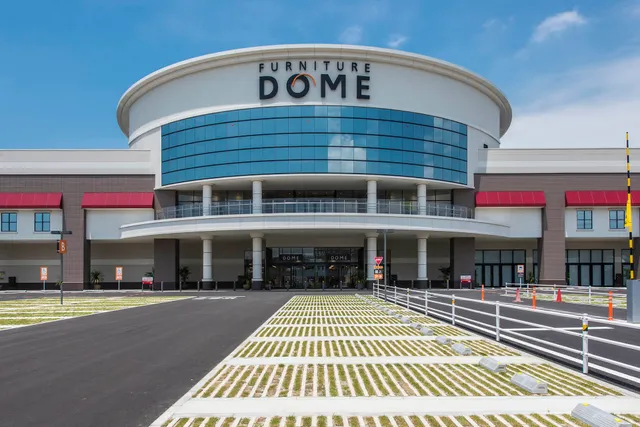
Furniture dome head office
3.7
(705)
Click for details
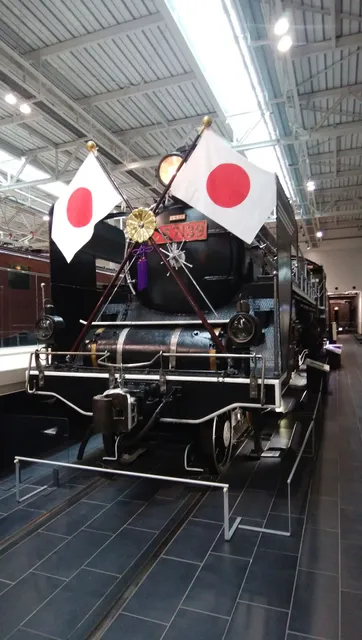
Great Rolling Stock Hall - Shinkansen Train Area
4.6
(10)
Click for details
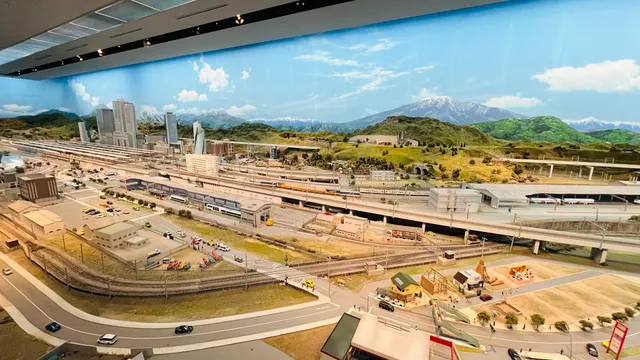
Great Railway Diorama
4.3
(11)
Click for details