Sumiyoshi Taisha things to do, attractions, restaurants, events info and trip planning
Basic Info
Sumiyoshi Taisha
2 Chome-9-89 Sumiyoshi, Sumiyoshi Ward, Osaka, 558-0045, Japan
4.5(5.5K)
Open until 5:00 PM
Save
spot
spot
Ratings & Description
Info
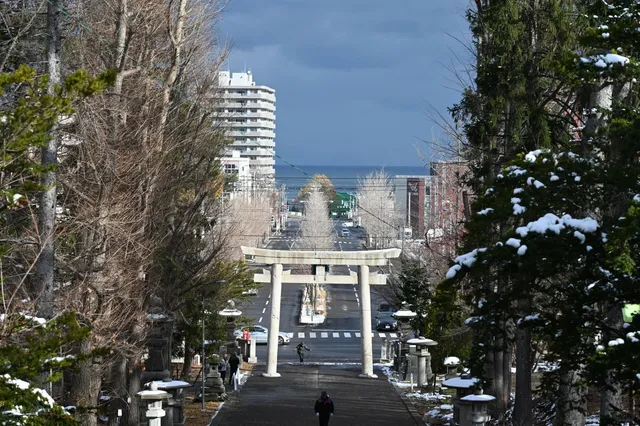
Sumiyoshi-taisha, also known as Sumiyoshi Grand Shrine, is a Shinto shrine in Sumiyoshi-ku, Osaka, Osaka Prefecture, Japan. It is the main shrine of all the Sumiyoshi shrines in Japan. However, the oldest shrine that enshrines the Sumiyoshi sanjin, the three Sumiyoshi kami, is the Sumiyoshi Shrine in Hakata.
Cultural
Family friendly
attractions: Kisshōden, Wedding Hall - Sumiyoshi Taisha, Daikai Jinja Shrine, Sumiyoshi Park, Sumiyoshihifumi Park, Sumiyoshi Park, Sumiyoshi Lantern Tower, artgallery opaltimes, restaurants: Kusunoki, Don & Udon Umeyoshi, Eiraiken, Nest, 素麺と手毬 八雲, Café Ishii, Aryan Sumiyoshi-Taisha-mae, ベジ Vege DELI, Wa coffee, Lotteria - Nankai Sumiyoshi, local businesses: Sumiyoshi Shrine, Nankun-sha - Sumiyoshi Taisha, Daiichi Hongu, Primary Sanctuary - Sumiyoshi Taisha, Sorihashi Bridge - Sumiyoshi Taisha, 五大力 石守, Tanekashi-sha Shrine, Goshogozen (Godairiki-ishimori), Omoto-sha Shrine - Sumiyoshi Taisha, Wakamiya Hachimangu, Daiyon Hongu, Fourth Sanctuary - Sumiyoshi Taisha
 Learn more insights from Wanderboat AI.
Phone
+81 6-6672-0753
Website
sumiyoshitaisha.net
Open hoursSee all hours
Fri6 AM - 5 PMOpen
Plan your stay

Pet-friendly Hotels in Osaka
Find a cozy hotel nearby and make it a full experience.

Affordable Hotels in Osaka
Find a cozy hotel nearby and make it a full experience.

The Coolest Hotels You Haven't Heard Of (Yet)
Find a cozy hotel nearby and make it a full experience.

Trending Stays Worth the Hype in Osaka
Find a cozy hotel nearby and make it a full experience.
Reviews
Live events

Welcome Osaka Pub Crawlfree Shot & Fun Chat 2-4 Stores 大阪はしご酒 国際交流
Fri, Feb 27 • 7:00 PM
心斎橋筋2丁目6−14 中央区 大阪市, 大阪府 542-0085
View details

MIRRORGE OSAKA:Enchantry Aquatica (エンチャントリー・アクアティカ)
Fri, Feb 27 • 12:00 PM
グラングリーン大阪うめきた公園サウスパーク PLAT UMEKITA内 (Grand Green Osaka, Umekita Park South Park, PLAT UMEKITA, Osaka ), 530-0011
View details
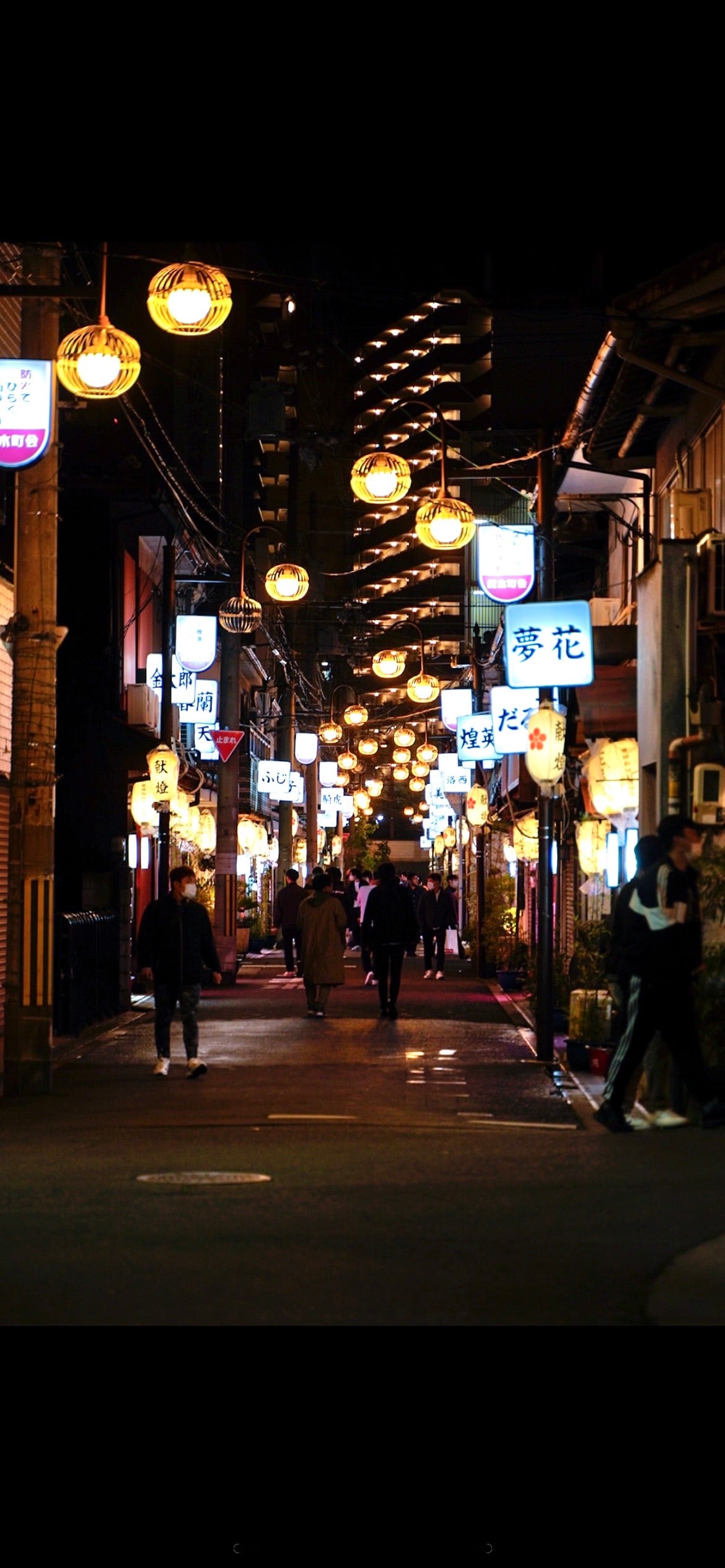
Hidden Osaka Red Light Tour & Culinary Adventure
Sun, Mar 1 • 2:00 PM
557-0001, Osaka, Osaka, Japan
View details
Nearby attractions of Sumiyoshi Taisha
Kisshōden, Wedding Hall - Sumiyoshi Taisha
Daikai Jinja Shrine
Sumiyoshi Park
Sumiyoshihifumi Park
Sumiyoshi Park
Sumiyoshi Lantern Tower
artgallery opaltimes
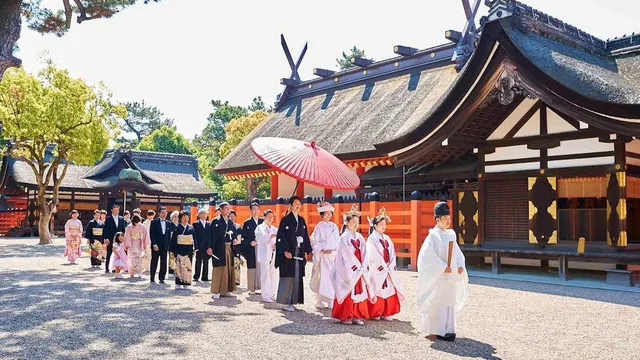
Kisshōden, Wedding Hall - Sumiyoshi Taisha
4.2
(252)
Open until 6:00 PM
Click for details
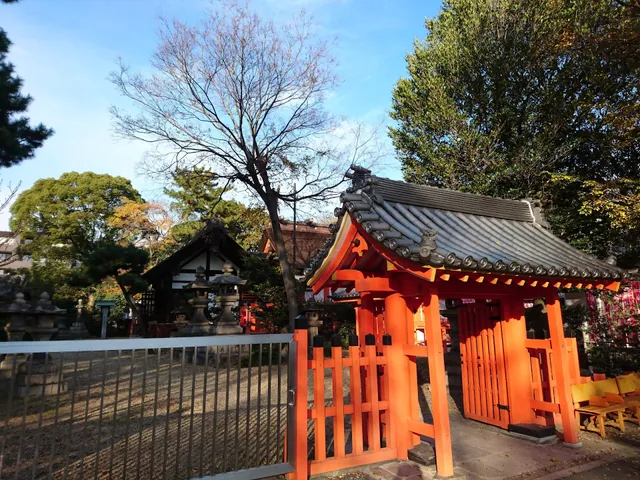
Daikai Jinja Shrine
4.2
(60)
Open 24 hours
Click for details
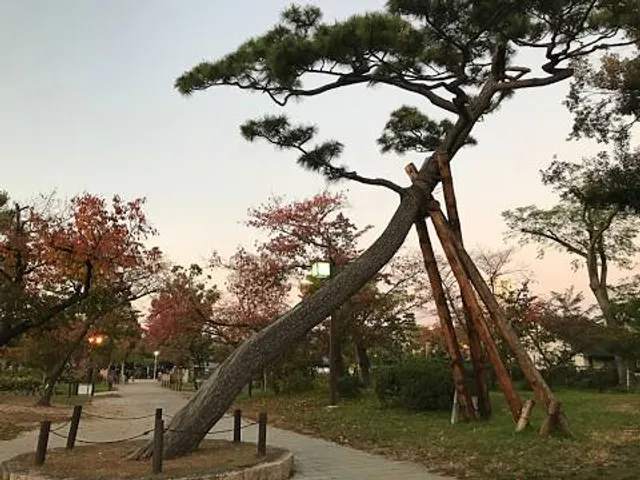
Sumiyoshi Park
4.0
(333)
Closed
Click for details
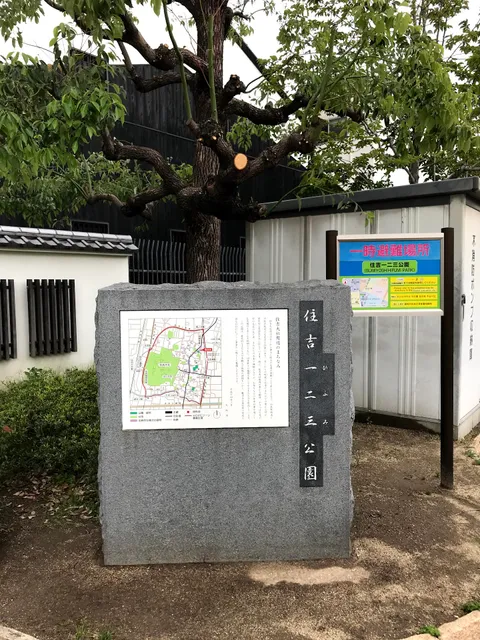
Sumiyoshihifumi Park
3.7
(14)
Open until 12:00 AM
Click for details
Nearby restaurants of Sumiyoshi Taisha
Kusunoki
Don & Udon Umeyoshi
Eiraiken
Nest
素麺と手毬 八雲
Café Ishii
Aryan Sumiyoshi-Taisha-mae
ベジ Vege DELI
Wa coffee
Lotteria - Nankai Sumiyoshi
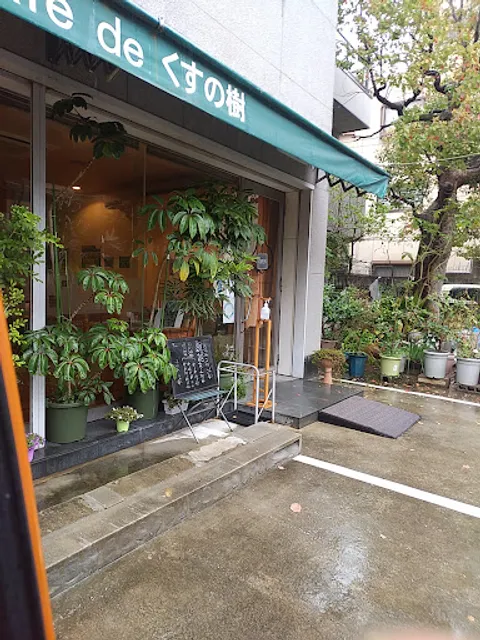
Kusunoki
3.9
(71)
Open until 12:00 AM
Click for details
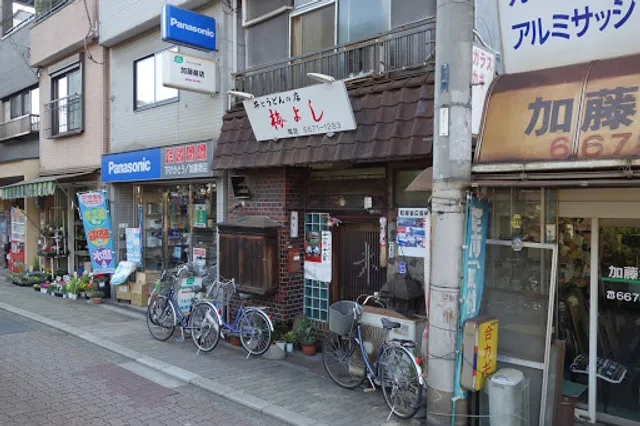
Don & Udon Umeyoshi
4.4
(90)
Open until 3:00 PM
Click for details
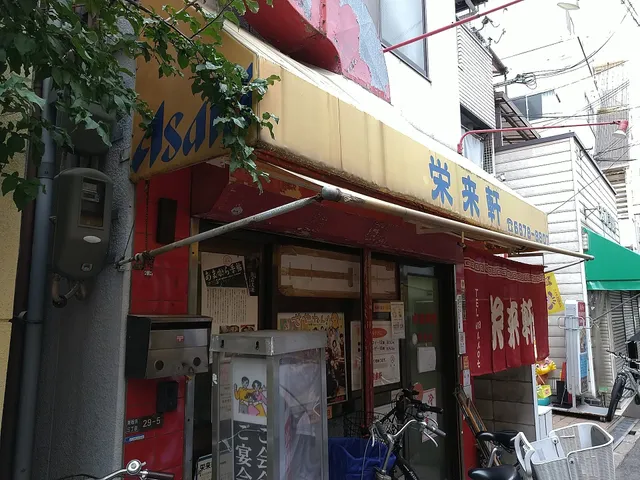
Eiraiken
4.1
(135)
Open until 2:00 PM
Click for details
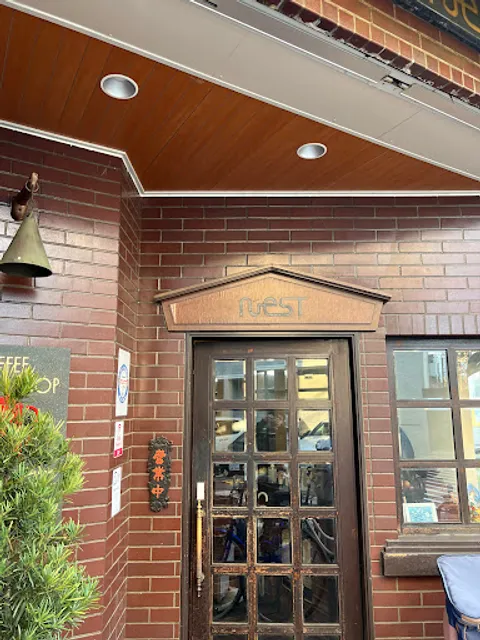
Nest
4.4
(77)
Open until 9:00 PM
Click for details
Nearby local services of Sumiyoshi Taisha
Sumiyoshi Shrine
Nankun-sha - Sumiyoshi Taisha
Daiichi Hongu, Primary Sanctuary - Sumiyoshi Taisha
Sorihashi Bridge - Sumiyoshi Taisha
五大力 石守
Tanekashi-sha Shrine
Goshogozen (Godairiki-ishimori)
Omoto-sha Shrine - Sumiyoshi Taisha
Wakamiya Hachimangu
Daiyon Hongu, Fourth Sanctuary - Sumiyoshi Taisha
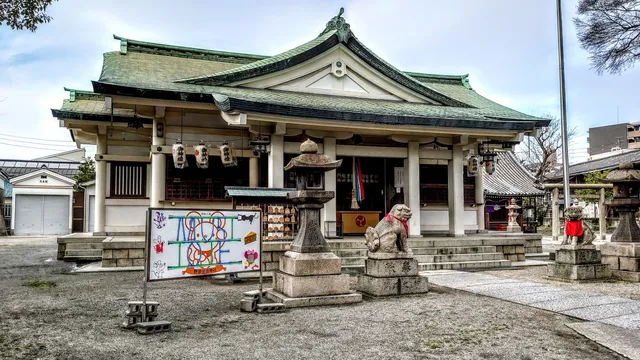
Sumiyoshi Shrine
3.9
(90)
Click for details
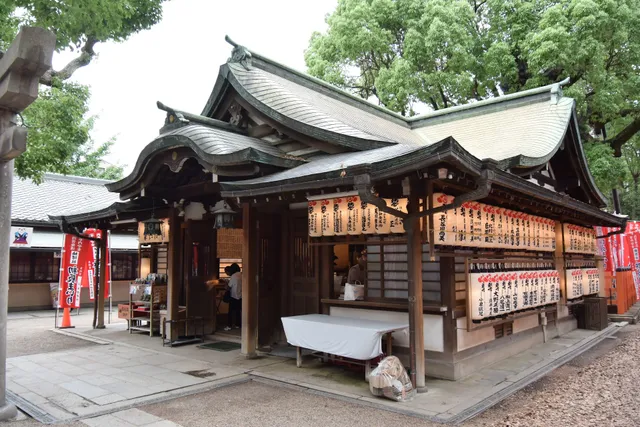
Nankun-sha - Sumiyoshi Taisha
4.5
(112)
Click for details
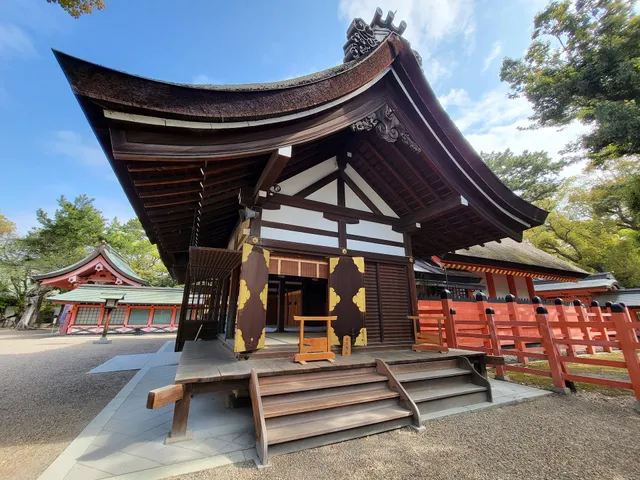
Daiichi Hongu, Primary Sanctuary - Sumiyoshi Taisha
4.4
(45)
Click for details
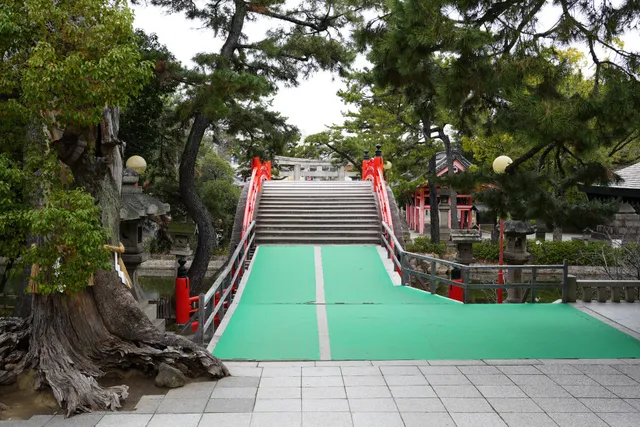
Sorihashi Bridge - Sumiyoshi Taisha
4.4
(117)
Click for details