HTML SitemapExplore
logo
Find Things to DoFind The Best Restaurants

Ōkunoshima Island Poison Gas Museum — Attraction in Takehara

Name
Ōkunoshima Island Poison Gas Museum
Description
Nearby attractions
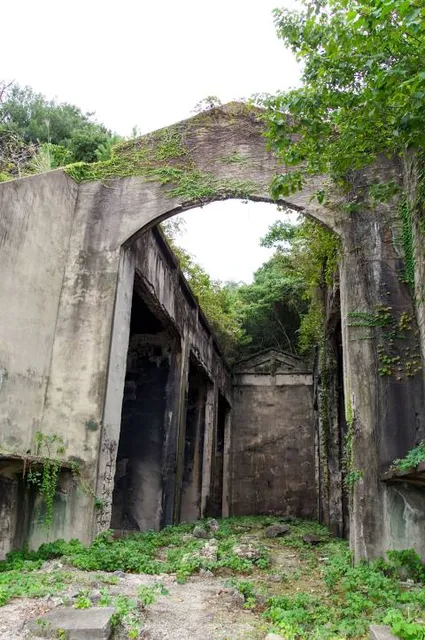
Power Plant Ruins
Japan, 〒729-2311 Hiroshima, Takehara, Tadanoumicho, 大久野島
Nagaura toxic gas storage site
Japan, 〒729-2311 Hiroshima, Takehara, Tadanoumicho, 大久野島
Nearby restaurants
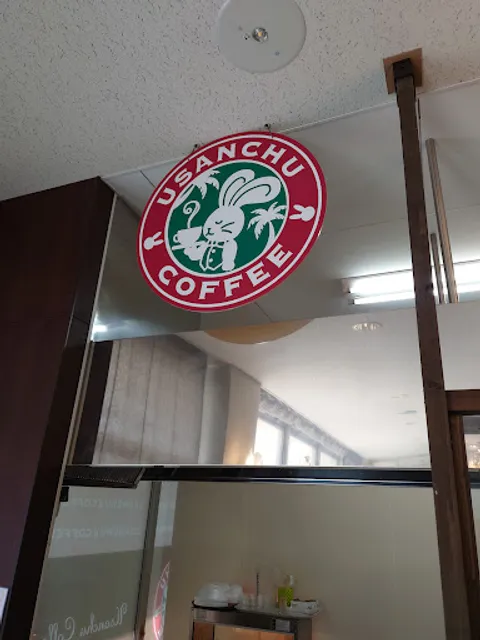
Restaurant Usanchu
5476-4 Tadanoumicho, Takehara, Hiroshima 729-2311, Japan
Nearby hotels
KYUKAMURA OHKUNOSHIMA
5476-4 Tadanoumicho, Takehara, Hiroshima 729-2311, Japan
Related posts
Keywords
Ōkunoshima Island Poison Gas Museum tourism.Ōkunoshima Island Poison Gas Museum hotels.Ōkunoshima Island Poison Gas Museum bed and breakfast. flights to Ōkunoshima Island Poison Gas Museum.Ōkunoshima Island Poison Gas Museum attractions.Ōkunoshima Island Poison Gas Museum restaurants.Ōkunoshima Island Poison Gas Museum travel.Ōkunoshima Island Poison Gas Museum travel guide.Ōkunoshima Island Poison Gas Museum travel blog.Ōkunoshima Island Poison Gas Museum pictures.Ōkunoshima Island Poison Gas Museum photos.Ōkunoshima Island Poison Gas Museum travel tips.Ōkunoshima Island Poison Gas Museum maps.Ōkunoshima Island Poison Gas Museum things to do.
Ōkunoshima Island Poison Gas Museum things to do, attractions, restaurants, events info and trip planning
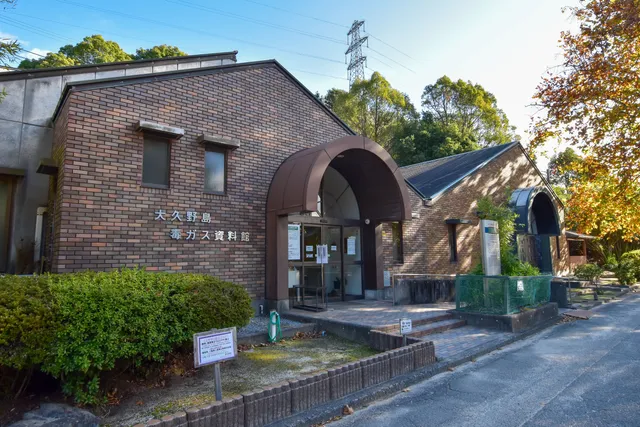
Ōkunoshima Island Poison Gas Museum
JapanHiroshima PrefectureTakeharaŌkunoshima Island Poison Gas Museum

Basic Info

Ōkunoshima Island Poison Gas Museum

5491 Tadanoumicho, Takehara, Hiroshima 729-2311, Japan
4.0(388)
Open 24 hours
Save
spot

Ratings & Description

Info

Cultural
Accessibility
attractions: Power Plant Ruins, Nagaura toxic gas storage site, restaurants: Restaurant Usanchu
logoLearn more insights from Wanderboat AI.
Phone
+81 846-26-3036
Website
takeharakankou.jp

Plan your stay

hotel
Pet-friendly Hotels in Takehara
Find a cozy hotel nearby and make it a full experience.
hotel
Affordable Hotels in Takehara
Find a cozy hotel nearby and make it a full experience.
hotel
The Coolest Hotels You Haven't Heard Of (Yet)
Find a cozy hotel nearby and make it a full experience.
hotel
Trending Stays Worth the Hype in Takehara
Find a cozy hotel nearby and make it a full experience.

Reviews

Nearby attractions of Ōkunoshima Island Poison Gas Museum

Power Plant Ruins

Nagaura toxic gas storage site

Power Plant Ruins

Power Plant Ruins

4.4

(157)

Open 24 hours
Click for details
Nagaura toxic gas storage site

Nagaura toxic gas storage site

4.2

(141)

Open until 12:00 AM
Click for details

Things to do nearby

Enjoy sutra copying and shojin-ryori at Chozenji Temple!Japanese Culture Experience
Tue, Dec 9 • 10:00 AM
725-0004, Hiroshima, Takehara, Japan
View details

Nearby restaurants of Ōkunoshima Island Poison Gas Museum

Restaurant Usanchu

Restaurant Usanchu

Restaurant Usanchu

3.4

(53)

Closed
Click for details
Get the Appoverlay
Get the AppOne tap to find yournext favorite spots!
Wanderboat LogoWanderboat

Your everyday Al companion for getaway ideas

CompanyAbout Us
InformationAI Trip PlannerSitemap
SocialXInstagramTiktokLinkedin
LegalTerms of ServicePrivacy Policy

Get the app

© 2025 Wanderboat. All rights reserved.
logo

Reviews of Ōkunoshima Island Poison Gas Museum

4.0
(388)
avatar
5.0
48w

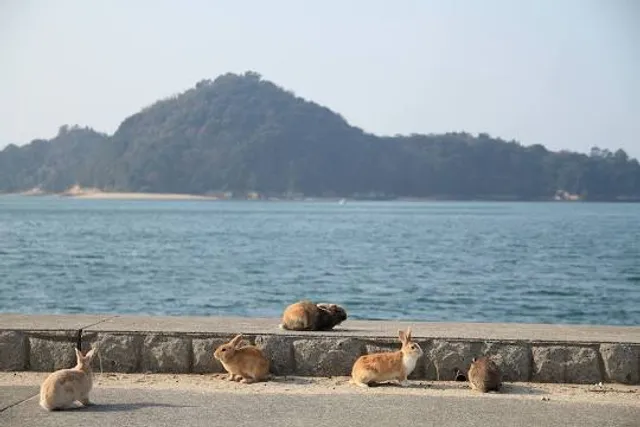
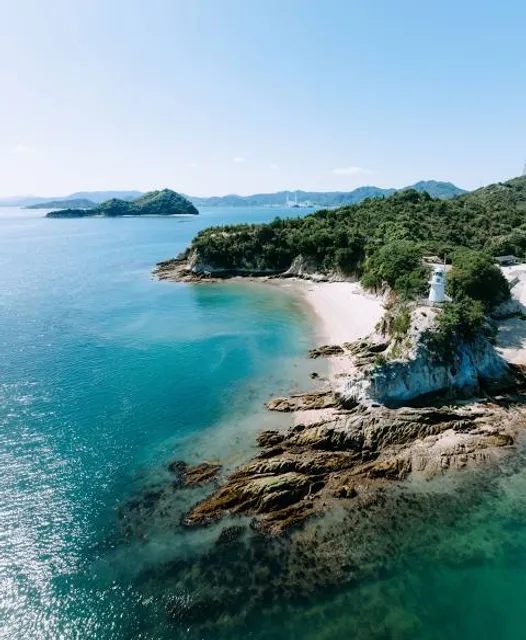
Ōkunoshima, a small island in the Seto Inland Sea of Japan, holds a haunting yet historically significant past. Known as "Rabbit Island" for its population of friendly wild rabbits, it also houses the Ōkunoshima Poison Gas Museum (大久野島毒ガス資料館). This museum serves as a stark reminder of Japan's role in the production of chemical weapons during World War II and is dedicated to educating visitors about the dangers and devastating consequences of poison gas warfare.

The museum was established in 1988 to shed light on a little-known chapter of history. During the war, Ōkunoshima became the site of a secret poison gas factory operated by the Imperial Japanese Army. From 1929 to 1945, the factory produced large quantities of mustard gas and other chemical agents, used in warfare despite international prohibitions. The island's location was chosen for its isolation, and its existence was erased from maps to maintain secrecy.

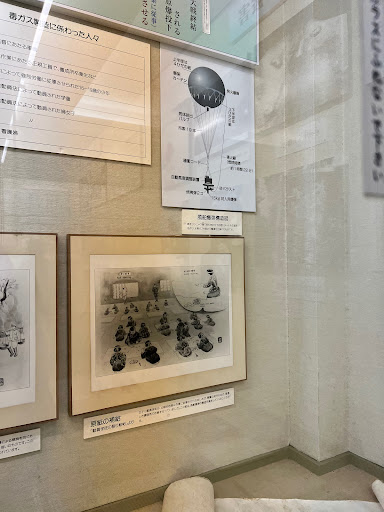
The Poison Gas Museum presents a sobering narrative through photographs, documents, and artifacts from the era. Visitors can see protective gear, gas canisters, and accounts from workers who suffered severe health consequences due to inadequate safety measures. The museum also emphasizes the tragic impact of poison gas on human lives, underscoring the ethical and humanitarian issues surrounding its use.

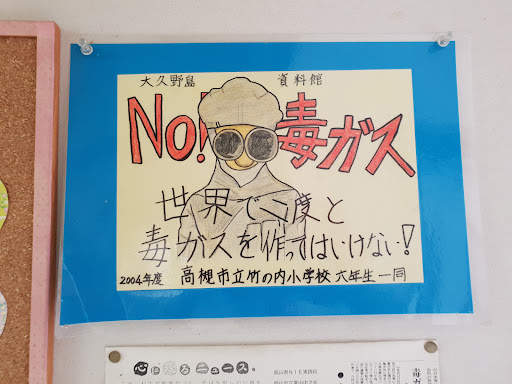
By confronting this dark past, the museum aims to promote peace and advocate for the abolition of chemical weapons worldwide. It reminds visitors of the importance of learning from history to prevent the recurrence of such atrocities.

Ōkunoshima today is a paradoxical blend of natural beauty, playful rabbits, and a poignant historical legacy. The Poison Gas Museum stands as a crucial educational institution, ensuring that the lessons of the past remain relevant for future...

   Read more
avatar
4.0
1y

The Okunoshima Island Poison Gas Museum is a significant and sobering site dedicated to educating visitors about the island's dark history as a center for chemical weapon production during World War II.

There was a big group of young students visiting the place at the same time as I did. The museum provides an in-depth look at the development, production, and impact of poison gas manufactured on the island.

The museum acts as a memorial to those who suffered and died due to the poison gas production on Okunoshima Island. It emphasizes the human cost of war and the importance of remembering history to avoid repeating it.

The museum highlights the devastating effects of chemical warfare, showcasing testimonies from those affected, including the workers and victims of poison gas attacks. It also discusses the environmental and health consequences that persisted long after the...

   Read more
avatar
4.0
1y

Visited Saturday, May 11, 2024

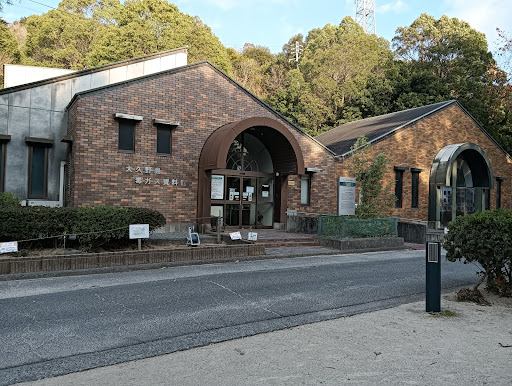
The museum is small and basic in appearance, but it contains much history. As others have said, not much signage is in English, but I was able to use my phone to translate the information and get as much from the experience as possible. Even without the translation, the pictures and the context of the items speak volumes as to what took place at this location over many years.

Without visiting the museum, the island is simply a modern tourist destination with rabbits everywhere. It is not until stepping into the museum and learning from the past that visitors truly realize the significance of the island, its location, and its...

   Read more
Page 1 of 7
Previous
Next

Posts

Ahmedul AzamAhmedul Azam
Ōkunoshima, a small island in the Seto Inland Sea of Japan, holds a haunting yet historically significant past. Known as "Rabbit Island" for its population of friendly wild rabbits, it also houses the Ōkunoshima Poison Gas Museum (大久野島毒ガス資料館). This museum serves as a stark reminder of Japan's role in the production of chemical weapons during World War II and is dedicated to educating visitors about the dangers and devastating consequences of poison gas warfare. The museum was established in 1988 to shed light on a little-known chapter of history. During the war, Ōkunoshima became the site of a secret poison gas factory operated by the Imperial Japanese Army. From 1929 to 1945, the factory produced large quantities of mustard gas and other chemical agents, used in warfare despite international prohibitions. The island's location was chosen for its isolation, and its existence was erased from maps to maintain secrecy. The Poison Gas Museum presents a sobering narrative through photographs, documents, and artifacts from the era. Visitors can see protective gear, gas canisters, and accounts from workers who suffered severe health consequences due to inadequate safety measures. The museum also emphasizes the tragic impact of poison gas on human lives, underscoring the ethical and humanitarian issues surrounding its use. By confronting this dark past, the museum aims to promote peace and advocate for the abolition of chemical weapons worldwide. It reminds visitors of the importance of learning from history to prevent the recurrence of such atrocities. Ōkunoshima today is a paradoxical blend of natural beauty, playful rabbits, and a poignant historical legacy. The Poison Gas Museum stands as a crucial educational institution, ensuring that the lessons of the past remain relevant for future generations.
João LeitãoJoão Leitão
The Okunoshima Island Poison Gas Museum is a significant and sobering site dedicated to educating visitors about the island's dark history as a center for chemical weapon production during World War II. There was a big group of young students visiting the place at the same time as I did. The museum provides an in-depth look at the development, production, and impact of poison gas manufactured on the island. The museum acts as a memorial to those who suffered and died due to the poison gas production on Okunoshima Island. It emphasizes the human cost of war and the importance of remembering history to avoid repeating it. The museum highlights the devastating effects of chemical warfare, showcasing testimonies from those affected, including the workers and victims of poison gas attacks. It also discusses the environmental and health consequences that persisted long after the production ceased.
John DurkinJohn Durkin
Okunoshima was used to manufacture chemical weapons until 1945 by the Imperial Japanese Army. The island was top secret, workers labored sworn to secrecy with little protection, and slave like conditions. This small museum has a few artifacts from the dark days and lots of photos. People come to Okunoshima "Rabbit Island" to see the cute rabbits, but the island's dark history is inescapable due to the many chemical weapon facilities still preserved and displayed. A bit depressing. Locals say the rabbits were used for chemical experiments and were released when the Americans dismantled the factory and destroyed the weapons. 150 yen entry fee.
See more posts
See more posts
hotel
Find your stay

Pet-friendly Hotels in Takehara

Find a cozy hotel nearby and make it a full experience.

Ōkunoshima, a small island in the Seto Inland Sea of Japan, holds a haunting yet historically significant past. Known as "Rabbit Island" for its population of friendly wild rabbits, it also houses the Ōkunoshima Poison Gas Museum (大久野島毒ガス資料館). This museum serves as a stark reminder of Japan's role in the production of chemical weapons during World War II and is dedicated to educating visitors about the dangers and devastating consequences of poison gas warfare. The museum was established in 1988 to shed light on a little-known chapter of history. During the war, Ōkunoshima became the site of a secret poison gas factory operated by the Imperial Japanese Army. From 1929 to 1945, the factory produced large quantities of mustard gas and other chemical agents, used in warfare despite international prohibitions. The island's location was chosen for its isolation, and its existence was erased from maps to maintain secrecy. The Poison Gas Museum presents a sobering narrative through photographs, documents, and artifacts from the era. Visitors can see protective gear, gas canisters, and accounts from workers who suffered severe health consequences due to inadequate safety measures. The museum also emphasizes the tragic impact of poison gas on human lives, underscoring the ethical and humanitarian issues surrounding its use. By confronting this dark past, the museum aims to promote peace and advocate for the abolition of chemical weapons worldwide. It reminds visitors of the importance of learning from history to prevent the recurrence of such atrocities. Ōkunoshima today is a paradoxical blend of natural beauty, playful rabbits, and a poignant historical legacy. The Poison Gas Museum stands as a crucial educational institution, ensuring that the lessons of the past remain relevant for future generations.
Ahmedul Azam

Ahmedul Azam

hotel
Find your stay

Affordable Hotels in Takehara

Find a cozy hotel nearby and make it a full experience.

Get the Appoverlay
Get the AppOne tap to find yournext favorite spots!
The Okunoshima Island Poison Gas Museum is a significant and sobering site dedicated to educating visitors about the island's dark history as a center for chemical weapon production during World War II. There was a big group of young students visiting the place at the same time as I did. The museum provides an in-depth look at the development, production, and impact of poison gas manufactured on the island. The museum acts as a memorial to those who suffered and died due to the poison gas production on Okunoshima Island. It emphasizes the human cost of war and the importance of remembering history to avoid repeating it. The museum highlights the devastating effects of chemical warfare, showcasing testimonies from those affected, including the workers and victims of poison gas attacks. It also discusses the environmental and health consequences that persisted long after the production ceased.
João Leitão

João Leitão

hotel
Find your stay

The Coolest Hotels You Haven't Heard Of (Yet)

Find a cozy hotel nearby and make it a full experience.

hotel
Find your stay

Trending Stays Worth the Hype in Takehara

Find a cozy hotel nearby and make it a full experience.

Okunoshima was used to manufacture chemical weapons until 1945 by the Imperial Japanese Army. The island was top secret, workers labored sworn to secrecy with little protection, and slave like conditions. This small museum has a few artifacts from the dark days and lots of photos. People come to Okunoshima "Rabbit Island" to see the cute rabbits, but the island's dark history is inescapable due to the many chemical weapon facilities still preserved and displayed. A bit depressing. Locals say the rabbits were used for chemical experiments and were released when the Americans dismantled the factory and destroyed the weapons. 150 yen entry fee.
John Durkin

John Durkin

See more posts
See more posts