The University of Tokyo things to do, attractions, restaurants, events info and trip planning
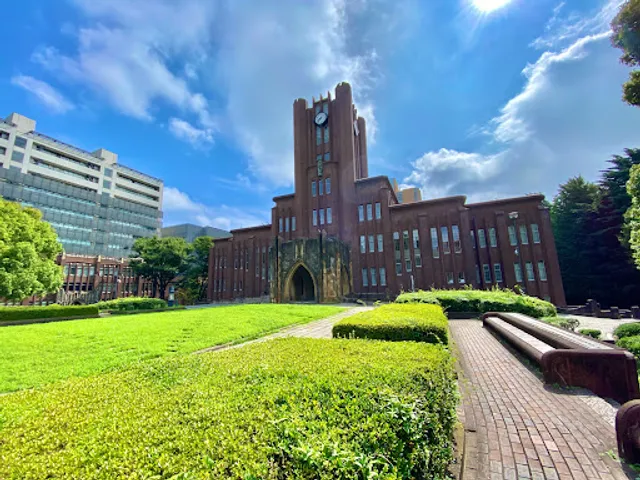
Basic Info
The University of Tokyo
7 Chome-3-1 Hongo, Bunkyo City, Tokyo 113-8654, Japan
4.5(1.3K)
Open until 12:00 AM
Save
spot
spot
Ratings & Description
Info
Cultural
Accessibility
attractions: Yayoi Museum, Yasuda Auditorium, The University of Tokyo, Takehisa Yumeji Museum, Sanshirō Pond, Ginkgo Trees, Hongo Campus, University of Tokyo, Faculty of Science Building 1, Akamon, Hongo Campus, The University of Tokyo, The University of Tokyo - Yayoi Campus, Former Iwasaki House Garden, restaurants: Hongō Dai-ni Shokudō, Doutor, NEOPONTE Tokyo, Yumeji Cafe, Starbucks Coffee - Faculty of Engineering, The University of Tokyo, Ginkgo Metro Restaurant, Cafe Rouault, Kadoya Sanjo Tei, 美味しい屋, European Curry Le Moulin, local businesses: Co-op Store No. 2, The University of Tokyo, Faculty of Engineering Building 2, Graduate School of Humanities and Sociology / Faculty of Letters, University of Tokyo, University of Tokyo General Library, The University of Tokyo Medical School Hospital, Nitchuyukokaikan Museum, 東大正門, Pavilion of Reptiles and Amphibians, Nezu Shrine, Ueno Toshogu Shrine
 Learn more insights from Wanderboat AI.
Phone
+81 3-3812-2111
Website
u-tokyo.ac.jp
Open hoursSee all hours
SunClosedOpen
Plan your stay

Pet-friendly Hotels in Tokyo
Find a cozy hotel nearby and make it a full experience.

Affordable Hotels in Tokyo
Find a cozy hotel nearby and make it a full experience.

The Coolest Hotels You Haven't Heard Of (Yet)
Find a cozy hotel nearby and make it a full experience.

Trending Stays Worth the Hype in Tokyo
Find a cozy hotel nearby and make it a full experience.
Reviews
Live events
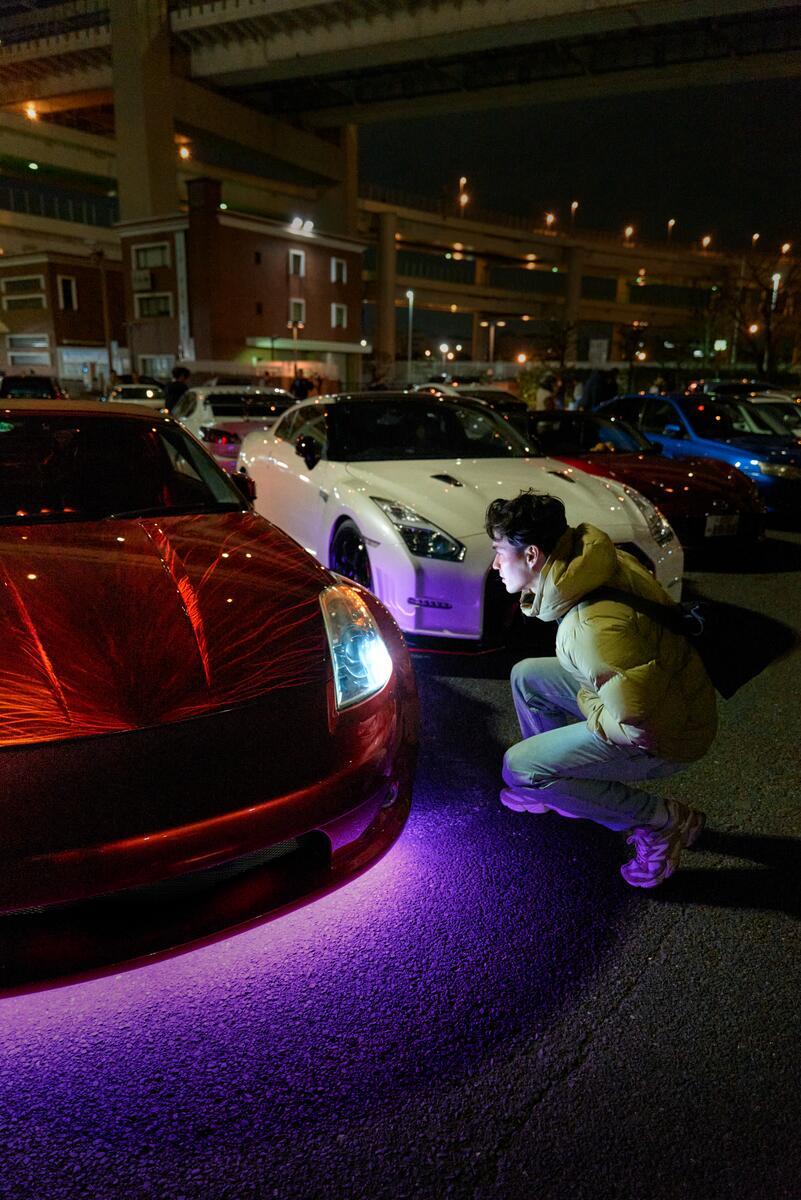
Drive Tokyo’s car culture in a Nissan Skyline
Mon, Feb 23 • 8:30 PM
150-0047, Tokyo Prefecture, Shibuya, Japan
View details
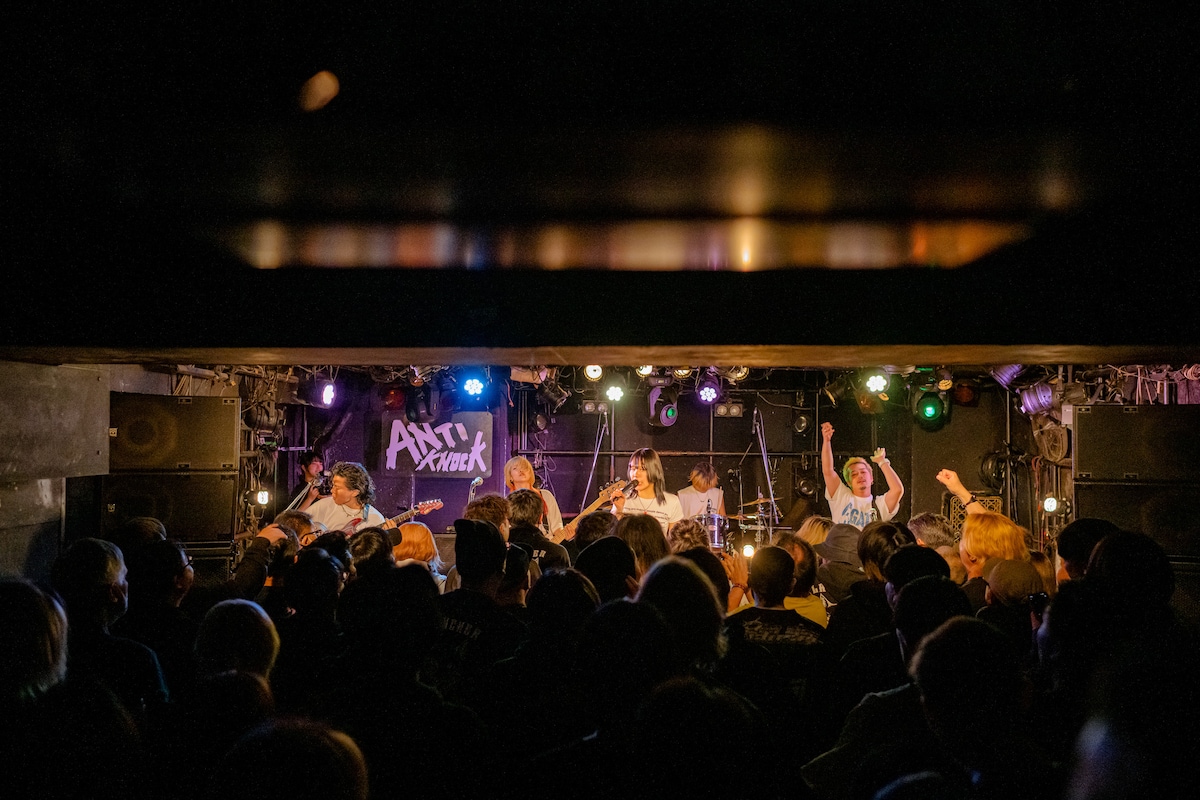
Explore Tokyo’s music scene with an insider
Sun, Feb 22 • 4:00 PM
150-0043, Tokyo Prefecture, Shibuya, Japan
View details

الإفطار العربي التشاركي 1447هـ
Sun, Feb 22 • 4:00 PM
Toshima, 5 Chome−4-4 1F Kita City, Tokyo 114-0003
View details
Nearby attractions of The University of Tokyo
Yayoi Museum
Yasuda Auditorium, The University of Tokyo
Takehisa Yumeji Museum
Sanshirō Pond
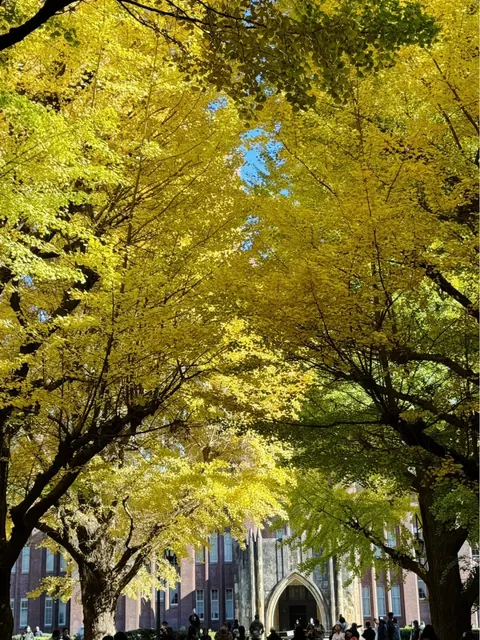
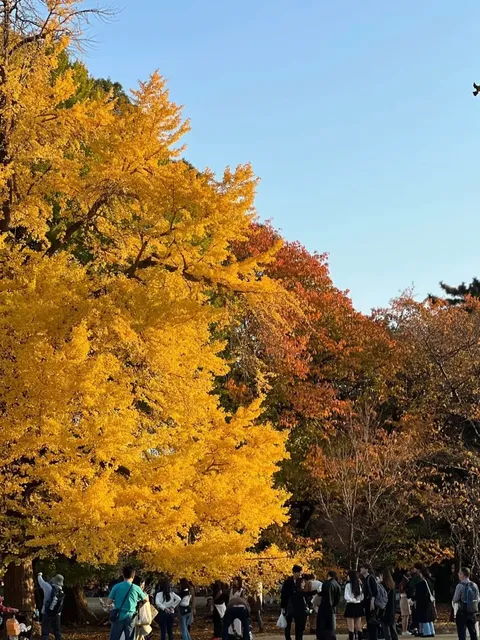
Ginkgo Trees, Hongo Campus, University of Tokyo
Faculty of Science Building 1
Akamon
Hongo Campus, The University of Tokyo
The University of Tokyo - Yayoi Campus
Former Iwasaki House Garden
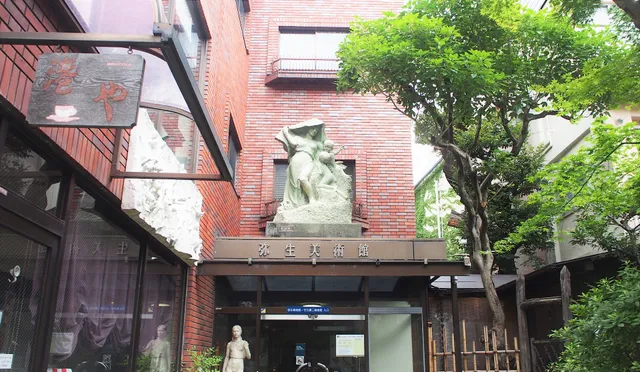
Yayoi Museum
4.2
(444)
Closed
Click for details
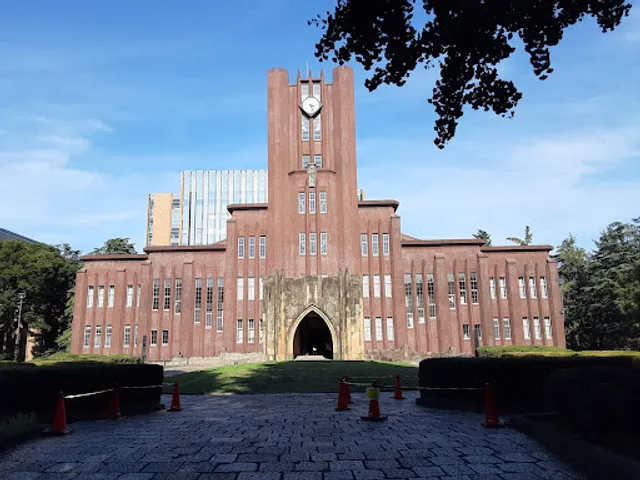
Yasuda Auditorium, The University of Tokyo
4.5
(99)
Open 24 hours
Click for details
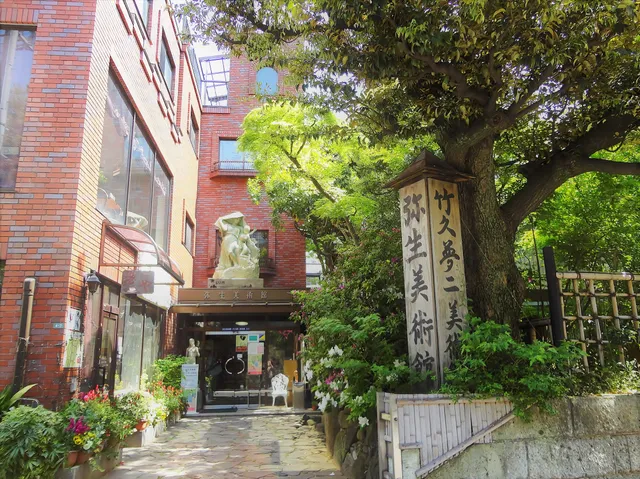
Takehisa Yumeji Museum
4.2
(110)
Closed
Click for details
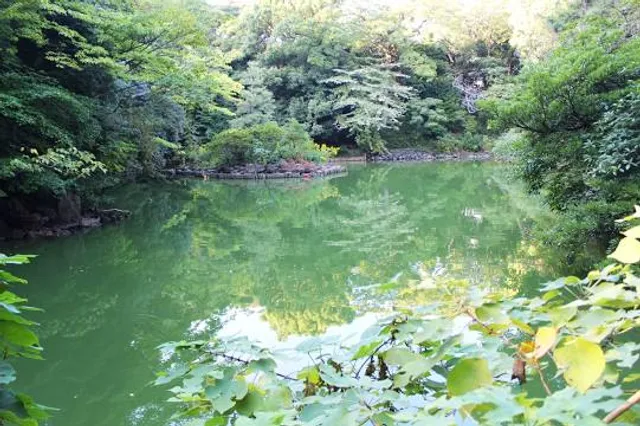
Sanshirō Pond
4.3
(209)
Open until 12:00 AM
Click for details
Nearby restaurants of The University of Tokyo
Hongō Dai-ni Shokudō
Doutor
NEOPONTE Tokyo
Yumeji Cafe
Starbucks Coffee - Faculty of Engineering, The University of Tokyo
Ginkgo Metro Restaurant
Cafe Rouault
Kadoya Sanjo Tei
美味しい屋
European Curry Le Moulin
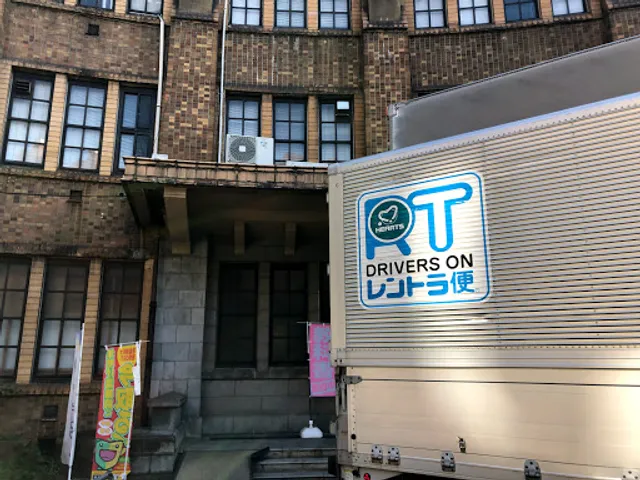
Hongō Dai-ni Shokudō
3.9
(151)
Open until 12:00 AM
Click for details
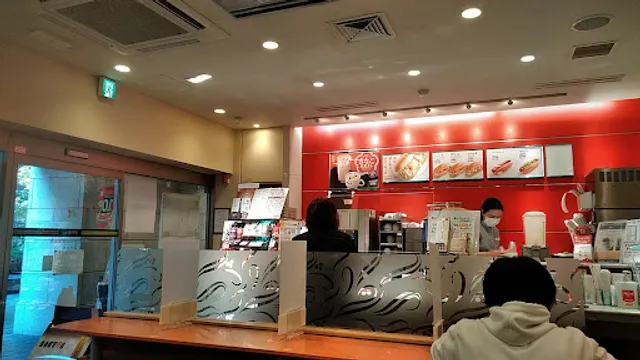
Doutor
3.9
(64)
Open until 12:00 AM
Click for details
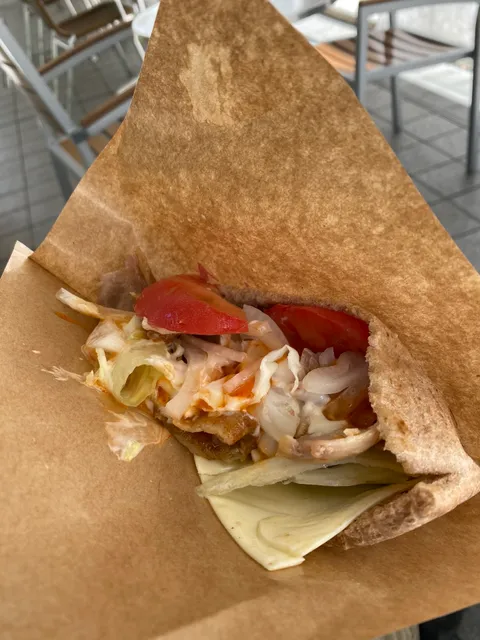
NEOPONTE Tokyo
4.5
(9)
Open until 12:00 AM
Click for details
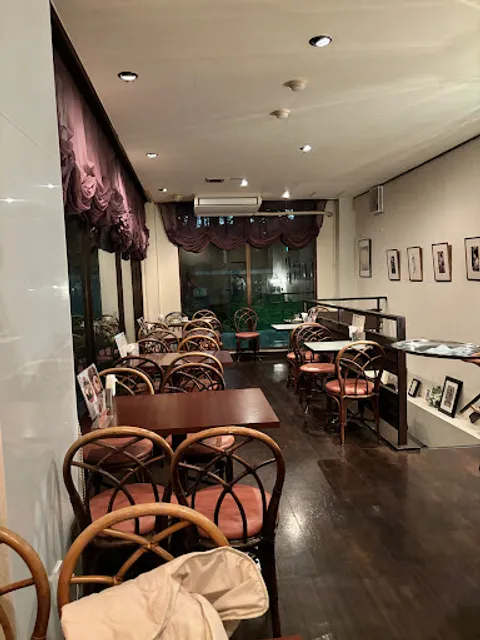
Yumeji Cafe
4.4
(32)
Closed
Click for details
Nearby local services of The University of Tokyo
Co-op Store No. 2, The University of Tokyo
Faculty of Engineering Building 2
Graduate School of Humanities and Sociology / Faculty of Letters, University of Tokyo
University of Tokyo General Library
The University of Tokyo Medical School Hospital
Nitchuyukokaikan Museum
東大正門
Pavilion of Reptiles and Amphibians
Nezu Shrine
Ueno Toshogu Shrine
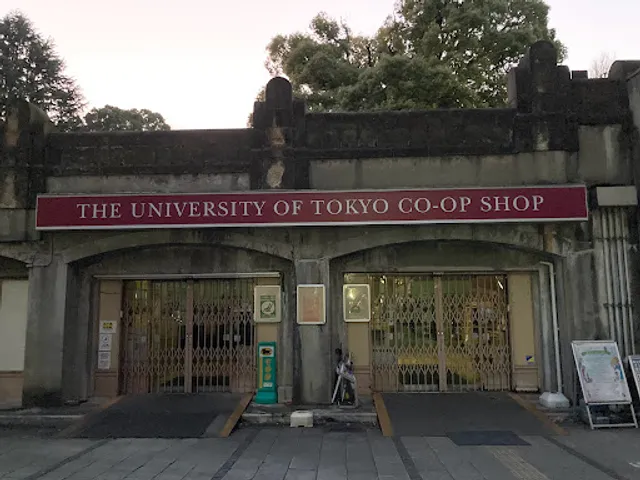
Co-op Store No. 2, The University of Tokyo
4.3
(48)
Click for details
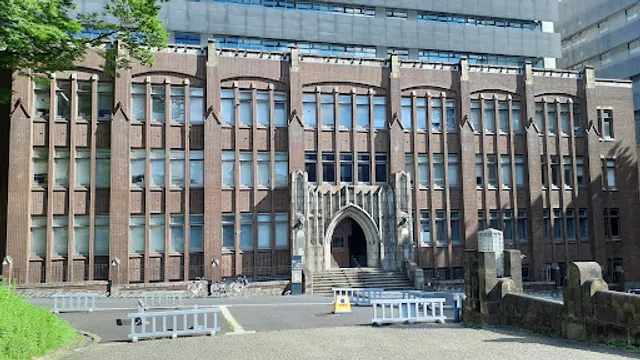
Faculty of Engineering Building 2
4.5
(41)
Click for details
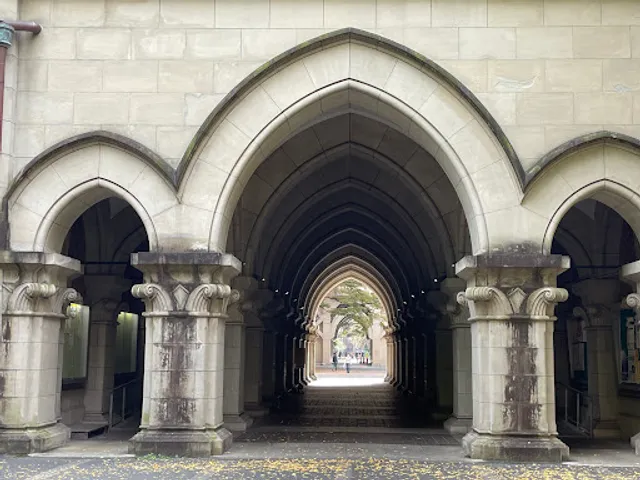
Graduate School of Humanities and Sociology / Faculty of Letters, University of Tokyo
4.2
(20)
Click for details
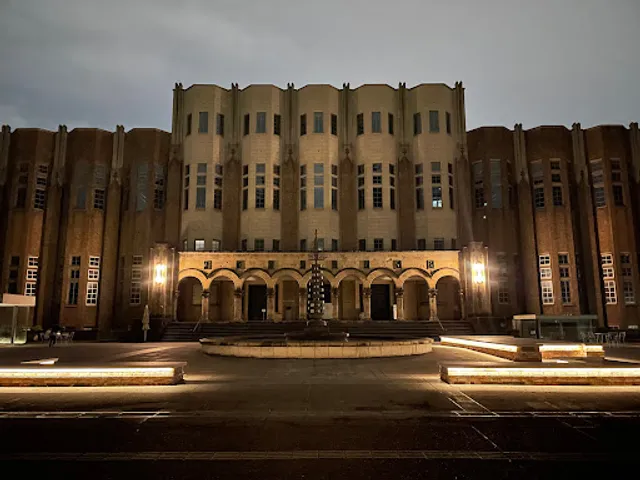
University of Tokyo General Library
4.4
(64)
Click for details