Tomb of 'Unayshu things to do, attractions, restaurants, events info and trip planning
Basic Info
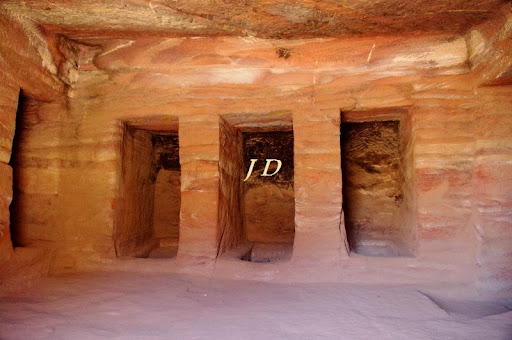
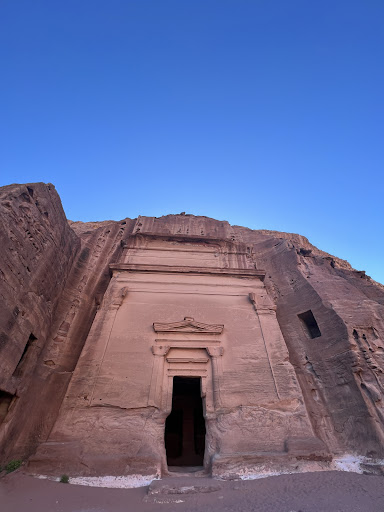
Tomb of 'Unayshu
8CFX+QJP, Wadi Musa, Jordan
4.7(81)
Open 24 hours
Save
spot
spot
Ratings & Description
Info
Cultural
Scenic
Off the beaten path
attractions: The Treasury, Nabatean Theatre, Urn Tomb, Royal Tombs, High Place of Sacrifice, Silk Tomb, Palace Tomb, Corinthian tomb, Al-Siq, Renaissance Tomb, restaurants: , local businesses:
 Learn more insights from Wanderboat AI.
Website
manuelcohen.photoshelter.com
Plan your stay

Pet-friendly Hotels in Maan
Find a cozy hotel nearby and make it a full experience.

Affordable Hotels in Maan
Find a cozy hotel nearby and make it a full experience.

The Coolest Hotels You Haven't Heard Of (Yet)
Find a cozy hotel nearby and make it a full experience.

Trending Stays Worth the Hype in Maan
Find a cozy hotel nearby and make it a full experience.
Reviews
Live events
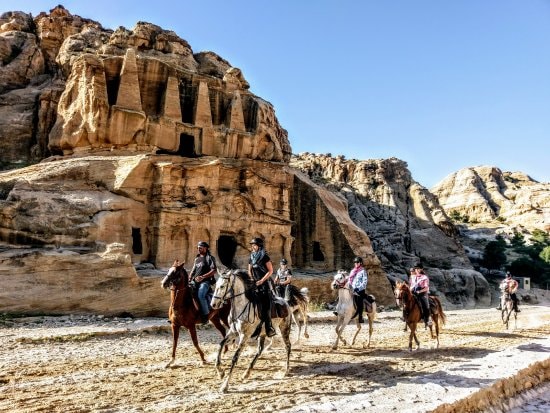
Explore Petra like Indiana Jones on a horseback
Sat, Feb 14 • 8:30 AM
Wadi Musa, Ma'an Governorate , Jordan
View details

Traditional Jordanian meals & warm hospitality
Thu, Feb 12 • 9:00 PM
Wadi Musa, Ma'an Governorate, Jordan
View details
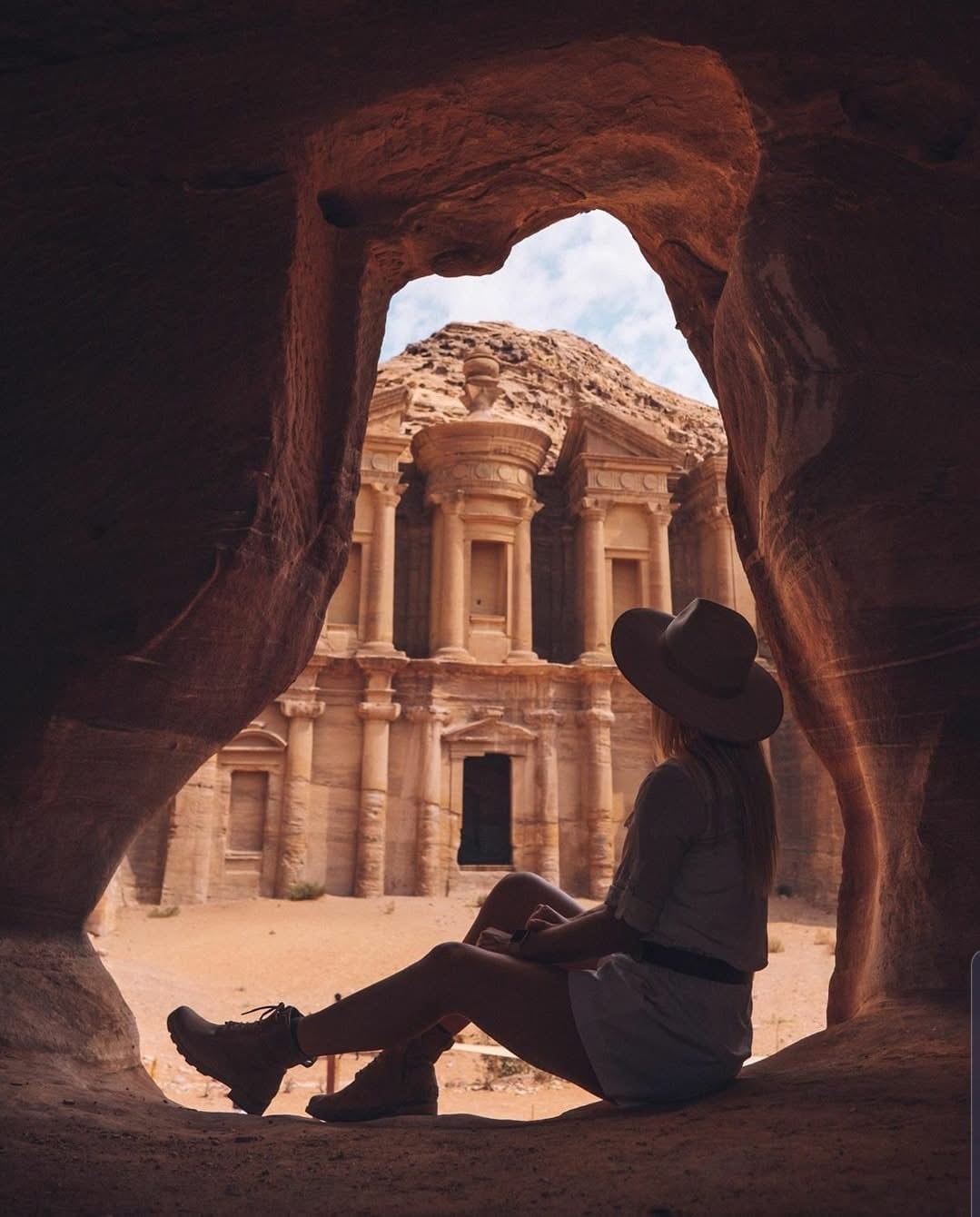
Hike through Petras hidden back trail
Fri, Feb 13 • 6:30 AM
Wadi Musa, Ma'an Governorate 00962, Jordan
View details
Nearby attractions of Tomb of 'Unayshu
The Treasury
Nabatean Theatre
Urn Tomb
Royal Tombs
High Place of Sacrifice
Silk Tomb
Palace Tomb
Corinthian tomb
Al-Siq
Renaissance Tomb
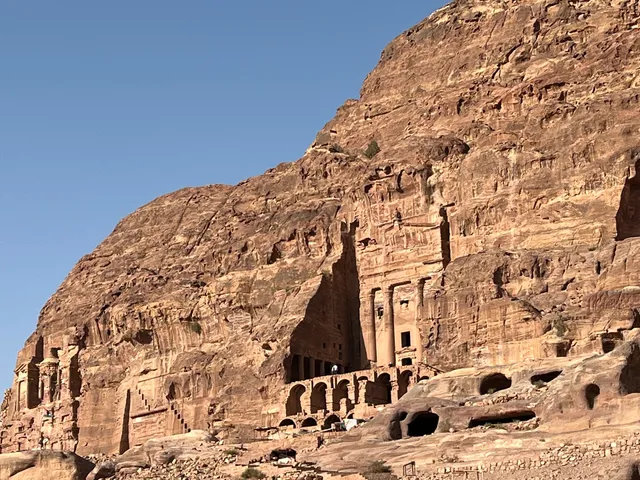
The Treasury
4.8
(5.2K)
Closed
Click for details
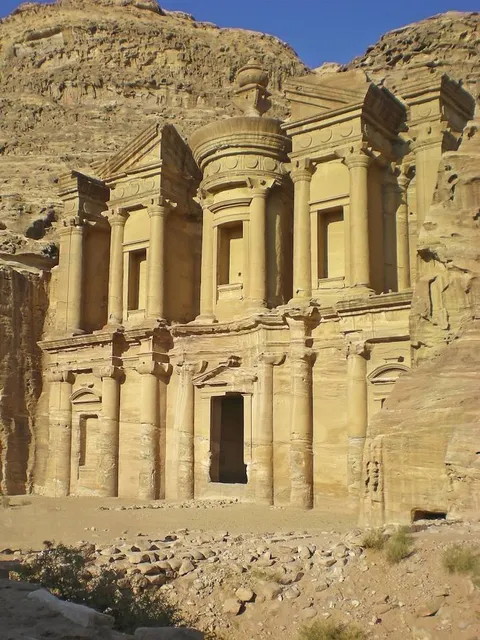
Nabatean Theatre
4.7
(423)
Closed
Click for details
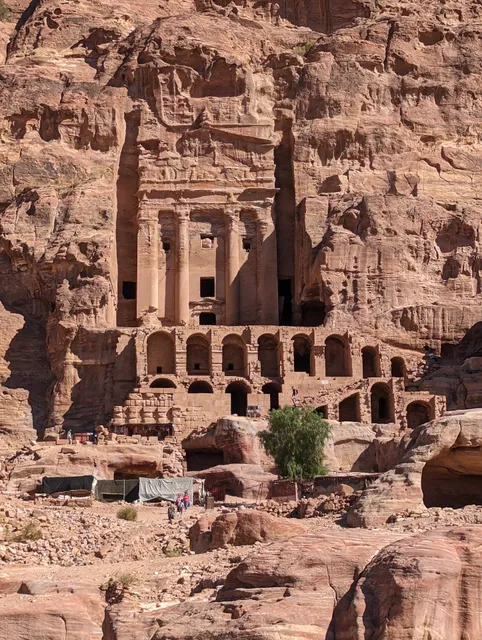
Urn Tomb
4.8
(118)
Open 24 hours
Click for details
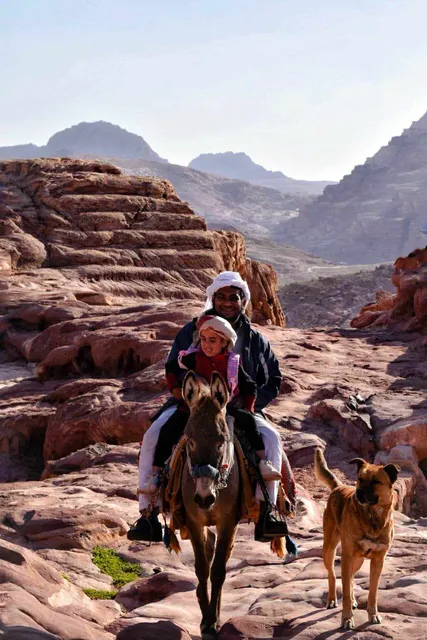
Royal Tombs
4.8
(148)
Closed
Click for details