We are Malaysians who live in the United Kingdom. We came back for a family holiday to Penang and our aunt recommended Khairul as a guide.
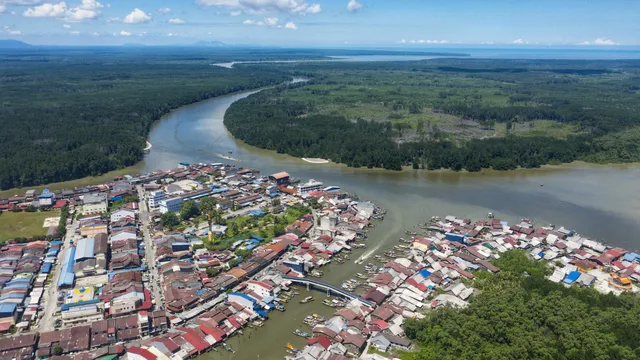
Kuala Sepetang, previously Port Weld is famous as the site of the 1st railway line in Malaysia and is around 1.5 hours drive from Penang. We booked a tour with Khairul as a multi-generational family including my father and mother in law, my wife and I and our two children age 13 and 10.
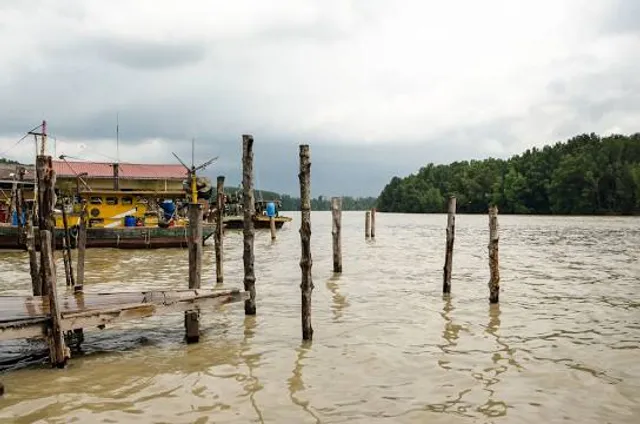
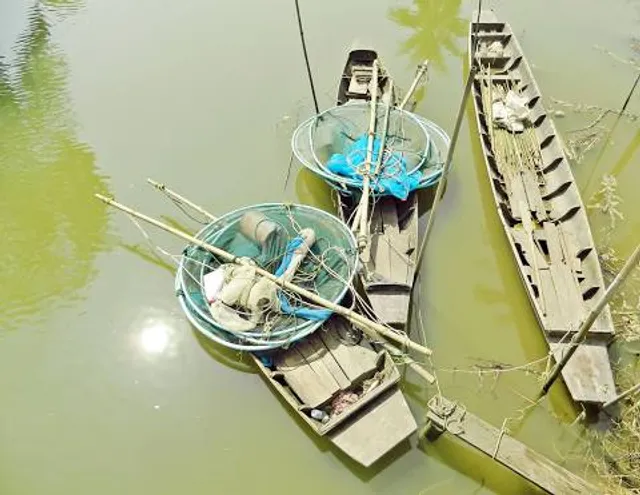
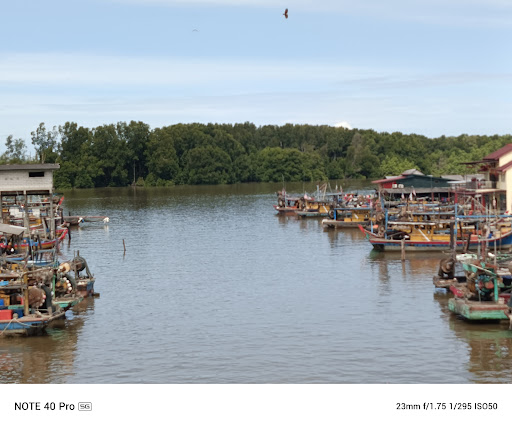
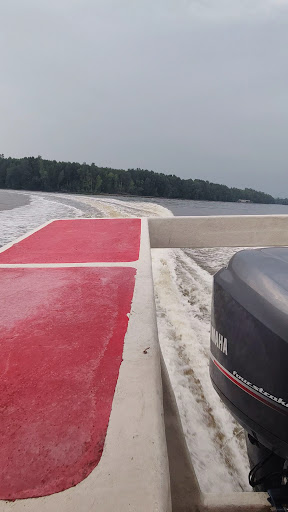
Since we were coming from Penang we were able to bespoke a tour with Khairul starting at 2.30pm. We had an afternoon tour around the fishing village introducing the local flora and fauna. Khairul's boat was very new, clean and sits upto 10 comfortably with a cover in case it rains. My son and I can get motion sick but the waterways are very calm. This afternoon tour took around 1 hour introducing the various boats, local birds, monitor lizards and mangrove species.
Khairul is very knowledgeable, with good spoken English and looked after us excellently. He is also a strong advocate for the area, the eco-economy and people of the region. Khairul collected mangrove seeds which we later planted in the waterways.
We then went to the eco park opting for the short 500m tour taking us through the mangrove swamp, the trees, how managed culling is done with an air-conditioned room containing an exhibition of Malaysia's 6 different forest ecologies, from mountain to sea which the mangrove swamp is part of.
Khairul then took us to the charcoal factory and took us through the 5 stages of charcoal production from the managed mangrove swamp. We then had a 1 hour break allowing us to explore Kuala Sepetang, see my separate review of the local shop.
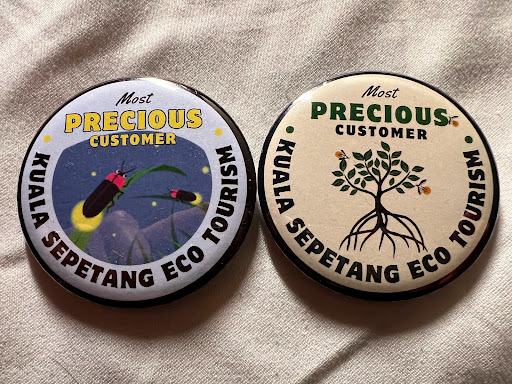
We started the evening firefly tour at 6.30 pm heading out into the sunset, exploring the night sky stars and then to the firefly areas where there were thousands of fireflys over many trees. In the dark, Khairul was teaching my son about the firefly life cycle and how they dissolve snails to consume and grow as larvae. There is an abundance of the firefly reflecting the health of the ecosystem here, but khairul also searched for the 2nd firefly species which sits higher up the trees with a slower blink.
Overall, having attended many guided tours around the world, Khairul is certainly an international class guide who has a passion for this area and its people. We highly recommend him, he can be found on www.kualasepetang.com. Khairul was a great educator and he looked after my family including my father and mother in law who has reduced mobility.
FYI there are 3 seafood restaurants around the harbour front for food, and we ate our lunch at Xin prior to the afternoon boat ride, and dinner after returning at Kang Kao (specialty is a prawn...
Read moreIf Google tells you the ticket costs RM200, don’t panic. It’s actually closer to RM25. Some private charters may charge more, but the standard tour is affordable and easy to join. The boats are clean, the life jackets are in good condition, and the whole trip has a “choose your own adventure” feel. Some ads mention dolphin sightings, but don’t count on it—they’re seasonal at best, maybe even mythical. No one brought them up on our visit.
What is on offer is a surprisingly rich view of river life. You’ll pass under the town’s iconic bridge while someone explains the different types of handmade boats. Then you’ll stop at a kelong (a floating fish farm)—part zoo, part classroom—where you might hold a horseshoe crab or gently touch a pufferfish. Kids get excited. Adults act cool. But everyone learns something, whether they admit it or not.
The highlight is the eagles—and they don’t disappoint. They are trained and arrive when the boats do. Like clockwork, the sky fills with 20 to 30 pairs of wings. Rumour has it you get to feed them, but we didn’t on our trip. Still, they fly close enough for great photos—and even better memories.
Most staff speak Malay and Mandarin. English varies depending on the guide. If your guide is Khairul, you’re in luck—he’s passionate, knowledgeable, and deeply respectful of the environment. The kind of person who makes you care about mangrove trees more than you thought possible.
Local schoolchildren often help out with customer service. Some are enthusiastic, others clearly wish they were somewhere else. On the one hand, it’s impressive how capable they are. On the other, you hope they’re being treated well and not skipping school just to help tourists hold sea creatures. Either way, it gives a glimpse into the town’s effort to keep eco-tourism alive.
It gets busy during peak times—expect long queues and less of a personal feel. Visit early or during off-peak hours if you prefer something quieter. Tours last around an hour to 90 minutes. Timings are flexible—or just loosely followed. Some slots are fixed, but others seem to leave when enough people arrive. It’s charming in a slightly chaotic, agak-agak kind of way.
All in all, this isn’t a polished theme park—and it doesn’t try to be. It’s the whole kampung coming together to share what it knows, what it loves, and what it’s trying hard to protect. And if you’re lucky, you’ll leave with more than just pictures of pufferfish—you’ll leave with a new...
Read moreFireflies are also called Lightning Bugs. Named as they are nocturnal luminous of the beetle family Lampyridae, consisting of about 2,000 species that inhibit tropical and temperate regions. The common glowworm is a member of this family. They shine in the night like fire to attract sexual partner.
Fireflies in Kg Dew is in the species of Pteroptyx tener. The mangrove trees called "berembang trees" by the local grow along the riverbanks of Sungai Sepetang river. These are the trees where the fireflies or "kelip kelip" in the local language congregating the adult male fireflies congregate on the leaf of the berembang tree at night to attract females. Like other bugs their life cycle is eggs, larvae, pupa and firefly. Female firefly lays their eggs on the wet soil 60 metres inland. After hatching the larvae become a predator. The larvae main food is the snails. Its bites on to the snail, then release the toxin to paralyse and digest the snail internally. After that it will suck the digested juice and leave the shell empty. As a predator the larvae consume everything they could hunt. The life cirle of the fireflies is about 6 month with most of it time as the larvae. The adult firefly lived just 2 weeks to find thier mates. After mating the male firefly will die, the female dies after lying it eggs
Firefly, one of the fascinating beetle that abound in Malaysia at one time and is now fast disappearing due to the fast pace of development. Fortunately, there are still fireflies congrageting at berembang tree to be seen in Kg Dew, Perak about 45 minutes or so drive from Penang Bridge using PLUS highway..
The best time to visit firefly is after nightfall at approximately 7:00pm to 11:00pm. It is also advisable to go when it is not full moon and not during raining evening.
Kuala Sepetang Eco Tourism Association Kuala Sepetang Eco Track Kuala Sepetang Eco Tours Sdn. Bhd. Mangrove Tour, Seafood, Charcoal, Dolphin, Taiping Perak Fireflies, Mee Udang, Eagles, Birds Watch, Fishing, Crab Netting, Cockles Harvesting, Soft Shell Crab, and,...
Read more