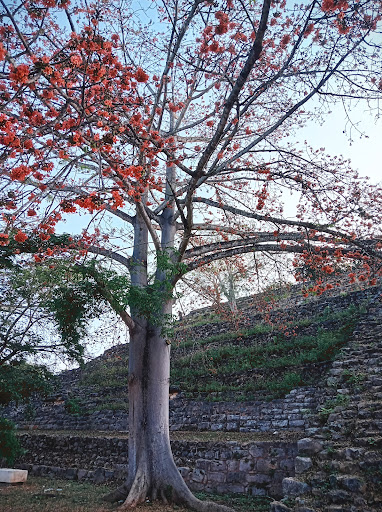
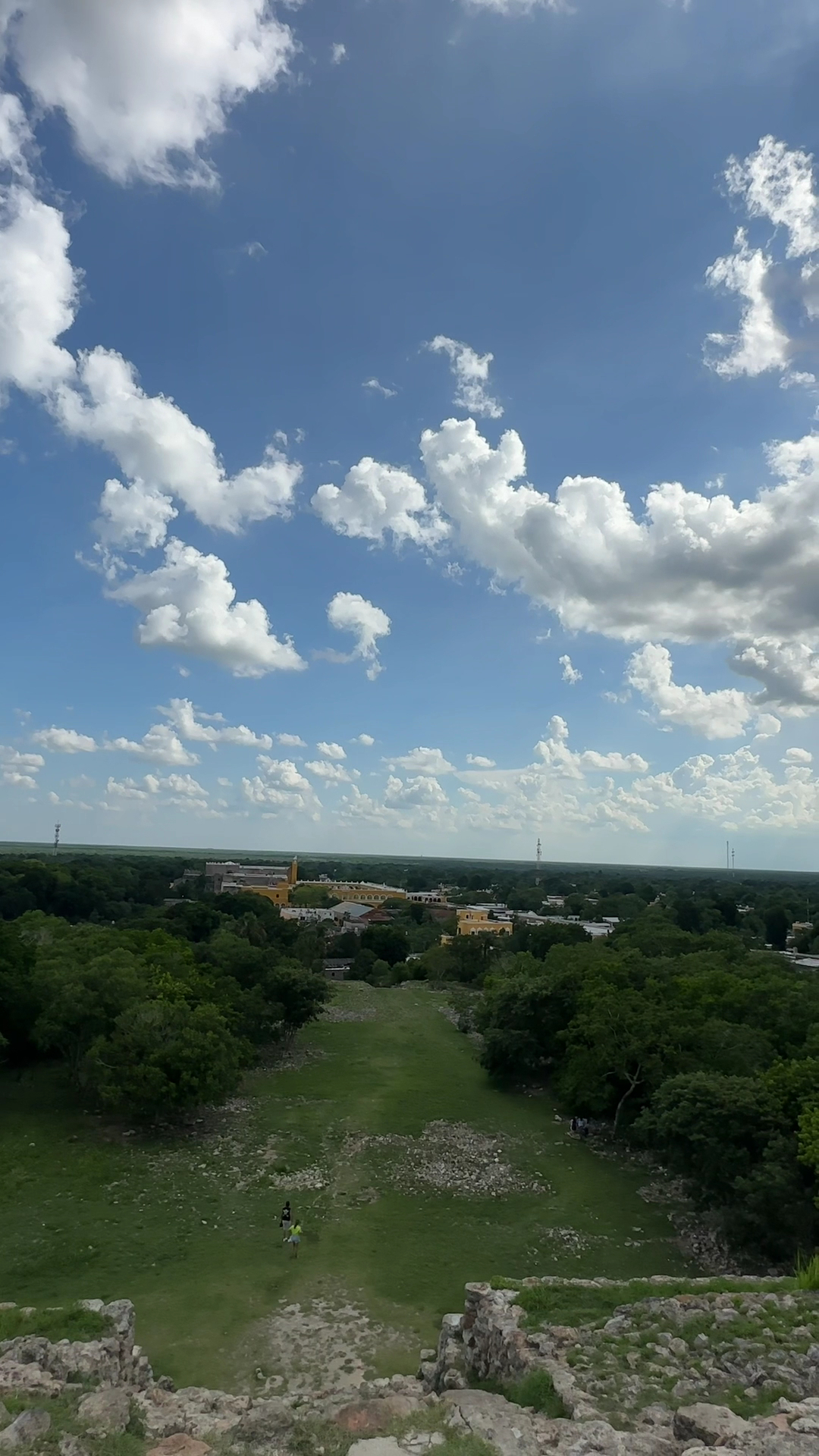
Pirámide Kinich Kak Moo things to do, attractions, restaurants, events info and trip planning
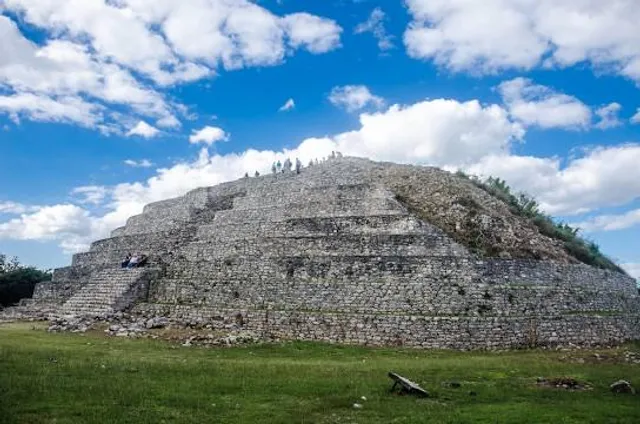
Basic Info
Pirámide Kinich Kak Moo
Calle 27 x 28 y 26, Centro, 97557 Izamal, Yuc., Mexico
4.7(2.2K)
Closed
Save
spot
spot
Ratings & Description
Info
Cultural
Outdoor
Family friendly
attractions: Pirámide de Itzamatul, Convento de San Antonio, Crafts Museum, Itzamna Park, restaurants: Restaurante Kinich Izamal, LA CASONA DE IZAMAL, "Bar Copacabana", Patio 21 Desayunos & Brunch Patio 21 Night, La Nueva Casita de Paja, GPM Cafetería, Paleteria Y Neveria "Gaby", Restaurante La Conquista, Dados Pizza, Restaurante Los Arcos, local businesses: Convento Franciscano, Mercado Municipal De Izamal Yuc., Capilla De Los Remedios, Centro Cultural Y Artesanal, Archaeological Zone of Izamal
 Learn more insights from Wanderboat AI.
Open hoursSee all hours
Fri8 AM - 5 PMClosed
Plan your stay

Pet-friendly Hotels in Izamal
Find a cozy hotel nearby and make it a full experience.

Affordable Hotels in Izamal
Find a cozy hotel nearby and make it a full experience.

The Coolest Hotels You Haven't Heard Of (Yet)
Find a cozy hotel nearby and make it a full experience.

Trending Stays Worth the Hype in Izamal
Find a cozy hotel nearby and make it a full experience.
Reviews
Live events
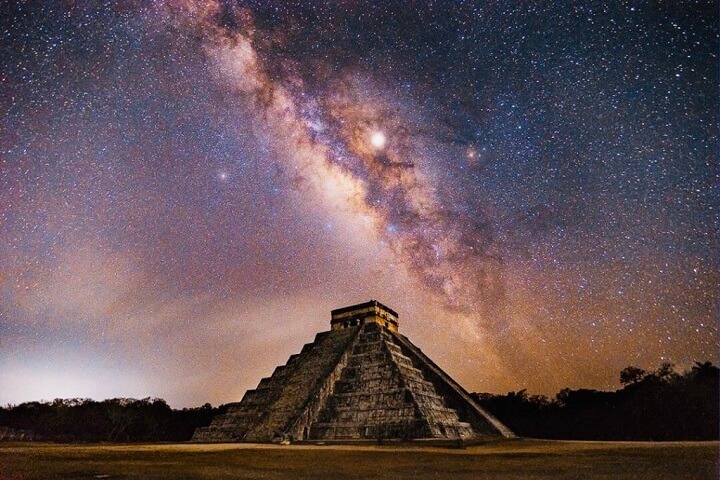
See Chichen Itza, a Mayan sanctuary, and a cenote
Fri, Feb 20 • 8:30 AM
NA, NA, Yucatan, Mexico
View details
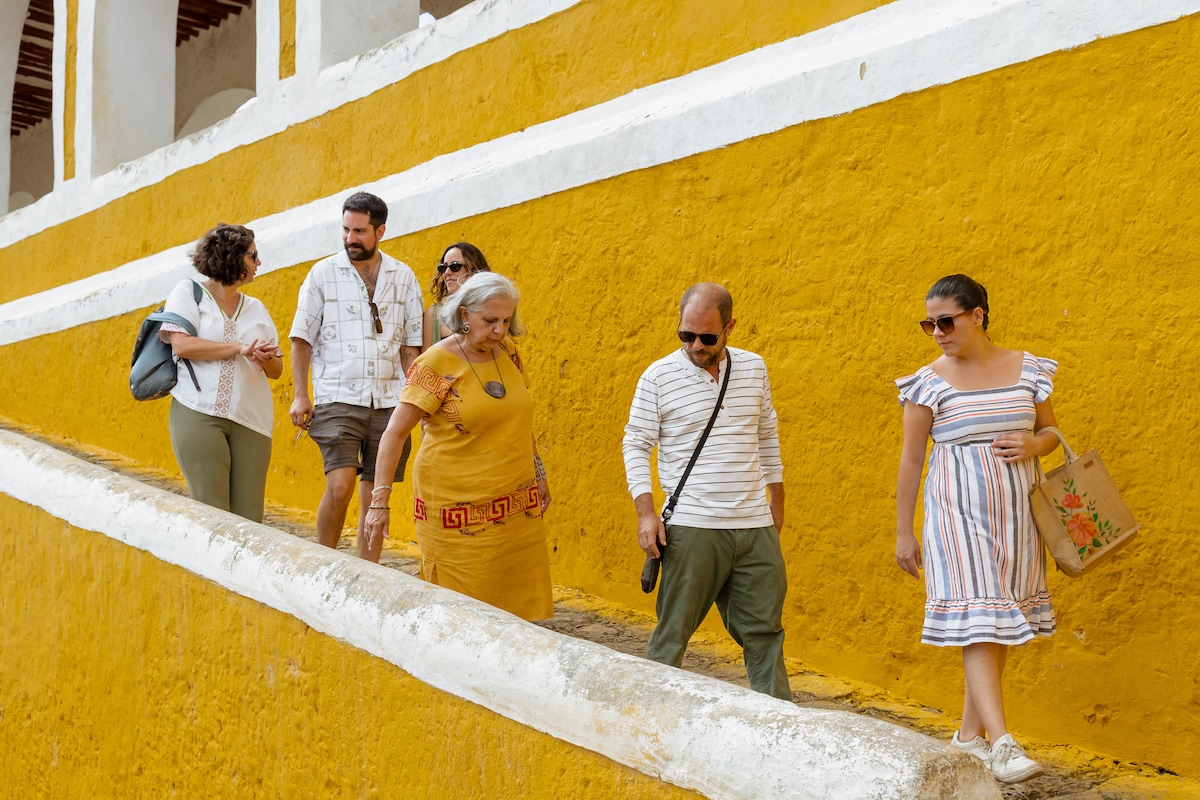
Experience Izamals history with a documentarian
Fri, Feb 20 • 9:00 AM
97540, Izamal, Yucatan, Mexico
View details
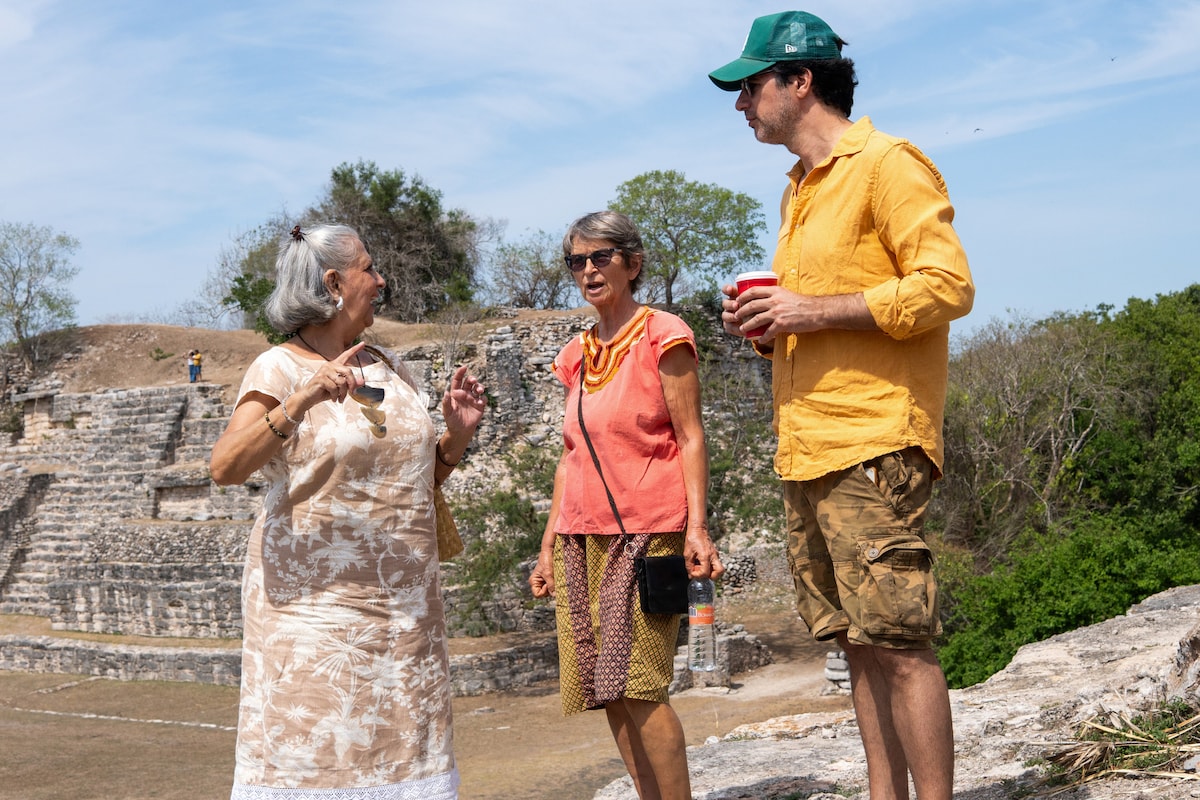
Walk the path of Maya and henequen
Fri, Feb 20 • 9:00 AM
97474, Ake, Yucatan, Mexico
View details
Nearby attractions of Pirámide Kinich Kak Moo
Pirámide de Itzamatul
Convento de San Antonio
Crafts Museum
Itzamna Park
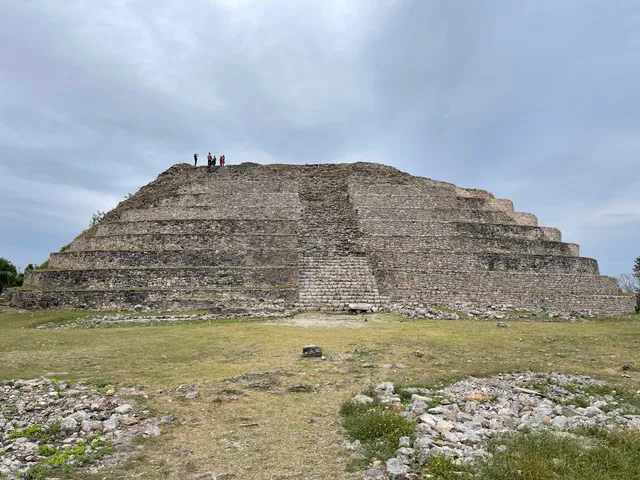
Pirámide de Itzamatul
4.5
(397)
Open 24 hours
Click for details
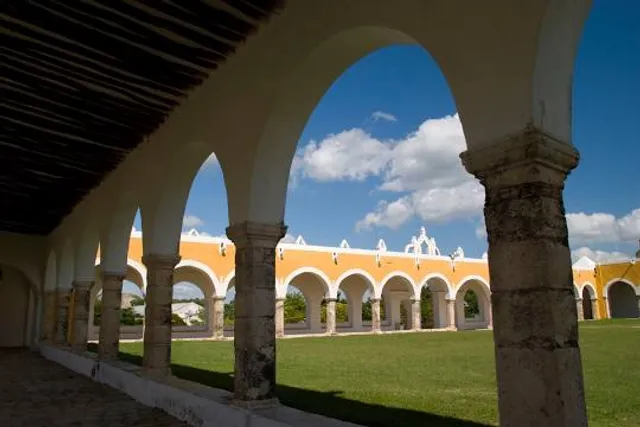
Convento de San Antonio
4.7
(2.8K)
Closed
Click for details
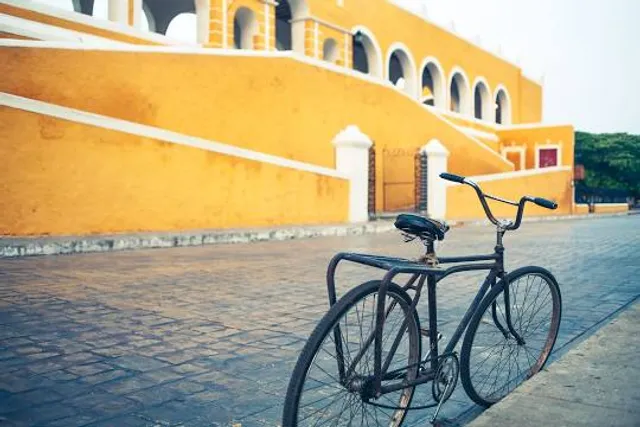
Crafts Museum
4.5
(89)
Closed
Click for details
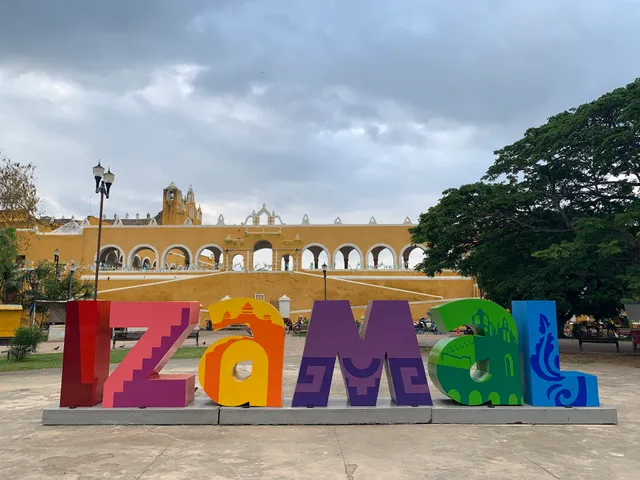
Itzamna Park
4.7
(19)
Open until 12:00 AM
Click for details
Nearby restaurants of Pirámide Kinich Kak Moo
Restaurante Kinich Izamal
LA CASONA DE IZAMAL
"Bar Copacabana"
Patio 21 Desayunos & Brunch Patio 21 Night
La Nueva Casita de Paja
GPM Cafetería
Paleteria Y Neveria "Gaby"
Restaurante La Conquista
Dados Pizza
Restaurante Los Arcos
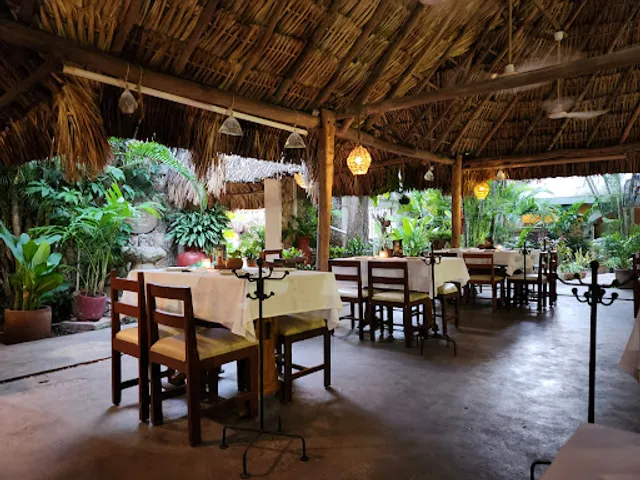
Restaurante Kinich Izamal
4.7
(3.5K)
$$
Closed
Click for details
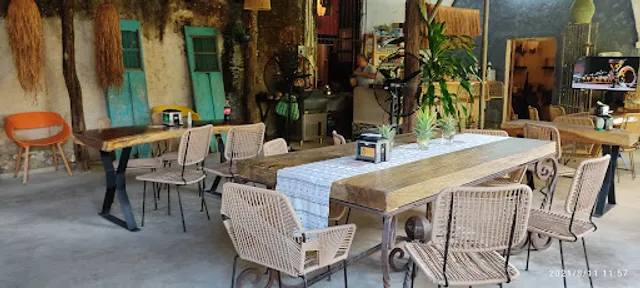
LA CASONA DE IZAMAL
4.3
(299)
Closed
Click for details
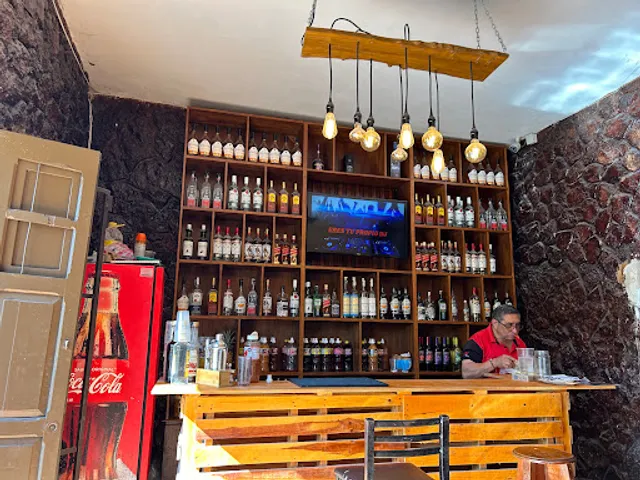
"Bar Copacabana"
4.7
(36)
Closed
Click for details
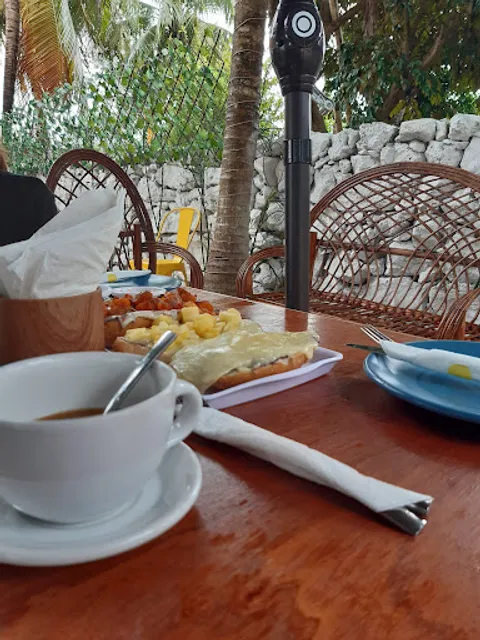
Patio 21 Desayunos & Brunch Patio 21 Night
5.0
(48)
Open until 12:00 AM
Click for details
Nearby local services of Pirámide Kinich Kak Moo
Convento Franciscano
Mercado Municipal De Izamal Yuc.
Capilla De Los Remedios
Centro Cultural Y Artesanal
Archaeological Zone of Izamal
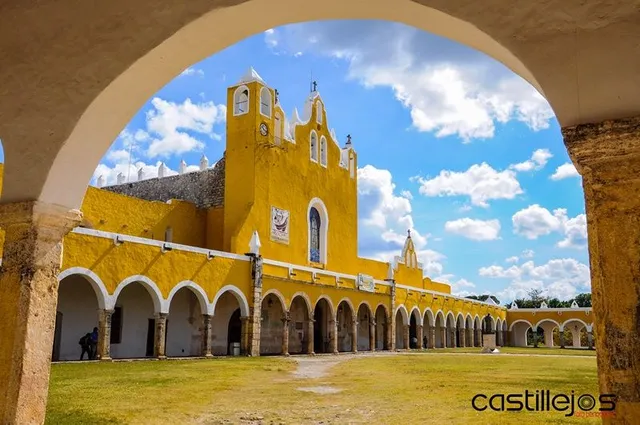
Convento Franciscano
4.8
(38)
Click for details
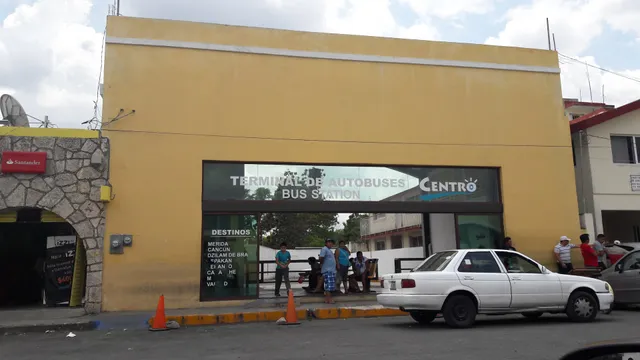
Mercado Municipal De Izamal Yuc.
4.4
(743)
Click for details
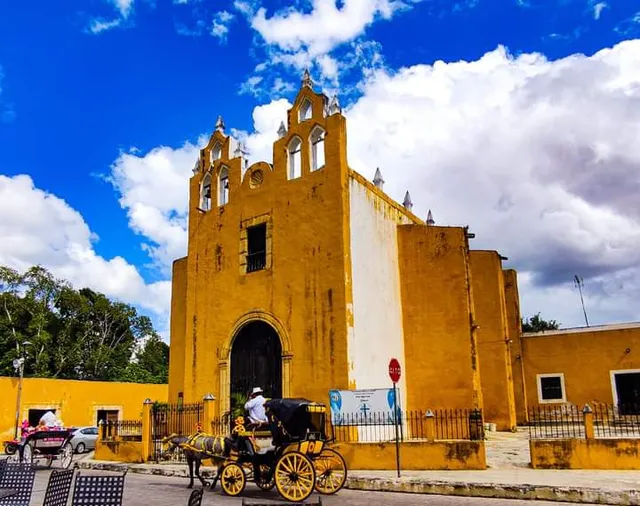
Capilla De Los Remedios
4.7
(14)
Click for details

Centro Cultural Y Artesanal
4.4
(18)
Click for details