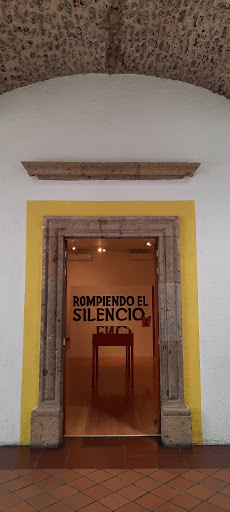
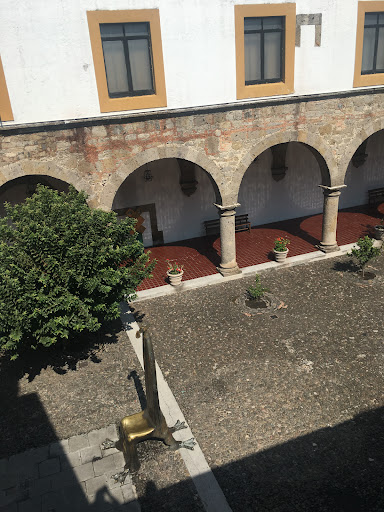
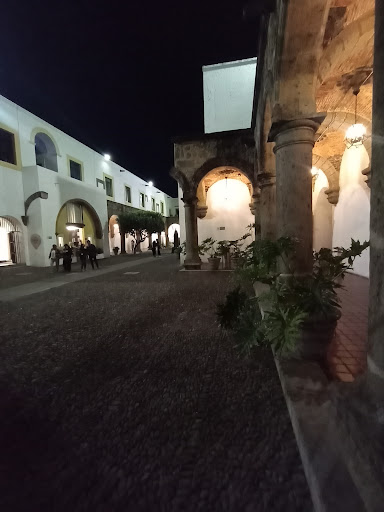
Ex Convento del Carmen things to do, attractions, restaurants, events info and trip planning
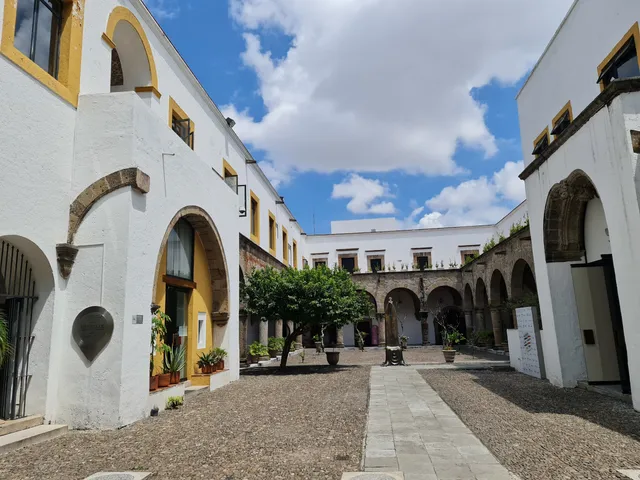
Basic Info
Ex Convento del Carmen
Av Juárez 638, Centro, 44100 Guadalajara, Jal., Mexico
4.7(1.4K)
Open until 5:00 PM
Save
spot
spot
Ratings & Description
Info
Cultural
Family friendly
attractions: Parque Revolución (Parque Rojo), Red Park, Arte y Diseño Fraustro, Fuente Del Ex- Convento Del Carmen, Museo de la Ciudad de Guadalajara, Museo Palacio Ocampo, Templo de Santa Teresa de Jesús, ROXY, Templo Expiatorio del Santísimo Sacramento, Guadalajara Cathedral, restaurants: Café Chai Ex Convento, Bubble Pop, Super Tortas La Bendición, Vida Cafe, Roller Pizza Buffet, GOOD TEA, Café Madoka, Café D'val, La Lupita, Suki Sushi Buffet, local businesses: Billar extreme, El Palacio de Las Vacas, Estética Masculina Picasso, Fresh Salads, Waldo's Colon, Mr.CD López Cotilla, Morocco Spa, El Repostero, Paulette, Cereales Corona
 Learn more insights from Wanderboat AI.
Phone
+52 33 3030 1355
Website
sc.jalisco.gob.mx
Open hoursSee all hours
Wed11 a.m. - 5 p.m.Open
Plan your stay

Pet-friendly Hotels in Jalisco
Find a cozy hotel nearby and make it a full experience.

Affordable Hotels in Jalisco
Find a cozy hotel nearby and make it a full experience.

The Coolest Hotels You Haven't Heard Of (Yet)
Find a cozy hotel nearby and make it a full experience.

Trending Stays Worth the Hype in Jalisco
Find a cozy hotel nearby and make it a full experience.
Reviews
Live events

Candlelight: Especial de San Valentín
Sat, Feb 14 • 7:00 PM
Calle Nicolás Régules 61, Mexicaltzingo, Guadalajara, 44100
View details

La Fuga del Prisionero - Street Escape®
Sat, Feb 14 • 10:00 AM
C. El Chaco 3200, Providencia, Guadalajara, 44630
View details

Misión Rescate - Juego callejero Street Escape® - Guadalajara
Sat, Feb 14 • 11:00 AM
P del Sereno. Rinconada del parque, Zapopan Jalisco, 45020
View details
Nearby attractions of Ex Convento del Carmen
Parque Revolución (Parque Rojo)
Red Park
Arte y Diseño Fraustro
Fuente Del Ex- Convento Del Carmen
Museo de la Ciudad de Guadalajara
Museo Palacio Ocampo
Templo de Santa Teresa de Jesús
ROXY
Templo Expiatorio del Santísimo Sacramento
Guadalajara Cathedral
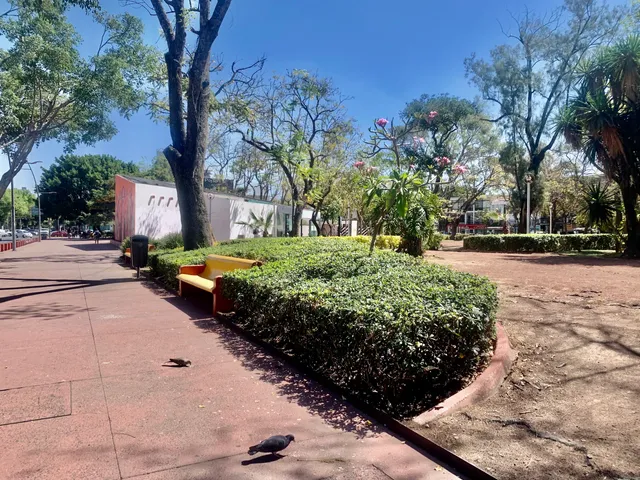
Parque Revolución (Parque Rojo)
4.3
(19.3K)
Open 24 hours
Click for details
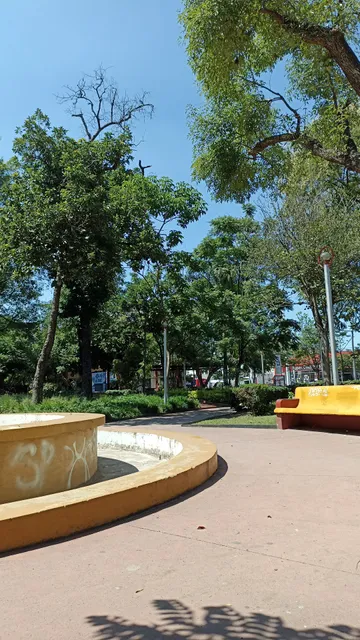
Red Park
4.3
(927)
Open until 12:00 AM
Click for details

Arte y Diseño Fraustro
4.7
(239)
Open until 7:00 PM
Click for details
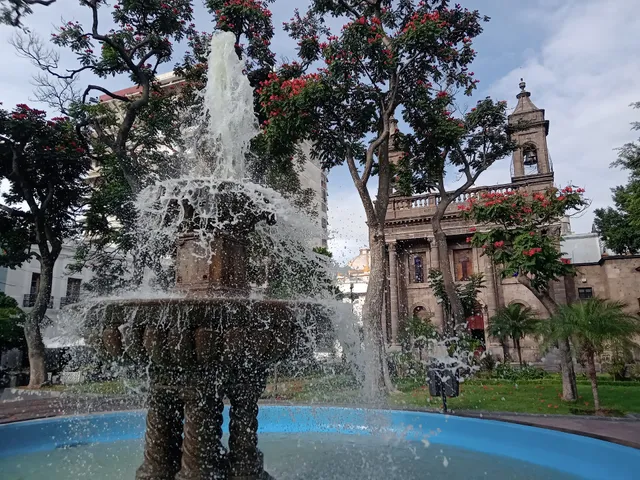
Fuente Del Ex- Convento Del Carmen
4.8
(15)
Open until 12:00 AM
Click for details
Nearby restaurants of Ex Convento del Carmen
Café Chai Ex Convento
Bubble Pop
Super Tortas La Bendición
Vida Cafe
Roller Pizza Buffet
GOOD TEA
Café Madoka
Café D'val
La Lupita
Suki Sushi Buffet
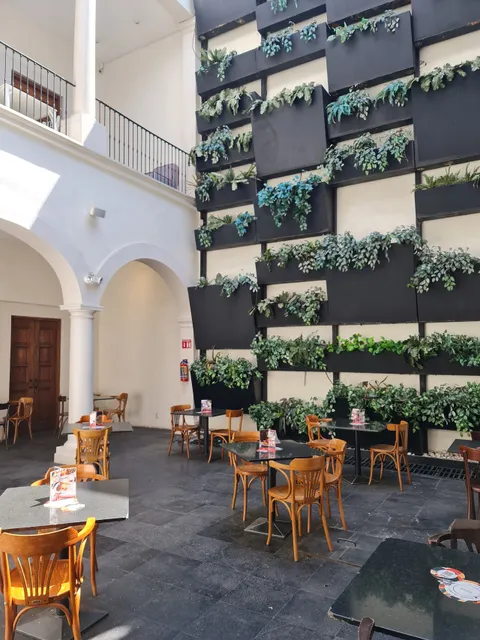
Café Chai Ex Convento
4.6
(4.1K)
Open until 11:00 PM
Click for details

Bubble Pop
4.6
(1.3K)
$$
Open until 9:00 PM
Click for details

Super Tortas La Bendición
4.2
(1.2K)
Open until 10:00 PM
Click for details
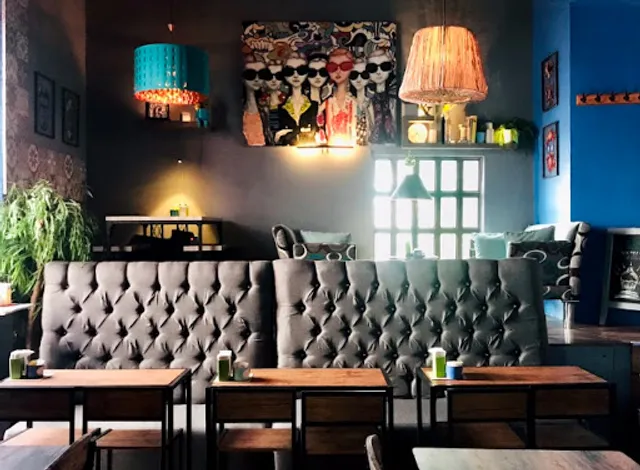
Vida Cafe
4.4
(516)
Closed
Click for details
Nearby local services of Ex Convento del Carmen
Billar extreme
El Palacio de Las Vacas
Estética Masculina Picasso
Fresh Salads
Waldo's Colon
Mr.CD López Cotilla
Morocco Spa
El Repostero
Paulette
Cereales Corona

Billar extreme
4.6
(581)
Click for details
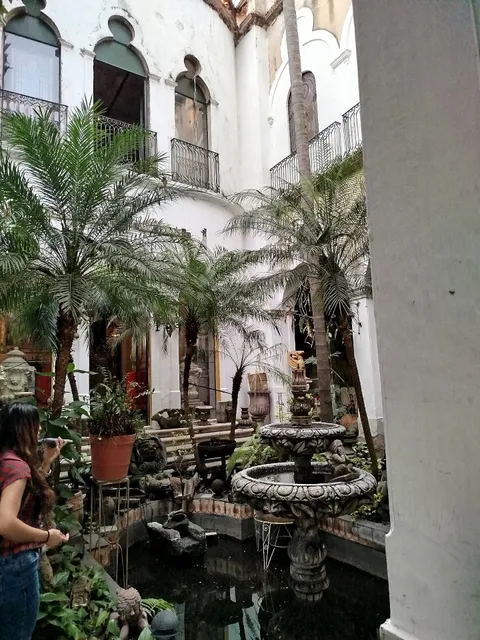
El Palacio de Las Vacas
4.4
(819)
Click for details
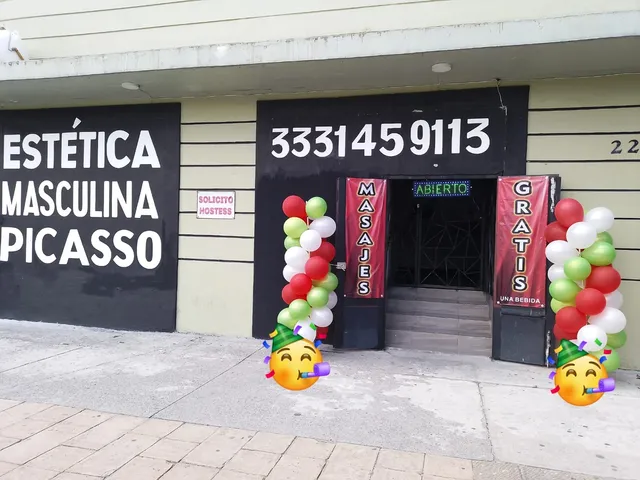
Estética Masculina Picasso
4.6
(61)
Click for details
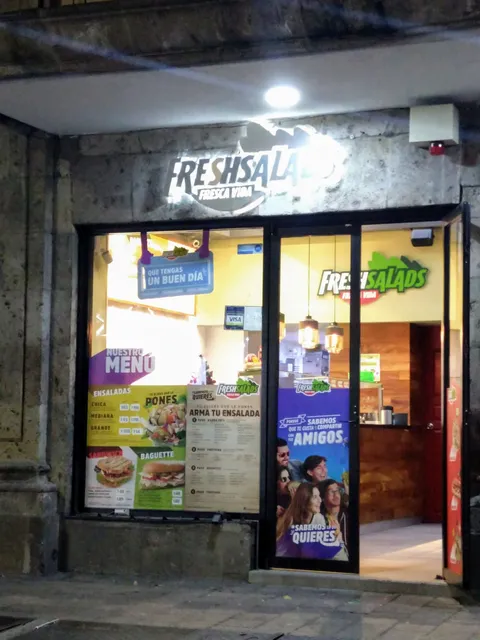
Fresh Salads
4.3
(309)
Click for details