Basilica of Our Lady of Guadalupe things to do, attractions, restaurants, events info and trip planning
Basic Info
Basilica of Our Lady of Guadalupe
Fray Juan de Zumárraga No. 2, Villa Gustavo A. Madero, Gustavo A. Madero, 07050 Ciudad de México, CDMX, Mexico
4.8(54.7K)
Open 24 hours
Save
spot
spot
Ratings & Description
Info
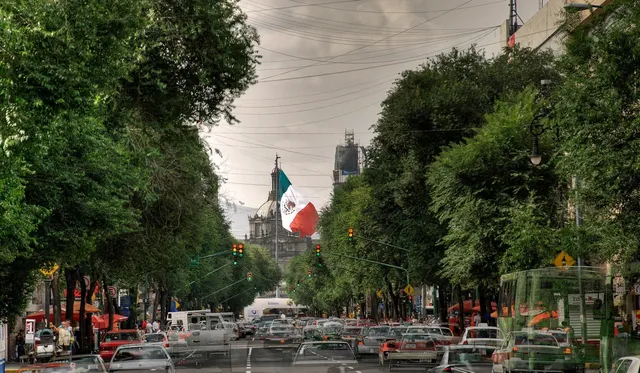
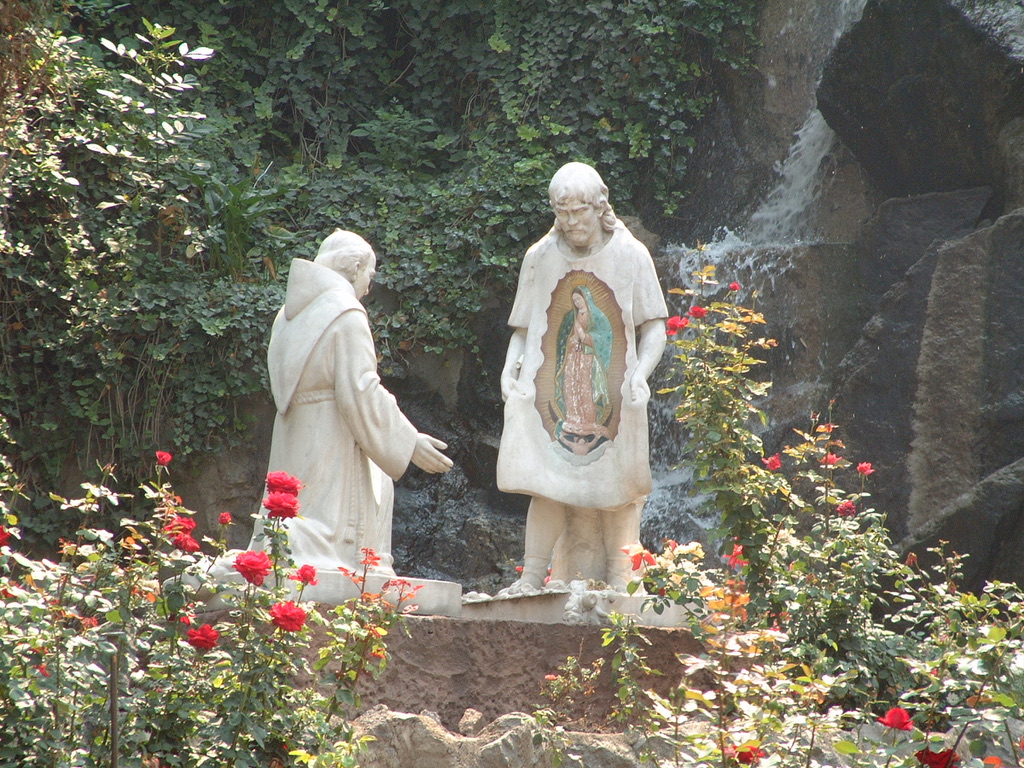
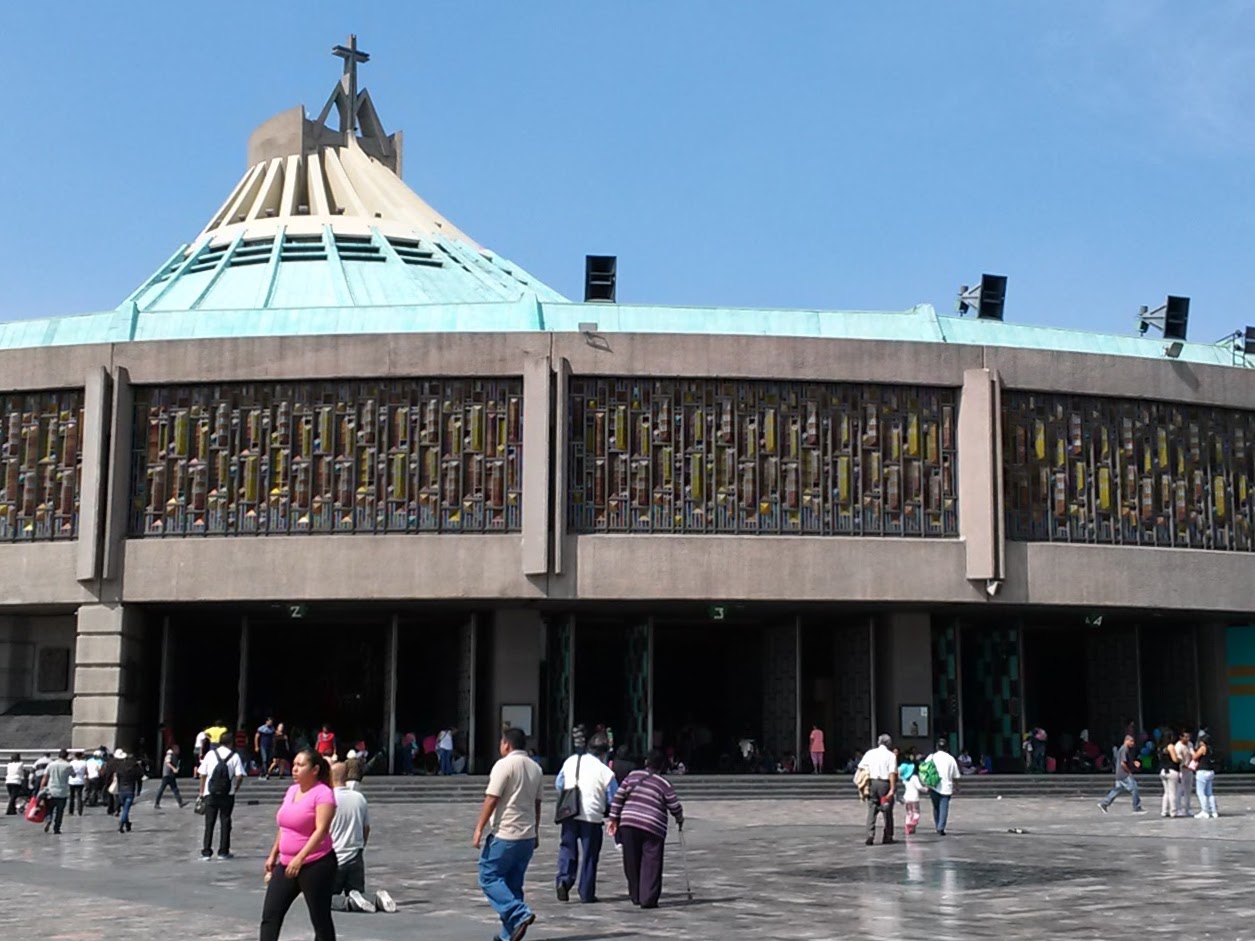
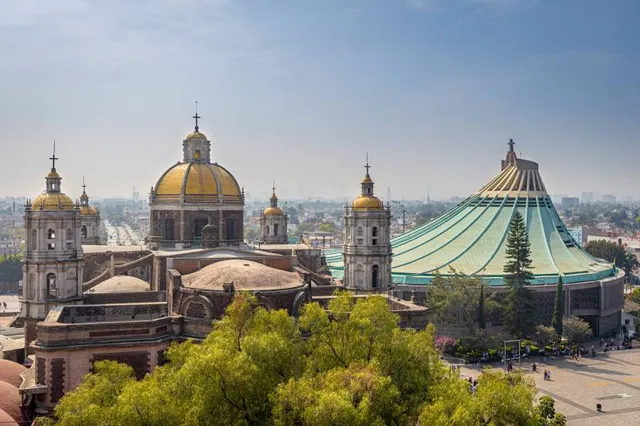
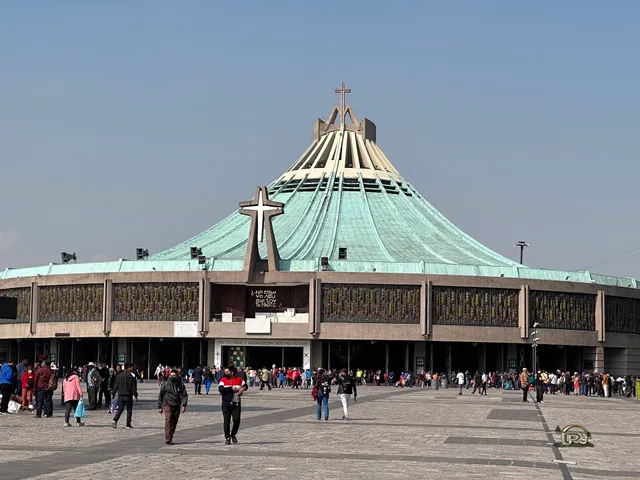
The Basilica of Santa María de Guadalupe, officially called Insigne y Nacional Basílica de Santa María de Guadalupe is a basilica of the Catholic Church, dedicated to the Virgin Mary in her invocation of Our Lady of Guadalupe, located at the foot of the Hill of Tepeyac in the Gustavo A. Madero borough of Mexico City.
Cultural
Accessibility
attractions: Sagrado Tepeyac Garden, Museo de la Basílica de Santa María de Guadalupe, Museo de Figuras de Cera Dilea Castillo Viuda de Neira, Capilla del Cerrito, Museo de los Ferrocarrileros, Universidad Grupo Cultural Icel, Casa de Cultura "La Villa", Gustavo A. Madero Park, Monumento Indios Verdes, EDEN ( Mestizaje ), restaurants: Little Caesars Pizza "La Villa", Zenón, Pastes Kikos La Villa II, Pastes Real de Plateros - “La Villa”, Bisquets Obregón, El Fogón Montañes, Los Huaraches Ok Garrido, Burger King La Villa, Restaurante Zenón CAFE, Pan y pesto, local businesses: Expiatory Temple to Christ The King, Crafts Market Little Village, Mirador of the Basilica of Guadalupe, Old Parish Church of the Indians, Banco BBVA, Capilla de Juramentos, Parada de Turibus Circuito Basílica, Correos de México / Gustavo A. Madero, D.F., Maquillaje CDMX, Tepeyac
 Learn more insights from Wanderboat AI.
Phone
+52 55 6532 9123
Website
virgendeguadalupe.org.mx
Plan your stay

Pet-friendly Hotels in Mexico City
Find a cozy hotel nearby and make it a full experience.

Affordable Hotels in Mexico City
Find a cozy hotel nearby and make it a full experience.

The Coolest Hotels You Haven't Heard Of (Yet)
Find a cozy hotel nearby and make it a full experience.

Trending Stays Worth the Hype in Mexico City
Find a cozy hotel nearby and make it a full experience.
Reviews
Live events
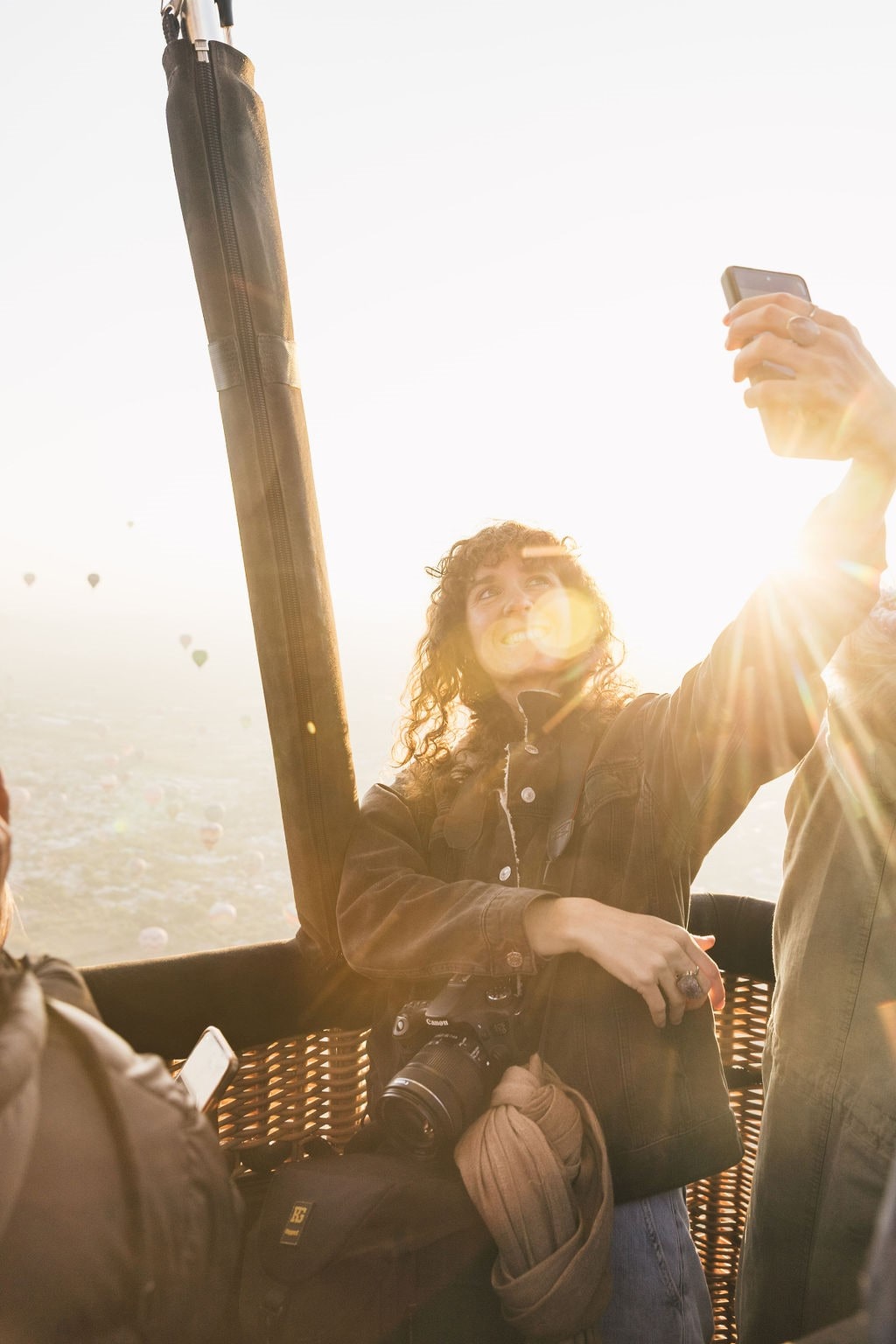
Fly in a hot air balloon over Teotihuacan, the land of the gods
Tue, Feb 17 • 4:00 AM
11580, Mexico City, Mexico City, Mexico
View details
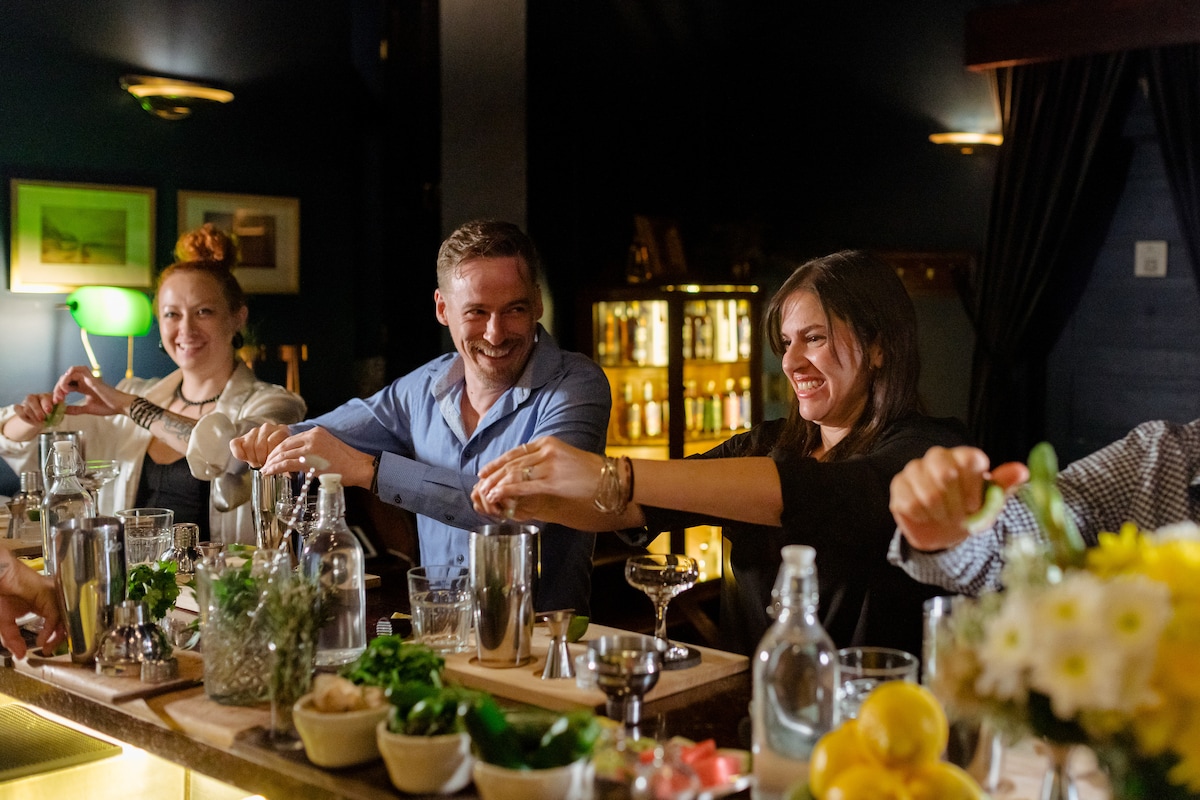
Mezcal Mixology Masterclass
Thu, Feb 19 • 8:00 PM
06100, Mexico City, Mexico City, Mexico
View details
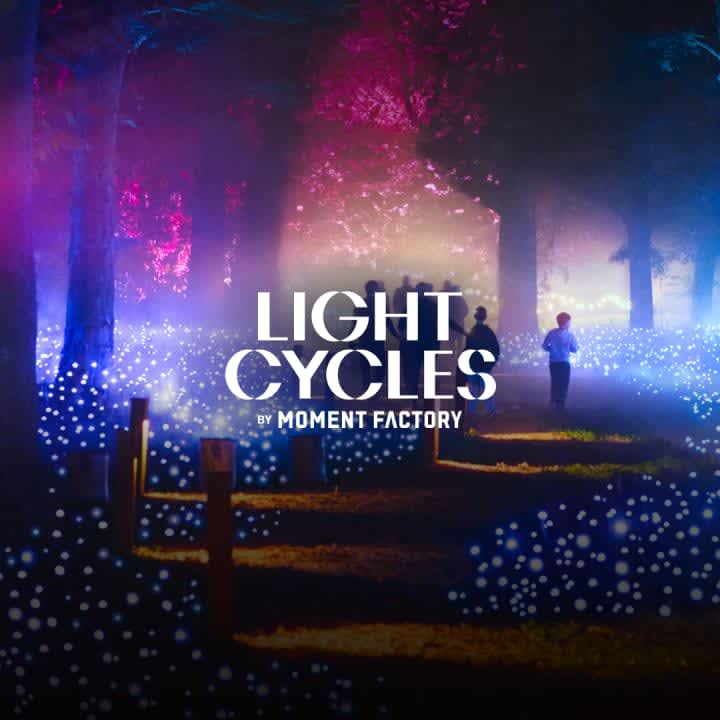
Light Cycles: ¡Una experiencia inmersiva nocturna entre luces y sonidos de la naturaleza!
Tue, Feb 17 • 7:15 PM
Av. P.o de la Reforma 111, Bosque de Chapultepec I Secc, Miguel Hidalgo, 11580 Ciudad de México, CDMX, México, 11580
View details
Nearby attractions of Basilica of Our Lady of Guadalupe
Sagrado Tepeyac Garden
Museo de la Basílica de Santa María de Guadalupe
Museo de Figuras de Cera Dilea Castillo Viuda de Neira
Capilla del Cerrito
Museo de los Ferrocarrileros
Universidad Grupo Cultural Icel
Casa de Cultura "La Villa"
Gustavo A. Madero Park
Monumento Indios Verdes
EDEN ( Mestizaje )
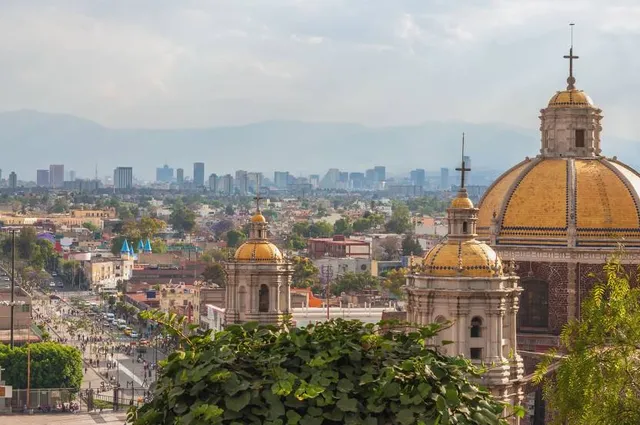
Sagrado Tepeyac Garden
4.7
(2.8K)
Open until 12:00 AM
Click for details
Museo de la Basílica de Santa María de Guadalupe
4.7
(131)
Open until 12:00 AM
Click for details
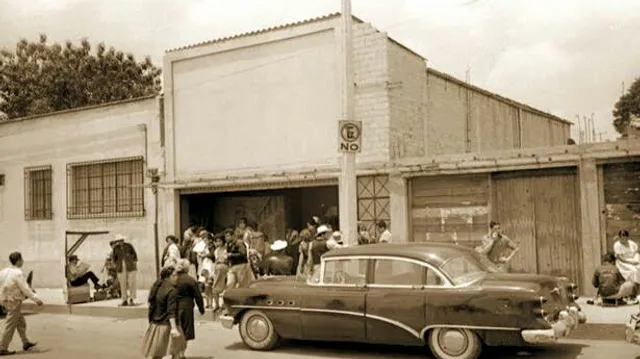
Museo de Figuras de Cera Dilea Castillo Viuda de Neira
4.3
(76)
Closed
Click for details
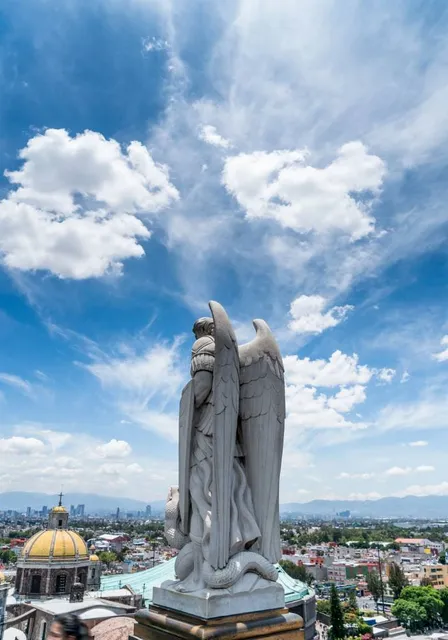
Capilla del Cerrito
4.8
(216)
Open 24 hours
Click for details
Nearby restaurants of Basilica of Our Lady of Guadalupe
Little Caesars Pizza "La Villa"
Zenón
Pastes Kikos La Villa II
Pastes Real de Plateros - “La Villa”
Bisquets Obregón
El Fogón Montañes
Los Huaraches Ok Garrido
Burger King La Villa
Restaurante Zenón CAFE
Pan y pesto
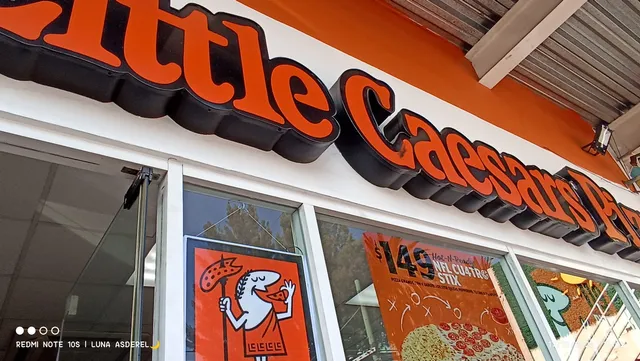
Little Caesars Pizza "La Villa"
3.8
(2.5K)
Closed
Click for details
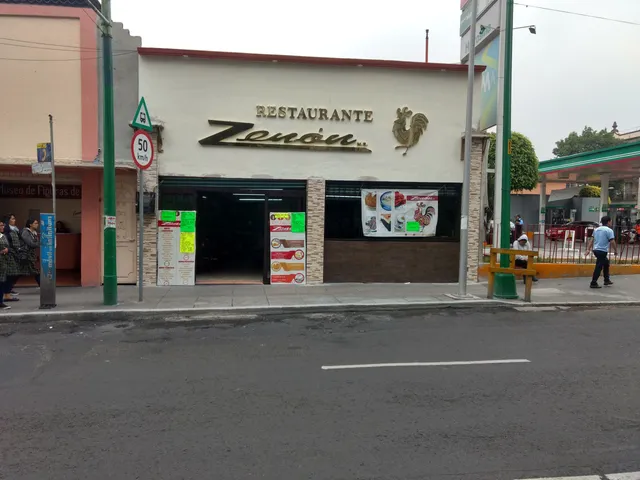
Zenón
4.0
(313)
Open until 8:00 PM
Click for details
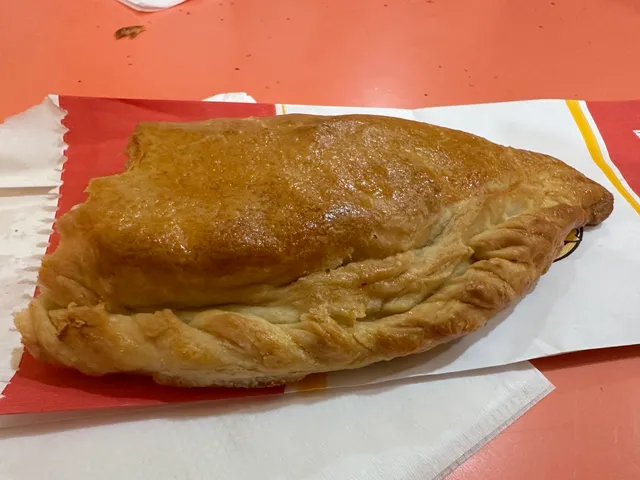
Pastes Kikos La Villa II
4.0
(411)
Open until 9:00 PM
Click for details
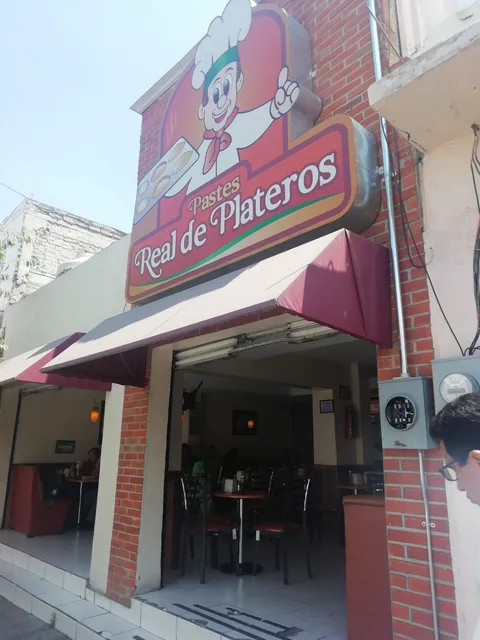
Pastes Real de Plateros - “La Villa”
4.6
(812)
Open until 7:00 PM
Click for details
Nearby local services of Basilica of Our Lady of Guadalupe
Expiatory Temple to Christ The King
Crafts Market Little Village
Mirador of the Basilica of Guadalupe
Old Parish Church of the Indians
Banco BBVA
Capilla de Juramentos
Parada de Turibus Circuito Basílica
Correos de México / Gustavo A. Madero, D.F.
Maquillaje CDMX
Tepeyac
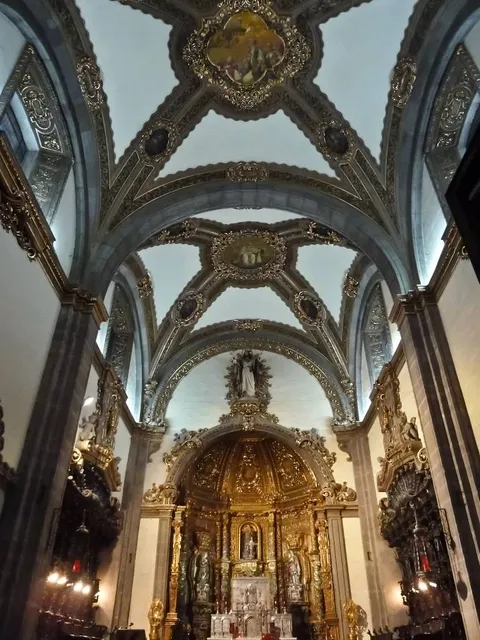
Expiatory Temple to Christ The King
4.7
(175)
Click for details
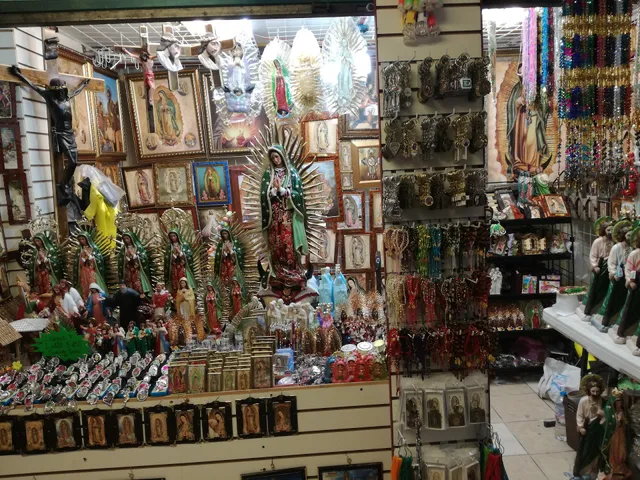
Crafts Market Little Village
4.1
(224)
Click for details
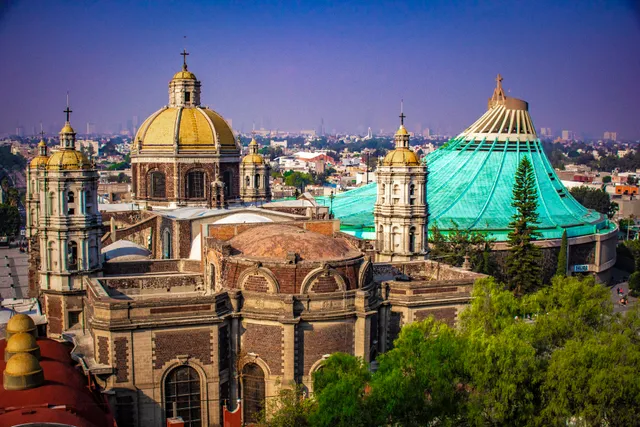
Mirador of the Basilica of Guadalupe
4.7
(379)
Click for details
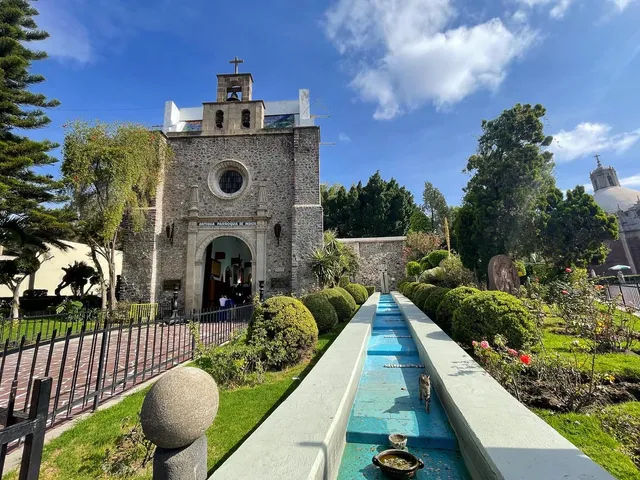
Old Parish Church of the Indians
4.6
(68)
Click for details


The hit list
Plan your trip with Wanderboat
Welcome to Wanderboat AI, your AI search for local Eats and Fun, designed to help you explore your city and the world with ease.
Powered by Wanderboat AI trip planner.