Templo de Santiago apóstol things to do, attractions, restaurants, events info and trip planning
Basic Info
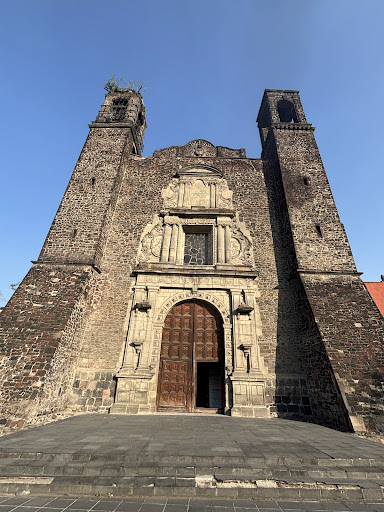
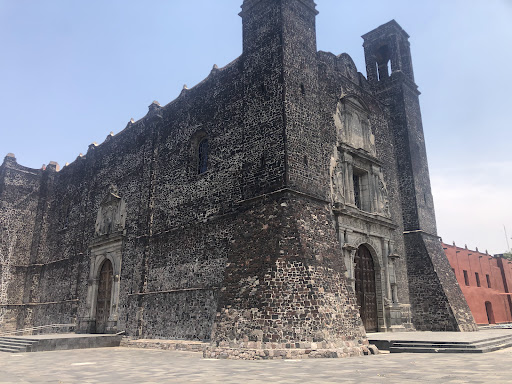
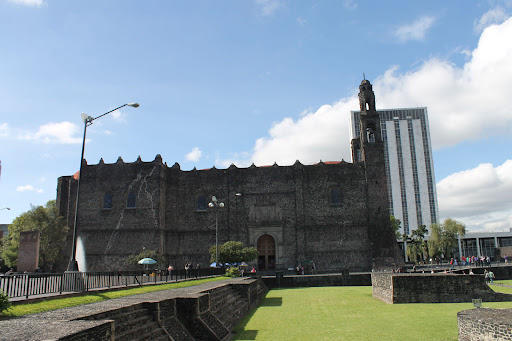
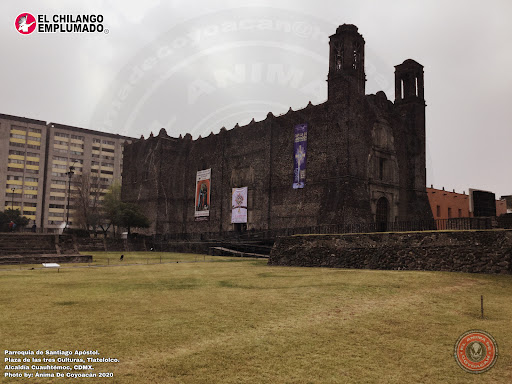
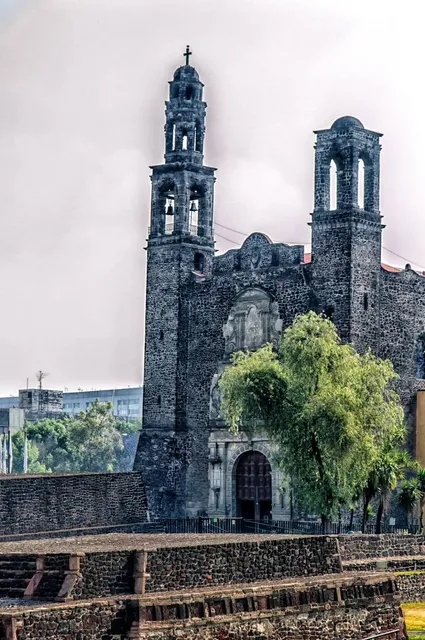
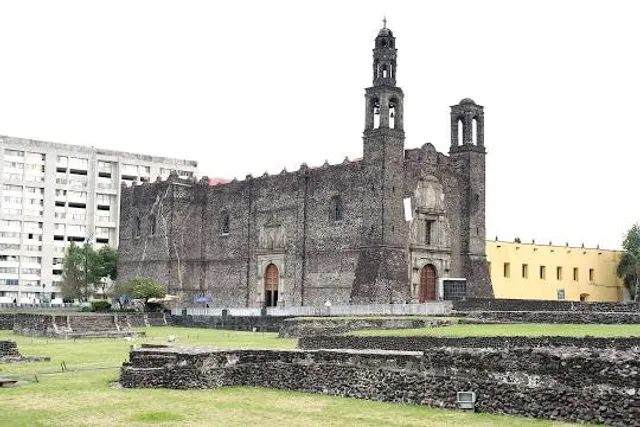
Templo de Santiago apóstol
Plaza de las 3 Culturas, Eje Central Lázaro Cárdenas, Tlatelolco, Cuauhtemoc, 06990 CDMX, Mexico
4.6(298)
Open 24 hours
Save
spot
spot
Ratings & Description
Info
Cultural
Family friendly
Accessibility
attractions: Tlatelolco, Plaza de las Tres Culturas, Centro Cultural Universitario Tlatelolco, Memorial 68, Jardín de Santiago, Teatro Isabela Corona, Centro Cultural de las Artes Escénicas Ernesto Gómez Cruz, Jose Maria LAFRAGUA Library, Teatro Hacienda, Gran Salón de la Ciudad de México, restaurants: La Huaracha Sabrosona, Pastelerías Esperanza, Lunche Tlatelolco Restaurante: Breakfast, Brunch and Lunch, Burger Queens, Fonda restaurante Las Chimichangas de Tlatelolco, Potzollcalli Tlatelolco, Barbacoa de pedrito, Los Machetes de la Guerrero, Domino's, Starbucks Tlatelolco, local businesses: Bodega Aurrera, Flores Magón, Tlatelolco, Santo Gallo, Súper Chedraui, Salón Los Ángeles, Tianguis de Comonfort, Guerrero's Gym, Tianguis Dominical De Antiguedades "Lagunilla", Tianguis de Antiguedades Lagunilla, Museo de Tecpan
 Learn more insights from Wanderboat AI.
Phone
+52 55 5782 2138
Website
facebook.com
Plan your stay

Pet-friendly Hotels in Mexico City
Find a cozy hotel nearby and make it a full experience.

Affordable Hotels in Mexico City
Find a cozy hotel nearby and make it a full experience.

The Coolest Hotels You Haven't Heard Of (Yet)
Find a cozy hotel nearby and make it a full experience.

Trending Stays Worth the Hype in Mexico City
Find a cozy hotel nearby and make it a full experience.
Reviews
Live events
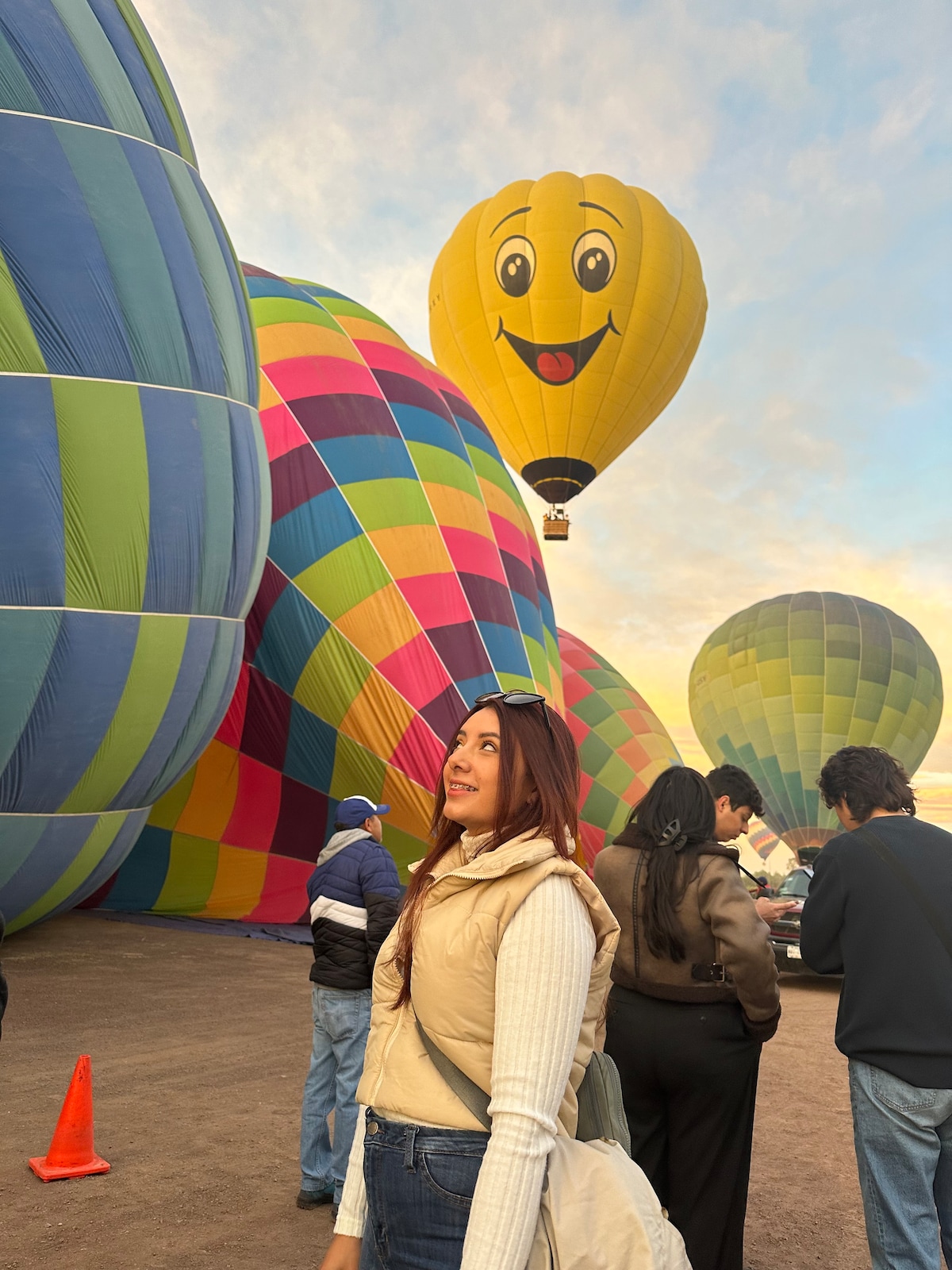
Teotihuacan Balloon Ride & Breakfast at La Gruta
Tue, Feb 10 • 4:45 AM
01000, Mexico City, Mexico City, Mexico
View details

The Big Bounce México
Fri, Feb 13 • 4:00 PM
Blvd. Gransur 100, Pedregal de Carrasco, Coyoacán, 04700 Ciudad de México, CDMX, 04700
View details
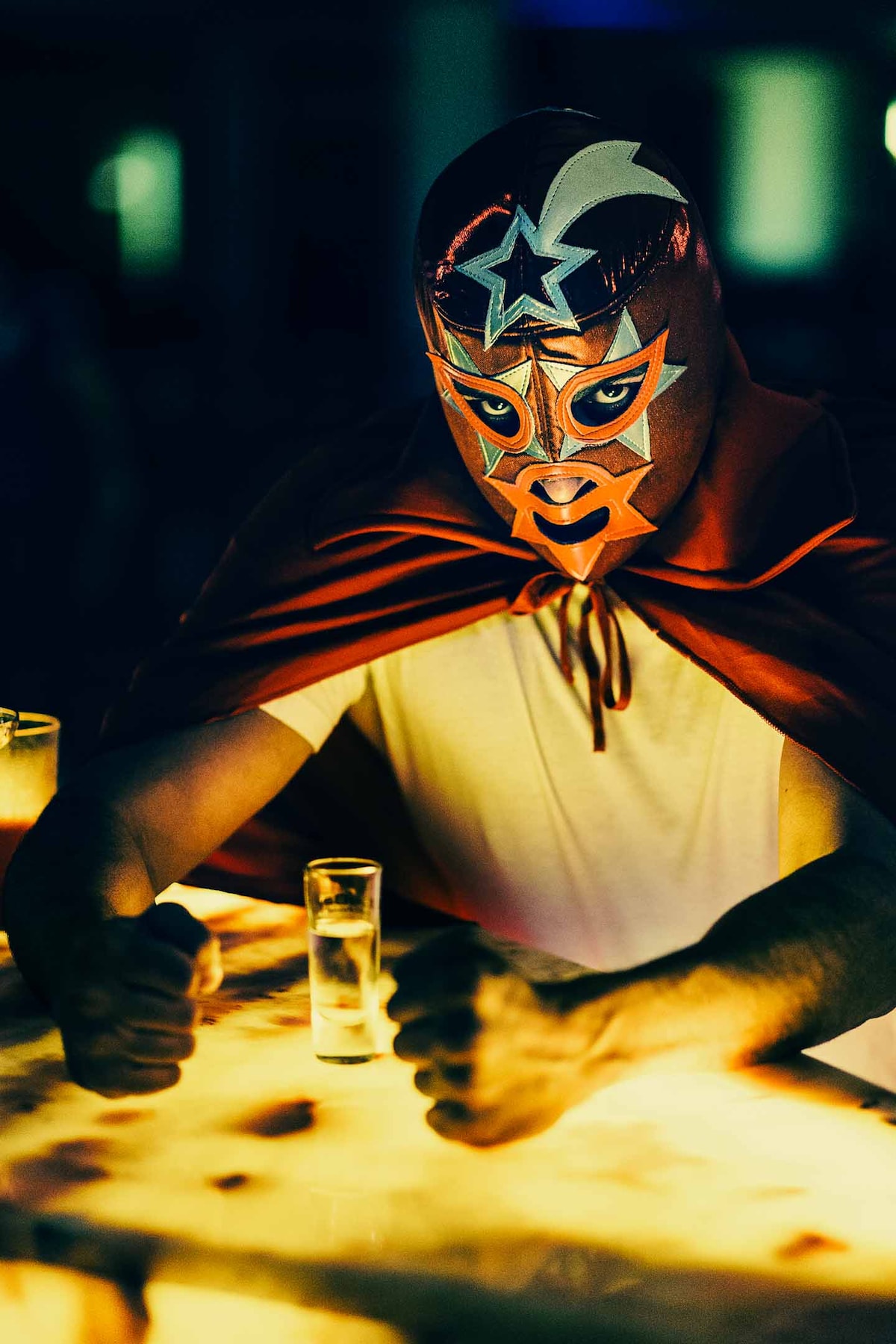
Lucha, Tacos & Beer = Best_ Night Ever
Tue, Feb 10 • 5:30 PM
06700, Mexico City, Mexico City, Mexico
View details
Nearby attractions of Templo de Santiago apóstol
Tlatelolco
Plaza de las Tres Culturas
Centro Cultural Universitario Tlatelolco
Memorial 68
Jardín de Santiago
Teatro Isabela Corona
Centro Cultural de las Artes Escénicas Ernesto Gómez Cruz
Jose Maria LAFRAGUA Library
Teatro Hacienda
Gran Salón de la Ciudad de México
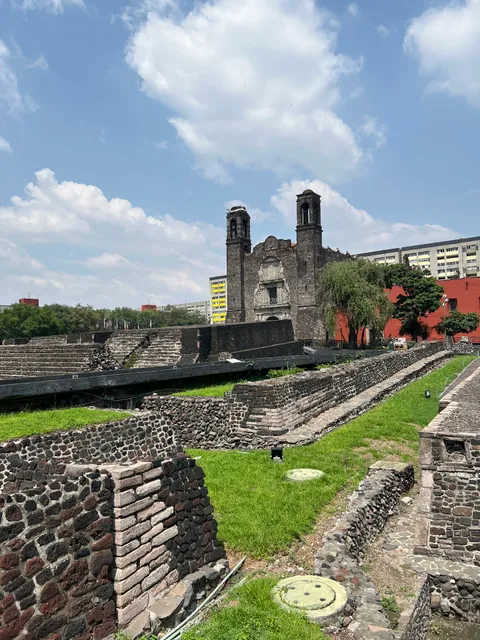
Tlatelolco
4.7
(3.5K)
Closed
Click for details
Plaza de las Tres Culturas
4.6
(3.5K)
Open 24 hours
Click for details
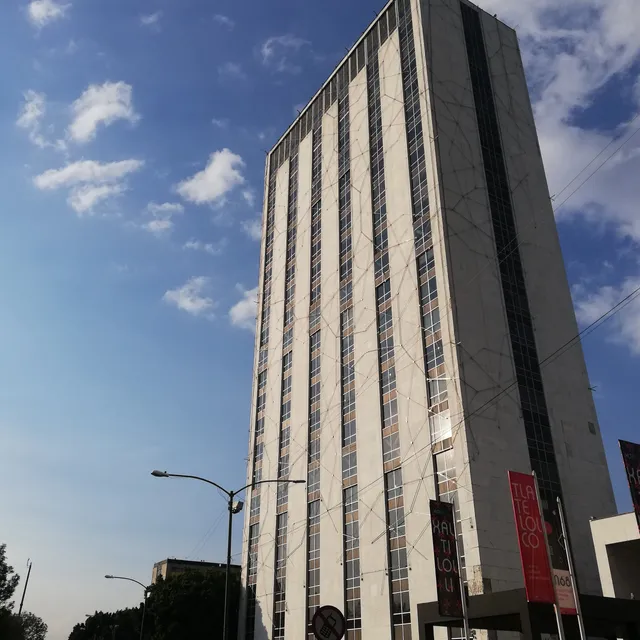
Centro Cultural Universitario Tlatelolco
4.6
(2.7K)
Open until 12:00 AM
Click for details
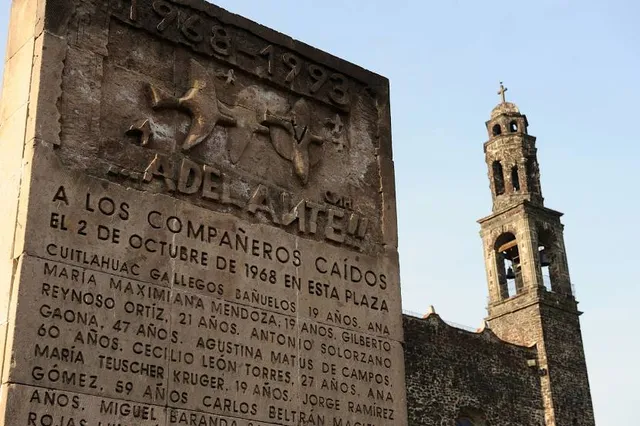
Memorial 68
4.6
(502)
Open 24 hours
Click for details
Nearby restaurants of Templo de Santiago apóstol
La Huaracha Sabrosona
Pastelerías Esperanza
Lunche Tlatelolco Restaurante: Breakfast, Brunch and Lunch
Burger Queens
Fonda restaurante Las Chimichangas de Tlatelolco
Potzollcalli Tlatelolco
Barbacoa de pedrito
Los Machetes de la Guerrero
Domino's
Starbucks Tlatelolco
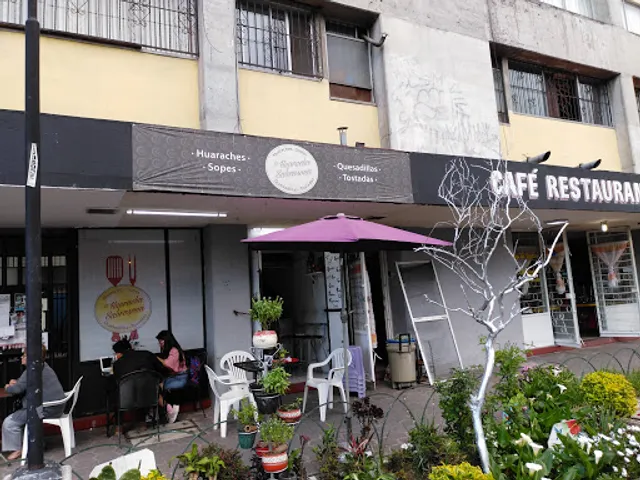
La Huaracha Sabrosona
4.7
(266)
Open until 12:00 AM
Click for details
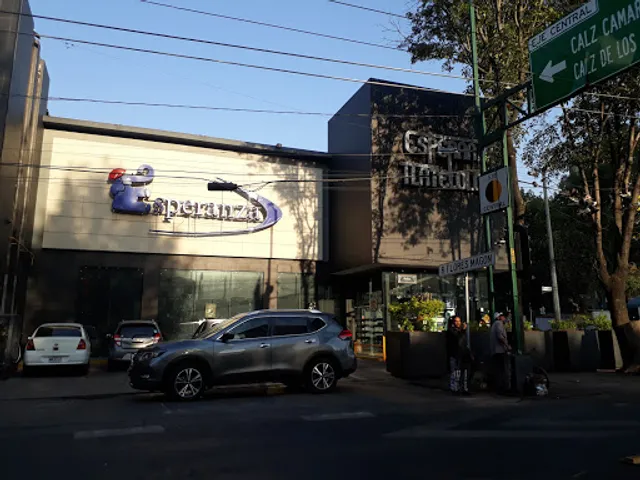
Pastelerías Esperanza
4.4
(2K)
Closed
Click for details
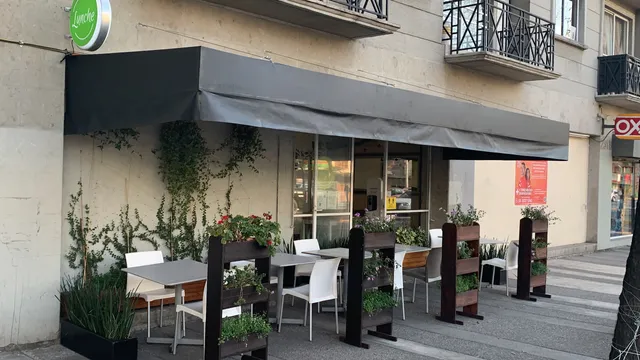
Lunche Tlatelolco Restaurante: Breakfast, Brunch and Lunch
4.8
(502)
Click for details
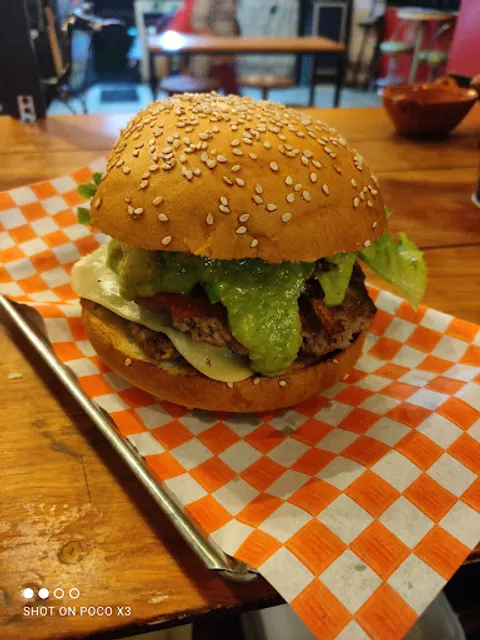
Burger Queens
3.6
(20)
Closed
Click for details
Nearby local services of Templo de Santiago apóstol
Bodega Aurrera, Flores Magón
Tlatelolco
Santo Gallo
Súper Chedraui
Salón Los Ángeles
Tianguis de Comonfort
Guerrero's Gym
Tianguis Dominical De Antiguedades "Lagunilla"
Tianguis de Antiguedades Lagunilla
Museo de Tecpan
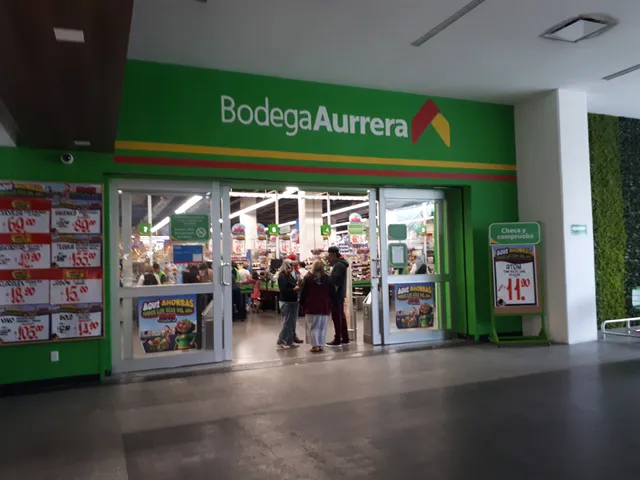
Bodega Aurrera, Flores Magón
4.2
(1.0K)
Click for details
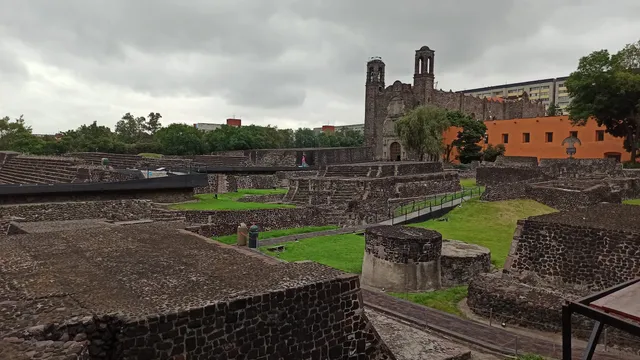
Tlatelolco
4.7
(3K)
Click for details
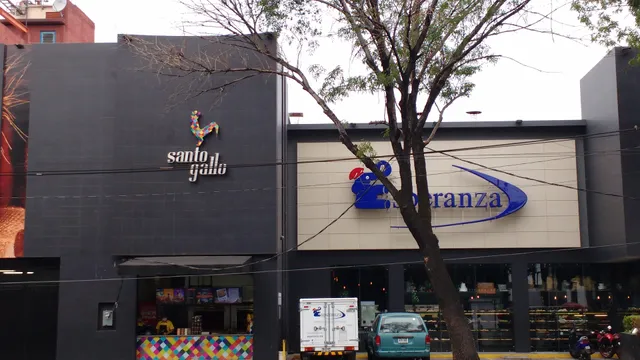
Santo Gallo
3.8
(41)
Click for details
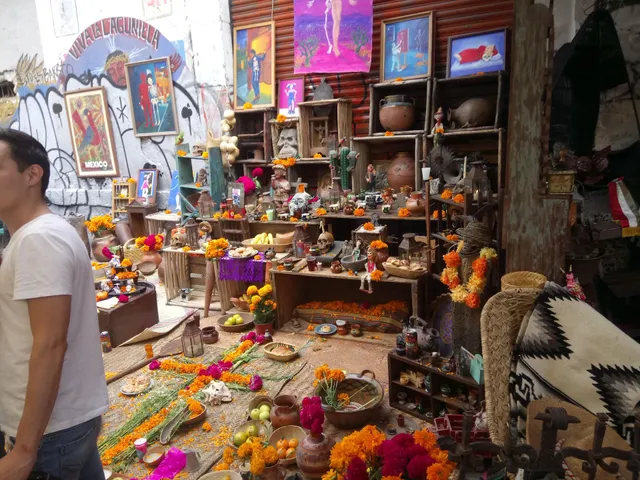
Súper Chedraui
3.5
(912)
Click for details


The hit list
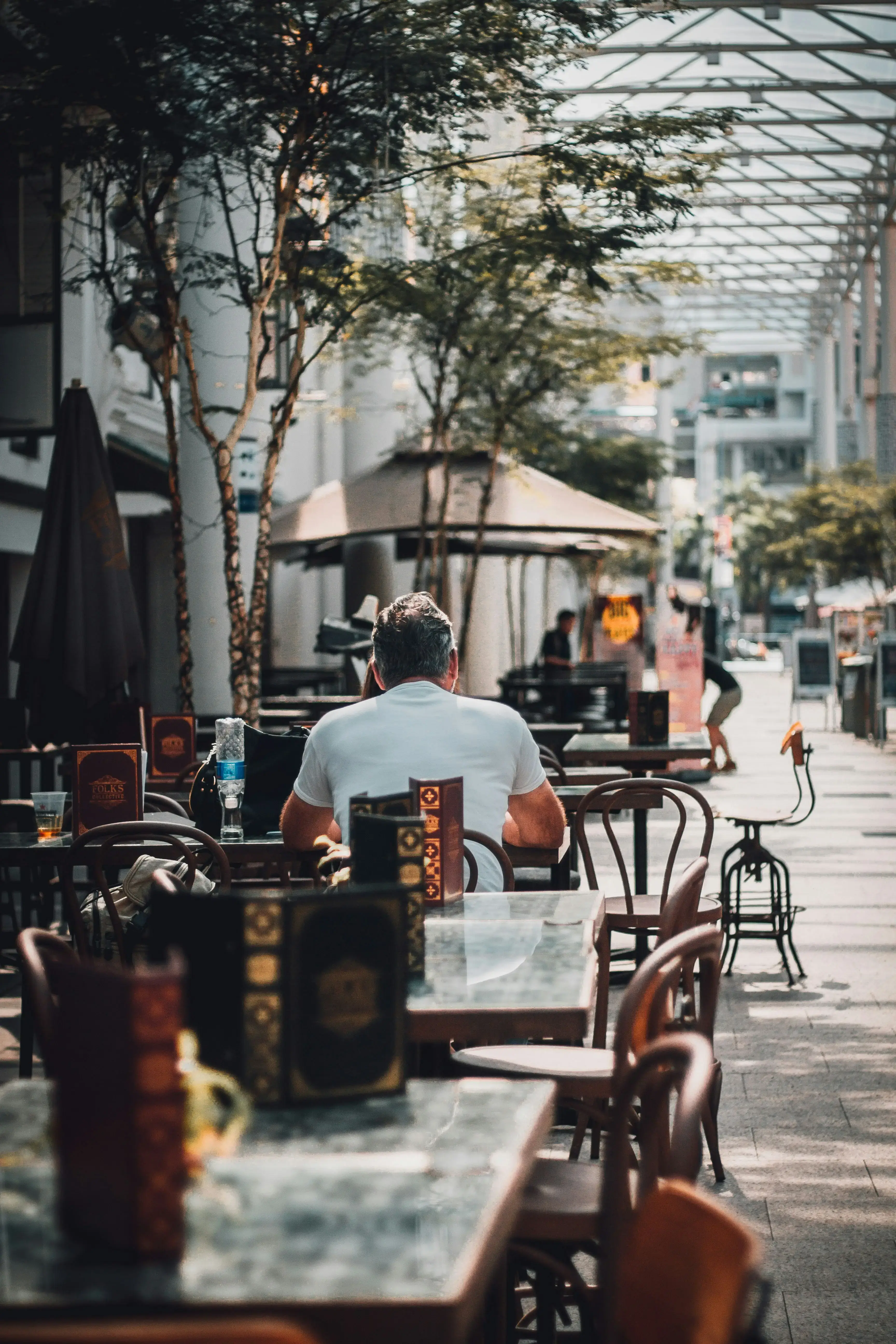
Plan your trip with Wanderboat
Welcome to Wanderboat AI, your AI search for local Eats and Fun, designed to help you explore your city and the world with ease.
Powered by Wanderboat AI trip planner.