Pyramid of the Moon things to do, attractions, restaurants, events info and trip planning
Basic Info
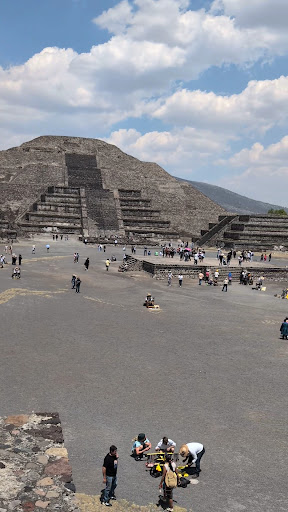
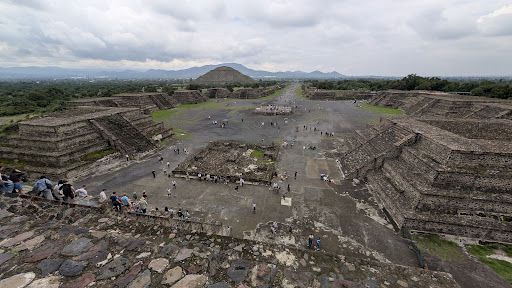
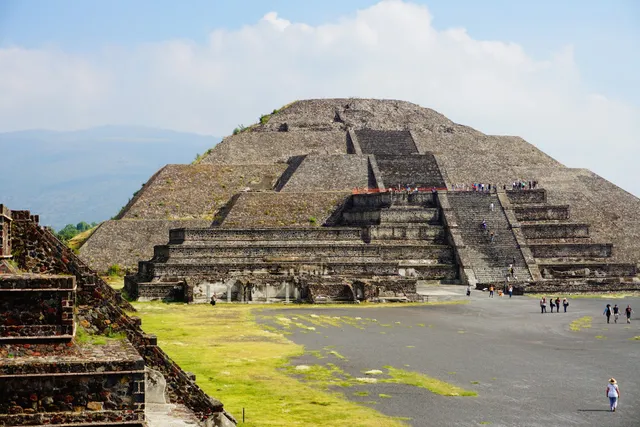
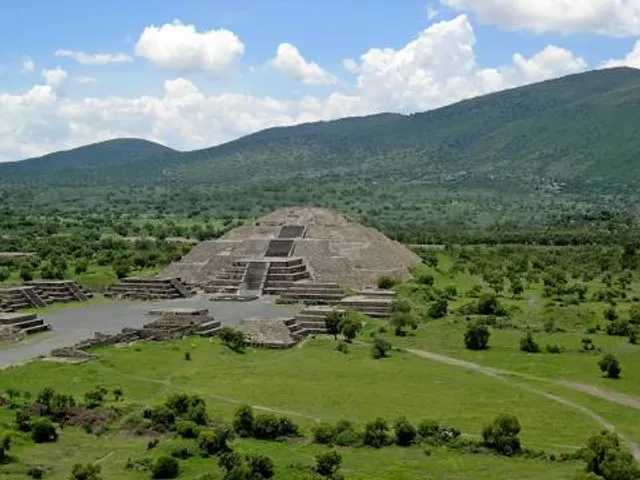
Pyramid of the Moon
Tuxpan 7, 55850 San Martín de las Pirámides, Méx., Mexico
4.8(1.2K)
Open until 4:30 PM
Save
spot
spot
Ratings & Description
Info
Cultural
Outdoor
Adventure
Scenic
Family friendly
attractions: Itz-Yollotzin (corazón de obsidiana), Teotihuacán Guías y Recorridos, Museo de los Murales Teotihuacanos, Beatríz de la Fuente, Plaza de la Luna, Parque Recreativo Encuentro de Dioses, Zona Arqueológica de Teotihuacán Puerta Tres, Puma Mural, Pyramid of the Sun, Teotihuacan Cine Camping, Palacio de Tepantitla, restaurants: Meztli, La Catrina, La Chorcha Terraza, Techinanco, La Malquerida, Foro Nahual Teotihuacan, Cantaritos san Martín, El Jaguar, Ohana Snacks & Bar, La Higuera Teotihuacán, local businesses: Palacio de Quetzalpapálotl, Teotihuacán, Pyramid of the Sun, Plaza del Sol, Calzada de los muertos
 Learn more insights from Wanderboat AI.
Phone
+52 55 2426 3208
Website
teotihuacan.inah.gob.mx
Open hoursSee all hours
Thu9 AM - 4:30 PMOpen
Plan your stay

Pet-friendly Hotels in State of Mexico
Find a cozy hotel nearby and make it a full experience.

Affordable Hotels in State of Mexico
Find a cozy hotel nearby and make it a full experience.

The Coolest Hotels You Haven't Heard Of (Yet)
Find a cozy hotel nearby and make it a full experience.

Trending Stays Worth the Hype in State of Mexico
Find a cozy hotel nearby and make it a full experience.
Reviews
Live events
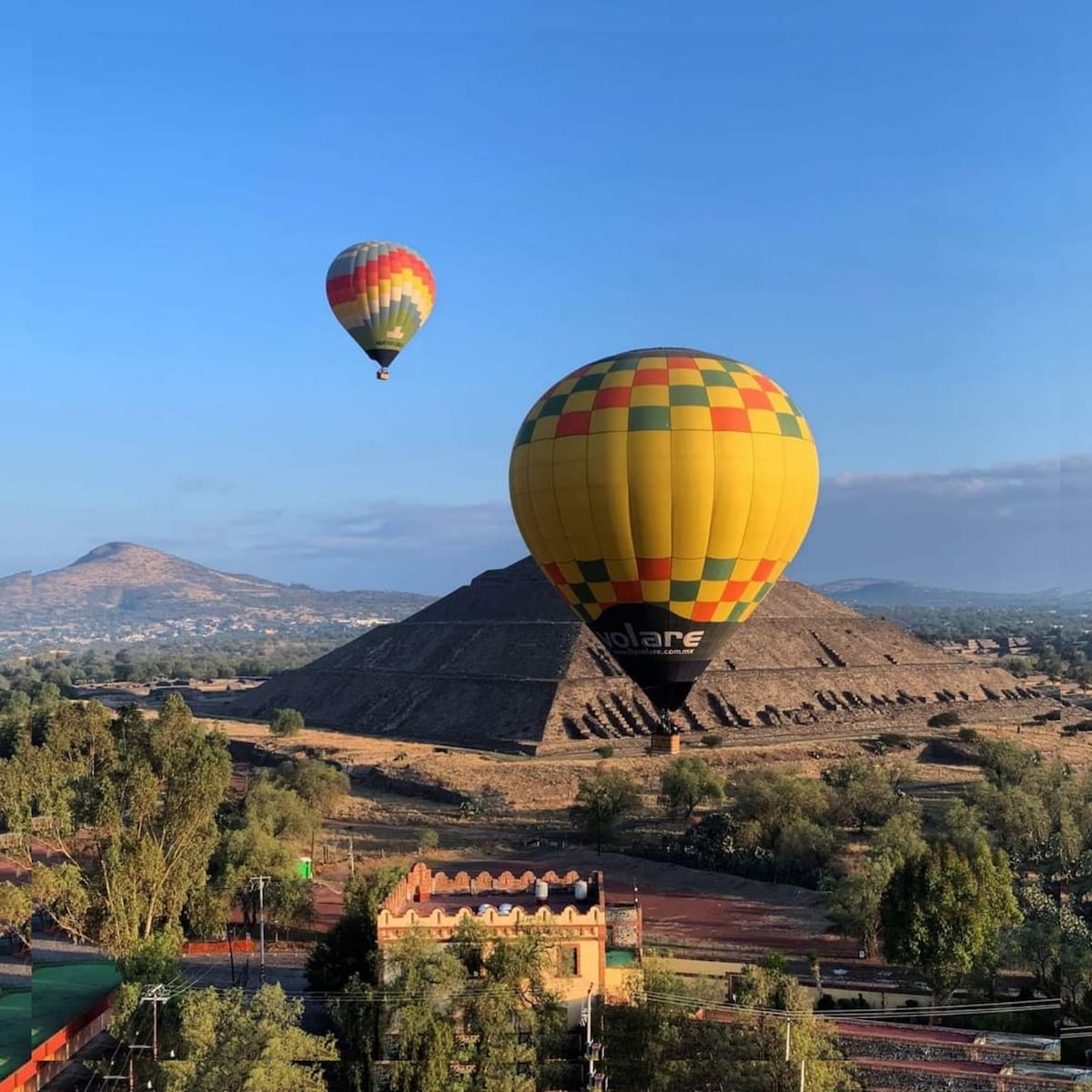
Fly over Teotihuacán all inclusive, Dont pay more
Fri, Feb 13 • 4:45 AM
55804, San Juan Teotihuacán, State of Mexico, Mexico
View details
![Teotihuacan Pyramids and Cave [Pick Up - Drop Off]](https://a0.muscache.com/im/pictures/Mt/MtTemplate-4371059/original/bbcf4b5d-3aba-4b02-bb0c-e3c516d78193.jpeg)
Teotihuacan Pyramids and Cave [Pick Up - Drop Off]
Fri, Feb 13 • 8:45 AM
55825, Mexico, State of Mexico, Mexico
View details
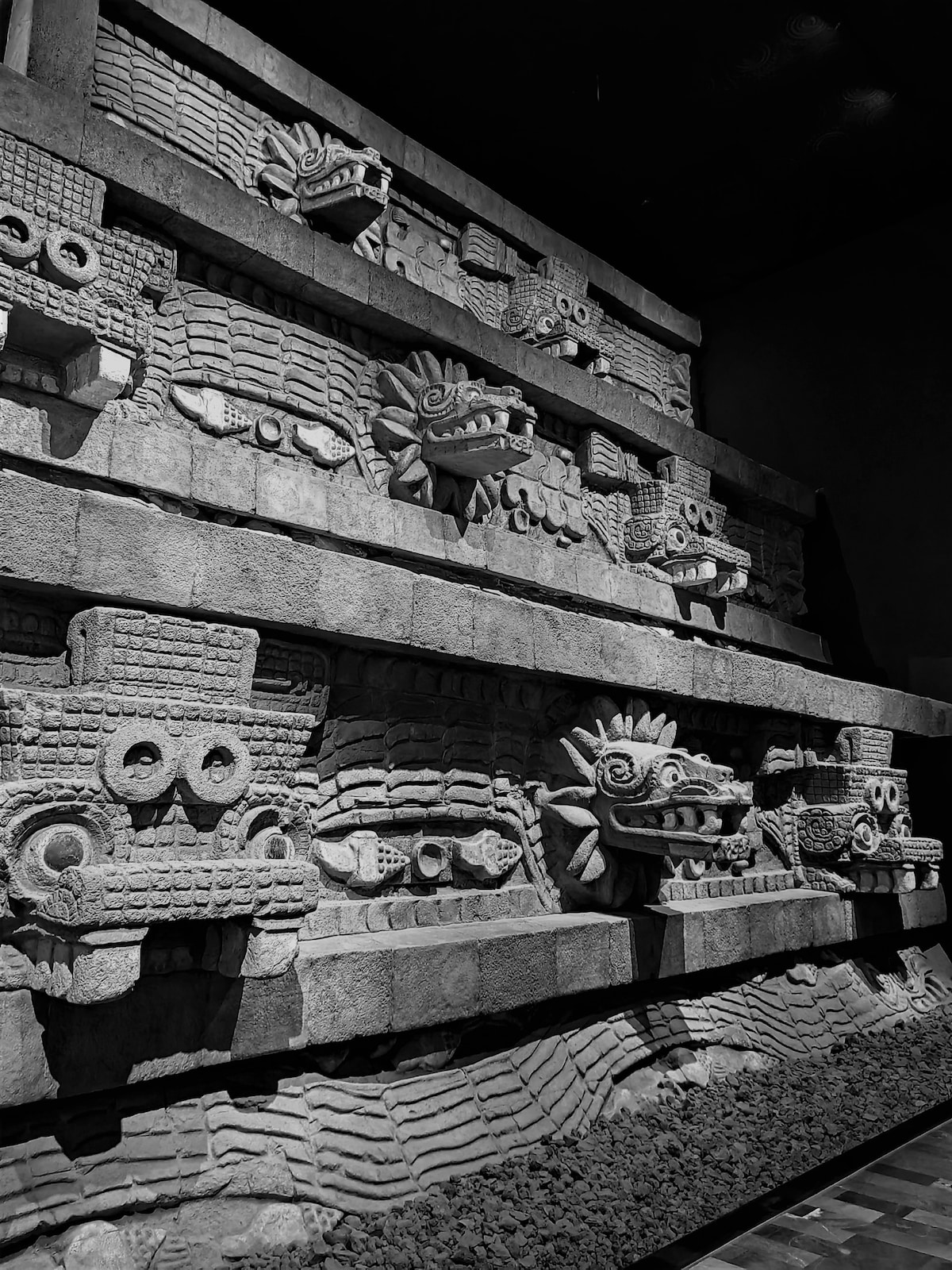
Teotihuacán: Explore the City of Gods
Fri, Feb 13 • 7:00 AM
55825, San Juan Teotihuacán, State of Mexico, Mexico
View details
Nearby attractions of Pyramid of the Moon
Itz-Yollotzin (corazón de obsidiana)
Teotihuacán Guías y Recorridos
Museo de los Murales Teotihuacanos, Beatríz de la Fuente
Plaza de la Luna
Parque Recreativo Encuentro de Dioses
Zona Arqueológica de Teotihuacán Puerta Tres
Puma Mural
Pyramid of the Sun
Teotihuacan Cine Camping
Palacio de Tepantitla

Itz-Yollotzin (corazón de obsidiana)
4.5
(119)
Open until 5:00 PM
Click for details

Teotihuacán Guías y Recorridos
4.9
(99)
Open until 6:00 PM
Click for details
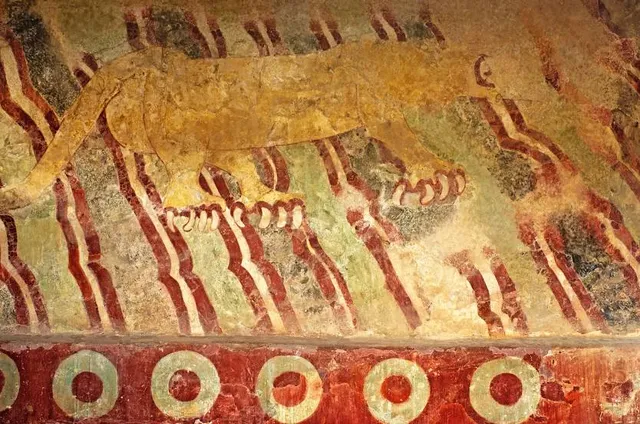
Museo de los Murales Teotihuacanos, Beatríz de la Fuente
4.7
(242)
Open until 5:00 PM
Click for details

Plaza de la Luna
4.7
(60)
Open 24 hours
Click for details
Nearby restaurants of Pyramid of the Moon
Meztli
La Catrina
La Chorcha Terraza
Techinanco
La Malquerida
Foro Nahual Teotihuacan
Cantaritos san Martín
El Jaguar
Ohana Snacks & Bar
La Higuera Teotihuacán
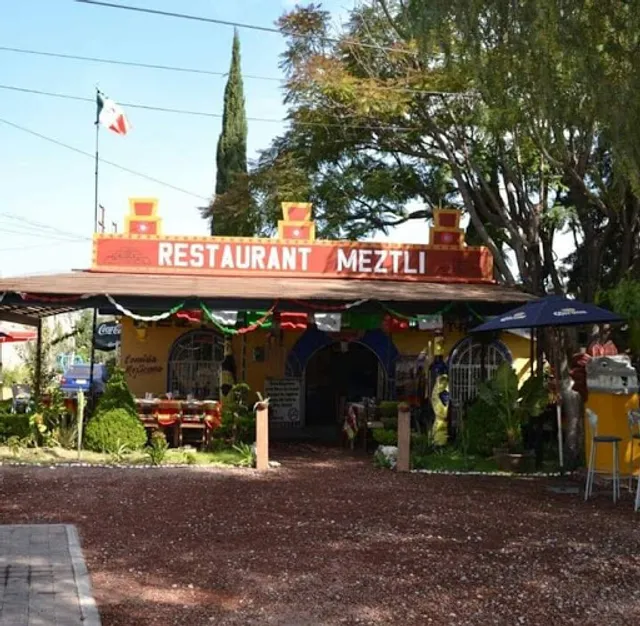
Meztli
4.7
(266)
Open until 6:00 PM
Click for details
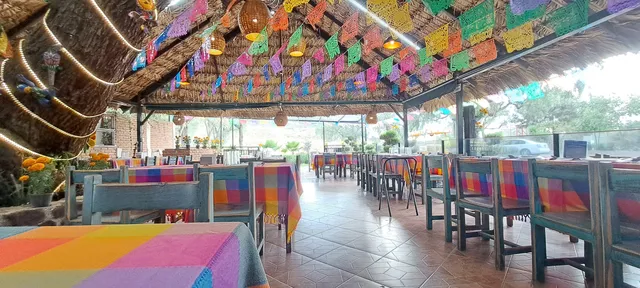
La Catrina
4.2
(527)
$$
Open until 5:30 PM
Click for details

La Chorcha Terraza
4.0
(277)
Open until 8:00 PM
Click for details
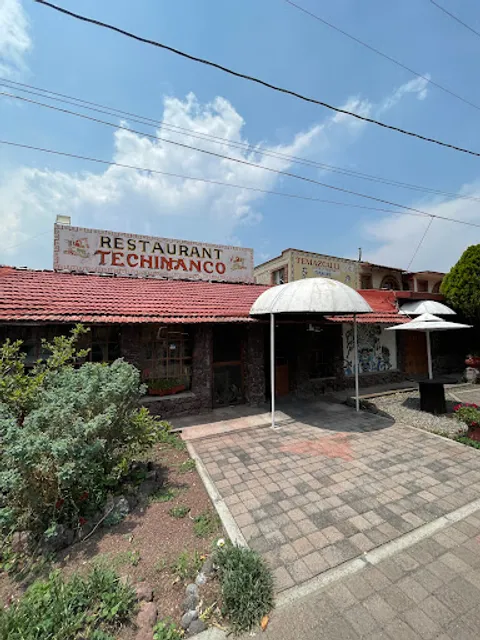
Techinanco
4.6
(134)
Open until 5:30 PM
Click for details
Nearby local services of Pyramid of the Moon
Palacio de Quetzalpapálotl
Teotihuacán
Pyramid of the Sun
Plaza del Sol
Calzada de los muertos
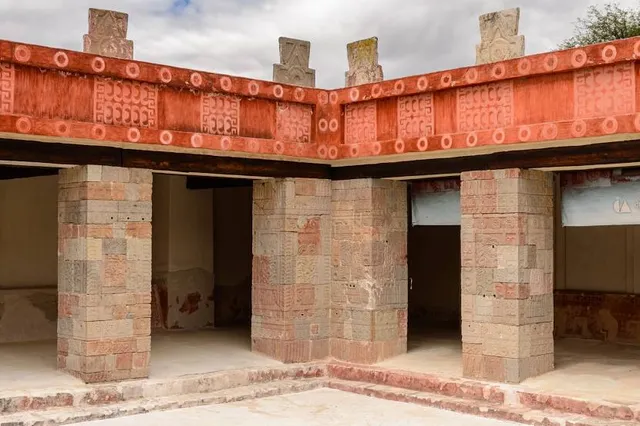
Palacio de Quetzalpapálotl
4.8
(435)
Click for details
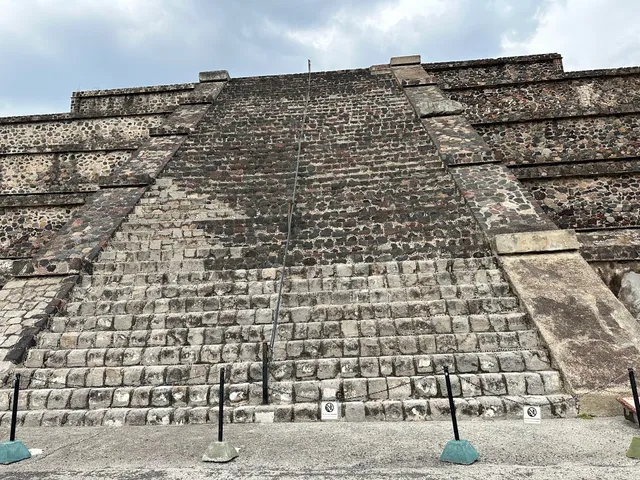
Teotihuacán
4.8
(35.9K)
Click for details
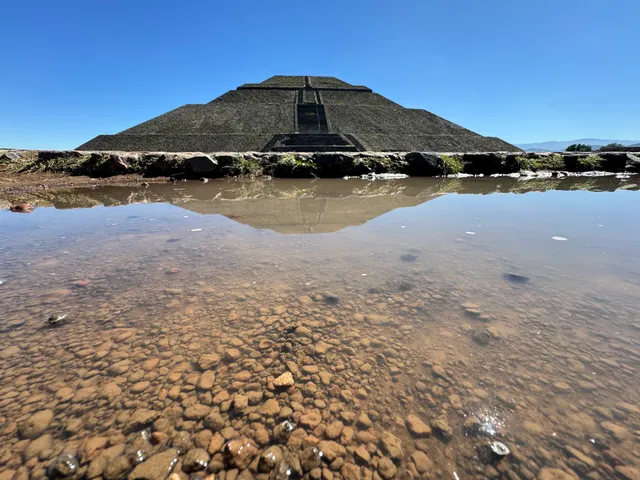
Pyramid of the Sun
4.8
(7.9K)
Click for details
Plaza del Sol
4.8
(247)
Click for details