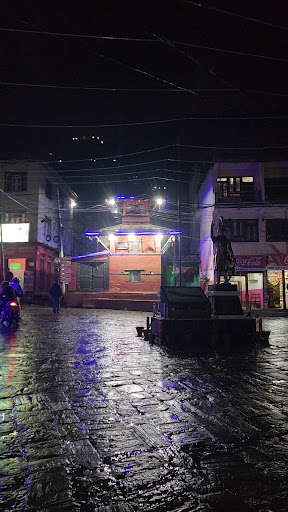
Nestled in the historic town of Gorkha, the Gorkha Museum offers a captivating journey through the rich cultural and military legacy of Nepal. Housed within the vicinity of the iconic Gorkha Durbar, a palace complex perched on a hilltop, the museum combines history with breathtaking views of the Himalayas, making it a must-visit for anyone exploring the region. Exhibits & Collections The museum’s exhibits are a treasure trove for history enthusiasts. Artifacts range from traditional weapons like the legendary khukuri knives (symbols of the fearless Gurkha warriors) to intricate royal attire and historical documents chronicling the Shah dynasty’s rise. As the ancestral home of Nepal’s unifying dynasty, Gorkha holds immense historical weight. The museum effectively contextualizes this legacy, emphasizing the Gorkha Kingdom’s role in shaping modern Nepal and the global reputation of Gurkha soldiers. The stories of bravery and loyalty associated with these warriors are particularly stirring, resonating with visitors interested in military history. The Gorkha Museum is a poignant tribute to Nepal’s cultural spine and martial pride. Though modest in scale, its historical depth and stunning location make it a rewarding stop. Ideal for history buffs, cultural travelers, and admirers of the Gurkha legacy, this museum is a vital piece of Nepal’s storytelling tapestry. Don’t miss the chance to stand where kings and warriors once shaped a nation—preferably paired with a visit to the surrounding Durbar complex for the full experience. A small but mighty portal into Nepal’s past, best enjoyed with curiosity and time to soak...
Read moreThe Gorkha Museum is a museum located in Gorkha, Nepal. Gorkha is a historical city that holds significant importance in the history of Nepal. The museum is dedicated to preserving and showcasing the cultural heritage and history of the Gorkha region.
The Gorkha Museum exhibits a wide range of artifacts, artworks, and historical objects that reflect the rich cultural and historical background of the region. Visitors can explore various sections of the museum to learn about the Gorkhali people, their traditions, lifestyle, religious practices, and their role in the unification of Nepal.
One of the key highlights of the museum is the display of artifacts related to King Prithvi Narayan Shah, the founder of modern Nepal, who was born in Gorkha. You can find ancient weapons, traditional costumes, coins, sculptures, manuscripts, and historical documents associated with King Prithvi Narayan Shah and the Gorkha Kingdom.
Additionally, the museum offers insights into the Gorkha Palace, also known as the Gorkha Durbar, which served as the royal residence of the Shah dynasty before the capital was shifted to Kathmandu. The museum showcases the architectural and historical significance of the palace through models, photographs, and other exhibits.
Visiting the Gorkha Museum provides an opportunity to delve into the glorious history and cultural heritage of Gorkha and its contribution to the formation of modern Nepal. It is an excellent place for history enthusiasts, researchers, and anyone interested in learning about...
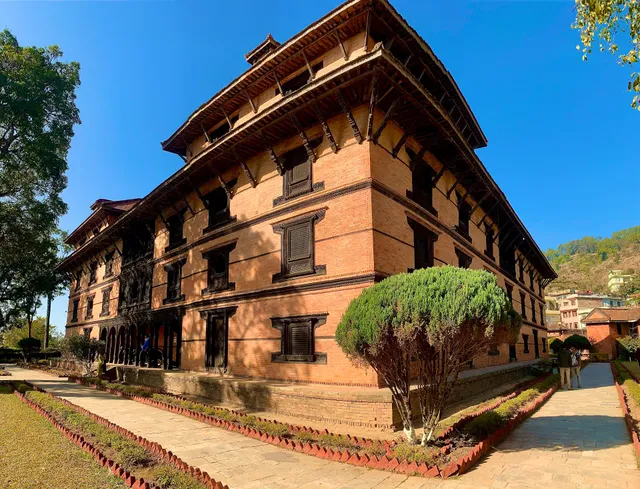
Read moreThe establishment of the museum was commissioned in 1816 by the then king Rajendra Bikram Shah according to historical documents. The building which houses the museum is reported to have been constructed for king Rajendra's son Surendra Bikram Shah.
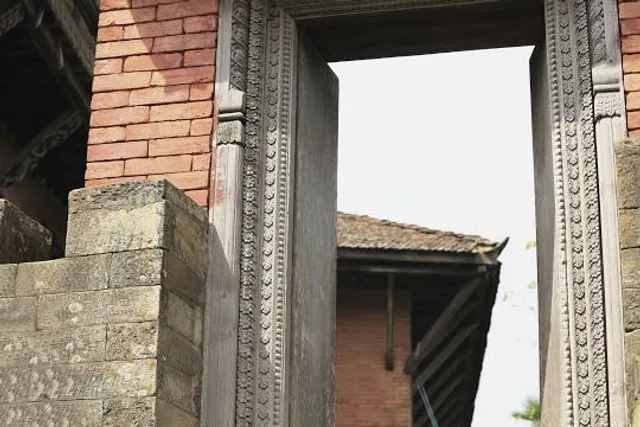
Situated within the palace premises, the Gorkha museum has 12 sectioned rooms which houses historical documents and information. The museum was only opened to the public in 2008. Historical artifacts such as the weapons used during Nepal’s unification process utensils used during that period, mannequins with clothes worn by various indigenous people, oil paintings and musical instruments are some of collections visitors can see. There are also portraits of kings of the Shah Dynasty from Drabya Shah, Prithivi Narayan to the last king of Nepal Gyanendra Shah. The establishment of the museum was commissioned in 1816 by the then king Rajendra Bikram Shah according to historical documents. The building which houses the museum is reported to have been constructed for king Rajendra’s son Surendra Bikram Shah. The buildings court in a courtyard shaped architectures which was prevalent during the reigns of the Malla kings. Key attractions of the museum building are the woodworks that...
Read more