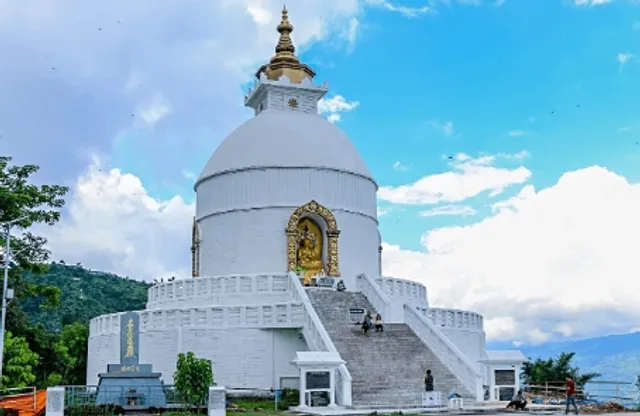
World Peace Pagoda, Pokhara: A Symbol of Harmony
-----------------Introduction---------------
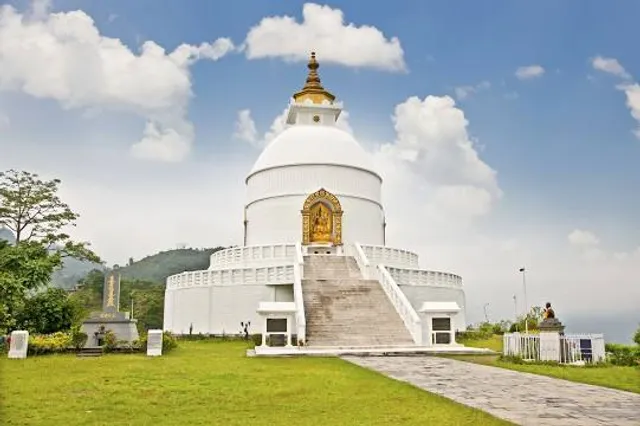
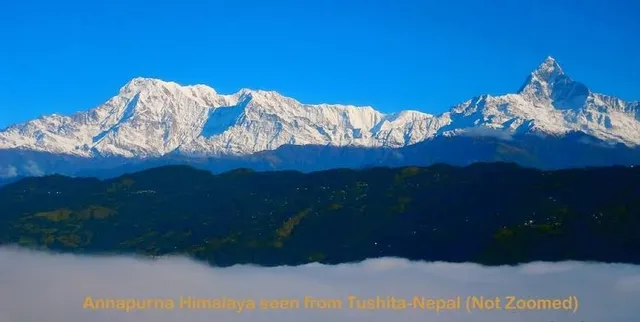
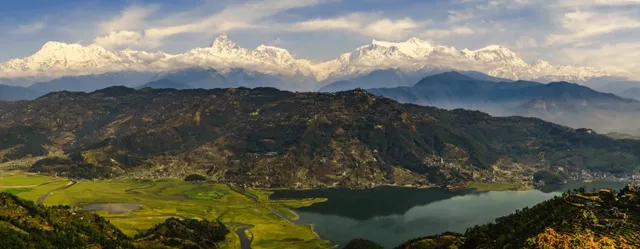
Buddhist stupa on Anadu Hill, overlooking Phewa Lake, in Pokhara, Kaski district, central Nepal. Constructed in 1996 by the Nipponzan Myohoji organization to promote world peace, at ~1,100 m. Located within the Annapurna Conservation Area, offering panoramic views of the Annapurna and Dhaulagiri ranges. A serene spiritual site, attracting tourists and meditators for its tranquil setting and architectural beauty.
-----------Geographical Features--------------
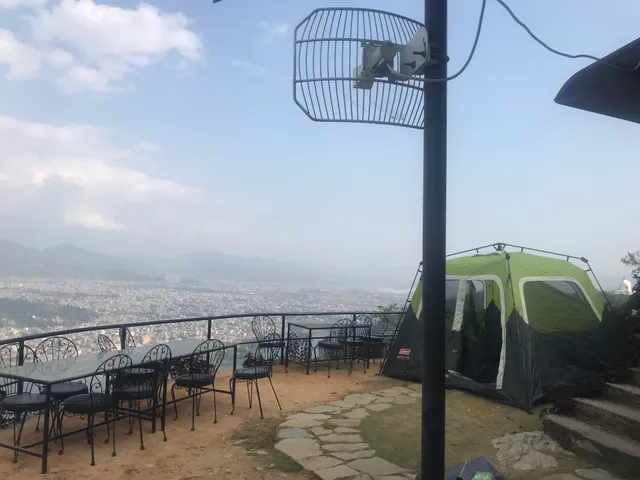
Elevation: ~1,100 m; Pokhara valley spans 800–1,500 m. Situated on a forested hill, accessible via trails from Phewa Lake or a road from Damside. Features a white dome with four statues of Buddha facing cardinal directions, surrounded by pines. Steep paths with stone steps, offering vistas of Phewa Lake, Tal Barahi Temple, and Himalayan peaks.
-----------Tourism and Activities----------------
Sightseeing: Admire the stupa’s architecture, Buddha statues, and lake views, especially at sunrise or sunset. Hiking: 1–2 hour trek from Phewa Lakeside or a shorter climb from Damside (45 min). Appeals to spiritual seekers, photographers, and nature lovers seeking peace and scenery. Meditation and picnic spots around the pagoda, with occasional cultural events.
---------Socio-Cultural Significance-----------
Symbolizes global peace, built post-World War II by Japanese monks, reflecting Buddhist values. Cultural highlights: Nearby Tal Barahi Temple and local Newari festivals enhance the experience. Tourism supports local vendors and ACAP conservation efforts, boosting community livelihoods. Respect silence, remove shoes near the stupa, and avoid loud behavior during prayers.
---------Climate Change Impact---------
Increased monsoon rains cause trail erosion and landslide risks on Anadu Hill. Warming may affect Phewa Lake’s ecosystem and visitor patterns during peak seasons. ACAP promotes sustainable tourism, but waste management and path maintenance are challenges. Rising temperatures could alter the region’s lush vegetation over time.
--------How to Get There------------
By Air: Fly from Kathmandu to Pokhara (30 min). By Road: From Pokhara Lakeside, take a taxi (15–20 min) or bus (NPR 25, 20 min) to Damside. Trekking: Walk from Lakeside (1–2 hrs) via stone steps or boat to the base (15 min) then climb (45 min). Permits: No entry fee; donations are...
Read morePokhara Shanti Stupa (World peace pagoda)is a Buddhist monument on Anadu Hill of the former Pumdi Bhumdi Village Development Committee, in the district of Kaski, Nepal (now a part of the city of Pokhara).
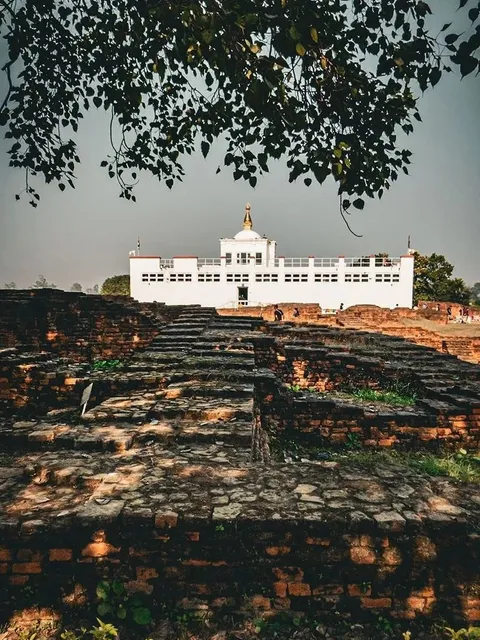
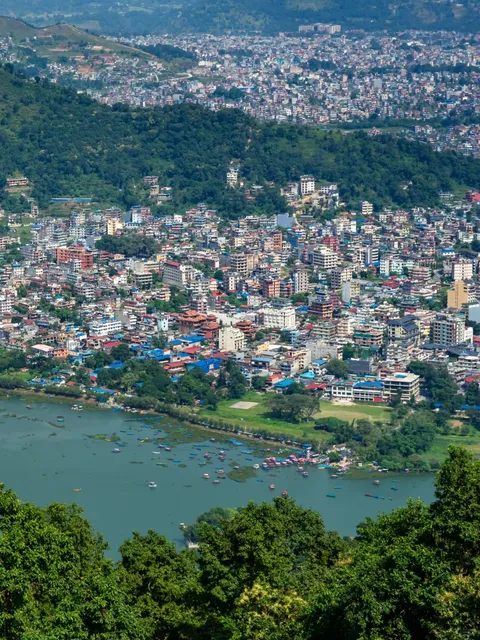
Shanti Stupa in Pokhara was built by Nipponzan-Myōhōji monk Morioka Sonin with local supporters under the guidance of Nichidatsu Fujii, a Buddhist monk and the founder of Nipponzan-Myōhōji. Shanti is a Sanskrit word meaning peace, also widely used in the Nepali and Hindi languages, and Shanti Stupa means Peace Pagoda. Shanti Stupa shrine was built as a symbol of peace. Situated at the height of 1100 meters on the Anadu Hill, Nichidatsu Fujii laid the foundation stone along with relics of the Buddha on 12 September 1973. Nepal has two of the eighty peace pagodas in the world: Shanti Stupa in Lumbini, the birthplace of the Buddha and Shanti Stupa in Pokhara. Shanti Stupa in Pokhara has also become a tourist attraction. It provides a panoramic view of the Annapurna range, Pokhara city and Fewa Lake.
Standing on top of the Anadu Hill, Shanti Stupa adds beauty to the Pokhara Valley. It is a perfect holiday place providing a clear view of the Himalayan range, Fewa Lake and Pokhara city. The hilltop provides a splendid view of sunrise and sunset. TripAdvisor has ranked Shanti Stupa as the second top attraction in Pokhara. The pagoda is 7 kilometers from Mahendrapool, the major business spot in Pokhara. There are several ways to reach the peace pagoda. There are hiking trails, cycling tracks and the blacked topped road to the Stupa. One popular and adventurous hiking trail is the crossing of Fewa Lake by a local boat and then climbing uphill through local villages which takes about an hour. The partial black-topped road from Chhorepatan to the Stupa takes about 25 minutes, which can be reached by taxi or private car. Public transportation too is available to the Stupa.
World peace pagoda is ancient artifact with its own uniqueness. You have to stay calm & quiet during the survery. You can stabilise your mind in very peaceful state there. Meditate & super fine place for yoga. This destination is specially for buddhist pilgrims but there is no restrictions for any religion. Peace pagoda is one & half hours away located on top of hill we visited there after visiting pumdikot lord...
Read moreWorld Peace Pagoda: A Symbol of Harmony Overlooking Pokhara
The World Peace Pagoda, also known as Shanti Stupa, is a stunning monument located on a hilltop overlooking Pokhara, Nepal. Built as a symbol of peace and unity, this pagoda is one of several peace pagodas constructed around the world by the Japanese Buddhist organization Nipponzan-Myōhōji. It stands as a reminder of the importance of world peace and the teachings of Buddha.
The pagoda itself is a gleaming white structure with a golden Buddha statue enshrined on each of its four sides, each representing significant moments in Buddha's life. The serene, minimalist design of the stupa reflects the peaceful message it embodies. The hilltop location of the World Peace Pagoda offers breathtaking panoramic views of Phewa Lake, the city of Pokhara, and the surrounding Annapurna and Dhaulagiri mountain ranges.
Reaching the World Peace Pagoda is an experience in itself. Most visitors hike up to the pagoda, with trails starting either from the southern shore of Phewa Lake or from the road near the dam. The hike, which can take about an hour depending on your pace, winds through lush forests and offers occasional glimpses of the lake and mountains as you ascend. Alternatively, you can also reach the pagoda by a short boat ride across Phewa Lake followed by a shorter hike up the hill.
Once at the top, the atmosphere is calm and reflective, making it an ideal spot for meditation or quiet contemplation. The panoramic views are particularly stunning at sunrise and sunset, when the light bathes the landscape in soft hues, making the experience even more special.
While the World Peace Pagoda is primarily a place for spiritual reflection, it also draws many visitors for its natural beauty and the opportunity to see one of the best views in Pokhara. However, it’s important to respect the peaceful and sacred nature of the site, keeping noise to a minimum and observing local customs.
The World Peace Pagoda is not just a tourist attraction but a meaningful symbol of the pursuit of peace and harmony in a world often filled with conflict. Whether you’re visiting for spiritual reasons or simply to enjoy the stunning scenery, the pagoda offers a unique and serene experience in the...
Read more