"Delhi Gate, one of the iconic entrances to the walled city of Lahore, is a historic landmark that vividly reflects the grandeur of the Mughal Empire and serves as a gateway to the city's rich cultural and architectural heritage. Originally constructed during the Mughal era, Delhi Gate once served as a main entry point from the road leading to Delhi, India, hence its name. This entrance holds not only historical significance but also offers an immersive experience into the traditions, lifestyle, and history of Lahore.
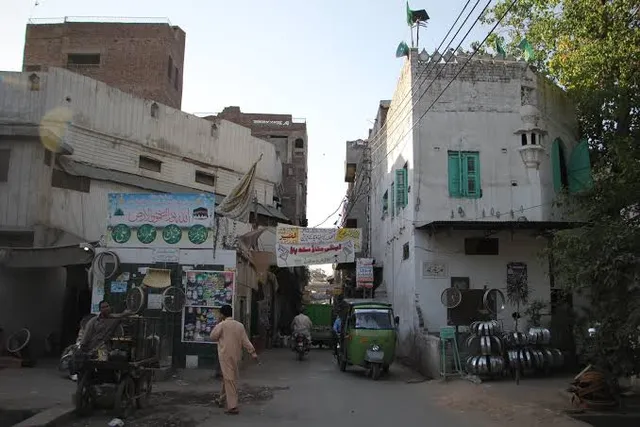
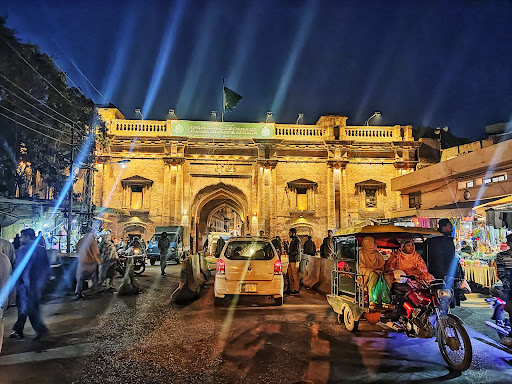
As you approach Delhi Gate, the architectural detail is immediately captivating. The imposing red brick structure, with its intricate carvings and arches, speaks of the Mughal love for symmetry, design, and grandeur. Walking through the gate feels like stepping back in time, as it transports you to a different era where this bustling gateway once welcomed traders, travelers, and royal processions into the heart of Lahore. The area surrounding Delhi Gate is always lively, with narrow streets bustling with vendors, artisans, and locals, giving a unique glimpse into the vibrant life of Old Lahore.
Beyond the gate lies a treasure trove of historical and cultural sites, each telling its own story. Just inside, you’ll find the majestic Shahi Hammam, a 17th-century public bathhouse that has been carefully restored. The hammam is a marvel of Mughal architecture, with beautifully restored frescoes, arches, and a unique heating system, showcasing the sophistication of ancient engineering. The guided tours here are educational and offer fascinating insights into how these bathhouses served as both social and cultural centers in the past.
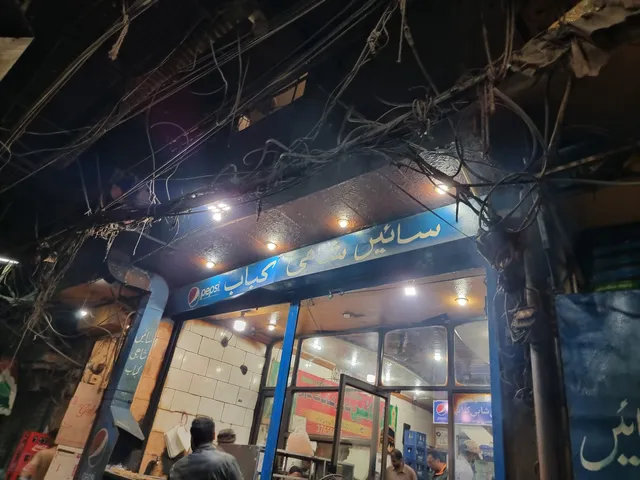
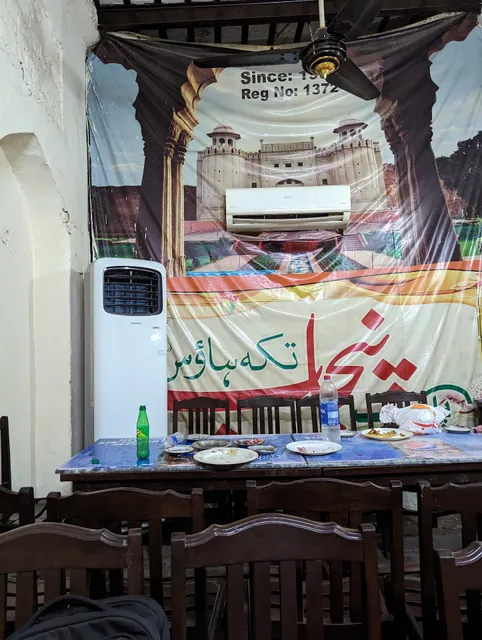
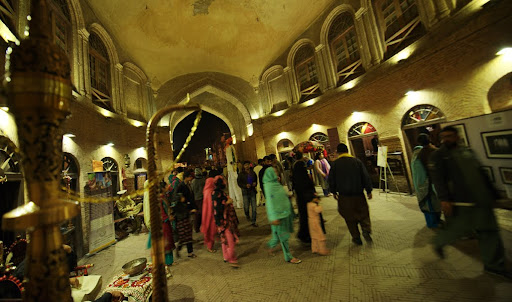
One of the delights of exploring Delhi Gate is the opportunity to wander through the bustling streets and alleyways of the Walled City, where you’ll find traditional bazaars that have operated for centuries. These bazaars are packed with local vendors selling everything from spices and textiles to handcrafted jewelry and traditional foods. The vibrant colors, aromatic spices, and the sound of shopkeepers bargaining with customers make it an exhilarating experience. For those interested in traditional cuisine, there are numerous food stalls and eateries offering authentic Lahori dishes, allowing visitors to savor the true flavors of Lahore.
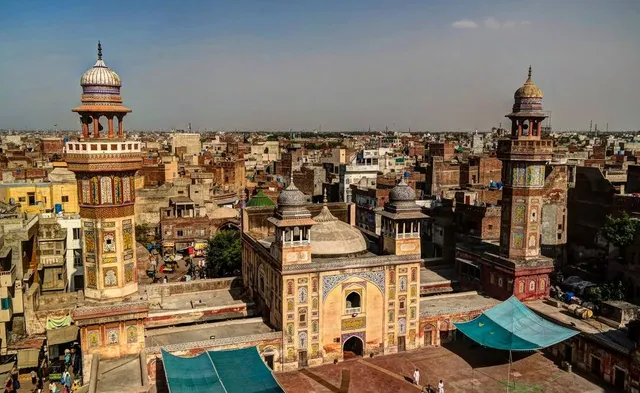
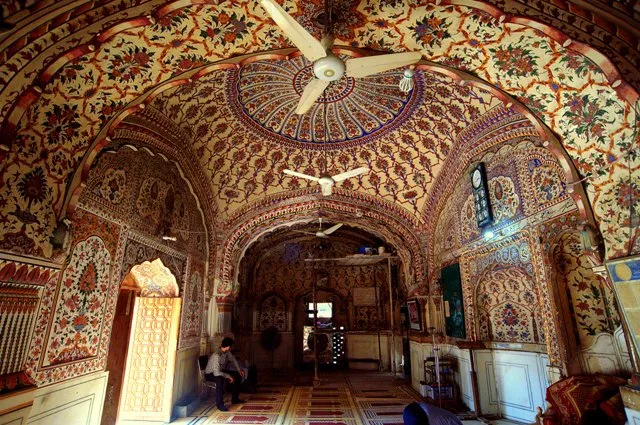
Delhi Gate is also close to the famous Wazir Khan Mosque, an architectural masterpiece from the Mughal period renowned for its stunning tile work and intricate frescoes. The mosque’s beauty and peaceful ambiance make it an essential stop on any tour of the area. From its intricately decorated walls to the quiet courtyards, Wazir Khan Mosque is a reflection of Lahore's spiritual and artistic heritage.
Over recent years, conservation efforts by the Walled City of Lahore Authority have helped to restore and preserve many areas around Delhi Gate. These initiatives have enhanced the visitor experience while preserving the gate’s historical character. Walking around Delhi Gate, visitors can appreciate not only the grandeur of Mughal architecture but also the importance of Lahore's heritage and the role it plays in connecting past and present.
Visiting Delhi Gate is more than just seeing an ancient monument; it’s an immersive journey through Lahore’s history and culture. This gateway stands as a testament to the city’s resilience, adapting to modern life while preserving its unique past. Delhi Gate is a must-visit for history enthusiasts, culture lovers, and anyone who wants to experience the essence of Old Lahore. It’s a place where the past comes alive, and every corner has a story to tell. A visit to Delhi Gate is truly a walk through history, offering an unforgettable experience that leaves you with a deeper appreciation of Lahore’s...
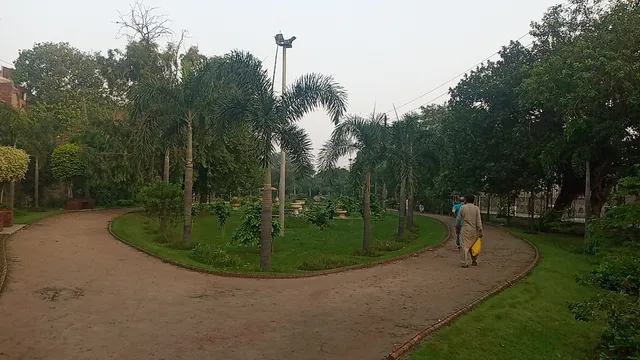
Read moreGoing from Lahore Railway Station towards Do Moria Pul, it takes hardly three minutes to reach the gigantic Dilli Darwaza, a huge structure welcoming you to the old city. The Darwaza, built by the third Mughal Emperor Akbar in the 1600s, is one of the thirteen gates that provided access to the city of Lahore, once enclosed within a 30-foot high, fortified wall. Centuries later, Delhi Gate still stands majestically on the eastern side of the Walled City. Delhi Gate was so named because it faced Delhi, the then capital of the Mughal dynasty. During the British era, all the gates of the Walled City of Lahore were demolished and the area was turned into Circular Road and a circular garden which exist to this day. The gates were reconstructed in the early 1900s, by the British. This is one reason why the existing few gates including Delhi Gate have echoes of the Anglo-Mughal architecture. The only Mughal gate is Roshnai Gate which is situated next to Maharaja Ranjeet Singh’s Samadhi. According to historic accounts and archival references, all the gates around the city of Lahore were built on the pattern of Roshnai. Their structures were modified when they were being rebuilt. Delhi Gate has witnessed phases of tranquility and turbulence. There was a time when it enjoyed the status of a ‘welcoming gate’ to the "Royal City." Later, in Sikhs’ regime and during the British Raj, it served as the court of magistrate, jails and police station. The gigantic wooden doors, still intact in Lohari Gate, were also a part of the building. But according to researchers, the doors were either burnt or damaged during riots and the War of Independence. During the Mughal era, the doors would be closed after sunset when the city traditionally went to sleep, thus allowing no access.
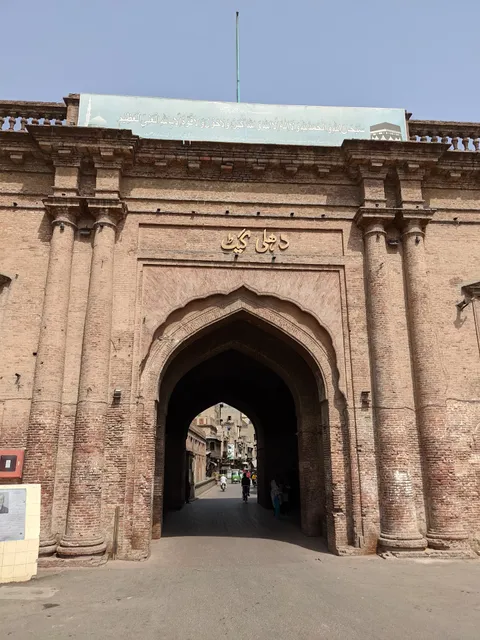
The gates were reconstructed in the early 1900s, by the British. This is one reason why the existing few gates have echoes of the Anglo-Mughal architecture.
After 1947, the building of the gate housed a girls’ school which is still functional. Besides, the locals also use the rooftop of the Gate for holding wedding and religious ceremonies. The ceiling of the ground-floor interior of Delhi Gate is dome shaped, with six rooms. The rooms were used by the ‘chobdars’ in Mughal era, the magistrates and the police in later times. After 1947, the rooms served as a dispensary and health centers for the local community. Presently, they are being used by the Walled City of Lahore Authority (WCLA) as a tourist information centre. Any walk-in tourist can easily get hold of a guide, as the facility is there. One can still find pigeons resting on the bordered windows inside the Gate, a charismatic feature of Walled City buildings. Going to the rooftop one can see the recently conserved Shahi Hammam (or the Royal Bath) on the right side. It is said that when the Gate was rebuilt, a portion of the Hammam was demolished and incorporated in the Gate’s building. The existing Hammam is half of its...
Read moreDelhi Gate, one of the six remaining historic gates of Lahore’s Walled City, stands as a testament to the city’s rich Mughal heritage. Constructed in the 1600s, this gate once served as the main eastern entrance, leading travelers from Delhi into Lahore. Today, it offers visitors a glimpse into the grandeur of Mughal architecture and the vibrant culture that thrives within its walls.
Architectural Significance:
The gate showcases intricate Mughal-era design, reflecting the architectural brilliance of that period. Its robust structure, adorned with detailed carvings and traditional motifs, transports visitors back in time, allowing them to experience the historical essence of Lahore.
Surrounding Attractions:
Stepping through Delhi Gate leads you into a bustling bazaar, where the essence of Lahore’s vibrant culture comes alive. The narrow lanes are lined with shops offering traditional crafts, spices, textiles, and local delicacies, providing an authentic shopping experience. Notably, the renowned Wazir Khan Mosque, celebrated for its stunning frescoes and tile work, is located nearby, making it a must-visit site for those exploring the area.
Visitor Experiences:
Many visitors have shared their awe and appreciation for Delhi Gate: • “Go there day and night because each time the place has different beauty. You will feel the history and the greatness of Muslims in the past. I was looking and wondering how they built this place 600+ years ago. It’s just amazing.” • “Delhi Gate, built during the Mughal era in the 1600s, is a beautiful reminder of Lahore’s rich history. Walking through it felt like traveling back in time, with its stunning architecture and timeless charm. It’s a wonderful place to visit for anyone who wants to feel the magic of old Lahore.” • “Visiting Delhi Gate in the heart of the Old City during a thunderstorm was an unforgettable experience. The combination of the ancient architecture and the dramatic weather created awe-inspiring vibes that were truly on another level. It felt like stepping back in time, surrounded by the rich history of Delhi Gate. A must-visit for anyone seeking a unique and captivating journey through Lahore’s heritage.”
Practical Information: • Location: Inside Delhi Gate, Akbari Mandi, Walled City of Lahore, Punjab 54000, Pakistan. • Visiting Hours: Open 24 hours daily. • Recommended Visit Duration: Approximately 45 minutes to an hour.
Conclusion:
Delhi Gate offers a unique blend of historical significance and cultural vibrancy. Whether you’re an architecture enthusiast, a history buff, or simply looking to immerse yourself in the lively atmosphere of Lahore’s old city, a visit to Delhi Gate promises a memorable experience.
Please note that experiences may vary, and it’s advisable to check the latest visitor reviews and local guidelines before...
Read more